


Few routes reveal northern India’s contrasts as clearly as a journey from the imperial monuments of Delhi to the sacred banks of the Ganges and onward to the palaces of Rajasthan. The Golden Triangle with Rishikesh & Haridwar adds two of India’s most important pilgrimage towns to the familiar Delhi, Agra and Jaipur circuit. In eleven days, the itinerary moves through major chapters of Indian history while also making room for religious customs, riverside rituals and the foothills of the Himalayas.
Your journey begins on arrival at Delhi International Airport. After immigration, baggage collection and customs, meet the local representative in the arrivals area and continue by private vehicle to your hotel. Delhi is a vast urban region whose monuments and neighbourhoods reflect several distinct periods of Indian history. Medieval settlements, Mughal-era quarters, British-planned avenues and contemporary commercial districts exist within the same capital, making it an appropriate starting point for a journey that will move through very different parts of northern India.
The programme on arrival day remains intentionally light. Once hotel formalities are complete, settle into your room and take time to recover from the international journey. Travellers arriving during the morning or early afternoon may wish to take a short drive through the surrounding district or enjoy the facilities of the hotel. Those landing later can proceed directly to dinner and rest without having to fit scheduled sightseeing around an unpredictable international flight arrival.
Keeping the first day open also provides flexibility in the event of airline delays or changes in arrival time. The historical programme begins the following morning when you are rested and better able to appreciate Delhi’s dense concentration of monuments and neighbourhoods. Your chauffeur and local representatives remain available for practical assistance, restaurant recommendations or any arrangements required before the journey begins in full.
Overnight: Delhi
Begin the morning in the historic heart of the capital. Old Delhi developed around the Mughal city of Shahjahanabad, founded during the reign of Emperor Shah Jahan, and remains one of the most densely layered areas of Delhi. Visit Jama Masjid, whose large courtyard and elevated position provide an impressive introduction to Mughal Delhi. From here, enter the lanes around Chandni Chowk, where spice merchants, jewellery shops, food vendors, places of worship and old commercial buildings crowd streets that have functioned as trading districts for centuries.
A cycle-rickshaw ride through selected lanes offers a closer look at the neighbourhood before continuing towards Raj Ghat, the simple memorial dedicated to Mahatma Gandhi. Afterwards, leave the tightly packed streets of Old Delhi and enter the broad avenues of the capital developed during the British period. Drive through the government district and see India Gate and the principal administrative buildings from appropriate viewpoints. The dramatic difference in scale and planning between the two halves of the city provides one of the most revealing contrasts of the day.
Later, visit Humayun’s Tomb, an outstanding example of early Mughal garden-tomb architecture and an important predecessor to the Taj Mahal. Time permitting, the sightseeing programme may also incorporate Qutub Minar, whose tower and surrounding archaeological complex represent an earlier chapter of Delhi’s history. By evening, return to your hotel after a day covering several centuries of architecture and political change rather than concentrating on a single period of the capital.
Overnight: Delhi
Leave Delhi after breakfast and travel north towards Haridwar, one of Hinduism’s major pilgrimage centres. The road gradually leaves the dense National Capital Region and moves through the plains towards Uttarakhand. Haridwar stands close to the point where the Ganges emerges from the Himalayan foothills onto the northern plains, a geographical position that has contributed greatly to its religious importance. Pilgrims have travelled here for generations to bathe in the river and take part in rituals associated with purification, remembrance and prayer.
After arrival, check into the hotel and allow time for lunch and rest before entering the older riverside quarters. Walk through local market streets where stalls sell flowers, lamps, religious objects, sweets and offerings intended for use at the ghats and temples. The activity around the river provides an immediate introduction to the rhythms of a living pilgrimage town. Rather than presenting Haridwar as a conventional sightseeing destination, the visit focuses on observing how faith and everyday life interact along the Ganges.
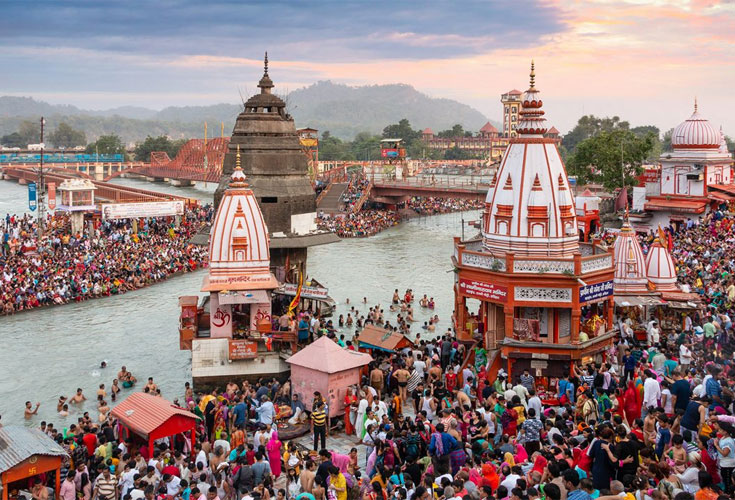
As daylight begins to fade, make your way to Har Ki Pauri for the evening Ganga Aarti. Priests perform the ceremony beside the river while bells sound, prayers are recited and small lamps are offered to the flowing water. Hundreds of pilgrims and visitors may gather along the ghats, creating an atmosphere that is simultaneously public and deeply personal. After the ceremony, walk back through the illuminated market area before returning to the hotel for the night.
Overnight: Haridwar
The morning offers another opportunity to see Haridwar at a quieter hour before continuing towards Rishikesh. Depending on personal interest and local conditions, visit one of the principal temples or spend some additional time near the ghats to observe morning rituals along the Ganges. Haridwar changes noticeably between the large evening gathering and the earlier hours of the day, when pilgrims perform prayers, make offerings and begin their visits to nearby shrines.
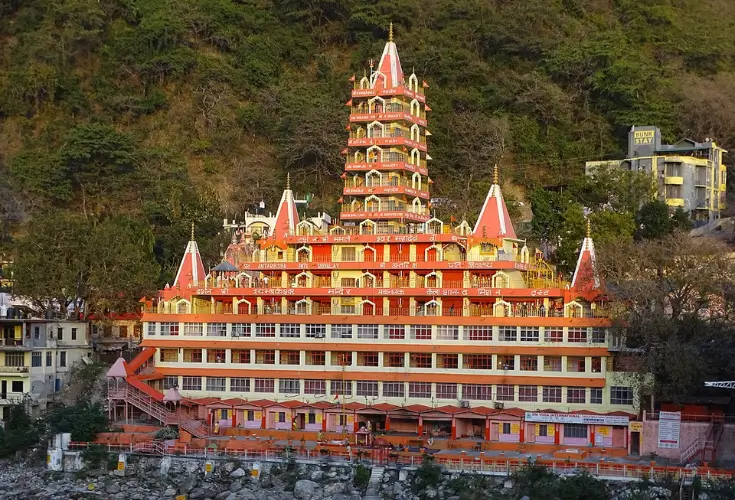
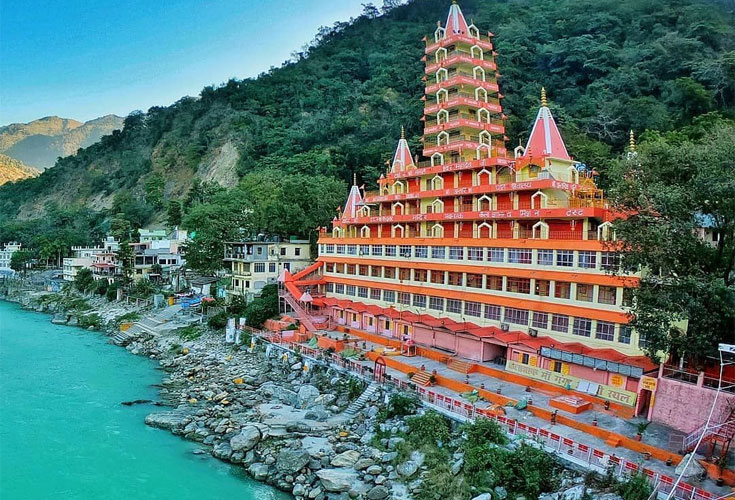
Drive onward to Rishikesh, located a relatively short distance away but set within a very different landscape. As the road approaches the foothills, forested slopes begin to frame the Ganges and the urban density decreases. Check into your hotel and take time for lunch before starting a guided introduction to the town. Rishikesh has long been associated with Hindu spiritual study, but its international reputation grew considerably through yoga, meditation and the arrival of overseas seekers during the twentieth century.
Spend the afternoon around the riverfront, temple districts and ashram areas. Cross or view one of the town’s well-known suspension bridges where accessible, walk beside the Ganges and learn about the role of ashrams in religious and philosophical study. The programme can be adjusted according to interest: some guests may prefer more time walking beside the river, while others may choose a private yoga or meditation session. Evening is free to enjoy the quieter setting of the Himalayan foothills.
Overnight: Rishikesh
Begin the day at an easy pace, with the option of an early private yoga session in Rishikesh. Yoga here is presented within its broader Indian context rather than simply as a fitness activity. A suitable session can be arranged according to age, ability and prior experience, allowing beginners and regular practitioners alike to participate comfortably. Travellers who do not wish to take part can instead enjoy a quiet morning at the hotel or walk beside the river before breakfast.
Later, continue the guided exploration of Rishikesh. Visit selected ashram and temple areas and spend time understanding why the town developed into such an important centre for spiritual learning. Depending on current access arrangements, the itinerary may include the former Maharishi Mahesh Yogi ashram, widely associated internationally with The Beatles’ stay in Rishikesh during the late 1960s. Its forested grounds and remaining structures provide an unusual connection between Indian spiritual traditions and twentieth-century global popular culture.
Towards evening, return to the river for another perspective on devotional life along the Ganges. The Ganga Aarti in Rishikesh differs in setting and scale from Haridwar, and attending both allows travellers to see how a shared religious tradition can take on a different atmosphere in neighbouring towns. Afterwards, return to the hotel. The second night in Rishikesh prevents the Himalayan section from becoming a hurried excursion and provides useful breathing space before the itinerary returns to India’s historic plains.
Overnight: Rishikesh
After breakfast, leave Rishikesh for the journey south towards Agra. This is one of the longer road sectors of the itinerary, so the day is deliberately structured around comfortable travel rather than attempting to add several sightseeing stops. Your private vehicle allows breaks to be taken as required, and the changing scenery traces the transition from Uttarakhand’s foothills back across the heavily cultivated plains of northern India.
The journey provides a useful dividing line within the tour. Haridwar and Rishikesh have centred on pilgrimage, religious practice and the Ganges; Agra introduces the political and architectural legacy of the Mughal Empire. On reaching the city, check into your hotel and take time to relax after the drive. Depending on arrival time and daylight, a visit to a suitable viewpoint overlooking the Yamuna may be possible, though this is kept flexible rather than making the day unnecessarily demanding.
The evening is free at the hotel. Travellers staying at a property with views towards the Taj Mahal may prefer to enjoy the setting without additional travel, while others can dine at a recommended local restaurant or simply rest. The main Agra sightseeing is reserved for the following morning, when the Taj Mahal can be visited with sufficient time to appreciate its architecture rather than squeezing the monument into the end of a long transfer day.
Overnight: Agra
Begin early with a visit to the Taj Mahal, when the marble monument is often seen in gentler morning light. Commissioned by Emperor Shah Jahan as a mausoleum for Mumtaz Mahal, the complex represents an exceptional achievement of Mughal design. Its fame can sometimes obscure the sophistication of its planning: the alignment of gardens, gateways, mosque, guest pavilion, riverfront terrace and central mausoleum creates a carefully controlled architectural composition rather than an isolated marble building.
Spend time examining details that are easily missed during a hurried visit, including calligraphic panels, carved marble, geometric ornamentation and intricate pietra dura work. Your guide can explain the symbolism, construction techniques and historical setting of the monument while allowing enough independent time for photographs and observation. After leaving the complex, return to the hotel for breakfast if an early visit has been arranged, followed by a short break before continuing the day's sightseeing.
Later, visit Agra Fort, where the story of the Mughal dynasty can be understood from a more political perspective. The immense red sandstone fort was expanded by successive emperors and contains royal apartments, audience halls, courtyards and defensive structures overlooking the Yamuna. Several sections are closely associated with Shah Jahan’s final years and offer distant views towards the Taj Mahal. The remainder of the day can include time for Agra’s traditional marble inlay craftsmanship before returning to the hotel.
Overnight: Agra
After breakfast, leave Agra and travel towards Rajasthan. The principal historical stop en route is Fatehpur Sikri, built by Emperor Akbar as an imperial capital during the sixteenth century. Although its period as the principal seat of Mughal power was relatively brief, the surviving complex remains remarkably complete. Monumental gateways, audience halls, royal residences and open courtyards reveal how architecture was used to express imperial authority while incorporating design influences from different parts of the subcontinent.
Walk through the palace complex with your guide, taking time to see structures such as Diwan-i-Khas, Panch Mahal and the principal courtyards associated with Akbar’s court. Fatehpur Sikri provides an important historical link between Agra and Jaipur: the journey is moving geographically towards Rajput territory while the architecture illustrates the close political and cultural connections that developed between Mughal emperors and several Rajput royal houses.
Continue to Jaipur, arriving later in the day. Founded by Maharaja Sawai Jai Singh II, Jaipur was planned with broad streets, organised market districts and a distinctive urban layout that sets it apart from many older Indian cities. Check into your hotel and spend the evening at leisure. After the spiritual landscapes of Uttarakhand and Mughal monuments of Agra, Rajasthan introduces the final major cultural chapter of the journey.
Overnight: Jaipur
Drive to Amber Fort after breakfast, approaching the former royal stronghold against the backdrop of the Aravalli hills. The fort-palace developed over several generations and contains ceremonial gateways, public courtyards, private apartments and richly ornamented interiors. Walk through the complex to see how defensive architecture and courtly design coexist within the same site. The Sheesh Mahal and other decorated chambers demonstrate the level of craftsmanship commissioned by Jaipur’s former rulers.
On the return towards the old city, stop at an appropriate viewpoint for the Hawa Mahal, Jaipur’s celebrated Palace of Winds. Continue to the City Palace, a large complex of courtyards, gateways and museum spaces at the heart of the historic city. Collections of textiles, arms, paintings and ceremonial objects provide insight into Jaipur’s royal history beyond the monumental architecture. Parts of the palace remain associated with the former royal family, giving the complex a continuing connection with the city’s princely past.
Nearby stands Jantar Mantar, where Maharaja Sawai Jai Singh II commissioned monumental astronomical instruments capable of measuring time and tracking celestial bodies with remarkable precision. Afterwards, there can be time for Jaipur’s markets and craft traditions, including hand-blocked textiles, jewellery and other locally produced work. Any shopping stops remain optional and can be selected according to genuine interest. Return to the hotel after completing the principal Jaipur sightseeing.
Overnight: Jaipur
After breakfast, enjoy a relaxed departure from Jaipur and begin the private drive to Delhi. The route crosses the plains between Rajasthan and the National Capital Region, bringing the journey back to the city where it began. A private chauffeur-driven vehicle allows suitable rest stops and avoids the rigid timing associated with group transport, particularly useful at the end of an itinerary that has covered both the Himalayan foothills and the Golden Triangle.
Reach Delhi and check into the hotel for the final night. The remainder of the day is deliberately open so that travellers can decide how they want to spend their last hours in India. You might revisit a favourite neighbourhood, browse for textiles or handicrafts, choose a contemporary Indian restaurant, or simply relax at the hotel. Guests with a particular interest that was not covered during the initial Delhi sightseeing can also arrange an additional activity in advance.
The evening marks the completion of the overland portion of the Golden Triangle with Rishikesh and Haridwar tour. Over ten days, the route has moved between urban history, sacred river towns, Himalayan landscapes, Mughal architecture and Rajput royal heritage. Keeping the final evening unscheduled gives the journey a comfortable finish rather than ending a substantial road transfer with another compulsory sightseeing programme.
Overnight: Delhi
The final morning is planned around your international flight rather than a fixed sightseeing schedule. Have breakfast at the hotel when departure time permits and use the remaining hours at leisure. Guests travelling on an evening flight may request late check-out, subject to hotel availability and additional charges, or make separate arrangements for a final meal or activity before leaving for the airport.
At the scheduled time, meet your chauffeur for the private transfer to Delhi International Airport. The departure time will be planned according to airline reporting requirements and expected traffic conditions, allowing an appropriate margin for the journey to the terminal. Assistance will be provided according to the confirmed service arrangements before you proceed with airline check-in, immigration and security.
The 11 Days Golden Triangle with Rishikesh & Haridwar itinerary concludes after connecting some of North India’s most significant historic and spiritual settings. Delhi, the Taj Mahal and Jaipur provide the architectural backbone of the classic Golden Triangle, while Haridwar and Rishikesh introduce the Ganges, pilgrimage customs and Himalayan foothills. The result is a route designed for travellers who want cultural context and religious heritage alongside India’s celebrated forts, palaces and monuments.
What the price includes
What it does not
Starting from
On request
per person · twin share
Get In Touch
No planning fee, no obligation. A curator replies within two hours - or call +91 97990 02277.
 13 Nights / 14 Days
Route Delhi - Varanasi - Agra - Ranthambore - Jaipur - Delhi
 12 Nights / 13 Days
Route Delhi - Agra - Jaipur - Jodhpur - Jaisalmer - Delhi
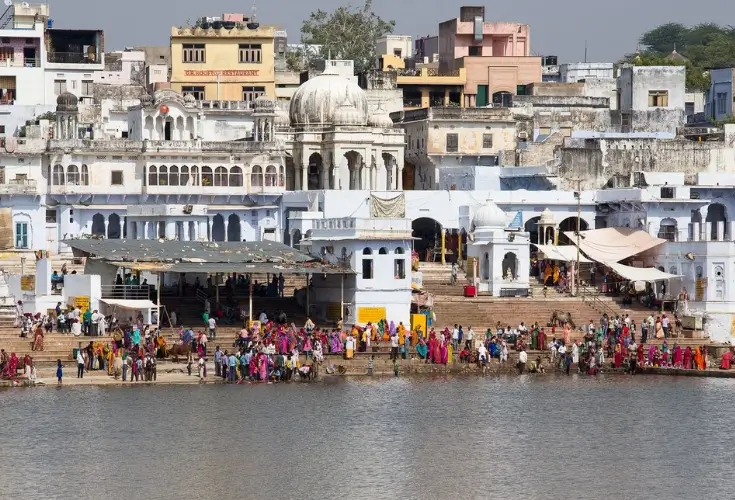 8 Nights / 9 Days
Route Delhi - Agra - Jaipur - Pushkar - Delhi
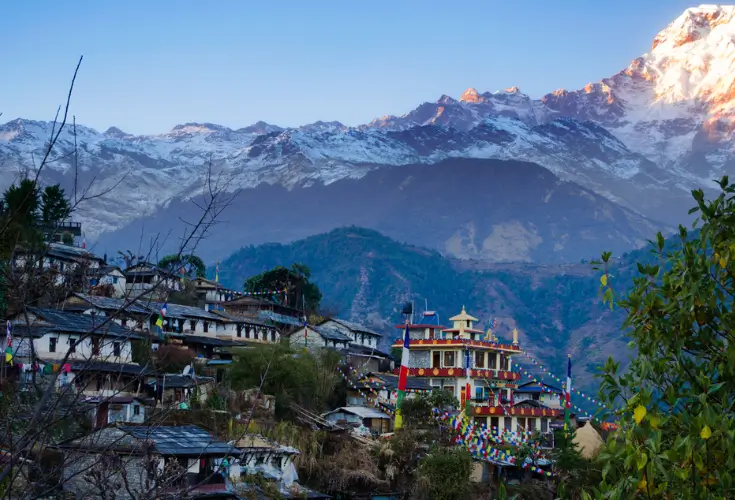 11 Nights / 12 Days
Route Delhi - Agra - Jaipur - Kathmandu - Pokhara
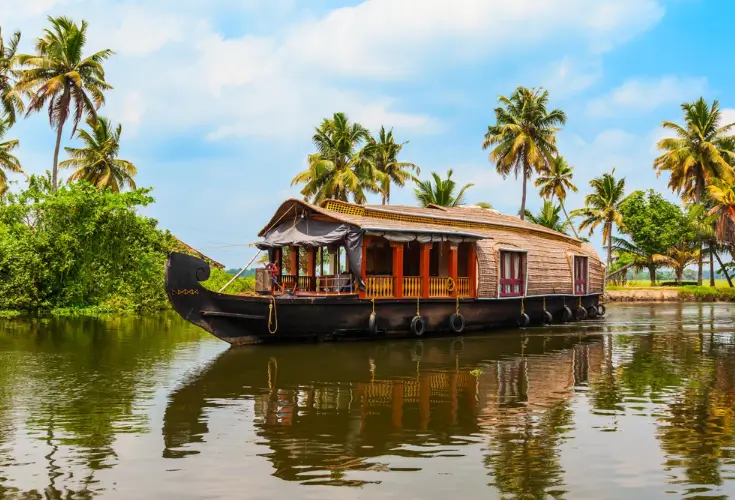 13 Nights / 14 Days
Route Delhi - Agra - Jaipur - Kochi - Munnar - Kumarakom - Alleppey
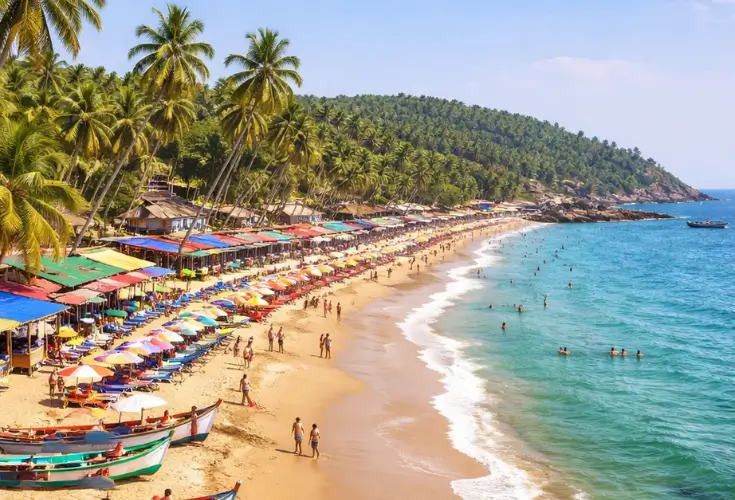 11 Nights / 12 Days
Route Delhi - Agra - Jaipur - Goa
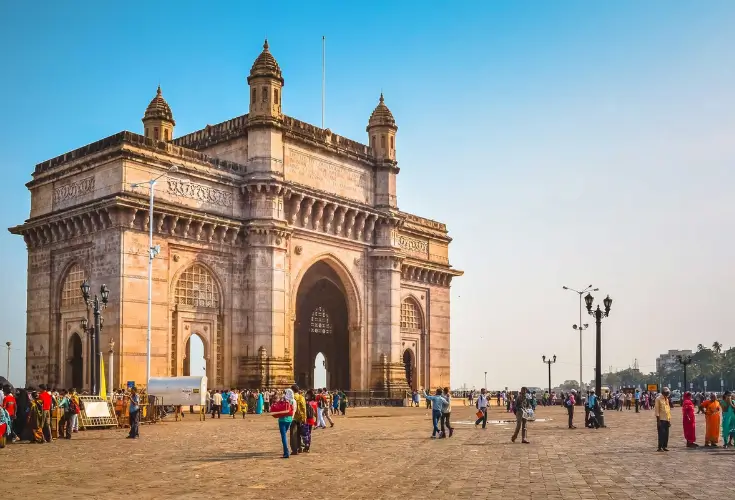 9 Nights / 10 Days
Route Delhi - Agra - Jaipur - Mumbai
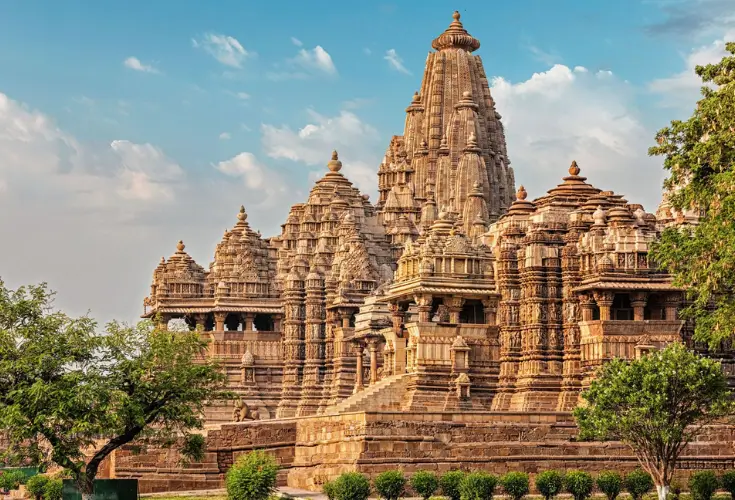 10 Nights / 11 Days
Route Delhi - Jaipur - Agra - Orchha - Khajuraho - Delhi
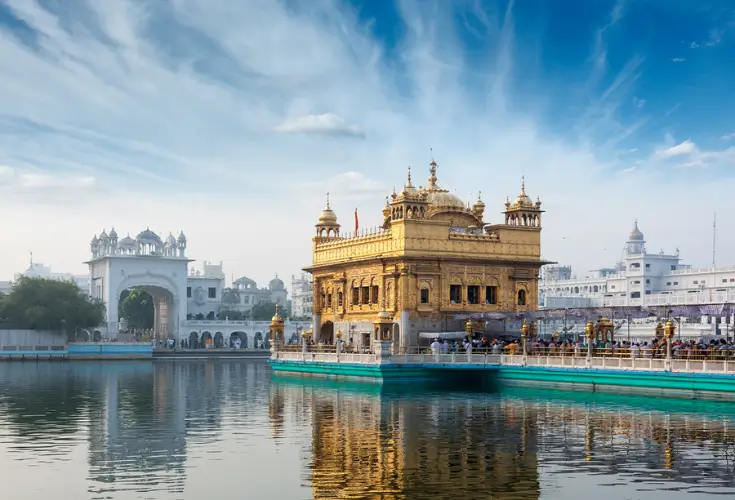 9 Nights / 10 Days
Route Delhi - Amritsar - Agra - Jaipur - Delhi
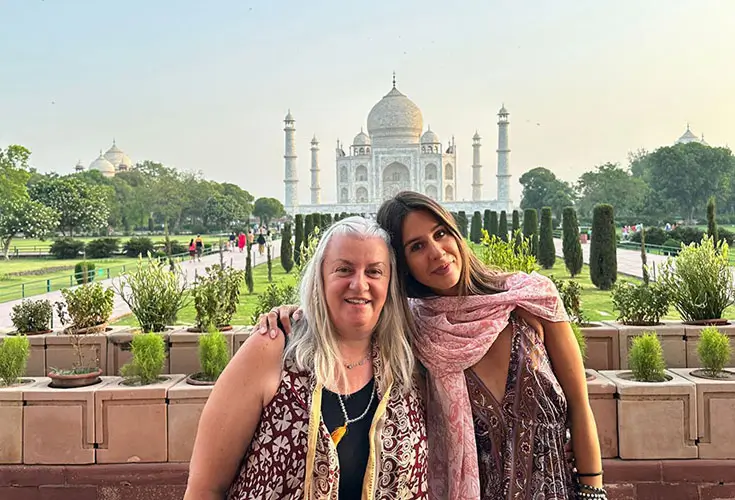 6 Nights / 7 Days
Route Delhi - Agra - Jaipur - Delhi
 8 Nights / 9 Days
Route Delhi - Agra - Jaipur - Delhi
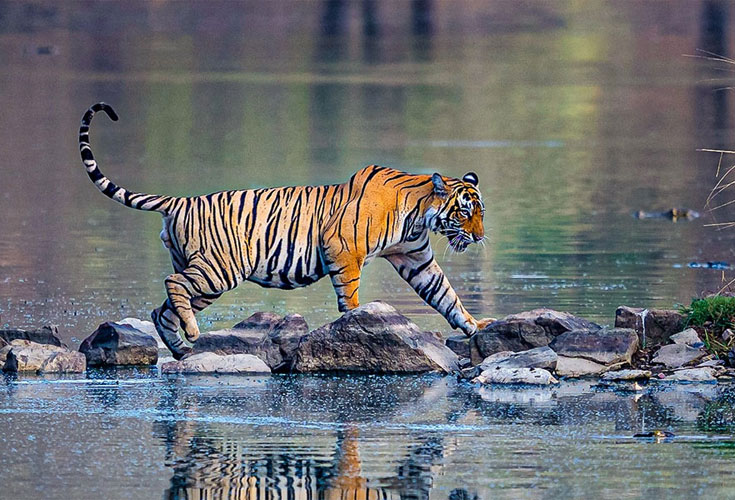 9 Nights / 10 Days
Route Delhi - Agra - Ranthambore - Jaipur - Delhi
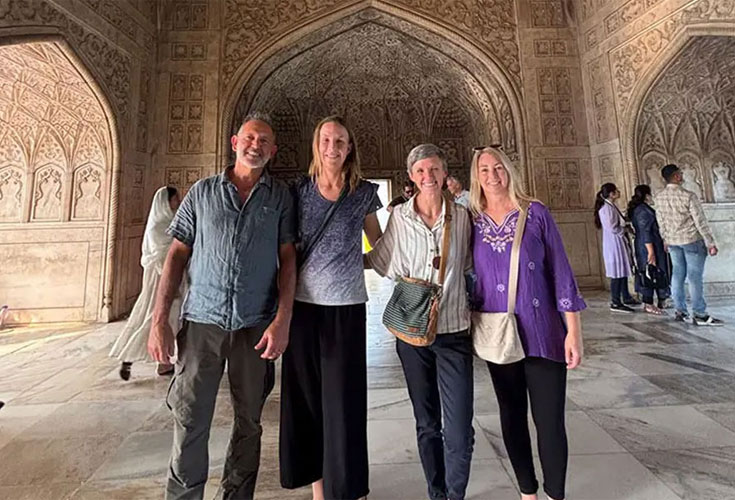 10 Nights / 11 Days
Route Delhi - Agra - Jaipur - Udaipur - Delhi
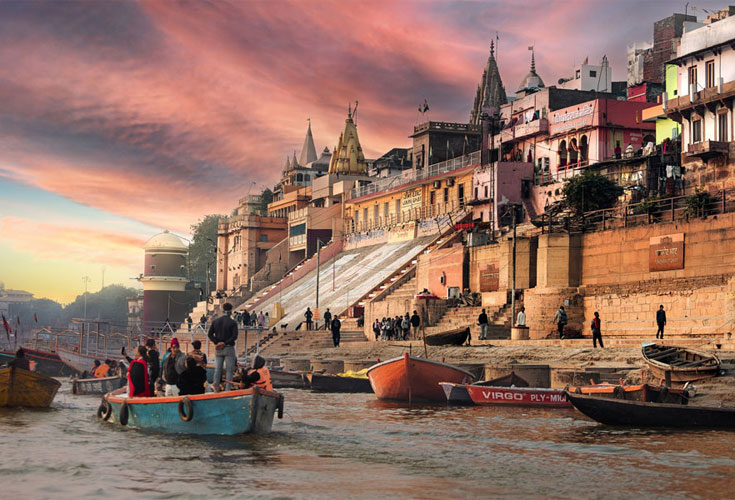 10 Nights / 11 Days
Route Delhi - Varanasi - Agra - Jaipur - Delhi
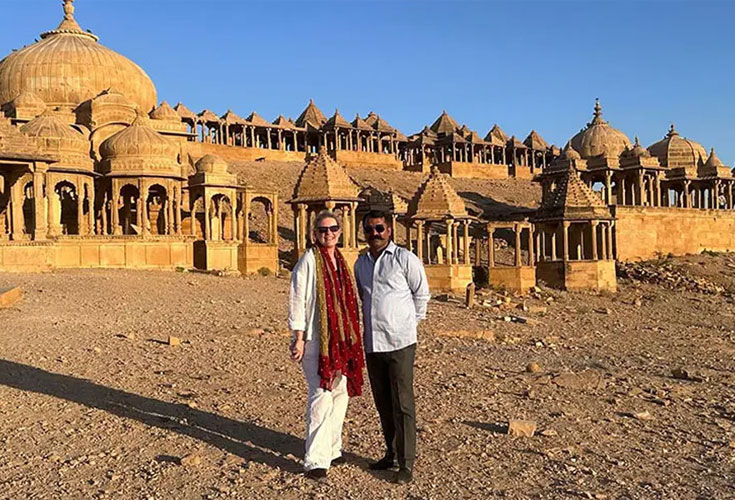 13 Nights / 14 Days
Route Delhi - Agra - Jaipur - Jodhpur - Udaipur - Delhi
Let Us Plan It
Send dates and interests. A written proposal follows within 48 hours.
Start the brief →Ready When You Are
Speak to a curator directly — +91 97990 02277.
WhatsApp A CuratorIndia & Beyond
Chauffeur-driven travel nationwide, by the day or the fortnight.
See the fleet →