
A longer journey through northern India allows the Golden Triangle to become a gateway rather than the entire story. Delhi and Agra establish the Mughal chapter, Jaipur opens the door to Rajasthan, and the route then continues west and south through Jodhpur and Udaipur. Each city brings a distinct architectural language, regional history and pace, creating a journey that develops naturally instead of repeating the same style of sightseeing from one destination to the next.
Arrive in Delhi and complete immigration and baggage formalities before meeting the local representative in the arrivals area. You will be assisted to a private air-conditioned vehicle for the transfer to your hotel. The first day is kept free from formal sightseeing so there is enough time to recover from the international journey. After check-in, settle into your room, freshen up and allow yourself to adjust gradually to the city and the local time.
Delhi is an appropriate first stop because much of northern India’s later history becomes easier to understand once the capital’s many historical layers are placed in context. Medieval dynasties, Mughal emperors, British planners and the modern Indian state have all left visible marks across the city. Over the next two days, your private guide will separate those periods and show how the architecture and urban layout changed over time. This background will become especially useful when you reach Agra and Rajasthan.
The remainder of the day is entirely at leisure. Depending on the time of arrival, you might take a quiet lunch, spend a few hours by the pool, book a spa treatment independently or simply rest. Those arriving in the evening can have dinner at the hotel before retiring early. The trip is long enough that nothing needs to be forced into the arrival day, and beginning well-rested will make the following days far more rewarding.
Overnight: Delhi
After breakfast, meet your private guide and travel toward Old Delhi, where the day begins at Jama Masjid. The mosque stands above the former Mughal city of Shahjahanabad and provides a strong introduction to the scale of imperial Delhi. From here, continue into the dense lanes around ChandniChowk, where shops, religious buildings, old havelis and specialist markets sit within one of the city’s most historic commercial districts. A cycle-rickshaw ride provides a close view of daily street life that would be missed from a car.
Continue past the vicinity of the Red Fort before visiting Raj Ghat, the memorial associated with Mahatma Gandhi. The architectural mood changes as you move into New Delhi, where broad ceremonial avenues replace the enclosed streets of the old city. See India Gate and the principal government district from suitable viewpoints while your guide explains how the 20th-century capital was planned. The contrast between the two halves of the day is one of the clearest ways to understand Delhi’s layered identity.
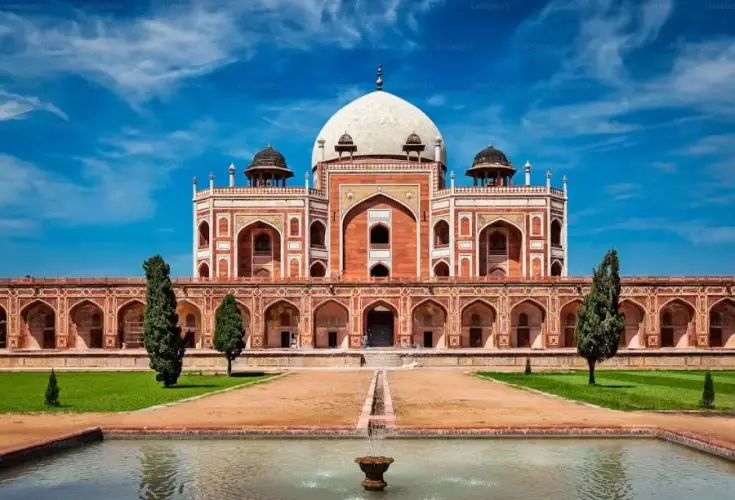
Later, visit Humayun’s Tomb, whose garden setting and balanced Mughal architecture provide important context for what you will see in Agra. The monument is especially valuable on this route because it illustrates architectural ideas that would later be developed on a far more ambitious scale. Return to the hotel in the late afternoon and leave the evening free. Dinner can be enjoyed independently at the hotel or at a suitable restaurant according to your preference.
Overnight: Delhi
Begin the morning with QutubMinar, where the architecture belongs to a very different period from the Mughal monuments seen the previous day. The archaeological complex includes the soaring minaret, early mosque structures, carved stone and architectural fragments that reveal Delhi’s earlier political history. Your guide will explain the site without turning the visit into a lecture, allowing time to observe the craftsmanship and scale of the complex at a comfortable pace.
Afterward, the program can move in a more personal direction. Depending on your interests, time may be spent at a museum, garden, gallery or selected neighborhood that gives a broader picture of contemporary Delhi. Travelers interested in architecture might prefer one type of visit, while those drawn to design, food or art can follow another. A private journey should make room for individual curiosity rather than requiring every traveler to follow exactly the same afternoon.
Return to the hotel later in the day and use the remaining hours to rest before leaving the capital the following morning. You may wish to enjoy the property’s facilities, have a relaxed lunch or spend time at a carefully chosen shopping district. The evening is unstructured. This second Delhi day gives the city more depth and prevents it from becoming a rushed prelude to Agra.
Overnight: Delhi
After breakfast, leave Delhi in your private vehicle and drive toward Agra. The journey provides a natural break after two days of sightseeing, and there is no need for an excessively early departure. On arrival, check into your hotel and pause for lunch before heading out in the afternoon. The TajMahal is intentionally saved for the next morning, when both light and atmosphere are more favorable.
Visit Agra Fort, a vast imperial complex whose red sandstone walls contain palaces, audience halls, courtyards and later marble additions. The fort was shaped by several Mughal emperors, and those layers remain visible in the transition from robust defensive architecture to increasingly refined residential spaces. Your guide will explain the role of the complex within the Mughal court and its connection with the Yamuna River and the TajMahal beyond.
The later afternoon can be kept flexible. Depending on your interests and the pace of the day, you may visit a suitable viewpoint across the river or spend time learning about Agra’s traditions of stone inlay and decorative craftsmanship. Neither option needs to be rushed. Return to the hotel before evening and enjoy dinner at leisure. A relatively early night is sensible because the following morning begins with the TajMahal.
Overnight: Agra
Begin early with the TajMahal, when the softer morning light brings greater definition to the marble surfaces. Walk through the monumental gateway and allow time to appreciate the complete composition rather than focusing only on the central mausoleum. Gardens, waterways, symmetry, calligraphy, carved marble and stone inlay all contribute to the impact of the site. Your private guide will explain the historical context while leaving enough quiet time for you to absorb the monument on your own.
Return to the hotel for breakfast and check out before beginning the drive toward Jaipur. En route, stop at FatehpurSikri, the former Mughal capital created under Emperor Akbar. Its red sandstone palaces, ceremonial spaces, courtyards and gateways form one of the most complete surviving examples of imperial planning from the period. Walking through the site provides a useful final chapter to the Mughal portion of the journey before entering Rajasthan.
Continue toward Jaipur, stopping for lunch or refreshments when appropriate. As the road moves west, the landscape and architectural character gradually begin to change. Arrive in Jaipur in the later afternoon and check into your hotel. The evening is deliberately left free so you can settle in, enjoy the property and prepare for a full day of sightseeing tomorrow.
Overnight: Jaipur
After breakfast, drive toward Amber Fort, dramatically positioned among the hills outside the main city. The approach gives a strong sense of the fort’s defensive location before you enter its sequence of gateways, courtyards and royal apartments. Inside, your guide will explain how the complex developed under different rulers and how public, military and private spaces were organized. Mirror work, carved stone, painted details and carefully framed views reveal the decorative refinement behind the fortress exterior.
On the return toward Jaipur, stop at a suitable viewpoint for JalMahal, the palace set within Man Sagar Lake. Continue into the old city for the City Palace, where ceremonial courtyards, gateways, collections and royal residences form the urban center of Jaipur’s former court. The palace provides a more intimate perspective than Amber, while still reflecting the political status and artistic tastes of the ruling family.
Walk nearby to JantarMantar, where monumental astronomical instruments demonstrate the scientific interests of Jaipur’s founder, Sawai Jai Singh II. End the main sightseeing with a view of HawaMahal, whose façade remains one of the most distinctive features of the historic city. Return to the hotel in the late afternoon and keep the evening free. After a substantial day, there is no need to add another formal activity.
Overnight: Jaipur
Today is intentionally less formal. After breakfast, meet your guide for a closer look at Jaipur’s old neighborhoods and craft traditions. The city remains an important center for gemstones, jewelry, textiles, hand-block printing, pottery and decorative arts. Depending on your interests, carefully selected workshop visits can be arranged where the focus is on technique and materials rather than compulsory purchasing.
Spend time walking through parts of the historic city, where planned streets, market zones, painted façades and small temples create a very different experience from the previous day’s royal monuments. Your guide can adapt the morning toward photography, food, design or architecture. This flexibility is especially valuable because Jaipur rewards attention to smaller details just as much as its grand palaces.
The afternoon is left open for your own use. Return to the hotel for lunch, spend time by the pool, book a spa treatment independently or simply rest. Travelers who would like to continue sightseeing can discuss an additional visit, but there is no obligation to fill the day. This lighter schedule makes the journey feel more balanced before continuing deeper into Rajasthan.
Overnight: Jaipur
After breakfast, check out from the hotel and begin the private drive toward Jodhpur. The road journey is an important part of the route because it reveals how Rajasthan changes beyond the major tourist centers. Landscapes become drier, settlements more dispersed and the architectural character gradually shifts as you move farther west. Stops can be made for refreshments and lunch at suitable points rather than following an overly rigid timetable.
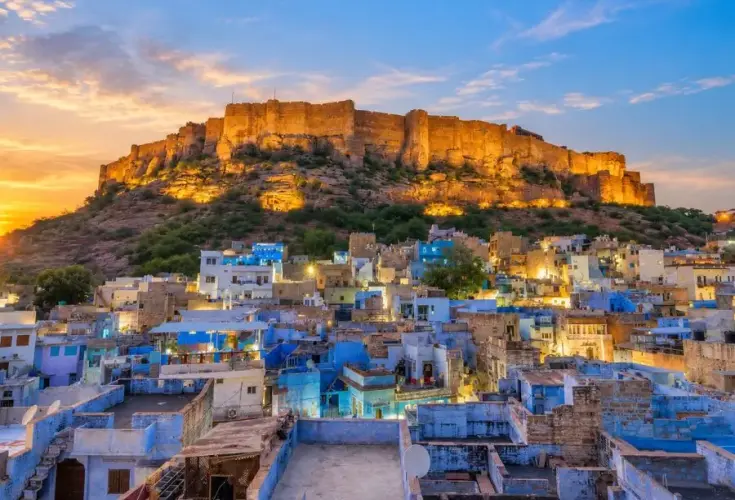
The drive also creates a useful break between two very different Rajasthan cities. Jaipur was founded as a planned royal capital with broad market streets and formal urban geometry, while Jodhpur grew beneath the immense presence of Mehrangarh Fort. As you approach the city, the fort dominates the skyline from its rocky height, immediately establishing a different atmosphere from Jaipur.
Arrive in Jodhpur in the afternoon and check into your hotel. The rest of the day is free to enjoy the property or take a gentle walk nearby if time and energy permit. Those staying in a heritage hotel may prefer to remain on the grounds and enjoy the setting. No major sightseeing is scheduled today, leaving the city’s fort and old quarters for the following morning when you can see them properly.
Overnight: Jodhpur
After breakfast, begin your exploration of Jodhpur at Mehrangarh Fort, rising dramatically from a rocky escarpment above the city. The fort's scale becomes apparent before you even enter, with immense defensive walls following the contours of the hill. Pass through its historic gateways with your private guide and learn how the Rathore rulers developed the complex across several centuries. Marks of military history remain visible along the approach, while the elevated position provides expansive views across Jodhpur and the plains beyond. Unlike the palace-fort architecture already seen in Jaipur, Mehrangarh has a powerful character of its own.
Inside the fort, the emphasis changes from military strength to royal craftsmanship. A succession of courtyards leads toward former residential and ceremonial spaces containing carved stone screens, decorated chambers and collections associated with the Marwar court. Spend time examining the architectural details rather than moving quickly through the complex. Later, continue to JaswantThada, the marble memorial situated near the fort. Its lighter proportions and quieter garden setting provide a striking visual contrast to Mehrangarh's massive sandstone walls and create a natural pause before returning toward the old city.
The afternoon is devoted to Jodhpur at street level. Walk through selected lanes of the old quarter, where many buildings carry the shades of blue that have long been associated with the city. Continue toward the market district around the historic clock tower, observing spice merchants, textile shops, food vendors and everyday neighborhood activity along the way. The walk can be adjusted for photography, architecture or local craftsmanship according to your interests. Return to the hotel later in the afternoon, leaving the evening free to enjoy the property and the changing light over the city.
Overnight: Jodhpur
Today deliberately steps away from Jodhpur's principal sightseeing circuit. After a relaxed breakfast, the morning can be devoted to understanding the wider cultural landscape of the Marwar region. Depending on the final itinerary and your interests, a privately arranged excursion may take you beyond the city into nearby rural communities and agricultural surroundings. The purpose is not to stage a brief "village experience," but to provide informed context for the relationship between Jodhpur and the region it historically governed. Local occupations, landscape and traditional building styles create a perspective quite different from yesterday's royal architecture.
Alternatively, travelers who prefer to remain in Jodhpur can use the morning to investigate the city's design and craft traditions more closely. Textiles, leatherwork, furniture, metalwork and decorative objects have long been connected with the region, and appropriate specialist visits can be arranged according to genuine interest. Another option is to spend more time within the old neighborhoods with a guide, concentrating on architecture and photography rather than major attractions. Because this is a private itinerary, the morning does not need to follow a predetermined commercial shopping route.
Return to the hotel around midday and keep much of the afternoon free. The additional night in Jodhpur has been included specifically so the city does not become a one-fort stop between Jaipur and Udaipur. Enjoy a long lunch, use the hotel's facilities or spend several hours without an appointment. Later, you may choose to return to the old city for the evening atmosphere or remain at the property for dinner. This quieter day also provides a welcome pause before the overland journey toward Udaipur.
Overnight: Jodhpur
Leave Jodhpur after breakfast and begin the private drive south toward Udaipur. Rather than treating the transfer simply as transportation, today's route takes you through a changing Rajasthan landscape as the drier surroundings of Marwar gradually give way to the hills of southern Rajasthan. The drive offers an opportunity to see smaller settlements, agricultural land and countryside between the state's major cities. Your chauffeur will allow sensible comfort stops along the way, keeping the journey relaxed rather than adhering to an unnecessarily rigid road schedule.
En route, visit the celebrated Ranakpur Jain Temple, set among the Aravalli Hills. The temple is particularly notable for the complexity of its carved marble interior, where numerous columns, domes and sculpted surfaces create changing perspectives as you move through the building. Rather than seeing it simply as another religious monument, spend time examining the craftsmanship and spatial planning that distinguish the complex. Appropriate dress and respect for the temple's religious practices are important, and access arrangements will follow the regulations in effect on the day of your visit.
Continue toward Udaipur after the visit, with lunch arranged independently at a suitable point according to timing. The landscape becomes increasingly hilly as you approach the city, signaling another significant change in the journey. On arrival, check into your hotel and take the rest of the day at leisure. If your property overlooks Lake Pichola or occupies a particularly attractive setting, there is good reason to spend the evening there rather than immediately returning to the road. Dinner is at your discretion, with formal Udaipur sightseeing beginning the following morning.
Overnight: Udaipur
After breakfast, meet your private guide and begin at the City Palace, which rises along the eastern edge of Lake Pichola. Unlike the imposing hill forts encountered earlier in Rajasthan, Udaipur's palace complex is closely integrated with the lake and surrounding city. Built and expanded by successive rulers of Mewar, it consists of interconnected courtyards, terraces, balconies, passages and former royal apartments. Your guide will explain the political history of Mewar while drawing attention to the palace's architectural evolution and the ways later additions were incorporated into the older complex.
Continue through selected parts of Udaipur's old city, where the scale becomes more intimate. Narrow streets lead past homes, temples, workshops and small businesses, while glimpses of the lake appear between buildings. Depending on your interests, the walk can include time devoted to the city's traditions of miniature painting and decorative arts. Rather than visiting a succession of commercial outlets, any specialist stops should be chosen for their relevance to the journey. Lunch can then be enjoyed at an appropriate restaurant or back at your hotel, followed by a short period of rest.
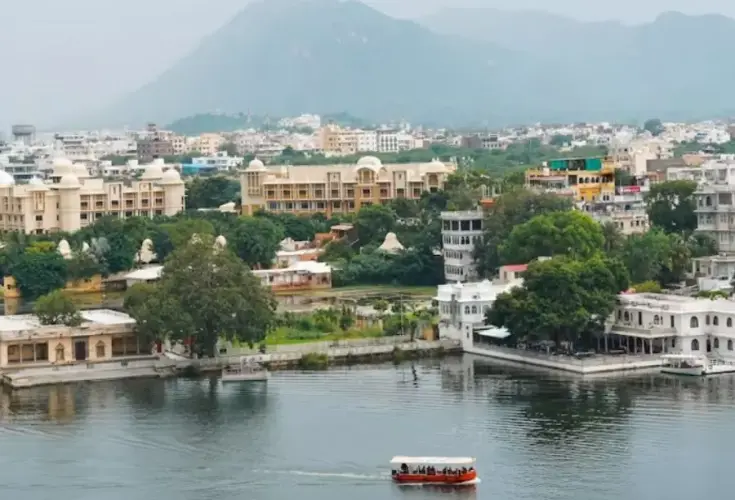
Later in the afternoon, take a boat ride on Lake Pichola, subject to water levels, weather and local operating conditions. Seeing Udaipur from the water reveals how closely the city's architecture relates to its landscape. The City Palace stretches along the shoreline, while island structures, ghats, historic buildings and the Aravalli Hills form changing views around the lake. The later light can be particularly attractive as the stone façades soften in color. Return to the hotel afterward and leave the evening unscheduled for dinner or quiet time overlooking the water.
Overnight: Udaipur
Begin the morning at an easier pace with breakfast at the hotel before continuing your exploration of Udaipur. One possible visit is Saheliyon Ki Bari, a historic garden known for its fountains, pavilions and enclosed green spaces. Its comparatively intimate scale offers a pleasant contrast to the previous day's palace architecture. Your guide can explain the garden's association with the royal household while allowing enough time to appreciate the landscape itself. Depending on your preferences, the morning can also incorporate another carefully selected architectural or cultural stop rather than following a fixed list of attractions.
The middle portion of the day is reserved for an aspect of Udaipur that particularly interests you. Travelers drawn to painting can spend time learning about the fine brushwork and techniques associated with regional miniature art. Those interested in textiles or design can visit an appropriate specialist, while photography-minded guests may prefer additional time around the old city's quieter streets and lakefront areas. A food-related activity or relaxed local lunch can also be considered. The program remains deliberately adaptable because a final day is often more enjoyable when it reflects individual interests rather than another standardized sightseeing sequence.
Keep the afternoon largely free and return to your hotel with plenty of time to enjoy the property. A lakeside terrace, garden, pool or spa can be as worthwhile at this stage of the journey as another monument. Pack at leisure and allow the final hours in Rajasthan to remain unhurried. In the evening, choose a special dinner overlooking the lake or dine privately at your hotel according to preference. Udaipur provides a calm ending to the Rajasthan portion of the trip before tomorrow's return to Delhi.
Overnight: Udaipur
Enjoy breakfast at the hotel before checking out according to the timing of your onward arrangements. A private vehicle will transfer you to Udaipur airport for the scheduled flight to Delhi. The flight schedule and required connection time will be considered carefully when the final itinerary is prepared, particularly if you are connecting with an international departure on the same day. Where available schedules do not provide a sensible connection, an additional night in Delhi can be arranged rather than relying on an unnecessarily tight transfer.
By the final morning, the progression of the journey becomes particularly clear. Delhi introduced several eras of northern Indian history; Agra concentrated on the artistic and political legacy of the Mughal court; Jaipur marked the transition into Rajasthan; Jodhpur revealed the formidable architecture and regional character of Marwar; and Udaipur closed the route amid the lakes and hills of Mewar. Although forts and palaces appear throughout the itinerary, each destination has presented them within a different historical, geographic and cultural setting.
On arrival in Delhi, proceed according to your confirmed flight arrangements or transfer requirements. Guests continuing elsewhere in India can connect with an additional itinerary, while those departing internationally will continue to the appropriate terminal with suitable connection time. Your 14-day Golden Triangle and Rajasthan private tour concludes after a route that has moved well beyond the conventional three-city circuit, giving northern India and Rajasthan the time required to be appreciated as distinct regions rather than a rapid sequence of famous sights.
Meals: Breakfast
Tour Ends: Delhi
What the price includes
What it does not
Starting from
On request
per person · twin share
Get In Touch
No planning fee, no obligation. A curator replies within two hours - or call +91 97990 02277.
 6 Nights / 7 Days
Route Delhi - Agra - Jaipur - Delhi
 8 Nights / 9 Days
Route Delhi - Agra - Jaipur - Delhi
 9 Nights / 10 Days
Route Delhi - Agra - Ranthambore - Jaipur - Delhi
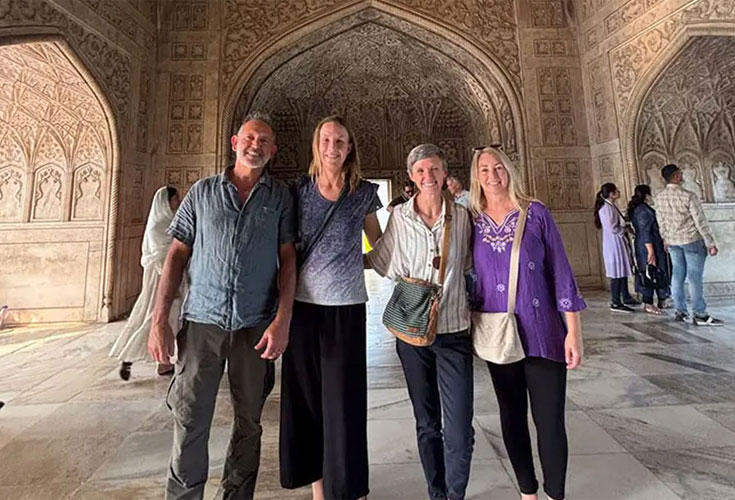 10 Nights / 11 Days
Route Delhi - Agra - Jaipur - Udaipur - Delhi
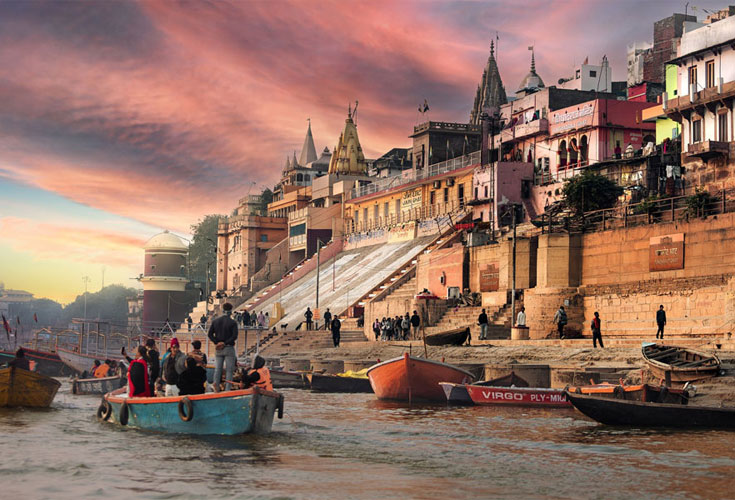 10 Nights / 11 Days
Route Delhi - Varanasi - Agra - Jaipur - Delhi
Let Us Plan It
Send dates and interests. A written proposal follows within 48 hours.
Start the brief →Ready When You Are
Speak to a curator directly — +91 97990 02277.
WhatsApp A CuratorIndia & Beyond
Chauffeur-driven travel nationwide, by the day or the fortnight.
See the fleet →