


Few India itineraries bring together environments as different as the ghats of Varanasi, the marble architecture of Agra and the forests of Ranthambore. The Golden Triangle with Tiger Safari & Varanasi has been structured around precisely these contrasts, extending Delhi, Agra and Jaipur with two destinations that reveal entirely different aspects of the country: one shaped by ancient religious traditions and the other by the wildlife of Rajasthan.
Arrive at Delhi International Airport and complete immigration, baggage collection and customs formalities. A representative will meet you in the arrivals area and accompany you to your private vehicle for the transfer to the hotel. Delhi is more than a convenient international gateway; successive dynasties established capitals in and around the present city, leaving forts, tombs, mosques and urban districts scattered across a vast modern metropolis.
After hotel check-in, the remainder of the day is kept free. No fixed sightseeing is imposed immediately after an international flight, allowing time to rest and adjust to the local time zone. Guests arriving earlier may take a short orientation drive or enjoy the hotel facilities, while evening arrivals can proceed directly to dinner and their rooms without losing any scheduled sightseeing.
Your representative will confirm the arrangements for the following morning and provide any practical assistance required. The evening remains at leisure, with dining either at the hotel or independently according to your preference. A full night in Delhi provides a comfortable start before the itinerary moves through the capital’s historical layers and then east towards Varanasi.
Overnight: Delhi
Begin in Old Delhi, entering the historic area associated with Shahjahanabad, the Mughal city established under Emperor Shah Jahan. Visit Jama Masjid and continue into the busy lanes around Chandni Chowk. The district remains one of Delhi’s great commercial centres, with sections specialising in spices, textiles, jewellery, food and household goods. A cycle-rickshaw ride through selected lanes can provide a closer look at this dense and energetic part of the capital.
Continue to Raj Ghat before driving into New Delhi. The urban scale changes dramatically as narrow streets give way to broad ceremonial avenues and government architecture. Pass India Gate and the principal administrative buildings while your guide explains the creation of the planned capital and its later transformation into the political centre of independent India. The contrast between the two districts is fundamental to understanding modern Delhi.
Later, visit Humayun’s Tomb, whose formal garden setting and architectural composition represent an important stage in Mughal design. Depending on the confirmed schedule and available time, another major monument such as Qutub Minar may also be included. Return to the hotel after the sightseeing, with the evening free to rest before the flight to Varanasi the following day.
Overnight: Delhi
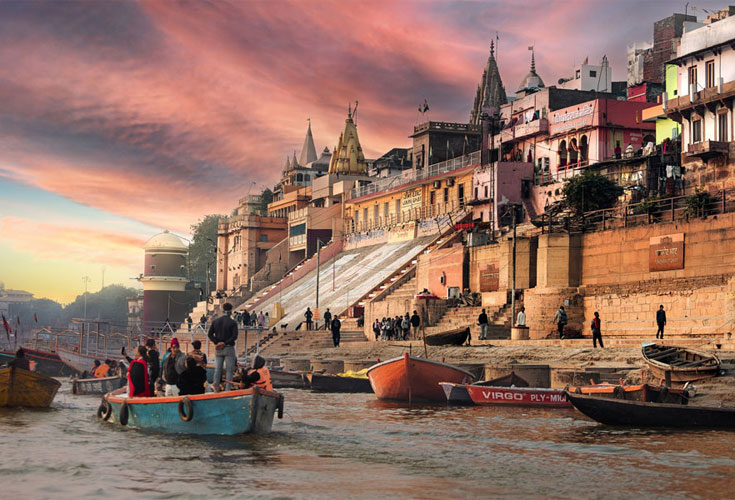
Transfer to Delhi Airport after breakfast for the scheduled flight to Varanasi. On arrival, meet your local representative and drive to the hotel. The atmosphere changes significantly from Delhi: Varanasi is organised around the Ganges and an intricate network of neighbourhoods, temple areas, markets and narrow lanes that have developed over many centuries around the sacred riverfront.
Later in the afternoon, travel towards the old city and continue on foot where vehicle access becomes impractical. The closer you move towards the ghats, the denser the lanes become, with shrines, shops, homes, pilgrims and vendors occupying limited space. Your guide will introduce the religious significance of the Ganges and explain appropriate conduct around temples, ghats and ritual areas before the evening ceremony begins.
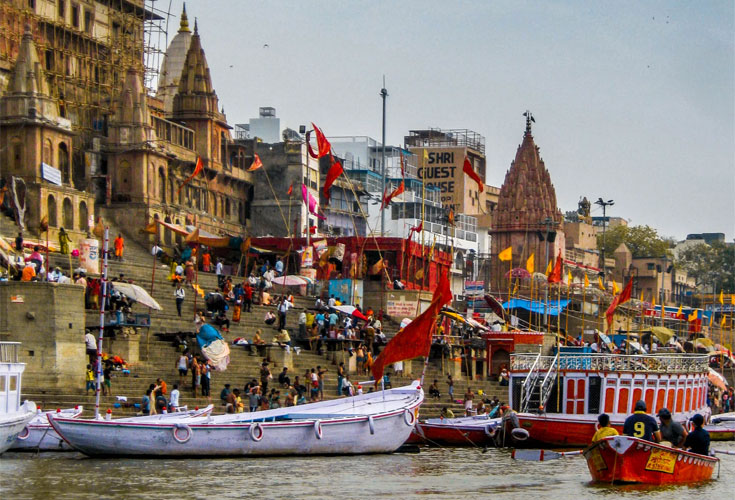
Attend the Ganga Aarti from an appropriate viewing point on or near the river, according to local arrangements and conditions. Priests conduct a coordinated ritual using lamps, incense, bells and Sanskrit chants as crowds gather along the ghats and boats assemble on the water. After the ceremony, return to the hotel through the city’s busy evening streets.
Overnight: Varanasi
Leave the hotel before sunrise and travel to the river for an early-morning boat ride on the Ganges, subject to water levels, weather and safe operating conditions. As daylight develops, observe activity along the ghats: pilgrims enter the river, priests perform rituals, residents begin their routines and boats move slowly along the waterfront. The experience provides a completely different perspective from the previous evening’s ceremony.
After the boat ride, walk through selected sections of the old city with your guide. The maze of lanes contains temples, small shrines, traditional houses, food stalls and shops serving both residents and pilgrims. Certain religious areas may have restrictions on entry or photography, which should always be respected. Return to the hotel for breakfast and some time to rest after the early start.
Later, travel to Sarnath, located outside central Varanasi. Buddhist tradition associates the site with the Buddha’s first teaching after enlightenment, giving it considerable religious and historical importance. Visit the principal archaeological and religious areas according to opening schedules before returning to Varanasi. The evening is left free after a day that has moved from living Hindu ritual on the Ganges to one of Buddhism’s significant historical sites.
Overnight: Varanasi
Begin at a more relaxed hour after the previous day’s sunrise excursion. Today is intended to look beyond Varanasi’s most photographed riverfront scenes. Visit selected neighbourhoods, cultural sites and temple areas that are appropriate for visitors, with the exact programme adjusted around access conditions and personal interests. Your guide can explain how pilgrimage, education, craft traditions and commerce have contributed to the city’s identity.
Varanasi has long been associated with silk weaving and Banarasi textiles, making a carefully selected artisan visit a useful addition to the cultural programme. Where arranged, see aspects of the weaving process and learn about the skill involved in producing intricate patterns. Any purchasing remains entirely optional; the purpose of the visit is to understand a craft tradition closely associated with the city rather than turn the day into a shopping programme.
Keep part of the afternoon free. You may return to the riverfront, spend time at the hotel or revisit an area that particularly interested you. This additional day prevents Varanasi from becoming a single-night stop centred only on the Ganga Aarti. The city is complex and often intense, and allowing time between guided visits makes its religious and everyday character considerably easier to appreciate.
Overnight: Varanasi
After breakfast, check out and begin the transfer from Varanasi towards Agra using the most practical confirmed rail or flight routing available for the travel date. Because schedules can vary, the precise transportation arrangement should be finalised when the tour is booked. Private transfers will be provided between the hotel and the relevant airport or railway station as specified in the final programme.
The journey west moves the itinerary from one of India’s most important pilgrimage centres back into the historical landscape of the Mughal empire. Whereas Varanasi’s character is shaped by living religious practice and the river, Agra is known for formal imperial architecture, planned gardens and monumental complexes. This change in setting is one of the reasons the two destinations work effectively within the same itinerary.
On reaching Agra, meet your local representative and transfer to the hotel. No demanding sightseeing is scheduled if the journey has taken most of the day. Depending on arrival time, a riverside viewpoint of the Taj Mahal may be included before sunset, or you may simply relax at the hotel. The principal Agra monuments are reserved for the following day so they can be visited without rushing.
Overnight: Agra
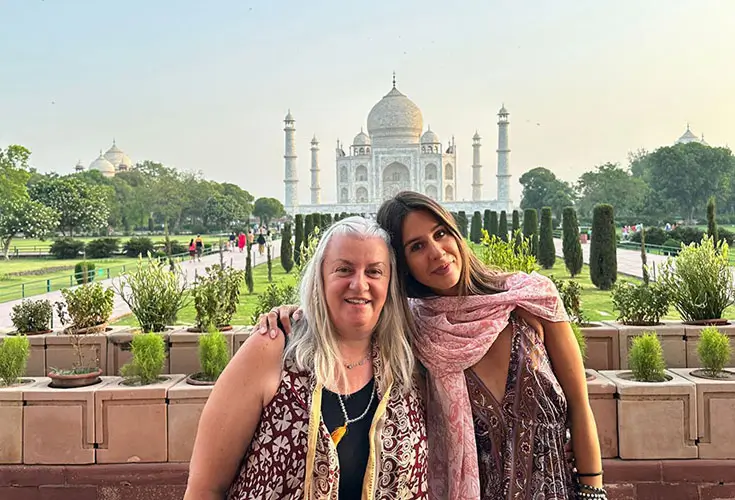
Begin with the Taj Mahal, timed according to the confirmed visiting schedule and opening day. Enter through the monumental gateway and walk into the formal garden, where the white marble mausoleum dominates the central axis. Emperor Shah Jahan commissioned the complex in memory of Mumtaz Mahal, but its architectural importance also rests on the extraordinary integration of symmetry, landscape, calligraphy and decorative stonework.
Move closer to examine the marble carving, calligraphic borders and intricate inlay work created from coloured stones. Your private guide will provide historical context while allowing sufficient time to appreciate the monument independently. The mosque, matching guest pavilion, gardens and river terrace are integral parts of the complex and help demonstrate how carefully the complete site was conceived rather than focusing solely on the central mausoleum.
Later, visit Agra Fort, the fortified palace complex associated with several Mughal emperors. Walk through its gates, courtyards, audience halls and surviving royal apartments while observing the shift from robust red sandstone to more delicate marble architecture. Selected areas offer views towards the Taj Mahal across the Yamuna, creating a visual connection between Agra’s two most important monuments. Return to the hotel after sightseeing.
Overnight: Agra
Leave Agra after breakfast and begin the journey towards Ranthambore, stopping first at Fatehpur Sikri. Constructed under Emperor Akbar, the former capital contains a remarkable collection of red sandstone courtyards, palaces and administrative buildings. Walk through the principal areas with your guide and learn why this ambitious imperial city occupied an important but relatively brief chapter in Mughal history.
Continue into Rajasthan after the visit. Depending on the confirmed transport plan, the journey towards Ranthambore may combine private road travel with the most suitable available rail or other transfer arrangement. The landscape becomes increasingly rural as the route moves away from the major urban centres. Arrival time will depend on the transportation selected for the final programme.
Check into your wildlife lodge or resort near Ranthambore National Park and settle into the quieter surroundings. Your safari arrangements, reporting times and park procedures will be explained before the following day’s game drives. The evening is deliberately free, allowing time to rest after the transfer and prepare for an early start in the forest. Dinner can be taken at the lodge according to the confirmed meal plan.
Overnight: Ranthambore
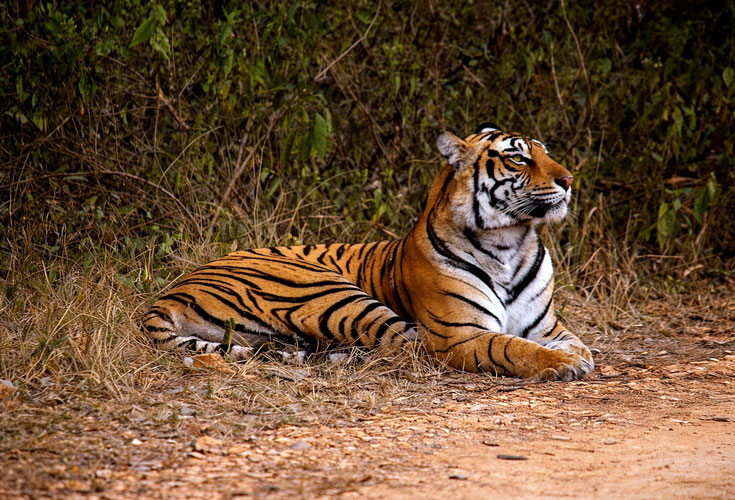
Rise early and prepare for your first Ranthambore tiger safari, entering the national park in an authorised safari vehicle according to the zone and vehicle category allocated through the official booking system. The landscape is remarkably varied, with dry deciduous forest, rocky ridges, open grassland, lakes and old stone structures creating very different habitats within the reserve. Your naturalist or assigned guide will help identify tracks, alarm calls and other signs of wildlife activity.
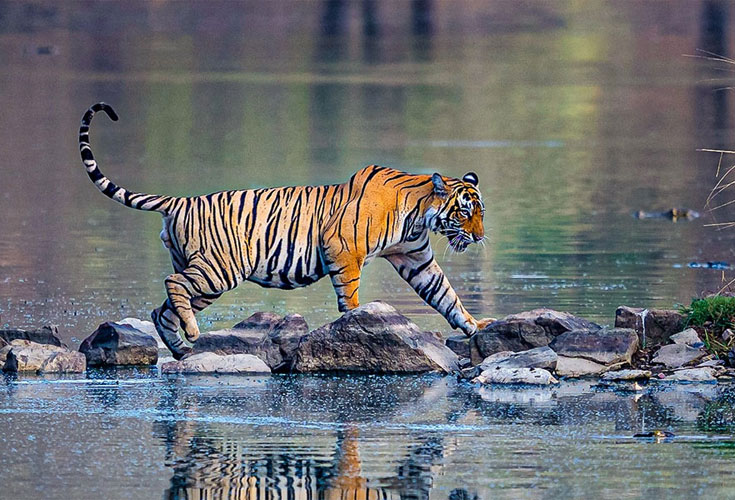
The Bengal tiger is Ranthambore’s best-known resident, but every safari should be approached as a broader wildlife experience rather than a guaranteed tiger sighting. Depending on the zone and conditions, there may be opportunities to see sambar deer, spotted deer, nilgai, wild boar, langurs, crocodiles and numerous bird species. Wildlife movement changes constantly with weather, season, water availability and natural behaviour, so no particular animal can be promised.
Return to the lodge after the morning drive for breakfast and time to rest. Later, depart for a second safari during the afternoon session, entering either the allocated zone or another sector according to the confirmed permit. Changing light and temperature can produce very different conditions from the morning drive. Return to the lodge after leaving the park and spend the evening at leisure over dinner.
Overnight: Ranthambore
Begin with another scheduled safari inside Ranthambore National Park. Multiple game drives improve the overall quality of a wildlife stay because no two visits to the forest are identical. A waterhole that appears quiet one afternoon may be active the following morning, while deer alarm calls or fresh tracks can quickly change the direction and pace of a drive. The experience depends on patience and observation rather than following a predetermined sightseeing route.
Beyond tiger tracking, pay attention to the wider ecosystem. Ranthambore supports predators, herbivores, reptiles and an extensive variety of resident and migratory birds. Lakes and water bodies create particularly productive habitats, while ruined structures scattered through the forest add an unusual historical element to the landscape. Your accompanying naturalist or park guide can help interpret animal behaviour and the relationships between different species encountered during the drive.
Return to the lodge and keep the remainder of the day at a gentler pace unless an additional safari has been specifically booked. Enjoy lunch, relax around the property or spend time discussing the morning’s sightings. Travellers particularly interested in wildlife photography may choose to reserve another park drive in advance, subject to permit availability. The second full night at Ranthambore prevents the wildlife section from becoming a rushed interruption between Agra and Jaipur.
Overnight: Ranthambore
Enjoy breakfast at the lodge before checking out and beginning the private drive towards Jaipur. Leaving the forests around Ranthambore, the road crosses rural Rajasthan through agricultural areas, small towns and villages before approaching the increasingly urban surroundings of the state capital. The change is considerable after several safari sessions, replacing woodland and wildlife tracks with the architecture and commercial energy of one of Rajasthan’s major cities.
Arrive in Jaipur and check into your hotel. The city was established under Maharaja Sawai Jai Singh II and developed according to a carefully organised urban plan. Its historic core is known for broad market streets, distinctive façades, royal buildings and commercial districts associated with jewellery, textiles and traditional crafts. The main monuments are reserved for the following day so they can be visited without compressing them into the afternoon after the drive.
Use the remaining time for a gentle introduction to Jaipur if desired. A short drive through the old city, a visit to an appropriate market or simply an evening at the hotel can be selected according to arrival time and energy levels. Dinner remains flexible, giving you the option of trying regional Rajasthani cuisine or enjoying a quieter meal at the property.
Overnight: Jaipur
Travel outside the old city after breakfast to Amber Fort, dramatically positioned among the Aravalli hills. The former royal seat combines extensive defensive walls with elaborate residential and ceremonial architecture. Enter through its gateways and walk through successive courtyards before reaching palace areas decorated with carved stone, painted surfaces, screened windows and mirror work. Elevated sections also provide broad views across the surrounding hills and Maota Lake.
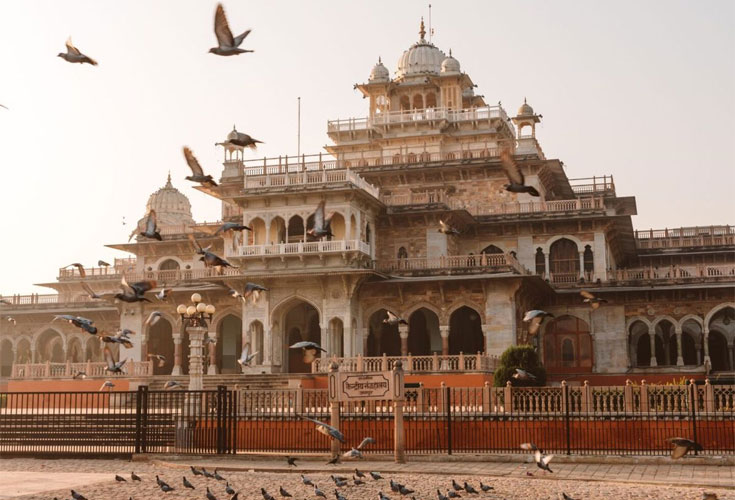
Return to central Jaipur and pause for the exterior view of Hawa Mahal, the famous multi-windowed façade facing the old market street. Continue to City Palace, where ceremonial courtyards, gateways and museum collections provide insight into the history of Jaipur’s royal family. Rather than functioning as an isolated monument, the palace remains closely connected to the historic commercial centre surrounding it.
Finish at Jantar Mantar, where monumental astronomical instruments demonstrate Maharaja Sawai Jai Singh II’s interest in mathematics and celestial observation. Afterwards, spend time in selected market streets if desired. Jaipur is particularly associated with gemstones, jewellery, block-printed textiles and other crafts, though shopping remains optional. Return to the hotel after completing the principal architectural programme of the Pink City.
Overnight: Jaipur
After breakfast, leave Jaipur for the private road journey back to Delhi. The route brings the overland section of the Golden Triangle full circle after Agra, Ranthambore and Rajasthan. Suitable comfort stops can be made during the drive, and arrival time in Delhi will depend on traffic conditions around the National Capital Region.
Check into your hotel on arrival and keep the remainder of the afternoon free. No major sightseeing is necessary after the drive, particularly because Delhi’s principal historical areas were covered at the beginning of the tour. Travellers interested in last-minute shopping can visit a suitable market or retail district, while those who prefer a slower ending can simply relax at the hotel.
The final evening offers time to reflect on the unusually varied character of the itinerary. The sacred riverfront of Varanasi, Mughal monuments of Agra, forests of Ranthambore and fortified architecture of Jaipur have each presented a different aspect of northern India. Enjoy dinner independently or arrange a farewell meal before returning to the hotel for your final night.
Overnight: Delhi
Have breakfast at the hotel according to your international flight schedule. The morning remains flexible rather than adding unnecessary last-minute sightseeing. Guests with an evening flight may have time for independent activities, while those departing early will be transferred directly to the airport. Late check-out can be requested where necessary but remains subject to hotel availability and applicable charges.
At the appropriate time, meet your private chauffeur for the transfer to Delhi International Airport. Departure from the hotel will be planned with sufficient time for city traffic and airline reporting requirements. On reaching the airport, proceed with check-in, immigration and security before boarding your onward flight.
The 14 Days Golden Triangle with Tiger Safari & Varanasi Tour ends after bringing together several distinct sides of northern India within one route. Delhi, Agra and Jaipur provide the architectural foundations of the Golden Triangle; Varanasi adds the rituals and living traditions of the Ganges; and Ranthambore introduces the forests and wildlife of Rajasthan. The result is a broader India itinerary built around history, spirituality, nature and regional character rather than monuments alone.
What the price includes
What it does not
Starting from
On request
per person · twin share
Get In Touch
No planning fee, no obligation. A curator replies within two hours - or call +91 97990 02277.
 12 Nights / 13 Days
Route Delhi - Agra - Jaipur - Jodhpur - Jaisalmer - Delhi
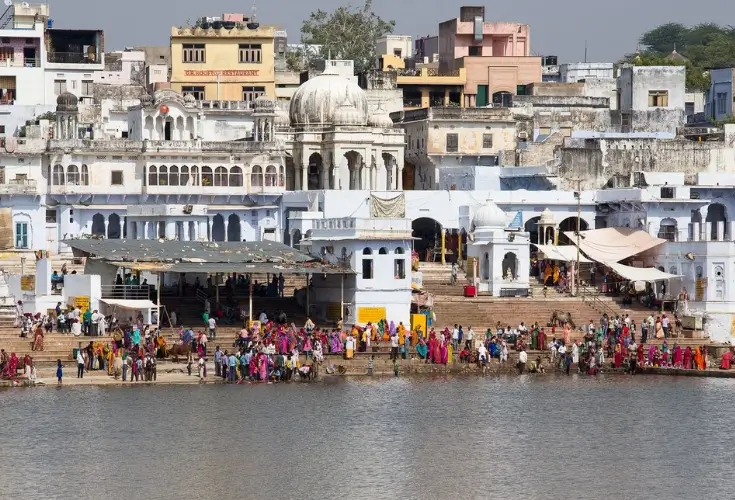 8 Nights / 9 Days
Route Delhi - Agra - Jaipur - Pushkar - Delhi
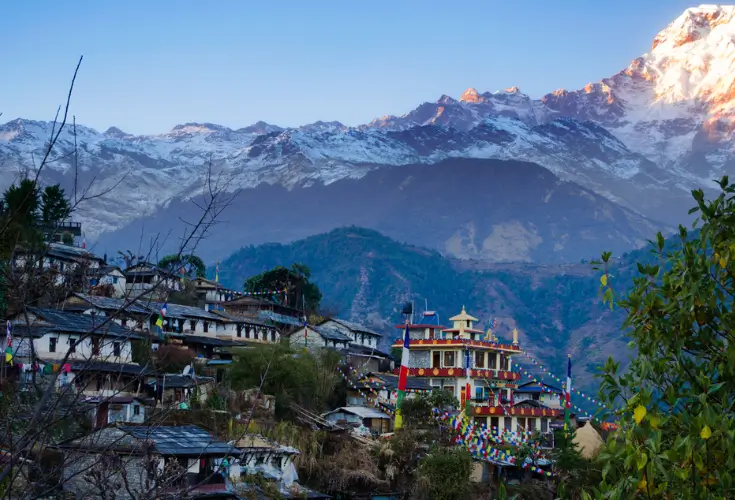 11 Nights / 12 Days
Route Delhi - Agra - Jaipur - Kathmandu - Pokhara
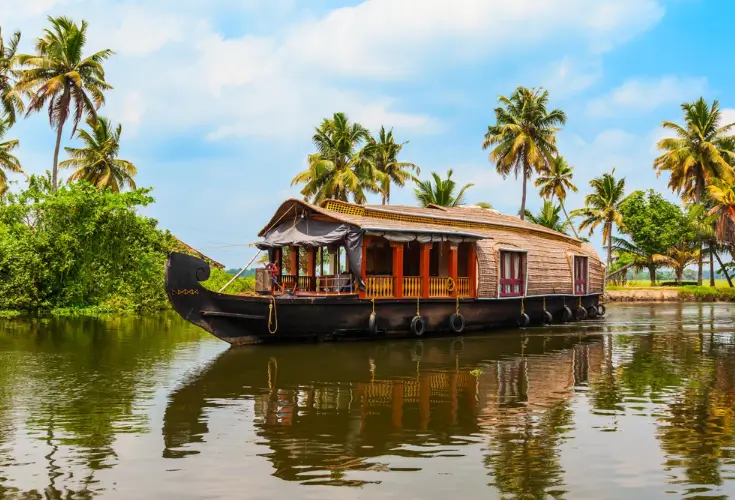 13 Nights / 14 Days
Route Delhi - Agra - Jaipur - Kochi - Munnar - Kumarakom - Alleppey
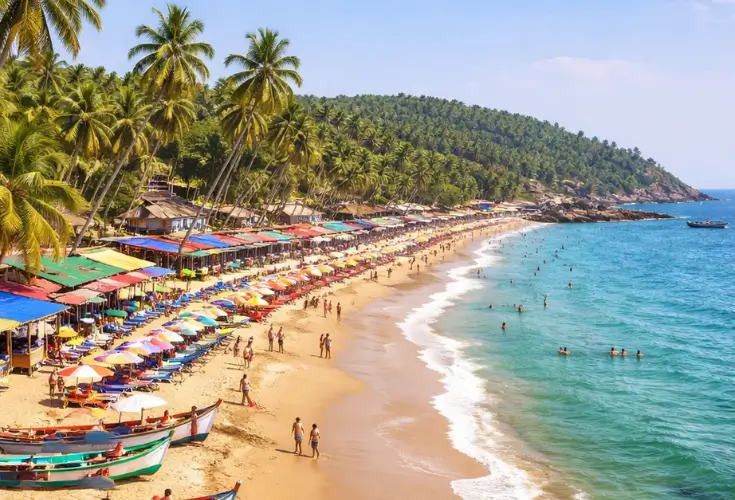 11 Nights / 12 Days
Route Delhi - Agra - Jaipur - Goa
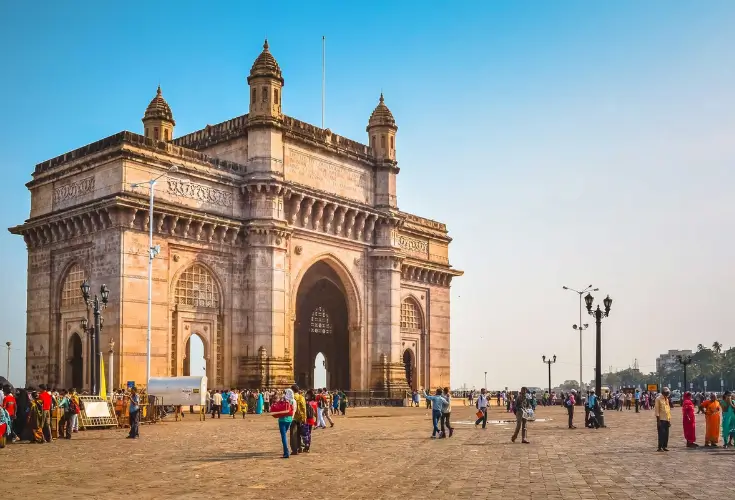 9 Nights / 10 Days
Route Delhi - Agra - Jaipur - Mumbai
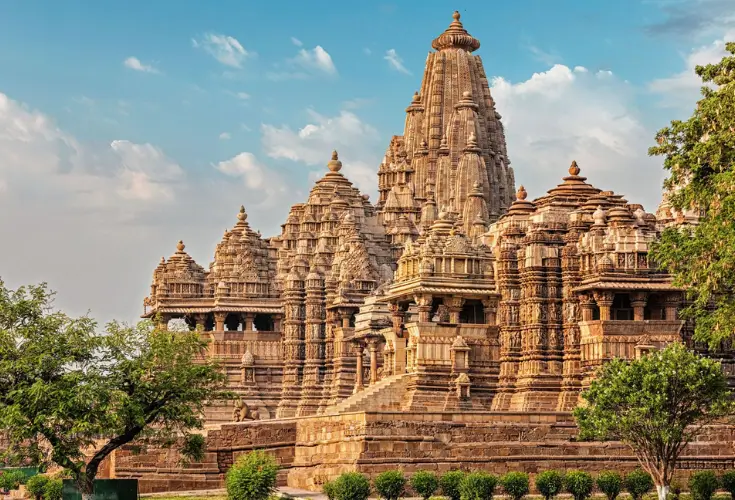 10 Nights / 11 Days
Route Delhi - Jaipur - Agra - Orchha - Khajuraho - Delhi
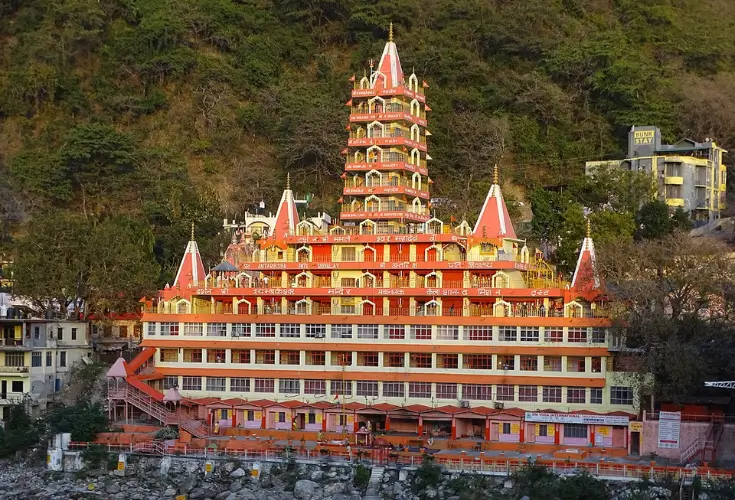 10 Nights / 11 Days
Route Delhi - Haridwar - Rishikesh - Agra - Jaipur - Delhi
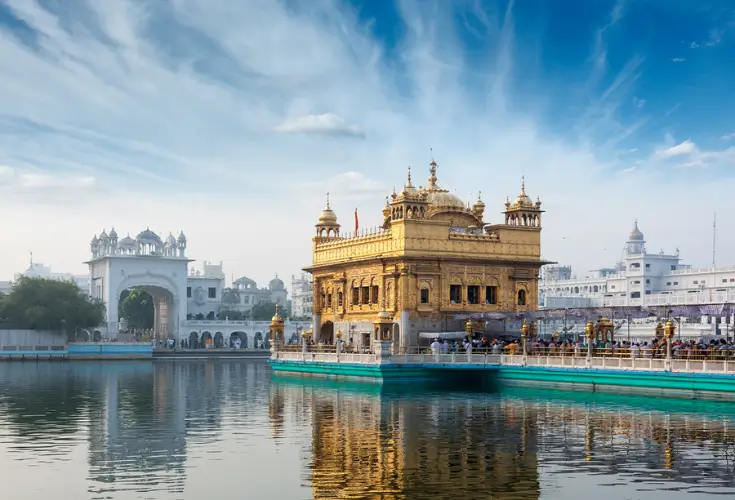 9 Nights / 10 Days
Route Delhi - Amritsar - Agra - Jaipur - Delhi
 6 Nights / 7 Days
Route Delhi - Agra - Jaipur - Delhi
 8 Nights / 9 Days
Route Delhi - Agra - Jaipur - Delhi
 9 Nights / 10 Days
Route Delhi - Agra - Ranthambore - Jaipur - Delhi
 10 Nights / 11 Days
Route Delhi - Agra - Jaipur - Udaipur - Delhi
 10 Nights / 11 Days
Route Delhi - Varanasi - Agra - Jaipur - Delhi
 13 Nights / 14 Days
Route Delhi - Agra - Jaipur - Jodhpur - Udaipur - Delhi
Let Us Plan It
Send dates and interests. A written proposal follows within 48 hours.
Start the brief →Ready When You Are
Speak to a curator directly — +91 97990 02277.
WhatsApp A CuratorIndia & Beyond
Chauffeur-driven travel nationwide, by the day or the fortnight.
See the fleet →