
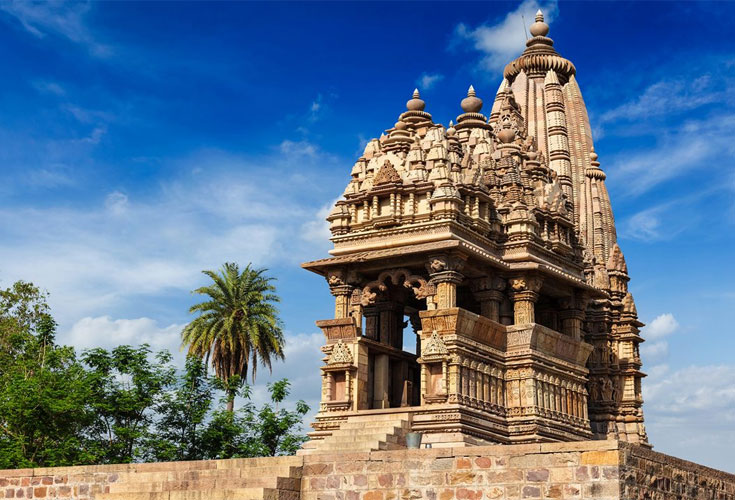
India’s architectural history cannot be understood through the Taj Mahal and Rajasthan’s palaces alone. Beyond the familiar Golden Triangle lies a remarkable trail through central India, where the medieval strongholds of Orchha and the sculpted temples of Khajuraho reveal artistic traditions belonging to an entirely different period. The Golden Triangle with Khajuraho Tour connects these contrasting worlds in an 11-day route through Delhi, Jaipur, Agra, Orchha and Khajuraho.
Land at Delhi International Airport and complete the required immigration, baggage and customs procedures before meeting the local representative in the arrivals area. Continue privately to your hotel and complete check-in. Delhi is not a city belonging to one period: successive rulers established settlements across the region, leaving behind forts, tombs, mosques, religious buildings and planned urban districts that collectively document many centuries of northern Indian history.
No fixed sightseeing is imposed on the arrival day. International travellers may be arriving after an overnight or long-haul flight, so the first hours are reserved for settling in and adjusting to the local time. Guests reaching Delhi earlier in the day can use the hotel facilities, take a short walk in an appropriate neighbourhood or arrange a relaxed orientation drive without committing to a full historical programme.
The evening remains free for dinner and rest. Your chauffeur and local team can assist with restaurant suggestions or practical arrangements for the days ahead. Beginning at a measured pace is particularly useful on this itinerary because the coming days contain a substantial range of monuments, from Mughal tombs and Rajput forts to Bundela palaces and the medieval temples of Khajuraho.
Overnight: Delhi
Start in Old Delhi, where the dense streets surrounding Chandni Chowk preserve the commercial character of the former Mughal capital of Shahjahanabad. Visit Jama Masjid before moving into the market lanes on foot and, where suitable, by cycle rickshaw. Spices, textiles, jewellery, food stalls and places of worship occupy a tightly packed district that functions very differently from the formal avenues of New Delhi. The area provides valuable context for understanding the capital during the later Mughal period.
Continue to Raj Ghat before driving into New Delhi. The change in urban form is immediate: crowded market streets give way to broad avenues and monumental government architecture. Pass India Gate and the principal administrative district, with explanations of how the British-planned capital was laid out and how these spaces function within modern India. Rather than treating the drive as a series of photograph stops, the route is used to show how political power repeatedly reshaped Delhi.
Later, visit Humayun’s Tomb, an important sixteenth-century Mughal monument set within a formal garden. Its proportions, elevated platform and garden layout provide an architectural reference point that becomes particularly relevant when the journey reaches the Taj Mahal. Subject to available time, Qutub Minar can also be incorporated, adding an earlier period of Delhi’s architectural history. Return to the hotel after completing the capital sightseeing.
Overnight: Delhi
Leave Delhi after breakfast in a private chauffeur-driven vehicle and travel southwest towards Jaipur. The road gradually moves away from the National Capital Region and into Rajasthan, where the terrain, architecture and roadside settlements begin to change. Suitable comfort stops can be taken during the drive, and travelling privately allows the departure time to be adjusted according to your preferred pace rather than following a fixed group schedule.
Reach Jaipur and check into the hotel. Founded in the eighteenth century by Maharaja Sawai Jai Singh II, Jaipur was conceived as a planned royal capital with organised streets, markets and neighbourhoods. The historic centre later became associated with its distinctive pink-toned façades, but its importance extends beyond visual identity. Jaipur was a major centre of royal patronage, astronomy, trade, jewellery, textiles and craftsmanship.
Later in the day, take an introductory drive or walk through selected areas of the old city according to arrival time. Seeing the bazaars before the formal monument visits helps place Jaipur’s palaces within the living city around them. Shops dealing in textiles, jewellery and traditional crafts continue commercial traditions for which Jaipur has long been known. Return to the hotel in the evening and prepare for the following day’s full exploration of the former royal capital.
Overnight: Jaipur
Travel after breakfast to Amber Fort, positioned above Maota Lake in the Aravalli hills. The palace-fort was developed by successive Kachwaha rulers and combines strong defensive features with ceremonial courtyards and elaborate private chambers. Enter through the monumental gateways and move through the public and residential areas while your guide explains how the complex functioned when Amber served as the principal royal seat before Jaipur was established.
Within the fort, decorative details reveal a more refined side of Rajput court life. Mirror work, carved stone, painted surfaces, screened windows and carefully arranged courtyards contrast with the imposing exterior walls. From elevated sections of the complex, views extend across the surrounding hills and older defensive structures. The visit provides an important introduction to Rajput architecture before the journey later reaches the very different Bundela palaces of Orchha.
Return to central Jaipur for the City Palace and Jantar Mantar. The palace contains ceremonial spaces and museum collections connected with Jaipur’s rulers, while the neighbouring observatory demonstrates Sawai Jai Singh II’s scientific interests through monumental astronomical instruments. Stop for an exterior view of Hawa Mahal and, if desired, allow time for Jaipur’s markets before returning to the hotel. The day concludes with Rajasthan’s royal history firmly established before the route turns east towards Agra.
Overnight: Jaipur
Depart Jaipur after breakfast and travel towards Agra. During the journey, stop at Fatehpur Sikri, the imperial city constructed under Mughal emperor Akbar. Its red sandstone palaces, administrative buildings and courtyards survive as one of the most coherent architectural ensembles of the Mughal period. The site also provides useful historical context for the relationships between the Mughal court and Rajput ruling houses, a recurring theme across northern India.
Walk through the principal sections of the complex with your guide, including ceremonial spaces and buildings associated with the imperial household. Architectural details show influences drawn from several regional traditions, reflecting the diversity of the empire over which Akbar ruled. The relative emptiness of the former capital today makes it possible to read its original layout with unusual clarity, from formal audience areas to more intimate palace spaces.
Continue by road to Agra and check into your hotel. If arrival time and daylight allow, an optional visit to a viewpoint across the Yamuna can be arranged for the first sight of the Taj Mahal from a distance. Otherwise, spend the evening at leisure. The major Agra monuments are scheduled for the following day so they can be seen without being compressed into the end of a transfer.
Overnight: Agra
Visit the Taj Mahal in the morning, entering through the monumental gateway that frames the first complete view of the marble mausoleum. Emperor Shah Jahan commissioned the complex following the death of Mumtaz Mahal, and its design brought together architecture, garden planning, calligraphy, stone carving and decorative inlay on an exceptional scale. Although instantly recognisable from photographs, the monument’s visual effect depends heavily on proportion and spatial progression, details that are far more apparent when walking through the complex.
Take time to examine the marble surfaces and pietra dura decoration rather than limiting the visit to the principal photographic viewpoints. Calligraphic inscriptions, floral motifs and carefully calculated symmetry demonstrate the technical sophistication of the craftsmen involved in the project. Your guide will explain the monument’s historical context and architectural features while leaving sufficient time for independent observation. The mosque, guest pavilion, gardens and riverfront setting are integral parts of the composition and deserve attention alongside the central mausoleum.
Continue to Agra Fort, where several generations of Mughal history are concentrated behind immense red sandstone walls. Akbar transformed the site into an imperial stronghold, while later emperors introduced increasingly refined palace architecture. Walk through audience halls, courtyards and royal apartments, some offering views across the Yamuna towards the Taj Mahal. After the fort, the remainder of the day can be used to see traditional marble inlay work or simply return to the hotel for a quieter evening.
Overnight: Agra
After breakfast, leave Agra and continue towards Orchha. Depending on the final operational arrangements, this sector may combine rail and road travel or be undertaken using the most suitable private transportation available for the confirmed itinerary. As the journey moves into Madhya Pradesh, the architectural emphasis changes significantly. The grand imperial cities of Delhi and Agra give way to the smaller historic centres of Bundelkhand, a region with its own dynastic and cultural identity.
Arrive in Orchha and transfer to your hotel. Established by the Bundela rulers in the sixteenth century, the town occupies a striking position beside the Betwa River. Large palaces and temples rise above a settlement that remains far smaller and quieter than Jaipur or Agra. This difference in scale is part of Orchha’s appeal: monumental architecture can be viewed in relation to the river, surrounding countryside and everyday life of the town rather than through the density of a major urban centre.
Later, take a gentle orientation around the riverside and old settlement. One of Orchha’s defining views is formed by its royal cenotaphs, or chhatris, standing near the Betwa. Built in memory of former rulers, their tall profiles create a distinctive silhouette against the riverbank. As evening approaches, the changing light around the temples, palaces and water provides excellent conditions for photography. Return to the hotel after an intentionally unhurried introduction to Bundelkhand.
Overnight: Orchha
Devote the morning to the Orchha Fort Complex, reached across the river and containing some of the town’s most important palaces. Visit Jahangir Mahal, an imposing multi-storeyed structure commissioned during the Bundela period and associated with Mughal emperor Jahangir’s visit. Its symmetrical courtyards, domed pavilions, projecting balconies and elevated viewpoints illustrate an architectural vocabulary distinct from both Jaipur’s Rajput palaces and the Mughal monuments encountered earlier.
Continue through Raj Mahal, where surviving murals and painted interiors provide another perspective on Bundela patronage. The paintings draw on religious narratives and courtly themes, while the comparatively restrained exterior gives little indication of the decoration within. Your guide can explain the political position of Orchha’s rulers and their often complicated relationship with the Mughal Empire, placing the buildings within the broader history already encountered in Delhi and Agra.
Later, visit selected temples and return to the riverside cenotaphs. Depending on current access and personal interest, the programme may include Chaturbhuj Temple and the area surrounding Ram Raja Temple. Allow some unscheduled time to walk through the town, photograph the Betwa River or simply appreciate Orchha’s slower pace. The evening remains free, giving this smaller heritage destination sufficient attention before continuing to Khajuraho the following day.
Overnight: Orchha
Leave Orchha after breakfast and travel by road towards Khajuraho. The drive crosses the landscapes of northern Madhya Pradesh, passing agricultural areas, small towns and rural settlements that provide a different view of India from the major cities earlier in the tour. The road journey is not simply a transfer between monuments; it also reveals the geographical setting in which the medieval kingdoms of central India developed.
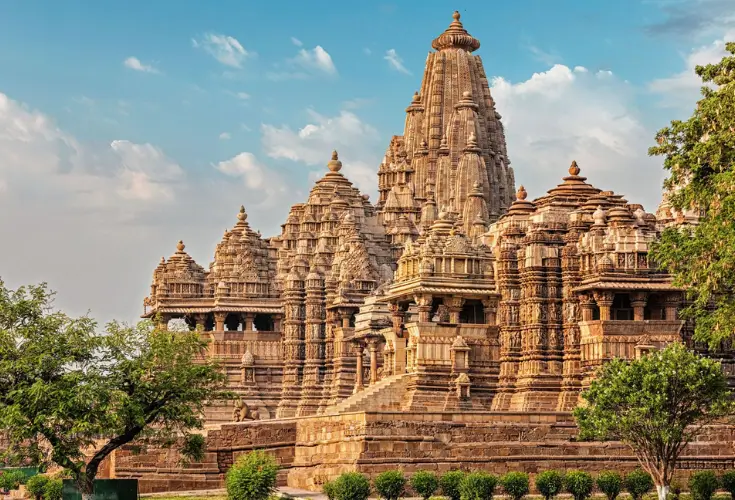
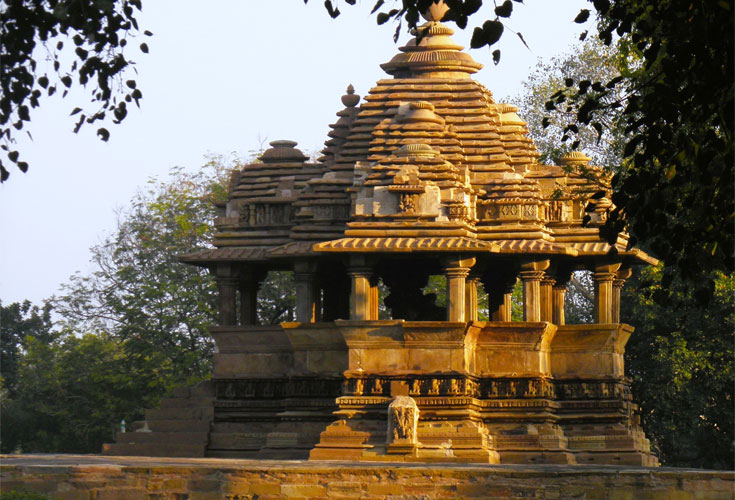
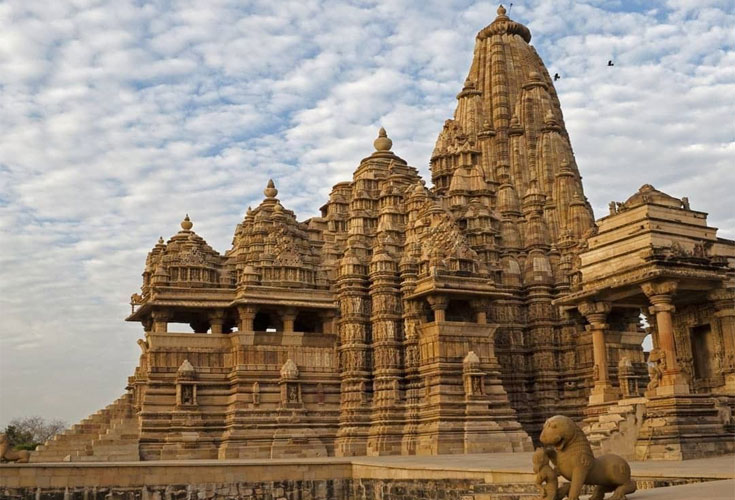
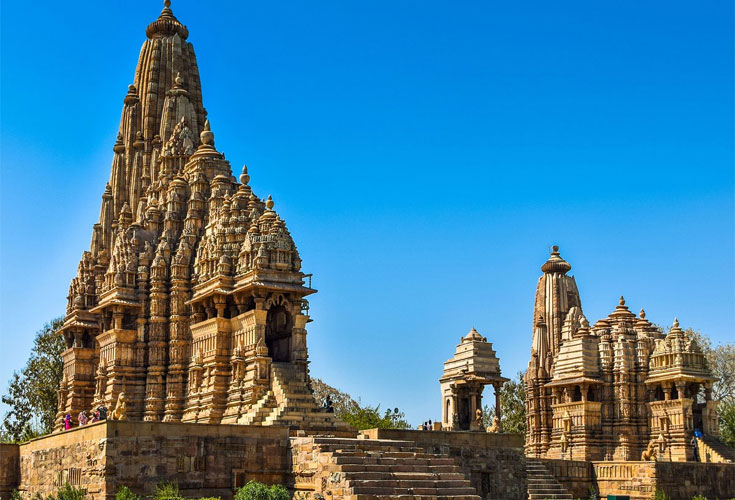
Arrive in Khajuraho and check into the hotel. The town is internationally associated with its temple sculpture, yet the surviving monuments represent only part of what was once a much larger religious landscape. Most of the temples were constructed between the tenth and twelfth centuries under the Chandela rulers. Their architecture belongs to the Nagara tradition of northern Indian temple design, characterised by soaring towers and highly articulated exterior surfaces.
Later, depending on arrival time, take an introductory visit around the town or keep the afternoon at leisure before the principal temple sightseeing the following morning. Your guide can provide background on the Chandela dynasty and explain why Khajuraho’s artistic reputation should not be reduced solely to its famous erotic imagery. The evening offers a quieter interval before a detailed examination of the temple groups on Day 10.
Overnight: Khajuraho
Begin with the Western Group of Khajuraho Temples, the best-known and most architecturally significant concentration of monuments at the site. Walk through the landscaped complex while examining temples such as Kandariya Mahadeva, Lakshmana and other major structures according to the sightseeing programme. Their rising rooflines create a mountain-like silhouette, while almost every exterior surface carries carefully organised bands of sculpture.
Look beyond the small proportion of erotic imagery for which Khajuraho became famous abroad. The carvings depict gods and goddesses, celestial beings, musicians, warriors, dancers, animals, mythical creatures and numerous aspects of courtly and everyday existence. Their placement forms part of a sophisticated architectural programme rather than random decoration. A knowledgeable guide is particularly valuable here, helping distinguish religious symbolism, stylistic conventions and historical context without sensationalising one category of sculpture.
Later, continue to selected temples in the Eastern Group, where Jain monuments add another dimension to Khajuraho’s religious history. The different temple clusters demonstrate that the area supported multiple traditions during the Chandela period. Spend the remainder of the day at leisure or return to selected viewpoints for photography in softer light. This full day ensures Khajuraho is treated as a major heritage destination in its own right rather than as a brief extension after the Golden Triangle.
Overnight: Khajuraho
After breakfast, check out from the hotel and transfer according to the confirmed onward connection for Delhi. Depending on flight schedules and operating conditions, the Khajuraho–Delhi sector will be arranged using the most practical available air or connecting transportation option. The departure timing will be coordinated with the international flight plan where possible, with an additional Delhi overnight recommended when airline schedules require a safer connection.
The return journey provides a clear contrast with the route’s opening days. Delhi, Jaipur and Agra presented the monumental capitals of powerful northern Indian states and empires; Orchha and Khajuraho revealed regional dynasties whose architecture developed on a different scale and according to different religious and artistic priorities. Bringing these destinations together creates a much broader account of Indian architectural history than a conventional three-city itinerary.
The 11 Days Golden Triangle with Khajuraho Tour concludes after travelling from Mughal and Rajput centres into the medieval heritage of Bundelkhand and the Chandela kingdom. Guests wishing to continue their India journey can connect the itinerary with Varanasi, a wildlife reserve, Mumbai or another region according to their onward travel plans. Transfer and departure arrangements will be provided according to the final confirmed programme.
What the price includes
What it does not
Starting from
On request
per person · twin share
Get In Touch
No planning fee, no obligation. A curator replies within two hours - or call +91 97990 02277.
 13 Nights / 14 Days
Route Delhi - Varanasi - Agra - Ranthambore - Jaipur - Delhi
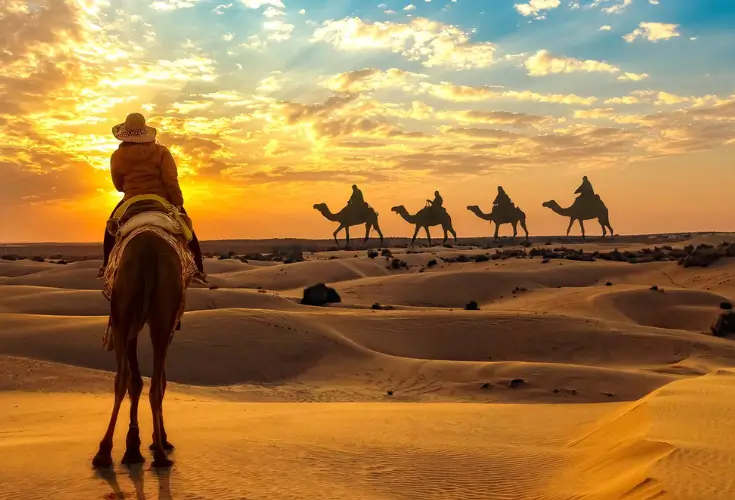 12 Nights / 13 Days
Route Delhi - Agra - Jaipur - Jodhpur - Jaisalmer - Delhi
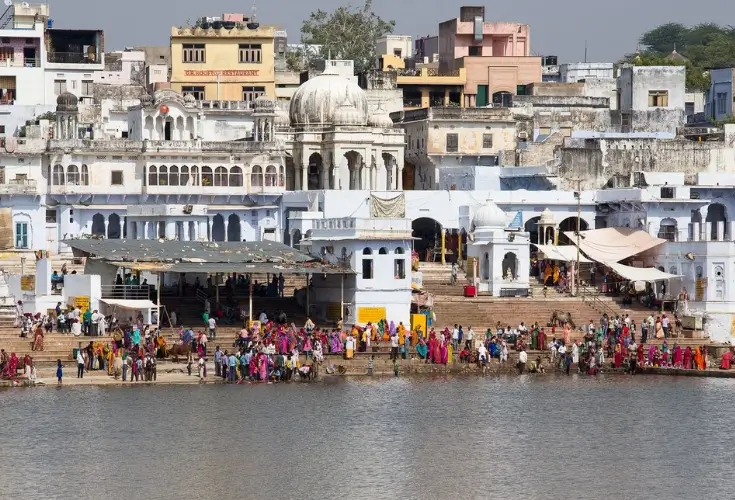 8 Nights / 9 Days
Route Delhi - Agra - Jaipur - Pushkar - Delhi
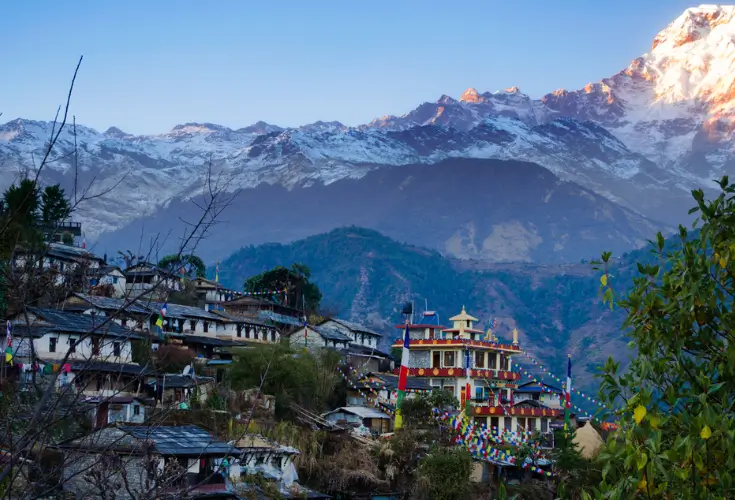 11 Nights / 12 Days
Route Delhi - Agra - Jaipur - Kathmandu - Pokhara
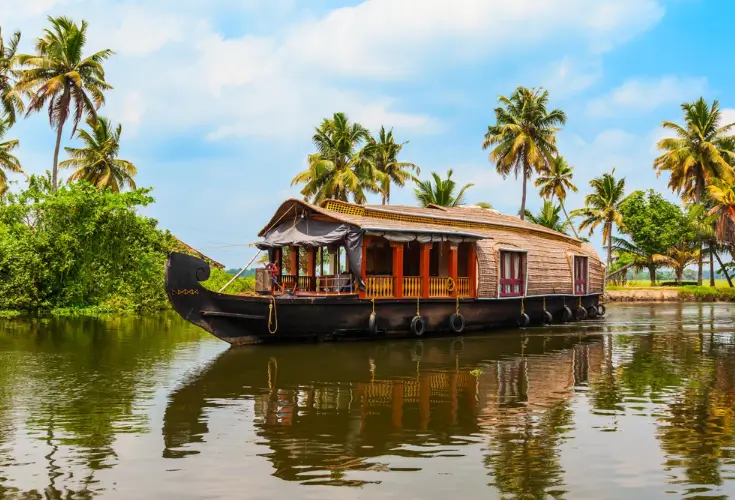 13 Nights / 14 Days
Route Delhi - Agra - Jaipur - Kochi - Munnar - Kumarakom - Alleppey
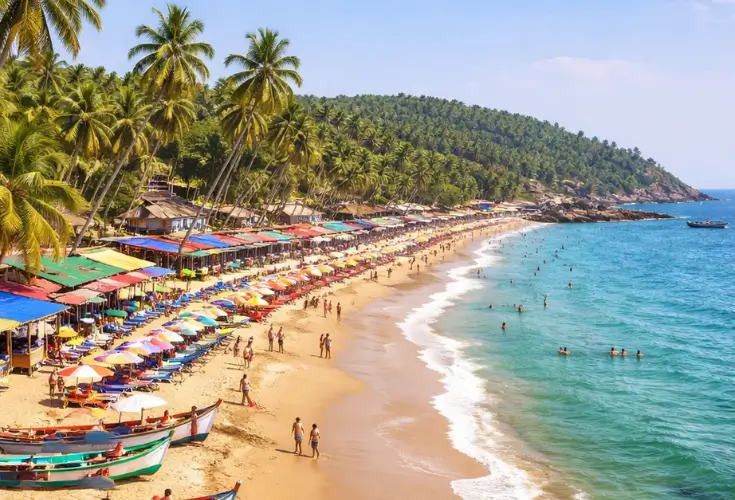 11 Nights / 12 Days
Route Delhi - Agra - Jaipur - Goa
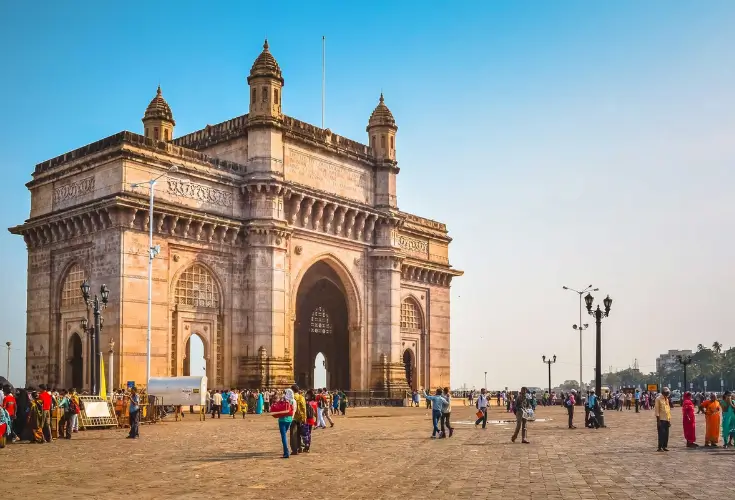 9 Nights / 10 Days
Route Delhi - Agra - Jaipur - Mumbai
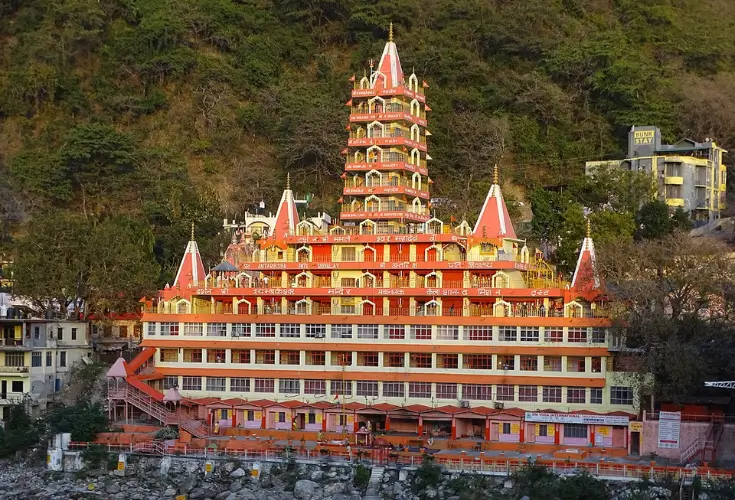 10 Nights / 11 Days
Route Delhi - Haridwar - Rishikesh - Agra - Jaipur - Delhi
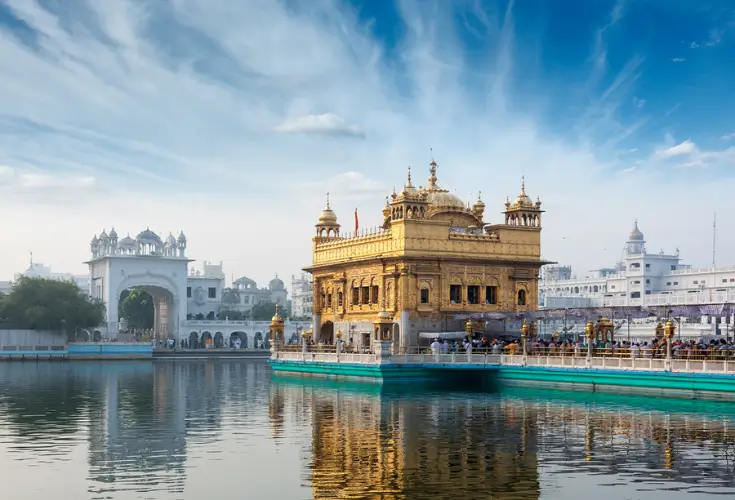 9 Nights / 10 Days
Route Delhi - Amritsar - Agra - Jaipur - Delhi
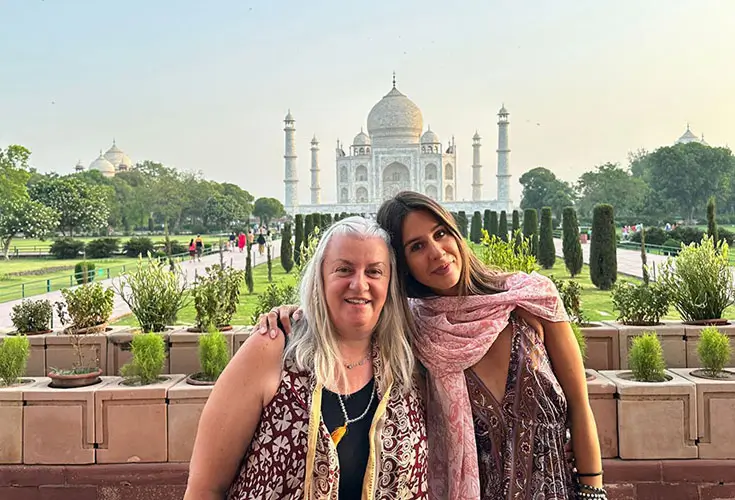 6 Nights / 7 Days
Route Delhi - Agra - Jaipur - Delhi
 8 Nights / 9 Days
Route Delhi - Agra - Jaipur - Delhi
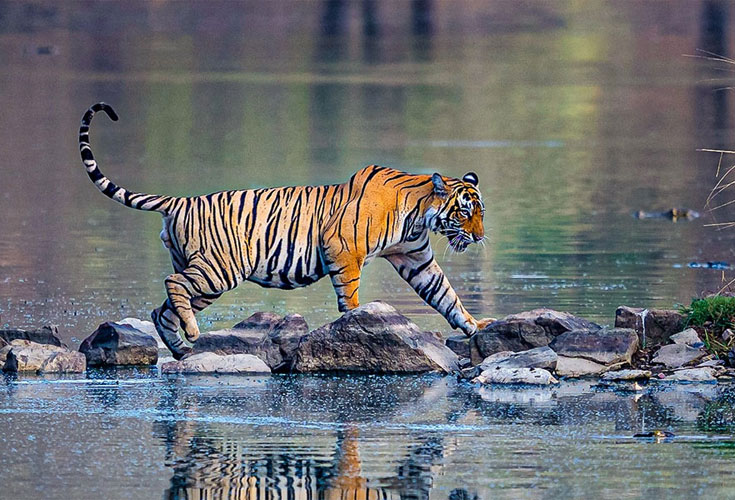 9 Nights / 10 Days
Route Delhi - Agra - Ranthambore - Jaipur - Delhi
 10 Nights / 11 Days
Route Delhi - Agra - Jaipur - Udaipur - Delhi
 10 Nights / 11 Days
Route Delhi - Varanasi - Agra - Jaipur - Delhi
 13 Nights / 14 Days
Route Delhi - Agra - Jaipur - Jodhpur - Udaipur - Delhi
Let Us Plan It
Send dates and interests. A written proposal follows within 48 hours.
Start the brief →Ready When You Are
Speak to a curator directly — +91 97990 02277.
WhatsApp A CuratorIndia & Beyond
Chauffeur-driven travel nationwide, by the day or the fortnight.
See the fleet →