
Four cities tell four very different stories of India on this carefully structured journey from the northern plains to the Arabian Sea. The Golden Triangle with Mumbai Tour begins among Delhi’s historic quarters and imperial avenues, continues to the Mughal architecture of Agra and the royal strongholds of Jaipur, then finishes in Mumbai—a city shaped by maritime trade, colonial architecture, migration, cinema, commerce and the relentless energy of India’s western coast.
Arrive at Delhi International Airport, complete immigration and customs formalities, and meet your representative outside the arrivals area. Your private transfer then takes you to the hotel through one of the largest metropolitan regions in South Asia. Even on the first drive, Delhi’s contrasts are visible in its elevated roads, residential districts, tree-lined avenues, crowded commercial areas and occasional historic monuments standing amid the modern city.
After hotel check-in, the remainder of the day is kept free from compulsory sightseeing. International arrival times vary considerably, and a demanding monument programme immediately after a long-haul flight rarely improves a journey. Use these first hours to rest, adjust to the local time and become accustomed to the climate. Travellers arriving early may request a light orientation drive or spend some time in an appropriate neighbourhood near the hotel.
Dinner can be taken at the hotel or at a recommended restaurant according to your energy level and arrival time. Your local team will also confirm the practical arrangements for the following morning. The first night in Delhi is designed as a comfortable introduction before the itinerary moves into the capital’s historical layers in detail.
Overnight: Delhi
Begin in the old Mughal quarter with a visit to Jama Masjid, one of the largest historic mosques in India. From its surroundings, continue into Chandni Chowk, where narrow lanes remain organised around specialised trades, food stalls, places of worship and traditional businesses. A cycle-rickshaw ride through selected sections can be arranged, giving a street-level perspective of Old Delhi that is difficult to obtain from a car.
Continue past the Red Fort area and visit Raj Ghat, the memorial to Mahatma Gandhi. Afterwards, drive into New Delhi, where the urban scale changes dramatically. Broad ceremonial roads and monumental government buildings replaced the dense pattern of the old city when the British developed their imperial capital. See India Gate and the principal government district while your guide explains the political transition from colonial New Delhi to the capital of independent India.
The afternoon turns to earlier Mughal architecture at Humayun’s Tomb, set within a formal garden and recognised as one of the architectural precedents for the later Taj Mahal. Depending on available time and the pace of the day, Qutub Minar may also be included. Return to the hotel in the evening having covered several distinct periods of Delhi rather than treating the capital as a single historical entity.
Overnight: Delhi
After breakfast, leave Delhi by private vehicle and travel south towards Agra. Modern expressways make the journey considerably more comfortable than in the past, while the drive still offers glimpses of the densely cultivated northern plains beyond the urban region. Comfort stops can be made when required, and the private arrangement means the day does not depend on the schedule of a larger tour group.
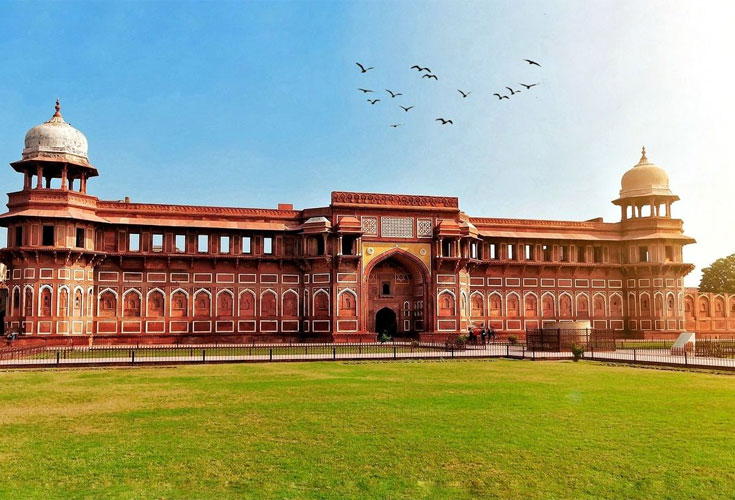
Reach Agra and check into your hotel before beginning the main sightseeing programme. Visit Agra Fort, whose massive red sandstone walls enclose a succession of palaces, audience halls and private royal spaces. The fort developed under several Mughal emperors and was both a military stronghold and an imperial residence. Its architecture provides an essential introduction to the dynasty responsible for the Taj Mahal.
Later in the afternoon, visit a viewpoint across the Yamuna River, subject to timing and local conditions. From this side of the river, the Taj Mahal can be seen within its broader landscape, including the relationship between the mausoleum, river and formal garden. Return to the hotel before evening. The principal Taj Mahal visit is deliberately reserved for the next morning, avoiding the need to hurry through India’s best-known monument after the drive from Delhi.
Overnight: Agra
Begin early at the Taj Mahal, approaching the monument through its monumental entrance gateway. The white marble mausoleum was commissioned by Shah Jahan for Mumtaz Mahal and represents the culmination of several architectural traditions developed under earlier Mughal rulers. Its balanced proportions are only one aspect of the design; carved marble, calligraphy, floral motifs and semi-precious stone inlay reveal extraordinary craftsmanship at close range.
Spend sufficient time within the complex to see more than its principal photographic viewpoints. Walk through the formal garden, study the changing perspective of the mausoleum and view the accompanying mosque and guest pavilion. Your private guide can explain the history of the complex and its architectural details without forcing the visit into a rigid group schedule. Afterwards, return to the hotel for breakfast when the visit has been arranged before breakfast, then prepare for departure.
Drive towards Jaipur, stopping en route at Fatehpur Sikri. Emperor Akbar established this red sandstone city as his imperial capital, and its surviving courtyards, palaces and audience halls remain remarkably intact. After touring the principal sections, continue across the border into Rajasthan and reach Jaipur by evening. Check into your hotel and spend the rest of the day at leisure.
Overnight: Jaipur
Travel into the Aravalli hills after breakfast for Amber Fort, the former seat of Jaipur’s Kachwaha rulers. The approach reveals defensive walls running along the surrounding ridges, while the interior gradually changes from military gateways to elegant royal courtyards and private apartments. Walk through the principal sections with your guide and see decorative mirror work, carved stone, painted surfaces and screened spaces once used by members of the royal household.
Return to the historic centre and pause for a view of Hawa Mahal. Its famous façade was designed with numerous small openings overlooking one of the old city’s main streets. Continue to the City Palace, where courtyards, gateways and museum collections document Jaipur’s royal history. Textiles, arms, paintings and ceremonial objects provide a more intimate view of court life than the monumental architecture alone.
Nearby, visit Jantar Mantar, the astronomical observatory commissioned by Maharaja Sawai Jai Singh II. Its enormous instruments were designed for precise astronomical calculations and remain among Jaipur’s most distinctive achievements. Later, time can be set aside for the city’s markets, jewellery traditions, textiles or block printing according to personal interest. Return to the hotel for the evening after a full day within Rajasthan’s capital.
Overnight: Jaipur
After several consecutive days centred on major monuments, today allows Jaipur to be seen at a more measured pace. Begin with a visit to selected neighbourhoods or craft workshops where artisans continue traditions associated with hand-block printing, textiles, jewellery or other Rajasthan crafts. The exact programme can be tailored according to interest and availability, avoiding the rushed commercial stops commonly inserted into standard group tours.
There is also time to see another aspect of Jaipur beyond its major royal monuments. Depending on the confirmed programme, this could include a heritage walk through the old city, a market visit, a culinary activity or an additional architectural site. Jaipur rewards time spent away from its headline monuments because its historic bazaars and residential quarters remain closely connected to the trades that helped the planned capital prosper.
The latter part of the day remains flexible. Guests may return to the hotel, enjoy afternoon tea, arrange a spa treatment or spend additional time shopping with the assistance of the local team. This slower day also prevents the itinerary from becoming a continuous sequence of long drives and sightseeing appointments. In the evening, enjoy your final night in Rajasthan before flying to India’s western coast.
Overnight: Jaipur
After breakfast, transfer privately to Jaipur Airport for your flight to Mumbai. Flying avoids an unnecessarily long overland journey and creates one of the most dramatic transitions in the itinerary. Within a relatively short period, the dry landscapes and royal architecture of Rajasthan are replaced by the humid coastal environment, dense skyline and intense urban movement of India’s largest commercial centres.
On arrival at Mumbai Airport, meet the local representative and transfer to your hotel. The journey through the city provides an initial impression of Mumbai’s enormous scale. Modern business districts, residential towers, older neighbourhoods, roadside commerce and infrastructure appear in rapid succession. Mumbai developed through the joining of islands and the growth of a major port, and its relationship with the sea remains central to the city’s identity.
The remainder of the day is intentionally light after the flight and airport procedures. Depending on hotel location and arrival time, take an evening walk along an appropriate waterfront area or simply relax at the property. Guests staying in South Mumbai may have easy access to some of the city’s historic districts, while other hotel locations provide a more contemporary perspective. The following day is dedicated to a detailed introduction to Mumbai.
Overnight: Mumbai
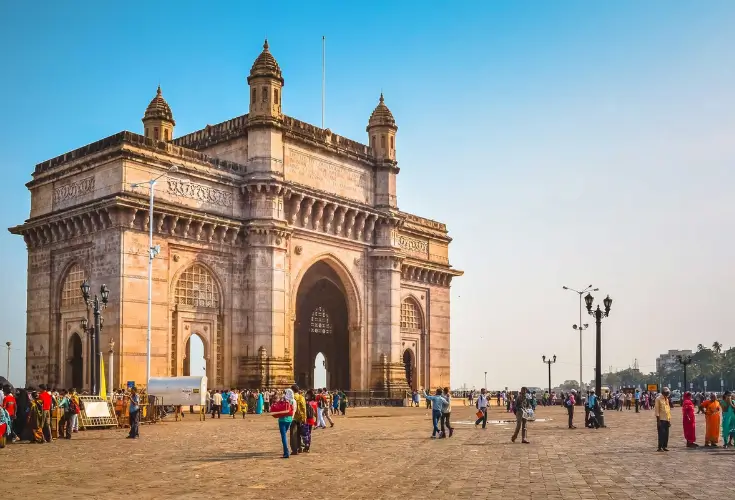
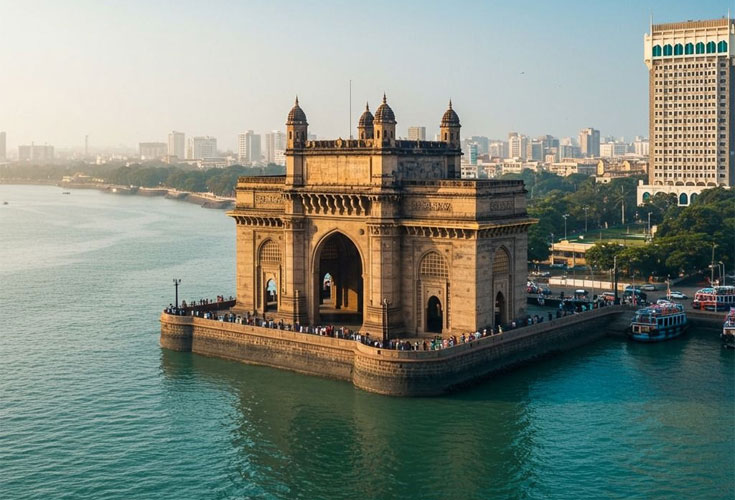
Begin in South Mumbai at the Gateway of India, constructed on the waterfront during the British period and now one of the city’s most recognisable landmarks. Facing Mumbai Harbour, the monument stands close to the historic Taj Mahal Palace hotel and provides a useful starting point for understanding the city’s development as a maritime gateway. The surrounding district reflects the importance of Bombay, as Mumbai was formerly known, within colonial-era trade networks.
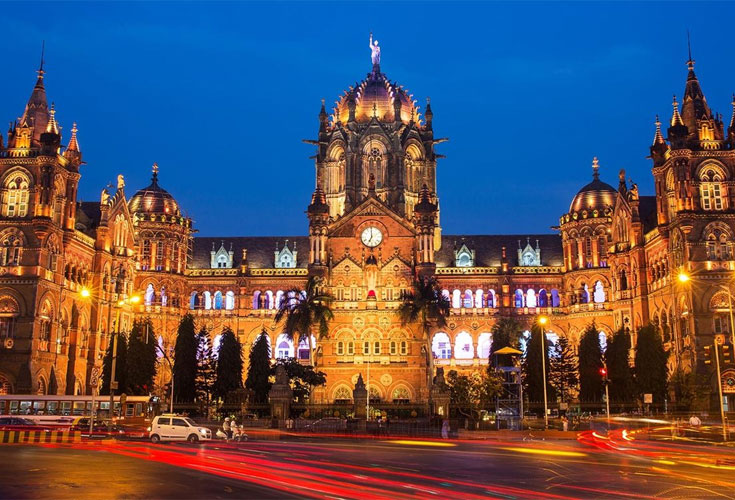
Continue through the heritage districts of South Mumbai to see major nineteenth- and early twentieth-century buildings. The city contains an exceptional concentration of Victorian Gothic and Art Deco architecture, much of it associated with its rapid commercial expansion. See the exterior of Chhatrapati Shivaji Maharaj Terminus, an extraordinarily elaborate railway building, before continuing past university buildings, courts and the broad open spaces of the historic Fort district.
Later, drive along Marine Drive, whose sweeping curve follows the edge of Back Bay. Depending on the programme, stops may include Dhobi Ghat, selected markets or other neighbourhoods that reveal the working character of Mumbai beyond its monumental architecture. Return to the hotel in the evening, or remain in South Mumbai for dinner at one of the city’s established restaurants.
Overnight: Mumbai
Today moves beyond Mumbai’s formal landmarks to examine how the city functions at street level. Begin with a guided visit to selected market districts where flowers, produce, spices or household goods are traded in densely organised spaces. Mumbai’s commercial identity is not confined to financial institutions and corporate towers; countless small businesses, family enterprises and specialised markets form an equally important part of the urban economy.
The programme may continue through one of Mumbai’s traditional neighbourhoods, allowing time to discuss migration and the communities that have shaped the city. Depending on the final itinerary, this can include areas connected with fishing communities, historic residential districts or another carefully chosen part of Mumbai. A responsible guided programme provides considerably more context than simply driving through crowded neighbourhoods for photographs.
Spend the latter part of the afternoon according to personal interests. Architecture enthusiasts may choose additional Art Deco areas, food-focused travellers can arrange a culinary walk, and guests interested in contemporary Mumbai may visit a modern commercial or cultural district. The final evening is free for dinner. After moving through Delhi, Agra and Jaipur, a second full day in Mumbai ensures the city receives proper attention rather than serving merely as an end point.
Overnight: Mumbai
Breakfast and morning arrangements will depend on your international flight schedule. No major sightseeing is fixed for the final day so that departures at different hours can be accommodated comfortably. Guests travelling later may have time for a relaxed breakfast, a final walk or some shopping, while early departures will be transferred directly to the airport at the appropriate time.
Meet your chauffeur in the hotel lobby for the private transfer to Mumbai International Airport. Departure timing will account for local traffic and the airline’s recommended reporting period. On arrival at the terminal, proceed with airline check-in, immigration and security for your onward flight. Additional accommodation can be arranged when an onward domestic journey or unusually late international departure makes it useful.
The 10 Days Golden Triangle with Mumbai Tour concludes after connecting four cities whose identities were shaped by very different historical forces. Delhi represents successive capitals, Agra the height of Mughal architecture, Jaipur Rajasthan’s royal traditions and Mumbai India’s maritime and commercial transformation. Travellers wishing to continue can extend the route towards Goa, Gujarat, Kerala or another region of India.
What the price includes
What it does not
Starting from
On request
per person · twin share
Get In Touch
No planning fee, no obligation. A curator replies within two hours - or call +91 97990 02277.
 13 Nights / 14 Days
Route Delhi - Varanasi - Agra - Ranthambore - Jaipur - Delhi
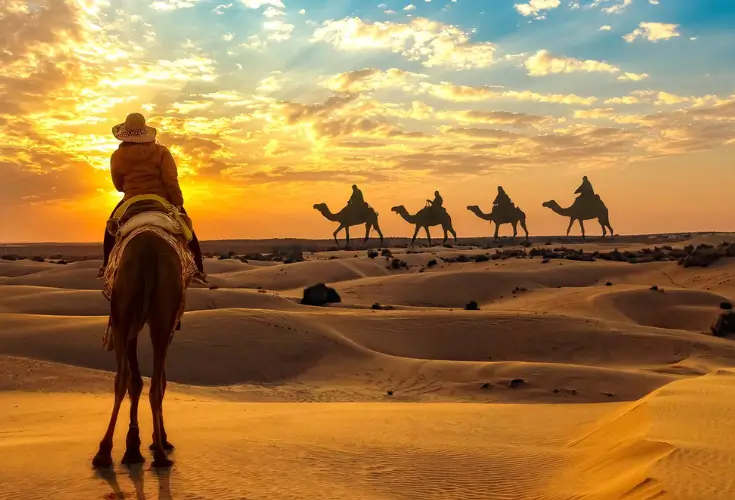 12 Nights / 13 Days
Route Delhi - Agra - Jaipur - Jodhpur - Jaisalmer - Delhi
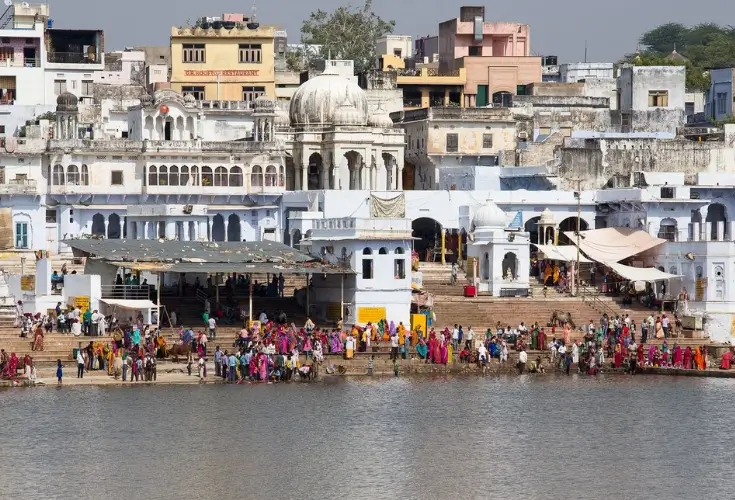 8 Nights / 9 Days
Route Delhi - Agra - Jaipur - Pushkar - Delhi
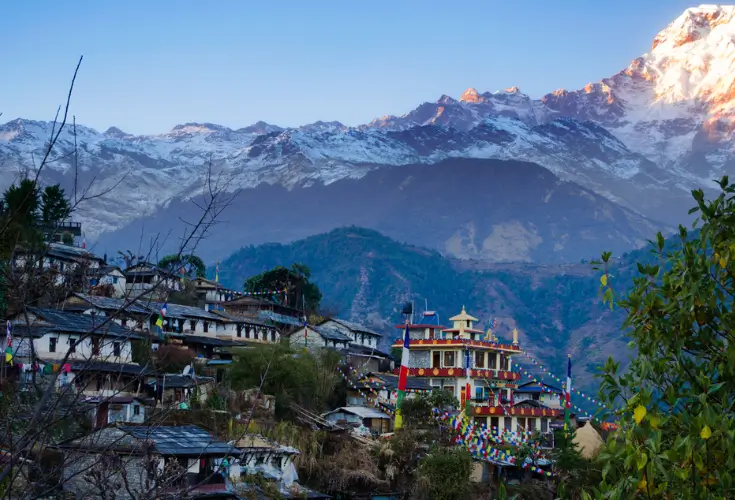 11 Nights / 12 Days
Route Delhi - Agra - Jaipur - Kathmandu - Pokhara
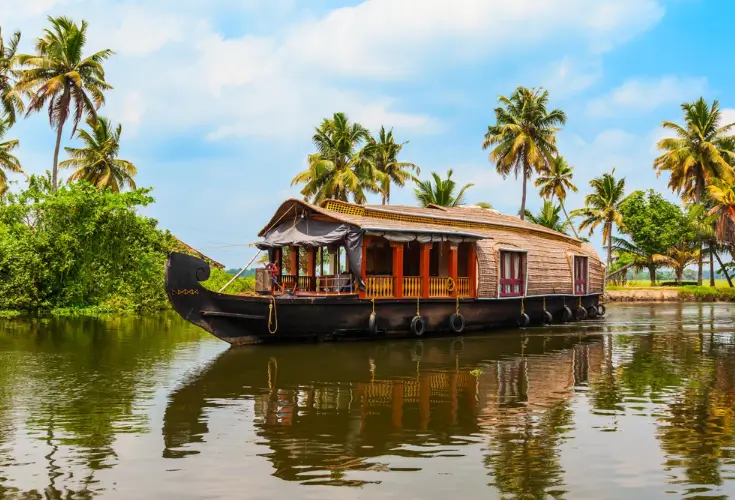 13 Nights / 14 Days
Route Delhi - Agra - Jaipur - Kochi - Munnar - Kumarakom - Alleppey
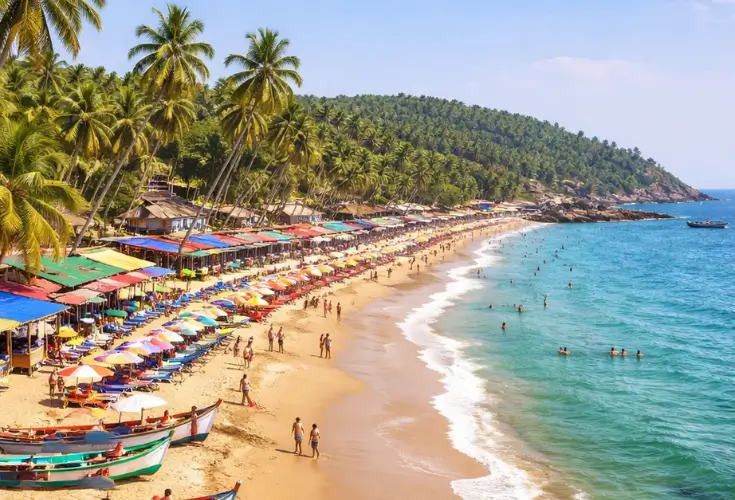 11 Nights / 12 Days
Route Delhi - Agra - Jaipur - Goa
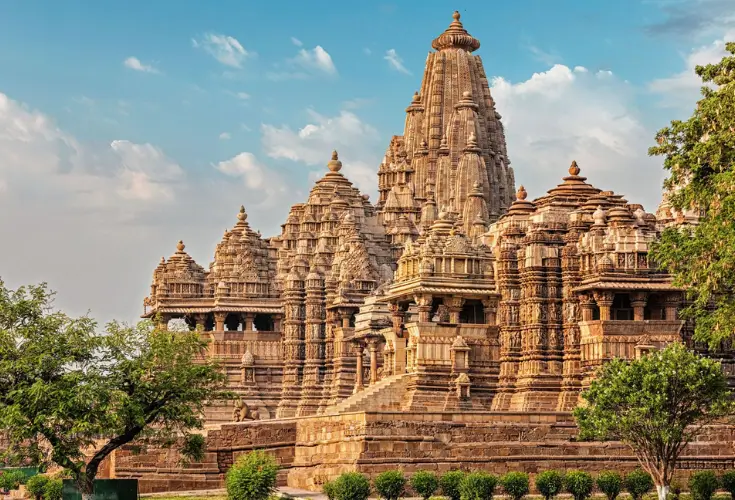 10 Nights / 11 Days
Route Delhi - Jaipur - Agra - Orchha - Khajuraho - Delhi
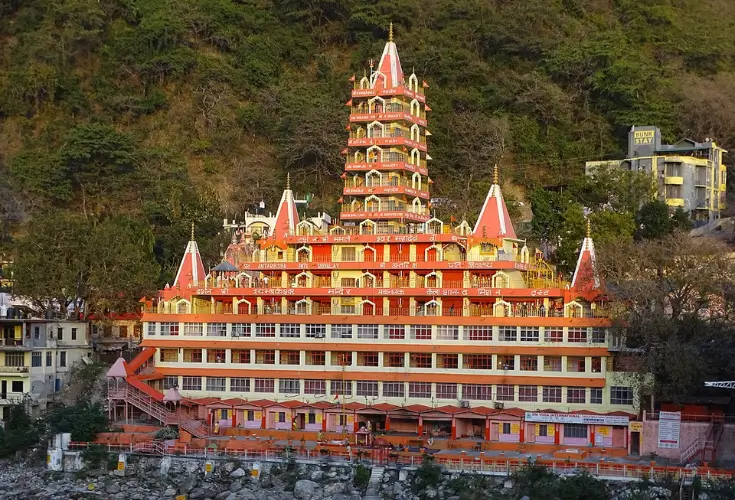 10 Nights / 11 Days
Route Delhi - Haridwar - Rishikesh - Agra - Jaipur - Delhi
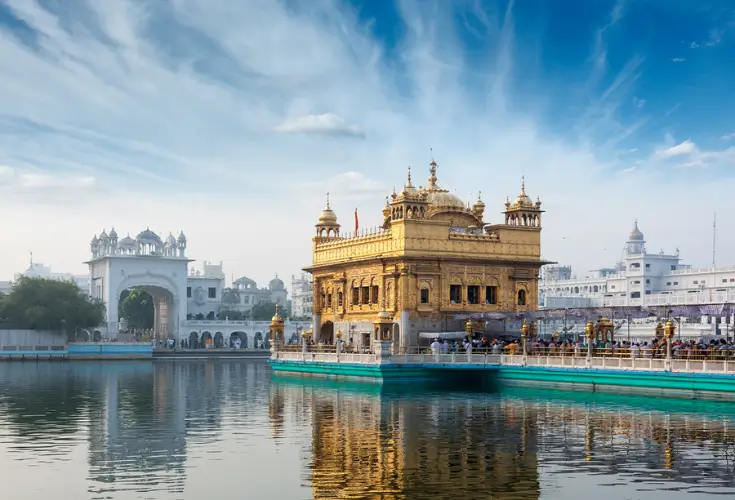 9 Nights / 10 Days
Route Delhi - Amritsar - Agra - Jaipur - Delhi
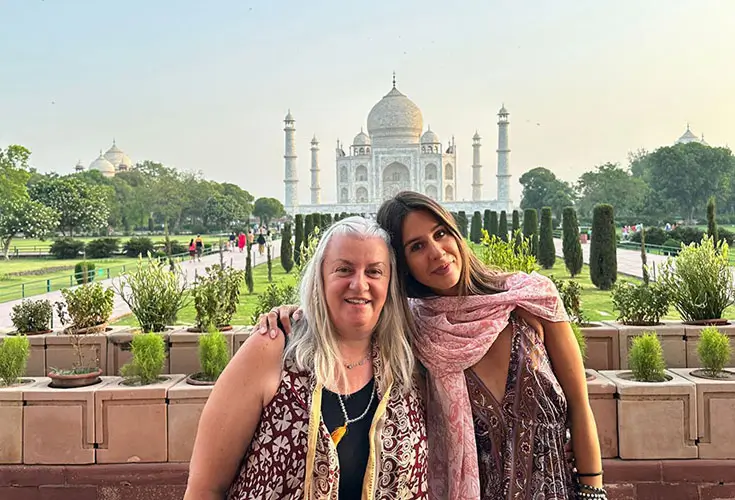 6 Nights / 7 Days
Route Delhi - Agra - Jaipur - Delhi
 8 Nights / 9 Days
Route Delhi - Agra - Jaipur - Delhi
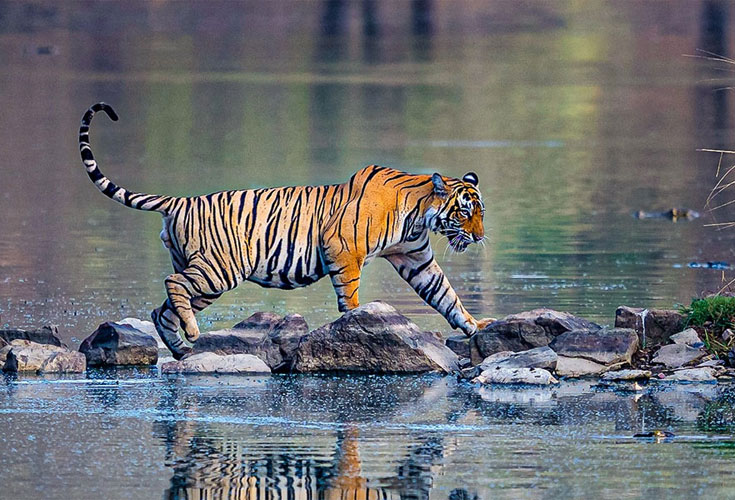 9 Nights / 10 Days
Route Delhi - Agra - Ranthambore - Jaipur - Delhi
 10 Nights / 11 Days
Route Delhi - Agra - Jaipur - Udaipur - Delhi
 10 Nights / 11 Days
Route Delhi - Varanasi - Agra - Jaipur - Delhi
 13 Nights / 14 Days
Route Delhi - Agra - Jaipur - Jodhpur - Udaipur - Delhi
Let Us Plan It
Send dates and interests. A written proposal follows within 48 hours.
Start the brief →Ready When You Are
Speak to a curator directly — +91 97990 02277.
WhatsApp A CuratorIndia & Beyond
Chauffeur-driven travel nationwide, by the day or the fortnight.
See the fleet →