
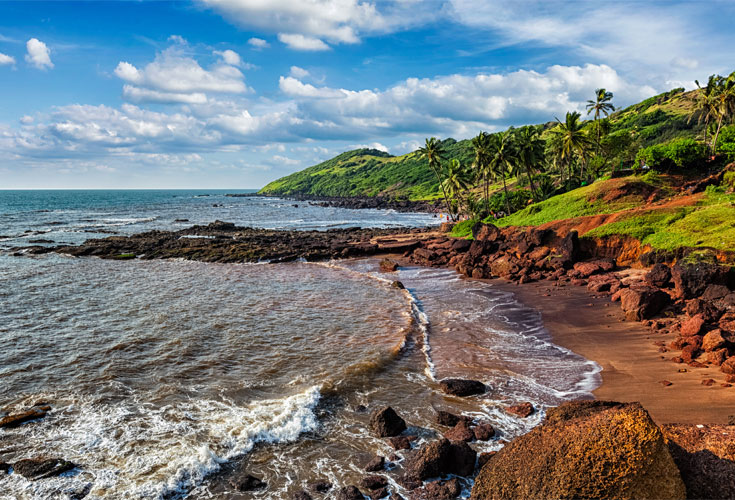
A journey through India feels markedly different when its final days are spent beside the Arabian Sea rather than at another fort, palace or historic city. The Golden Triangle with Goa Tour pairs Delhi, Agra and Jaipur with a coastal stay in Goa, creating a 12-day itinerary that moves from the great architectural centres of North India to palm-lined shores, old churches, Portuguese-era quarters and an altogether slower rhythm.
Arrive at Delhi International Airport and meet your representative after completing immigration, baggage collection and customs. A private vehicle will be waiting for the transfer to your hotel. The drive offers the first glimpse of a capital that has expanded around monuments belonging to many earlier cities. Historic tombs and fortifications appear between modern roads, business districts, residential areas and government quarters, immediately illustrating Delhi’s unusually layered urban character.
Check into the hotel and keep the remainder of the day free. Long international journeys and different arrival schedules make flexibility more useful than fixed sightseeing on the first afternoon. Guests reaching Delhi early can enjoy the hotel, take a short orientation drive or visit a nearby contemporary district, while evening arrivals can proceed directly to their rooms and rest.
Dinner arrangements remain open so you can decide according to your energy level. Your local representative can assist with suitable restaurant suggestions and confirm the following day’s sightseeing schedule. A relaxed first night also ensures that the full Delhi programme begins when you are rested, rather than reducing major monuments to hurried stops immediately after an international flight.
Overnight: Delhi
Enter Old Delhi in the morning and begin near Jama Masjid, the great mosque commissioned during the reign of Shah Jahan. From here, move into the crowded commercial streets around Chandni Chowk. Shops and stalls dealing in spices, textiles, jewellery, sweets and everyday goods fill lanes that have functioned as trading quarters for generations. A cycle-rickshaw ride through suitable sections offers a closer look at this densely populated part of the former Mughal capital.
Continue to Raj Ghat, associated with Mahatma Gandhi, before driving into the broad avenues of New Delhi. See India Gate and the principal government district while learning how the twentieth-century capital was planned on a dramatically different scale from Shahjahanabad. The juxtaposition is central to understanding Delhi: imperial Mughal streets and British-era monumental planning survive within a modern national capital that continues to grow around both.
Later, visit Humayun’s Tomb, an important Mughal garden tomb whose architecture anticipated several elements developed more fully in the Taj Mahal. Depending on available time, the sightseeing can also include Qutub Minar or another major historic site. Return to the hotel in the evening after a day that has moved through different periods of Delhi’s political and architectural history.
Overnight: Delhi
Leave Delhi after breakfast for the private road journey to Agra. The modern expressway carries you away from the metropolitan region and across the flat agricultural landscape of northern India. The drive normally takes several hours, subject to traffic and stops, and travelling privately allows breaks to be taken according to your comfort rather than according to a coach timetable.
After reaching Agra and checking into the hotel, visit Agra Fort. Behind its formidable red sandstone walls lies a complex of palaces, courtyards, audience chambers and private apartments developed by several generations of Mughal rulers. The fort was both a military installation and an imperial residence, making it one of the best places to understand the political setting in which the Taj Mahal was later created.
Towards the end of the day, there may be time to visit a viewpoint across the Yamuna River for a distant perspective of the Taj Mahal. Seeing the monument from the opposite bank helps reveal its relationship with the river and surrounding landscape. Return to the hotel for the evening, with the principal visit to the Taj Mahal reserved for the following morning when the schedule is less constrained.
Overnight: Agra
Start early at the Taj Mahal, entering through the great gateway to see the marble mausoleum aligned beyond its formal garden. Commissioned by Shah Jahan following the death of Mumtaz Mahal, the complex represents an extraordinary combination of architecture, landscape design and decorative craftsmanship. The changing quality of morning light across the marble is one reason an early visit is particularly rewarding.
Walk through the gardens and approach the mausoleum slowly, taking time to examine calligraphy, carved marble and floral patterns formed from precisely cut coloured stones. Your guide will explain the history and architectural organisation of the site while leaving sufficient time for independent viewing and photography. The Taj Mahal is far more than its familiar frontal image; the mosque, guest pavilion, river terrace and carefully balanced garden are essential parts of the complete composition.
Afterwards, leave Agra for Jaipur and stop at Fatehpur Sikri, the former imperial capital of Emperor Akbar. Walk through its red sandstone courts, halls and royal buildings before continuing into Rajasthan. Arrive in Jaipur later in the day and check into your hotel. The evening is kept free after the combined monument visit and road journey.
Overnight: Jaipur
Travel into the hills outside Jaipur for a morning visit to Amber Fort. Its elevated setting above Maota Lake immediately distinguishes it from the Mughal monuments seen in Agra. Pass through fortified gateways into a sequence of courtyards, ceremonial halls and private apartments developed by Jaipur’s former Kachwaha rulers. The architecture reflects both Rajput traditions and the long political relationship between the royal house and the Mughal court.
Decorative interiors provide a striking contrast to the fort’s defensive exterior. Mirror mosaics, painted details, carved screens and carefully proportioned spaces demonstrate the sophistication of palace life within the stronghold. Elevated terraces also provide broad views across the surrounding hills and defensive walls. Your guide will explain how Amber functioned before the royal court moved to the newly planned city of Jaipur.
Return to the Pink City and stop at Hawa Mahal before visiting the City Palace and Jantar Mantar. The City Palace introduces Jaipur’s courtly collections and ceremonial spaces, while the astronomical instruments of Jantar Mantar reflect Maharaja Sawai Jai Singh II’s interest in scientific observation. Finish with optional time in Jaipur’s traditional market areas before returning to your hotel.
Overnight: Jaipur
Today is intentionally less monument-heavy. Begin with a closer look at Jaipur’s craft traditions, which have long been connected with royal patronage and regional trade. Depending on personal interest, the programme can focus on hand-blocked textiles, jewellery, blue pottery or another locally established craft. Visiting a suitable workshop allows travellers to see the processes behind products commonly encountered in the city’s bazaars.
Continue into selected market streets or residential sections of the old city. Jaipur was planned around commercial as well as royal functions, and many traditional trades remain associated with particular neighbourhoods. A guided walk can reveal architectural details, small shrines, food stalls and everyday street activity easily missed when moving exclusively between major monuments by car.
The afternoon is free. Use the time for shopping, a spa appointment, the hotel pool or an additional activity arranged according to your interests. This deliberately slower day is also useful before the flight south to Goa. Enjoy your final evening in Rajasthan at leisure, with the option of dining at the hotel or at a recommended Jaipur restaurant.
Overnight: Jaipur
After breakfast, check out and transfer privately to Jaipur Airport for the journey to Goa. Depending on airline schedules, the flight may operate directly or require a connection; the most practical option available for the travel date can be selected when the tour is confirmed. Air travel avoids a lengthy surface journey and allows the itinerary to move efficiently from northern India to the west coast.
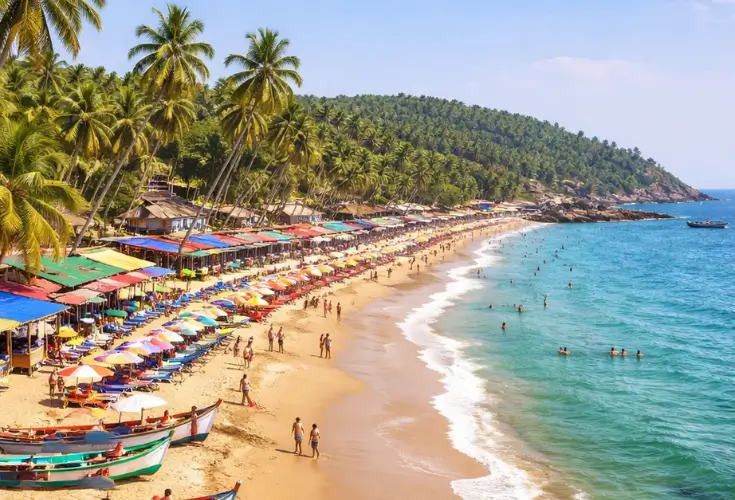
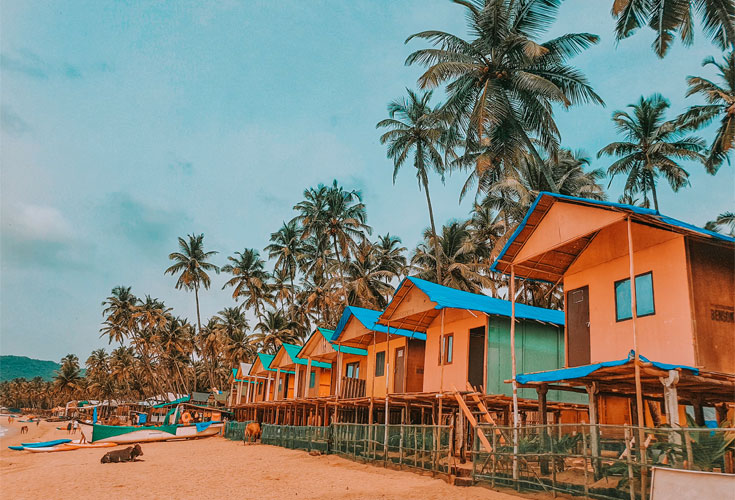
Arrive at Goa’s airport and meet your local representative for the private transfer to the chosen resort. The change in scenery is immediate. Rajasthan’s drier landscapes are replaced by coconut palms, lush vegetation, coastal settlements and architecture reflecting the region’s long connection with Portuguese rule. Check in and take time to become familiar with the resort and its surroundings.
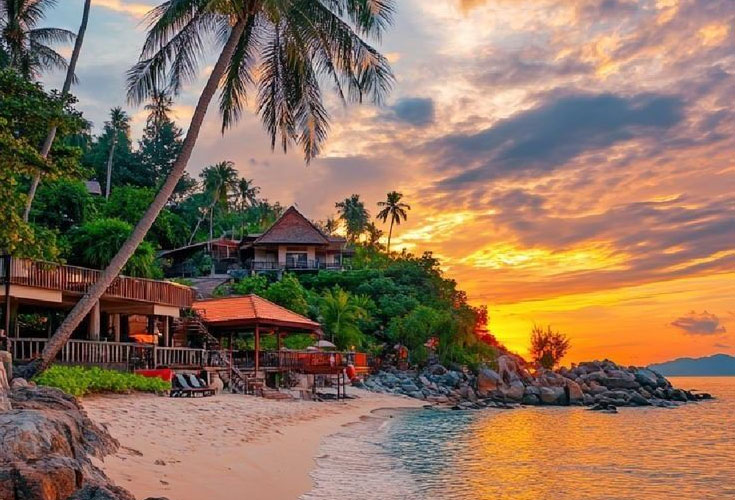
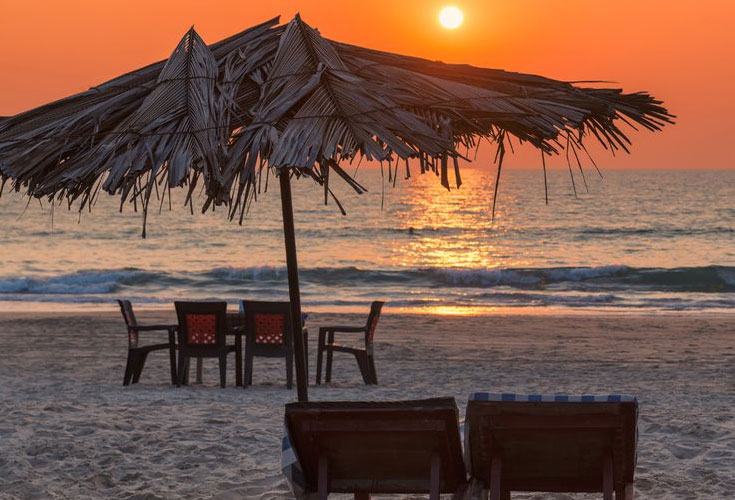
No formal sightseeing is planned for the remainder of the day. Walk along the beach, relax by the pool or simply enjoy a slower afternoon after several days of cultural touring. The contrast is deliberate: Goa is not intended to continue the pace of Delhi, Agra and Jaipur but to introduce a different environment and style of travel for the final section of the holiday.
Overnight: Goa
Begin with Old Goa, once the administrative centre of Portuguese territories in the region and home to some of India’s most important colonial-era religious architecture. Visit selected historic churches and monuments, including the Basilica of Bom Jesus and Sé Cathedral where appropriate within the confirmed programme. Their scale and European architectural vocabulary create a striking contrast with the mosques, Mughal tombs and Rajput palaces seen earlier in the journey.
Continue towards Panjim, Goa’s state capital, and spend time in Fontainhas, the historic Latin Quarter. Narrow lanes, colourful façades, tiled roofs, balconies and small religious shrines preserve a distinctive streetscape shaped by Portuguese and Goan traditions. Walking is particularly rewarding here because many of the architectural details are easily missed when travelling by vehicle.
Later, there may be time for a local market, waterfront area or lunch featuring Goan cuisine. The region’s food reflects coastal ingredients and a long history of cultural exchange, with seafood, coconut, rice and distinctive spice combinations playing important roles. Return to the resort later in the day and keep the evening free for dinner and relaxation.
Overnight: Goa
Move away from Goa’s better-known resort strips for a look at its quieter cultural landscape. Depending on the location of your hotel and the final programme, travel through selected villages where churches, traditional homes, paddy fields and palm-lined roads provide a different picture of the state. Goa’s identity cannot be understood through beaches alone, and its inland settlements preserve architectural and social traditions rarely visible during a short coastal stay.
A carefully planned local visit may include a traditional home, heritage property, market or another site connected with regional culture. The purpose is not to fill the day with numerous stops but to understand how Goan life developed through Indian traditions, Catholic influences, maritime connections and centuries of Portuguese administration. Your guide can also discuss the major differences between Goa’s coastal tourist centres and its older communities.
Return towards the coast later in the afternoon. The rest of the day remains free for the beach or resort facilities. Travellers interested in food can arrange a Goan cooking activity or a meal at a respected regional restaurant, while those preferring a completely relaxed evening can remain at the resort. This balance keeps cultural content in the programme without turning the Goa stay into another intensive sightseeing circuit.
Overnight: Goa
No scheduled sightseeing is included today. After breakfast, spend the morning entirely according to your preferred pace. Enjoy the beach, swimming pool, spa or other facilities available at the selected resort. After several cities, forts and historic complexes, a completely unscheduled day provides genuine rest rather than simply moving leisure time into the gaps between excursions.
Guests wanting more activity can choose from optional experiences available according to the season and resort location. These might include a private coastal outing, wellness treatment, culinary activity or another excursion arranged separately. Such activities remain optional so that travellers who specifically selected the Golden Triangle and Goa holiday for beach time are not required to join additional tours.
As evening approaches, enjoy the coastal setting and dine at the resort or a selected restaurant. Goa’s multi-night stay is deliberately longer than a token two-night extension, giving the destination enough time to function as the relaxing half of the journey. The day remains free of compulsory schedules from beginning to end.
Overnight: Goa
Wake without an early departure or sightseeing appointment and enjoy another full day at leisure. A second unscheduled day is especially valuable for travellers arriving from Europe, North America or Australia who may be using the journey as their principal annual holiday rather than as a short sightseeing trip. It also makes the itinerary suitable for couples and honeymoon travellers who want time to enjoy the resort itself.
Those who prefer to remain active can use the day for an independently arranged outing, additional heritage visit or wellness programme. Alternatively, spend the entire day beside the sea. The exact experience will naturally vary according to the selected part of Goa: South Goa generally lends itself to a quieter resort stay, while other areas provide easier access to restaurants, markets and a more active local scene.
Enjoy the final evening of the tour without a fixed programme. A private dinner or special meal can be arranged for guests celebrating a honeymoon, anniversary or another occasion, subject to the chosen hotel and additional cost. Pack at leisure for the following day’s departure, bringing the coastal section of the journey to a relaxed close.
Overnight: Goa
Have breakfast at the resort according to your flight schedule and enjoy any remaining free time before check-out. Travellers with later departures may request a late check-out subject to availability and hotel charges, while those with morning flights will leave directly after breakfast or earlier when required. Your departure transfer will be scheduled with sufficient time for local road conditions and airline reporting requirements.
Meet your chauffeur for the private drive to the appropriate Goa airport for your onward flight. Depending on your international travel arrangements, you may connect through Delhi, Mumbai or another gateway city. Any required connecting hotel stay or additional domestic sector can be incorporated into the final travel plan when the international flight schedule is known.
The 12 Days Golden Triangle with Goa Tour ends after combining North India’s major historical cities with several days on the Arabian Sea. Delhi, Agra and Jaipur provide the architectural and cultural core, while Goa introduces colonial heritage, regional cuisine, coastal landscapes and genuine leisure time. The route is particularly effective for travellers who want their first India journey to finish at a slower pace rather than adding another intensive sightseeing destination.
What the price includes
What it does not
Starting from
On request
per person · twin share
Get In Touch
No planning fee, no obligation. A curator replies within two hours - or call +91 97990 02277.
 13 Nights / 14 Days
Route Delhi - Varanasi - Agra - Ranthambore - Jaipur - Delhi
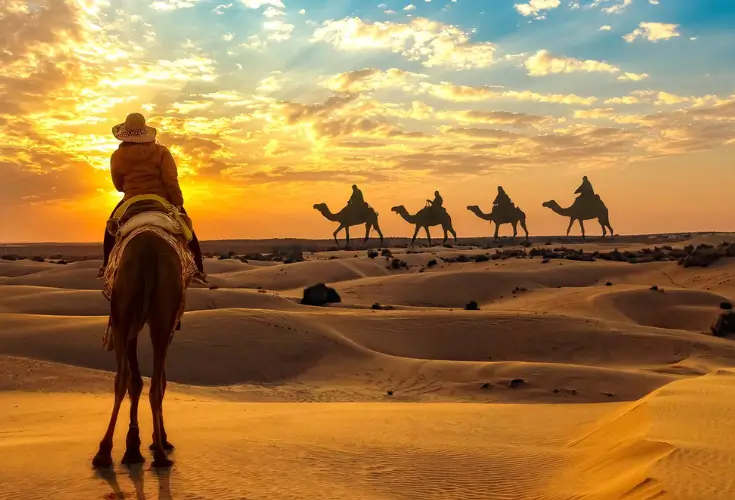 12 Nights / 13 Days
Route Delhi - Agra - Jaipur - Jodhpur - Jaisalmer - Delhi
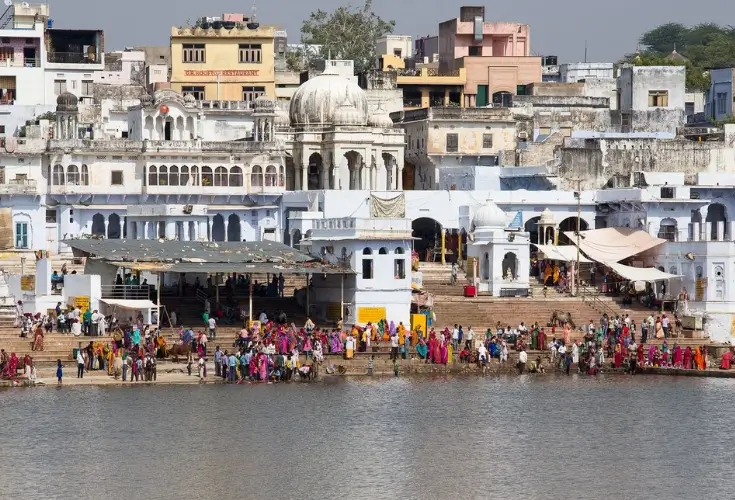 8 Nights / 9 Days
Route Delhi - Agra - Jaipur - Pushkar - Delhi
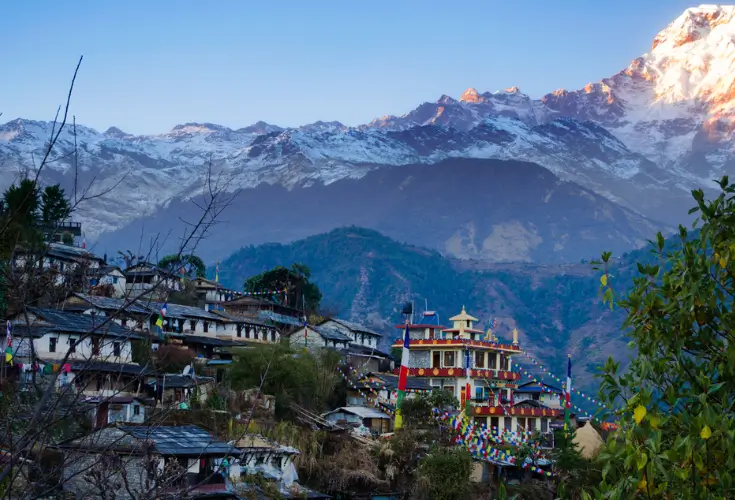 11 Nights / 12 Days
Route Delhi - Agra - Jaipur - Kathmandu - Pokhara
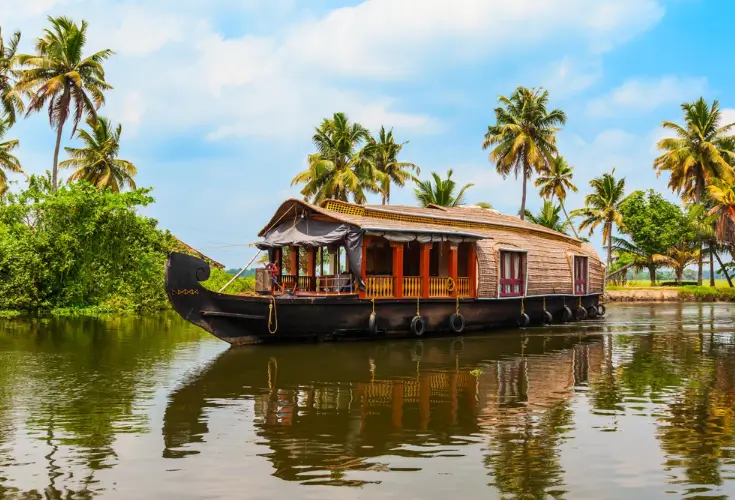 13 Nights / 14 Days
Route Delhi - Agra - Jaipur - Kochi - Munnar - Kumarakom - Alleppey
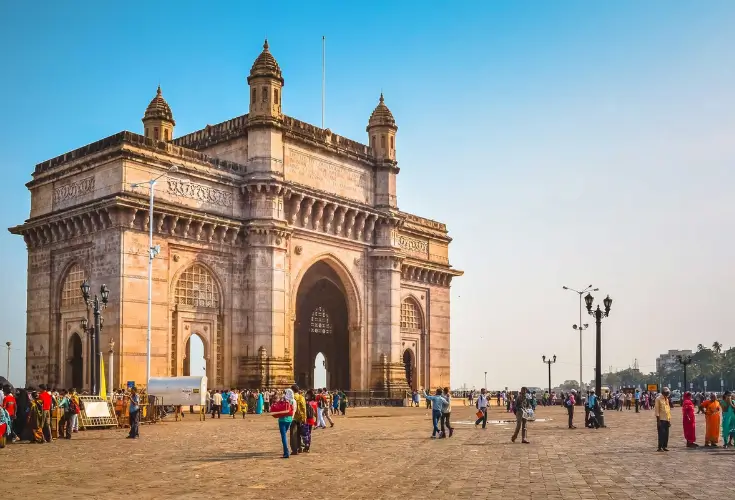 9 Nights / 10 Days
Route Delhi - Agra - Jaipur - Mumbai
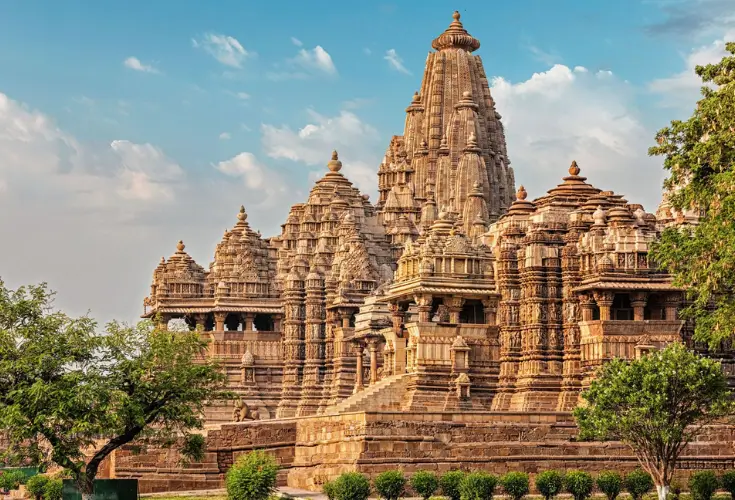 10 Nights / 11 Days
Route Delhi - Jaipur - Agra - Orchha - Khajuraho - Delhi
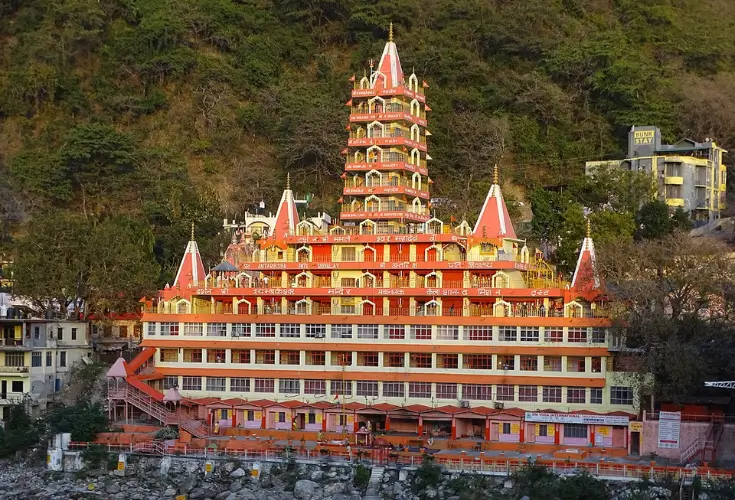 10 Nights / 11 Days
Route Delhi - Haridwar - Rishikesh - Agra - Jaipur - Delhi
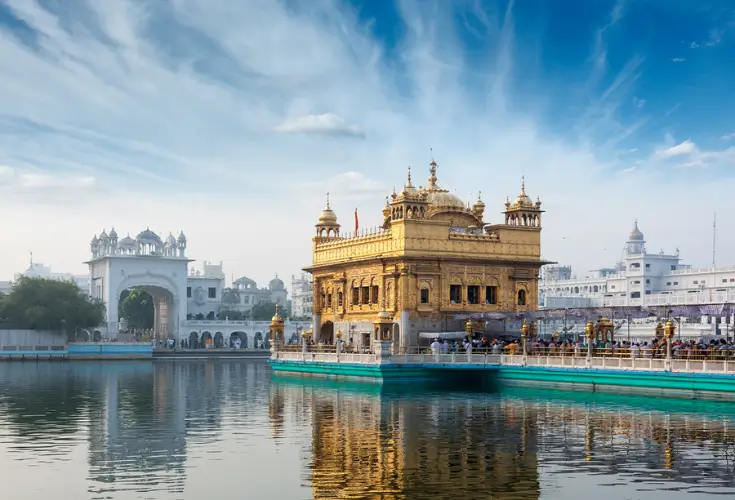 9 Nights / 10 Days
Route Delhi - Amritsar - Agra - Jaipur - Delhi
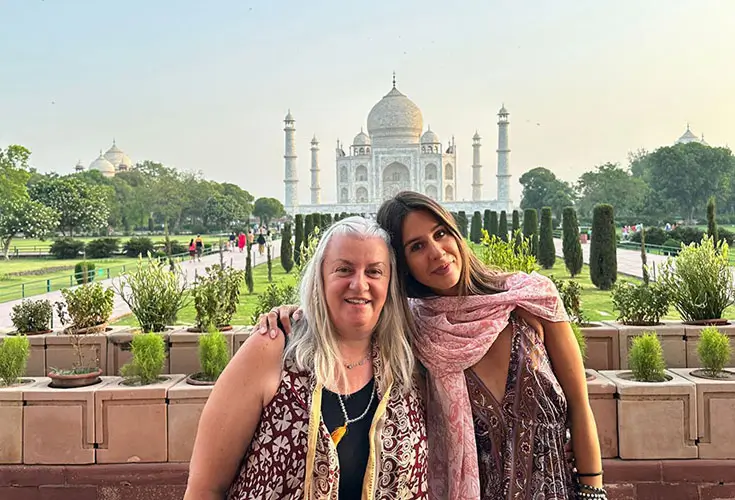 6 Nights / 7 Days
Route Delhi - Agra - Jaipur - Delhi
 8 Nights / 9 Days
Route Delhi - Agra - Jaipur - Delhi
 9 Nights / 10 Days
Route Delhi - Agra - Ranthambore - Jaipur - Delhi
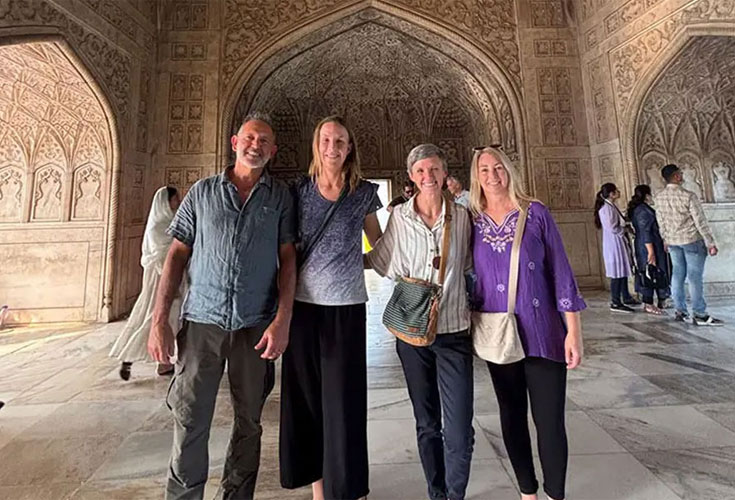 10 Nights / 11 Days
Route Delhi - Agra - Jaipur - Udaipur - Delhi
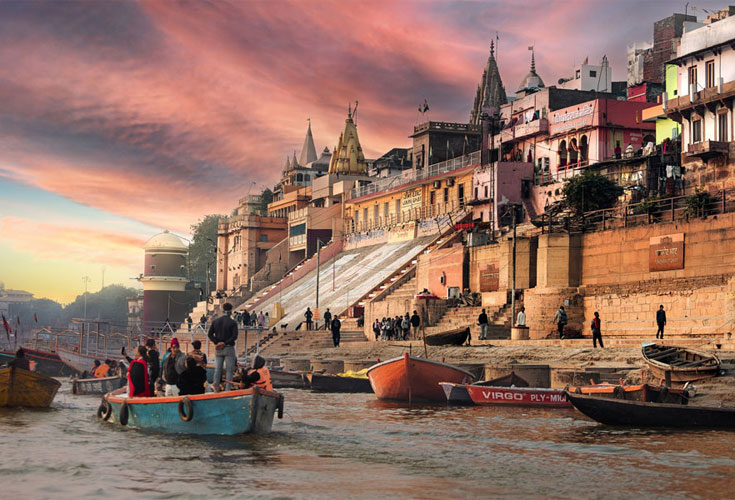 10 Nights / 11 Days
Route Delhi - Varanasi - Agra - Jaipur - Delhi
 13 Nights / 14 Days
Route Delhi - Agra - Jaipur - Jodhpur - Udaipur - Delhi
Let Us Plan It
Send dates and interests. A written proposal follows within 48 hours.
Start the brief →Ready When You Are
Speak to a curator directly — +91 97990 02277.
WhatsApp A CuratorIndia & Beyond
Chauffeur-driven travel nationwide, by the day or the fortnight.
See the fleet →