
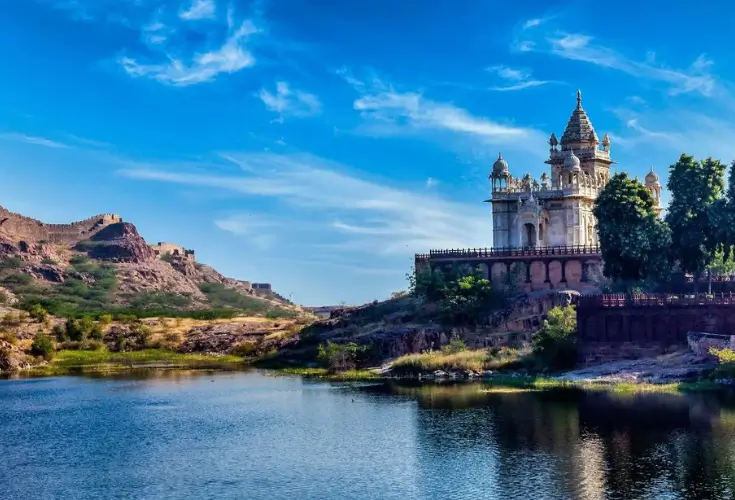
Seven destinations reveal seven different expressions of Indian heritage on a route that stretches from the old quarters of Delhi to the Arabian Sea. India’s Grand Heritage Journey has been structured around the idea that the country’s history is not contained within monuments alone; it also survives along riverfronts, inside markets, through artisan traditions and within cities that have continually adapted around their past.
Arrive at Delhi International Airport, complete immigration and baggage formalities, and meet your representative in the arrivals area. Continue by private air-conditioned vehicle to your selected luxury hotel. Delhi is the natural opening point for this route because multiple periods of Indian history remain visible across the modern capital.
After check-in, keep the remainder of the day free from essential sightseeing. International flights arrive at widely different hours, and a flexible first day avoids placing an important monument visit immediately after a long journey. Early arrivals may take a gentle orientation drive through central Delhi if desired.
Spend the evening at leisure and prepare for the following morning’s privately guided programme. Over the next sixteen nights, the itinerary will connect sacred river traditions, Mughal monuments, Rajput capitals and the maritime architecture of Mumbai without treating them as isolated chapters.
Overnight: Delhi
Begin in Old Delhi, the historic core associated with the Mughal city of Shahjahanabad. Visit selected religious and architectural landmarks before entering the commercial lanes around Chandni Chowk. When included in the programme, a cycle-rickshaw ride offers a closer look at narrow streets lined with markets, workshops, food businesses and historic buildings.
Move later into New Delhi, where the urban scale changes dramatically. Broad avenues, formal government buildings and landscaped spaces represent a different period of capital planning. Continue to selected heritage sites that help illustrate the succession of settlements and ruling powers that shaped the wider Delhi region.
Rather than treating the day as a checklist of monuments, your private guide will explain connections between architecture, religion, commerce and political authority. Return to the hotel after sightseeing and keep the evening relaxed before leaving Delhi for the sacred city of Varanasi the next day.
Overnight: Delhi
Transfer privately to Delhi Airport for the scheduled flight to Varanasi, according to the confirmed airline timetable. On arrival, meet your local representative and continue to the hotel. The shift from Delhi to Varanasi changes the focus of the itinerary from imperial capitals to one of South Asia’s oldest continuously inhabited sacred landscapes.
After time to settle in, travel with your guide towards the Ganges riverfront. Depending on local traffic and access restrictions, part of the approach may be completed on foot through the old city. The density of pilgrims, residents, shrines, shops and narrow lanes makes the transition to the river an important part of the experience.
Attend the evening Ganga Aarti from an appropriate viewing position according to the arrangements confirmed for your programme. Priests conduct the public devotional ceremony with lamps, chanting and ritual movements beside the river. Return to the hotel afterwards, with a contrasting early-morning river experience planned for the following day.
Overnight: Varanasi
Leave the hotel before or around sunrise for an early-morning boat ride on the Ganges, subject to weather, river levels and local authority regulations. From the water, observe the sequence of ghats as worshippers arrive for prayer, bathing and other daily rituals while the city gradually becomes active.
After leaving the boat, continue with a guided walk through selected parts of the old city. Narrow passages connect shrines, homes, shops, temples and river access points in an urban pattern very different from Delhi. Your guide will provide cultural context while ensuring that active religious areas are approached respectfully.
Return to the hotel for breakfast and time to rest after the early start. Later, visit additional culturally important areas according to the confirmed programme, or keep part of the afternoon free. The slower schedule provides time to absorb Varanasi rather than reducing its complex religious landscape to a single river excursion.
Overnight: Varanasi
Travel outside the most congested part of Varanasi to Sarnath, an important Buddhist site associated with the teaching traditions that developed after the Buddha’s enlightenment. Visit the principal accessible archaeological and religious areas with your guide, subject to current opening schedules and local regulations.
Return towards Varanasi and spend part of the day looking beyond the riverfront. A carefully selected visit may introduce the city’s textile and weaving traditions, including work associated with Banarasi fabrics, when an appropriate workshop is available. The emphasis should remain on craftsmanship and technique rather than a compulsory retail stop.
Keep the later afternoon flexible for rest or additional guided exploration. Travellers may revisit the riverfront from a different section or simply observe the city at a slower pace. A third night is important here because Varanasi rewards repeated encounters at different hours rather than a hurried arrival-and-departure schedule.
Overnight: Varanasi
After breakfast, prepare for the onward journey from Varanasi to Agra. The most practical available air and/or rail connection will be selected according to current schedules, with private transfers arranged at the required departure and arrival points. A direct service is not assumed until transport has been confirmed.
This travel day connects two places that represent fundamentally different aspects of North Indian heritage. Varanasi is defined by living religious traditions and the continuity of its riverfront, while Agra became one of the principal centres of Mughal imperial architecture. The contrast is central to the structure of the itinerary.
Arrive in Agra and transfer to your selected luxury hotel. Keep the remainder of the day relaxed after the intercity journey. If timing permits, a suitable viewpoint or brief orientation can be arranged, while the Taj Mahal and Agra Fort remain reserved for the following day.
Overnight: Agra
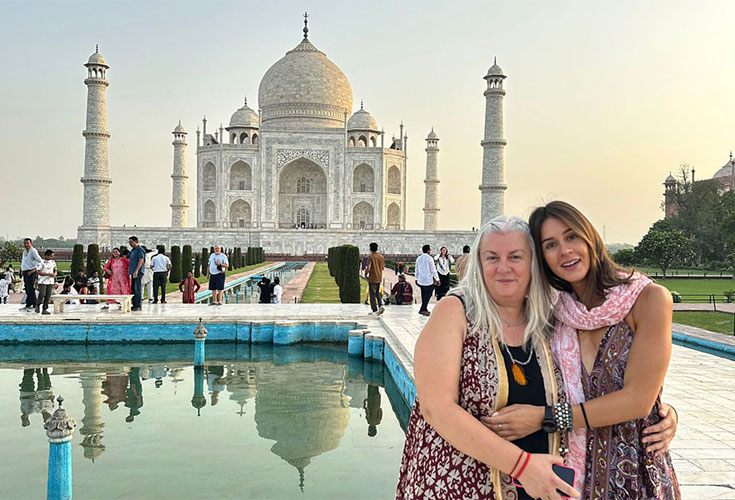
Begin with the Taj Mahal at the most appropriate scheduled time, subject to official opening regulations and the monument’s weekly closure. Walk through the entrance complex towards the marble mausoleum while your private guide explains its design, symmetry, decorative stonework, calligraphy and historical context.
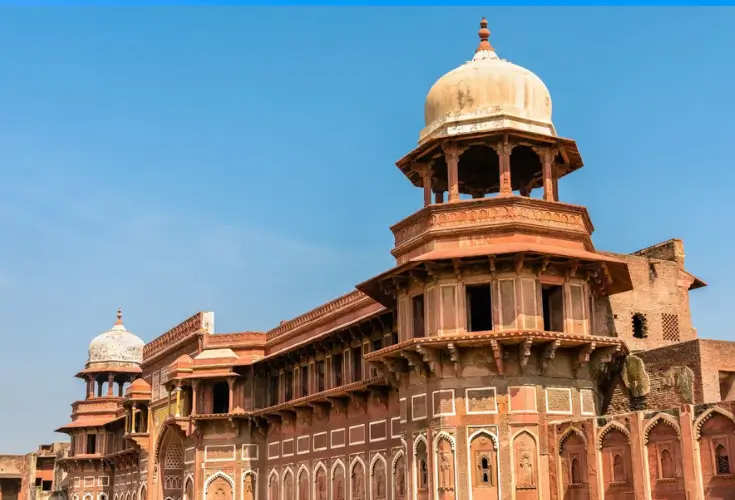
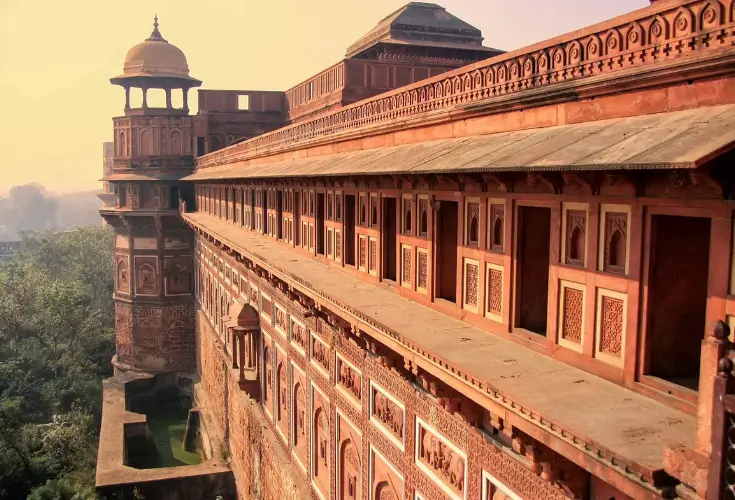
Continue to Agra Fort, whose extensive defensive walls enclose former royal residences, audience spaces and courtyards associated with successive Mughal emperors. The fort provides essential context for understanding Agra as an imperial capital and complements the more refined funerary architecture of the Taj Mahal.
After sightseeing, leave Agra and travel privately towards Jaipur. A significant heritage stop may be incorporated en route when included in the final programme and compatible with opening hours. Arrive in Jaipur, check into the selected hotel and spend the evening at leisure.
Overnight: Jaipur
Travel outside central Jaipur to Amber Fort, set within the hills overlooking the surrounding landscape. Enter through its fortified gateways and explore accessible courtyards, halls and former royal apartments. The complex demonstrates how military positioning and sophisticated palace architecture developed together within Rajasthan’s royal courts.
Return to the walled city and pause at an appropriate viewpoint for Hawa Mahal before continuing to the City Palace. Walk through selected courtyards and collections connected with Jaipur’s ruling family. The nearby Jantar Mantar may also form part of the programme according to the final sightseeing schedule.
Conclude with time in a traditional bazaar or artisan district, focusing on crafts associated with Jaipur such as textiles, jewellery and block printing. These working traditions add another layer to the city’s palace architecture and planned streets. Return to the hotel for a second night in Jaipur.
Overnight: Jaipur
Leave Jaipur after breakfast and begin the private road journey west towards Jodhpur. As the route progresses, Jaipur’s planned urban landscape gives way to open countryside and the increasingly dry terrain associated with western Rajasthan. Suitable comfort and meal stops can be made during the drive.
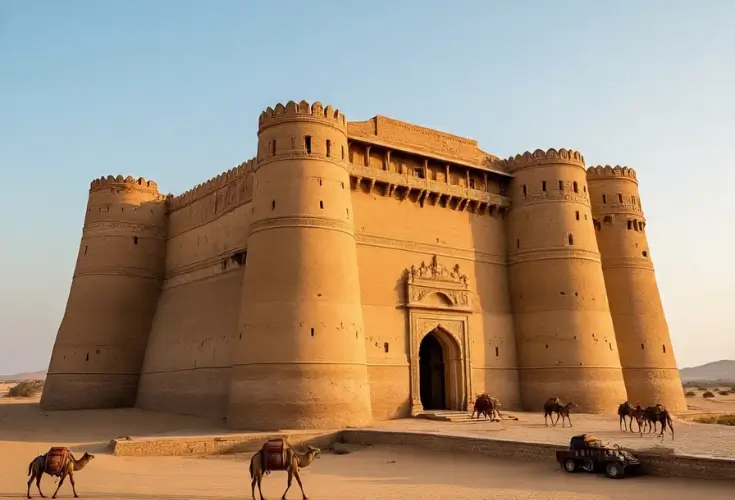
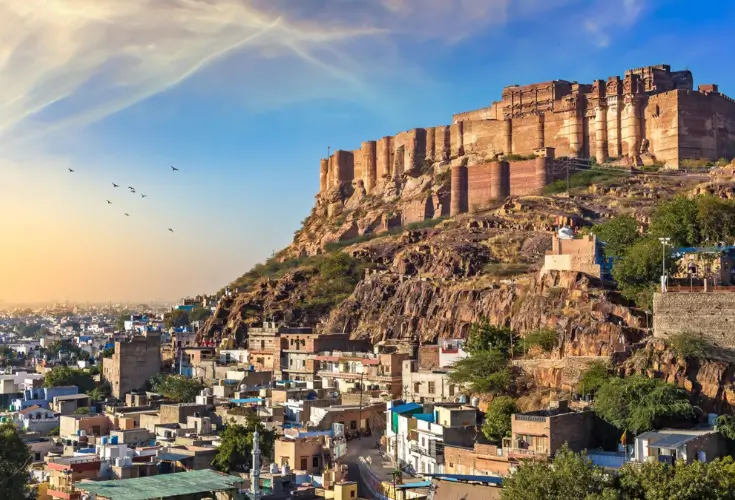
Jodhpur developed as the capital of Marwar and presents a markedly different architectural identity from Jaipur. Approaching the city, Mehrangarh Fort rises above the surrounding neighbourhoods from a massive rocky outcrop, establishing the fortified character that defines much of Jodhpur’s history.
Arrive at your selected luxury or heritage hotel and complete check-in. Keep the remainder of the day relaxed after the transfer rather than compressing the fort into a late-afternoon visit. Depending on arrival conditions, a short orientation or suitable viewpoint can be arranged before returning to the hotel.
Overnight: Jodhpur
Begin at Mehrangarh Fort, entering through its imposing gateways and continuing into a series of courtyards and former palace spaces. With your private guide, examine architectural details, historic collections and the defensive features that made the fort one of Rajasthan’s most formidable royal strongholds.
Continue to Jaswant Thada, the marble memorial complex located near the fortress. Its delicate architectural treatment creates a sharp visual contrast with Mehrangarh’s immense walls. From elevated points around the fort and memorial, look across the dense urban fabric of Jodhpur below.
Later, descend into selected sections of the old city and traditional market areas. Walk among shops dealing in textiles, spices, handicrafts and everyday goods while observing older residential architecture around the commercial streets. Return to the hotel afterwards and spend a second evening in Jodhpur.
Overnight: Jodhpur
After breakfast, leave Jodhpur and travel south towards Udaipur. The landscape changes gradually as the journey approaches the Aravalli region. When included in the confirmed programme, a significant temple or heritage site may be visited en route, subject to access rules, opening schedules and appropriate dress requirements.
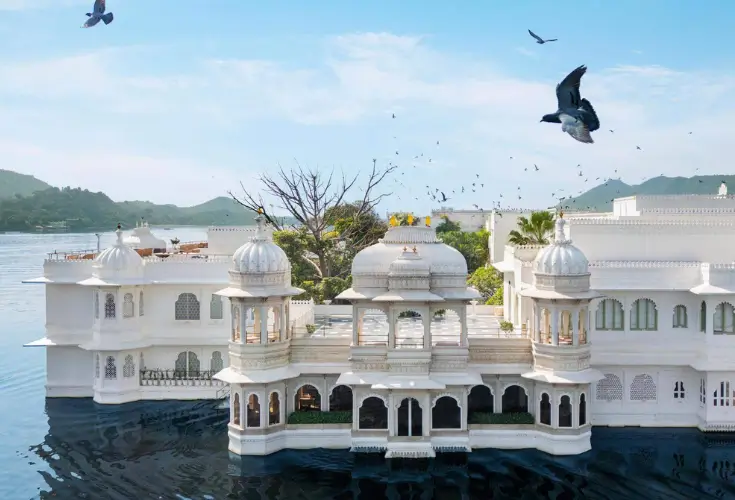
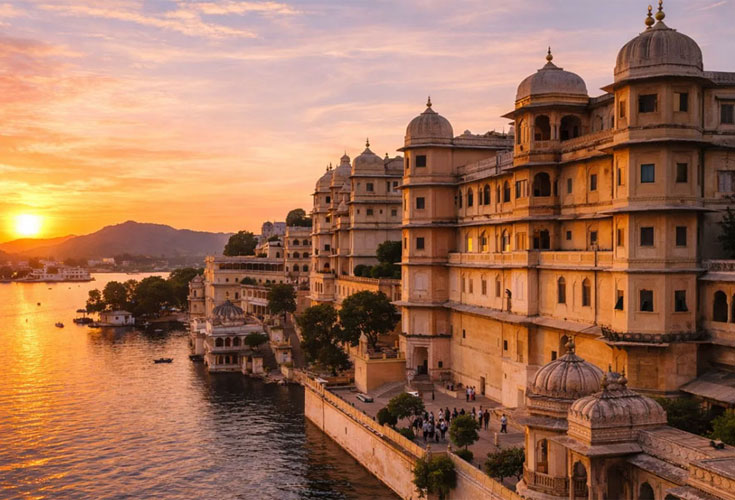
Continue towards Udaipur, historically associated with the rulers of Mewar. Unlike Jodhpur, where the fortress dominates a relatively dry landscape, Udaipur developed around lakes and hills that became integral to the design and identity of the royal capital.
Arrive at your selected palace, heritage or luxury hotel and check in. Keep the evening free after the road journey. Travellers staying near Lake Pichola can enjoy the changing light around the waterfront, while the principal palace and old-city programme remains reserved for the following day.
Overnight: Udaipur
Begin at the extensive Udaipur City Palace, developed over several generations above Lake Pichola. Walk with your guide through accessible courtyards, corridors, balconies and former royal rooms while learning how different rulers expanded the complex without losing its relationship with the surrounding lake and hills.
Continue into selected sections of the old city, where temples, small shops, residential buildings and traditional businesses occupy the streets below the palace. A historic garden or another culturally relevant site can also be incorporated according to the confirmed sightseeing arrangements.
Later, take a boat ride on Lake Pichola when included and operational. From the water, the palace façades, ghats, island structures and Aravalli backdrop form one of Udaipur’s defining perspectives. Boat operations remain subject to weather, water levels and local conditions.
Overnight: Udaipur
Spend the morning examining another side of Mewar’s cultural heritage through a carefully selected artisan visit. Udaipur is particularly associated with miniature painting, while textiles and decorative crafts can also form part of the programme. Where arranged, meet artisans or observe established techniques within an appropriate studio setting.
Continue through a quieter part of Udaipur rather than repeating the previous day’s major monuments. A guided walk may include smaller streets, local markets or neighbourhood architecture, providing a closer view of how the historic city functions beyond its palace complexes.
Keep the afternoon free for personal interests. Return to favourite areas, shop independently or enjoy the facilities of your hotel. Three nights in Udaipur allow the itinerary to slow down before leaving Rajasthan and entering the very different urban environment of Mumbai.
Overnight: Udaipur
After breakfast, transfer privately to Udaipur Airport for the scheduled flight to Mumbai, according to the confirmed airline timetable. This air sector provides an efficient transition from inland Rajasthan to India’s western coast without adding another lengthy road journey.
On arrival, meet your local representative and transfer to the selected hotel. Mumbai developed through maritime commerce, migration and successive periods of urban expansion, producing a cityscape where historic trading districts, institutional architecture and modern development occupy the same peninsula.
Keep the remainder of the day flexible according to flight timings. A short orientation through South Mumbai can be arranged when practical, but the principal heritage programme is reserved for the following day. Spend the evening at leisure.
Overnight: Mumbai
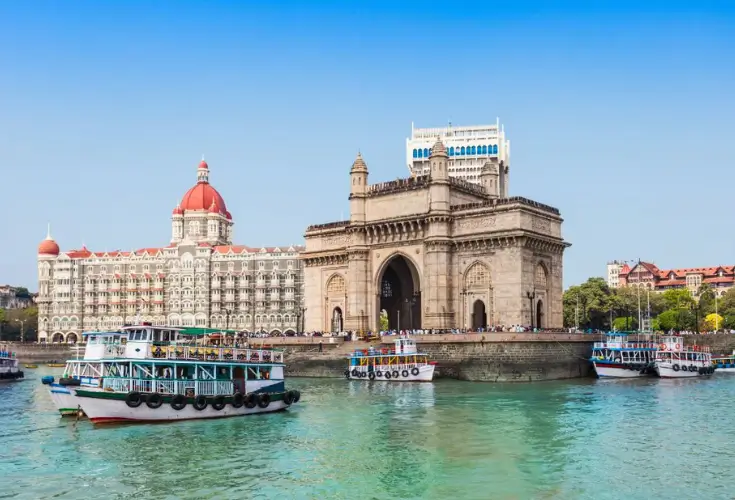
Begin in South Mumbai, focusing on the waterfront and historic districts associated with the city’s development as a major port. Visit the area around the Gateway of India before continuing through selected streets containing significant civic, commercial and institutional architecture.
Your private guide will introduce the different architectural influences visible across the district, including Gothic Revival, Indo-Saracenic and later Art Deco architecture. Historic railway buildings, commercial streets and established market districts may be incorporated according to the final programme and current access.
Later, move through another selected neighbourhood that illustrates Mumbai beyond its monumental façades. The city’s heritage is inseparable from its trading communities and intense street life, making guided observation of active neighbourhoods as valuable as visits to individual buildings. Return to the hotel afterwards.
Overnight: Mumbai
Use the final full day for a more detailed look at Mumbai’s living heritage. Depending on the confirmed programme, begin with an established market, historic neighbourhood, cultural institution or specialist walking route. The focus shifts from grand architecture towards communities and commercial traditions that continue to influence the city.
Continue with a selected experience based on personal interests, which may centre on art, design, food traditions or another historically significant district. Keeping the programme selective allows more time to understand individual neighbourhoods instead of spending the day moving rapidly across Mumbai’s considerable geographical area.
Keep the later afternoon free for shopping or leisure. If desired, spend part of the evening near the Arabian Sea, creating a final geographical contrast with the Ganges riverfront visited earlier in the itinerary. Return to the hotel for the last overnight stay.
Overnight: Mumbai
Enjoy breakfast at the hotel and keep the morning flexible according to your onward flight. Guests with a late departure can use the available time for independent shopping, a short walk or leisure at the hotel without committing to another fixed sightseeing programme.
At the appropriate time, meet your private chauffeur for the transfer to Chhatrapati Shivaji Maharaj International Airport or another confirmed departure point. Transfer timing will take account of prevailing traffic and the recommended airline reporting period.
India’s Grand Heritage Journey concludes after linking sacred, imperial, royal and maritime India within one extended route. Varanasi provided the living traditions of the Ganges, Agra represented Mughal architectural achievement, Jaipur, Jodhpur and Udaipur revealed three distinctive Rajasthan courts, and Mumbai brought the itinerary into a modern coastal metropolis.
What the price includes
What it does not
Starting from
On request
per person · twin share
Get In Touch
No planning fee, no obligation. A curator replies within two hours - or call +91 97990 02277.
 27 Nights / 28 Days
Route Delhi - Varanasi - Agra - Ranthambore - Jaipur - Jodhpur - Udaipur - Mumbai - Hampi - Kochi - Kumarakom - Marari
 23 Nights / 24 Days
Route Delhi - Agra - Jaipur - Udaipur - Mumbai - Kochi - Munnar - Kumarakom - Marari
 21 Nights / 22 Days
Route Delhi - Varanasi - Agra - Ranthambore - Jaipur - Jodhpur - Udaipur - Mumbai - Goa
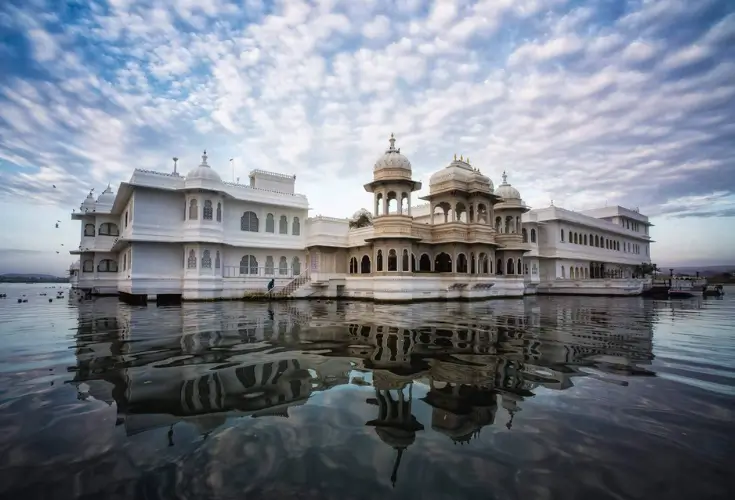 18 Nights / 19 Days
Route Delhi - Shimla - Dharamshala - Amritsar - Agra - Jaipur - Udaipur
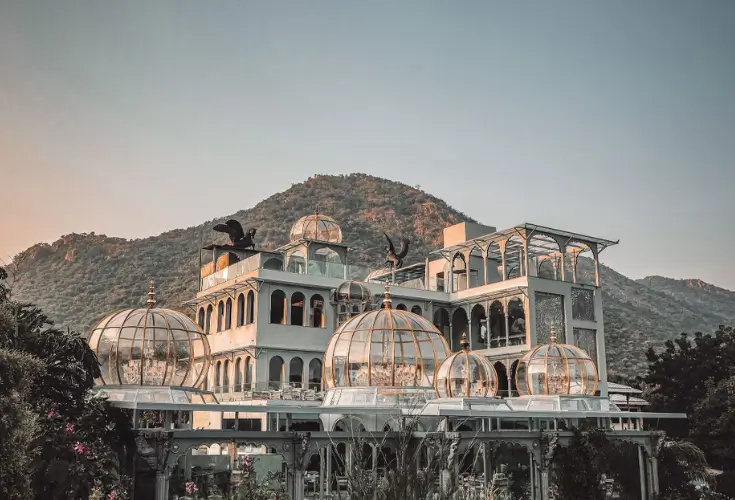 15 Nights / 16 Days
Route Delhi - Jaipur - Jodhpur - Jawai - Udaipur - Shahpura - Delhi
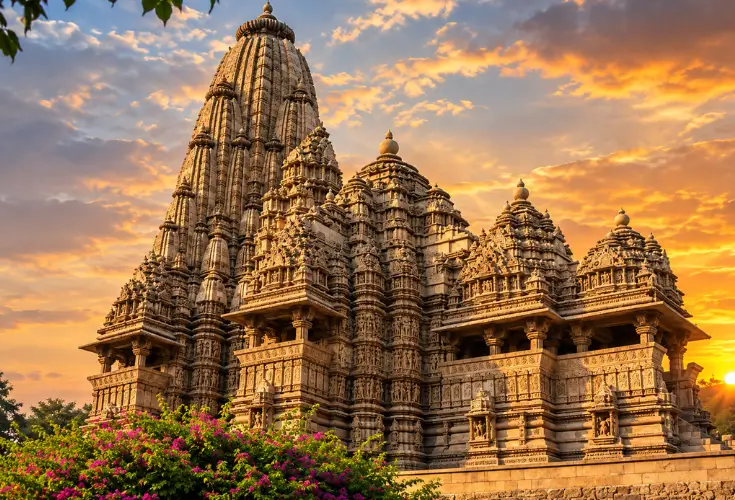 14 Nights / 15 Days
Route Delhi - Varanasi - Agra - Jaipur - Udaipur - Mumbai
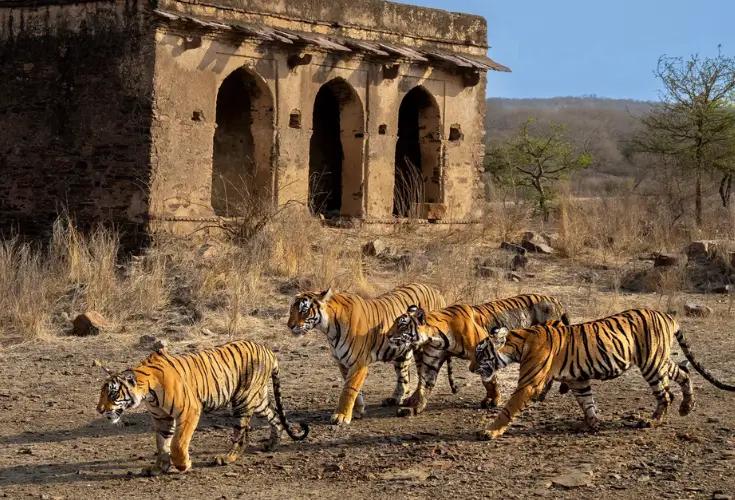 12 Nights / 13 Days
Route Delhi - Agra - Ranthambore - Jaipur - Jawai - Udaipur
 10 Nights / 11 Days
Route Delhi - Agra - Jaipur - Jodhpur - Udaipur
 8 Nights / 9 Days
Route Delhi - Agra - Jaipur - Udaipur
 21 Days / 20 Nights
Route Delhi - Agra - Jaipur - Ranthambore - Udaipur - Mumbai - Goa
 20 Days / 19 Nights
Route Delhi - Agra - Jaipur - Udaipur - Mumbai - Kochi - Kumarakom - Marari
 18 Days / 17 Nights
Route Delhi - Agra - Jaipur - Jodhpur - Udaipur - Mumbai - Goa
 14 Days / 13 Nights
Route Delhi - Agra - Ranthambore - Jaipur - Jodhpur - Udaipur
 14 Days / 13 Nights
Route Delhi - Agra - Jaipur - Jodhpur - Udaipur - Delhi
 12 Days / 11 Nights
Route Delhi - Agra - Jaipur - Udaipur - Mumbai
Let Us Plan It
Send dates and interests. A written proposal follows within 48 hours.
Start the brief →Ready When You Are
Speak to a curator directly — +91 97990 02277.
WhatsApp A CuratorIndia & Beyond
Chauffeur-driven travel nationwide, by the day or the fortnight.
See the fleet →