

India changes character repeatedly on the journey from Delhi to the Arabian Sea. Imperial architecture gives way to Rajasthan’s fortified cities, desert-edge landscapes shift toward the lakes of Mewar, and the journey eventually reaches Mumbai before finishing beside the coast in Goa. The Grand India Journey uses those transitions to create an 18-day route with a clear sense of progression rather than a collection of disconnected destinations.
Arrive at Delhi International Airport and complete the required immigration, baggage and customs formalities. Meet the local representative outside the arrivals area and transfer privately to your selected hotel. Assistance will be provided with check-in and the practical details of the following day. No sightseeing is scheduled because international arrival times vary considerably. The first priority is a comfortable transition into the journey.
Delhi introduces India through several historical periods occupying the same enormous metropolitan area. Sultanate monuments, Mughal neighborhoods, later civic architecture and contemporary districts coexist rather than appearing in a simple chronological order. This makes the capital particularly useful at the beginning of a longer itinerary. The next two days are designed to separate these different layers instead of attempting to cover the city through one exhausting sightseeing circuit.
Spend the rest of today entirely according to your energy level. An early arrival may allow a quiet meal or a short walk near the hotel, while evening arrivals are better followed by dinner and rest. Nothing important is sacrificed by keeping the first day open. Tomorrow begins with the older quarters of the city.
Overnight: Delhi
Begin after breakfast with your private guide in Old Delhi, where the street pattern, religious buildings and trading districts retain a very different scale from modern sections of the capital. Move through selected areas associated with historic Shahjahanabad, using a combination of walking and suitable local transport where appropriate. Your guide will explain how commercial streets developed around religious, residential and administrative functions. Rather than racing between landmarks, spend time understanding the neighborhood itself. This makes the old city more than a backdrop for monuments.
Visit selected historic sites according to current opening conditions, potentially including Jama Masjid and areas around the old Mughal center. Continue through market streets where individual lanes may still be associated with particular trades or goods. Food, textiles, jewelry, religious items and household products all form part of the commercial landscape. The density can be considerable, so the route should remain selective. A knowledgeable guide makes it possible to concentrate on details rather than simply navigating the crowds.
Later, move into a quieter architectural environment at Humayun’s Tomb. Formal gardens and geometric planning provide an immediate contrast with the morning’s compressed streets. The complex introduces important ideas in Mughal garden-tomb architecture that become particularly relevant when you reach Agra. Return to your hotel afterward and leave the evening free for dinner and rest.
Overnight: Delhi
Today begins with architecture from an earlier period of Delhi’s history. Visit Qutub Minar and its surrounding complex, where the monumental tower stands among mosque remains, carved stone, courtyards and structures connected with the early Delhi Sultanate. Your private guide will place the buildings within their historical setting while drawing attention to construction details and inscriptions. Spend time in the wider complex rather than treating the minaret as the only point of interest. The site demonstrates how dramatically Delhi’s architectural language changed over centuries.
Continue through selected areas of New Delhi, where the urban scale shifts once again. Broad avenues, landscaped spaces and monumental government buildings reflect a twentiethcentury vision of the capital very different from both the Qutub complex and Old Delhi. Your guide can discuss the planning of this district and its later role within independent India. A selective drive is preferable to repeatedly stopping for exterior photographs. The purpose is to understand the plan and scale of the city.
Keep the afternoon partially open for an interest that matters to you. Contemporary art, Indian design, textiles, food or another cultural subject can be incorporated through an appropriate visit, or you may return to the hotel for several unscheduled hours. This flexibility distinguishes the second full Delhi day from the more historical first one. Enjoy your final evening in the capital before leaving for Agra tomorrow.
Overnight: Delhi
Leave Delhi after breakfast and travel privately toward Agra. The drive provides a straightforward transition from the national capital to one of the most important cities associated with Mughal rule. Arrive around midday depending on road conditions, check into your hotel and allow time for lunch. Meet your Agra guide after a short rest. The afternoon is devoted to the city’s imperial architecture before tomorrow’s Taj Mahal visit.
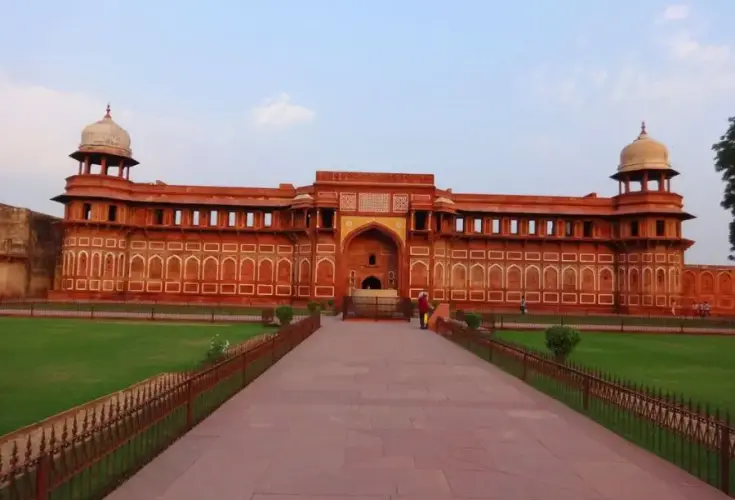
Begin at Agra Fort, where monumental red sandstone walls enclose a succession of courtyards, audience spaces and former royal apartments. Different rulers altered the complex, creating visible shifts between more defensive architecture and increasingly refined palace interiors. Your guide will explain these developments while moving through the accessible sections. Views across the Yamuna also reveal the physical relationship between the fort and the Taj Mahal. The setting helps connect individual monuments within the wider Mughal city.
After the fort, keep the remainder of the afternoon flexible. An appropriate riverside viewpoint may be included if conditions and timing make it worthwhile, or you may return directly to the hotel. Avoid filling the evening with additional sightseeing simply because Agra contains other monuments. Tomorrow begins early and deserves an unhurried start.
Overnight: Agra
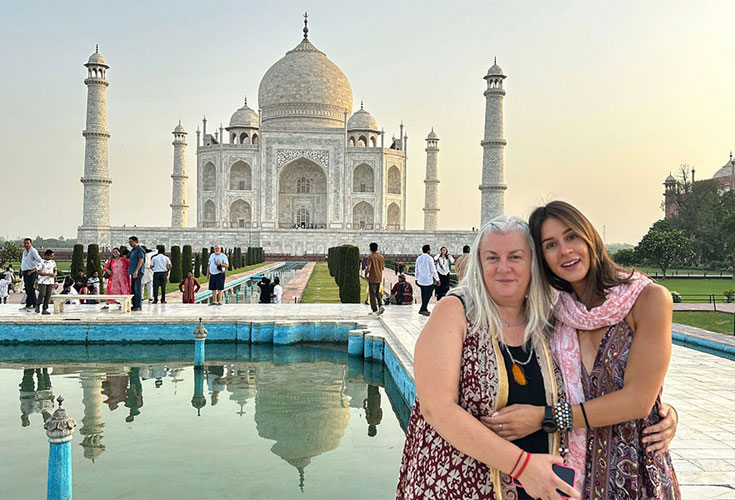
Begin the morning at the Taj Mahal, timed according to current official opening arrangements. Enter with your private guide and allow the approach through the gateway to establish the scale and symmetry of the complex. Before moving close to the mausoleum, consider the garden, waterways, mosque, guest building and riverfront position as parts of a single architectural composition. Your guide will provide historical context while preserving enough quiet time to absorb the setting. The visit should never feel like a race toward one photograph.
Approach the marble mausoleum and examine the details that become visible at closer range. Stone inlay, calligraphy, carved marble and changing proportions reveal the precision behind the building’s apparent simplicity from a distance. Move through the permitted visitor areas while respecting current security and photography regulations. Return to the hotel afterward for breakfast and prepare for departure. This measured morning provides a more complete encounter than squeezing the monument into yesterday’s arrival day.
Travel toward Jaipur, stopping at Fatehpur Sikri if it forms part of the confirmed itinerary and timing permits a worthwhile visit. Continue across the changing landscape into Rajasthan and arrive in Jaipur later in the day. Check into your hotel and leave the evening unscheduled after the road journey. The architecture of Rajasthan begins properly tomorrow.
Overnight: Jaipur
Drive to Amber Fort after breakfast, approaching the former royal stronghold through the surrounding Aravalli landscape. With your guide, pass through its gateways and successive courtyards before entering former audience and residential areas. The complex combines defensive requirements with increasingly elaborate palace architecture. Its position above the surrounding settlement is essential to understanding how the earlier capital functioned. Allow enough time for both the broad layout and smaller decorative details.
Return to Jaipur and continue to City Palace, where the architecture reflects the shift from Amber to the later planned capital. Explore selected courtyards, museum areas and gateways before walking to nearby Jantar Mantar. The observatory’s monumental instruments provide a striking change from palace interiors and reveal the scientific interests of Jaipur’s founder. Your guide will explain their purposes in accessible terms rather than simply identifying each structure.
See the famous exterior of Hawa Mahal before spending time in selected parts of the historic city. Shops, market streets, religious buildings and repeated facades demonstrate how Jaipur’s formal plan extends beyond royal monuments. Return to your hotel later in the afternoon. Keep the evening open for dinner or personal time rather than adding another compulsory event.
Overnight: Jaipur
Begin later today with an experience centered on Jaipur’s material culture. Depending on personal interests, focus on block printing, textiles, gemstone work, miniature painting or another craft with a meaningful regional connection. Visit a carefully chosen workshop where techniques and materials can be explained by people familiar with the work. The emphasis should be educational rather than a sequence of showroom visits. Any purchase remains entirely optional.
Continue through a selected market or neighborhood with your guide, looking more closely at the commercial side of the historic city. Specialist shops, food vendors, religious structures and older facades create a different picture of Jaipur from yesterday’s royal monuments. Travelers interested in photography can use the walk to concentrate on architectural details and street scenes. Food or design interests can also shape the route without turning it into a generic city tour.
Return to the hotel by early afternoon and leave several hours free. Use the pool, arrange an independent spa appointment, have a leisurely lunch or simply stay at the property. This pause is particularly useful before the longer journey to Jodhpur tomorrow. The day intentionally feels less formal than the first Jaipur program.
Overnight: Jaipur
Leave Jaipur after breakfast and begin the private drive to Jodhpur. The journey crosses Rajasthan toward the historic region of Marwar, with the landscape becoming progressively more open and dry. Towns and agricultural areas punctuate the route, while the increasing distances between major urban centers provide a clearer sense of the state’s scale. Your chauffeur will incorporate comfort stops at sensible intervals. Lunch can be taken independently along the way.
Jodhpur presents a markedly different royal landscape from Jaipur. Instead of a planned eighteenth-century capital spreading across relatively level ground, the historic city developed beneath a massive rocky ridge crowned by Mehrangarh Fort. The fortress dominates the urban view and remains the key to understanding the political geography of the former Marwar kingdom. Tomorrow’s program begins there before descending into the streets below. This gives the city a clear architectural narrative.
Arrive at your selected hotel and check in for a two-night stay. Keep the remaining hours free after the road journey rather than adding a rushed monument visit. If practical, enjoy an appropriate viewpoint toward Mehrangarh as the light changes or simply remain at the hotel. Dinner is at leisure and the main exploration of Jodhpur begins tomorrow.
Overnight: Jodhpur
Begin the morning at Mehrangarh Fort, rising directly from the rocky ridge above Jodhpur. The approach through its fortified gateways immediately establishes a very different architectural character from Jaipur. Walk through the complex with your private guide, moving from defensive spaces into courtyards and former palace rooms. The fort developed over several centuries, and individual sections reflect different periods of Rathore rule. Its position also provides a clear understanding of how the historic city expanded below. Continue through the museum and palace areas, paying particular attention to carved stone screens, painted interiors, ceremonial objects and rooms associated with royal life. From the ramparts, broad views extend across Jodhpur and the surrounding plains of Marwar. These viewpoints are not simply scenic; they explain why this ridge was chosen for such a formidable stronghold. Your guide can focus on the most relevant collections and architectural sections rather than trying to cover every room. Allow the fort to occupy most of the morning.
Visit nearby Jaswant Thada before descending into the older city. Walk through selected market streets and residential lanes where the scale becomes considerably more intimate after Mehrangarh. Traditional shops, houses, religious buildings and everyday commerce reveal Jodhpur beyond its fortress. Return to the hotel in the later afternoon and keep the evening free.
Overnight: Jodhpur
After breakfast, leave Jodhpur and travel south toward Udaipur. The road gradually moves away from the drier landscape of Marwar and toward the hills of southern Rajasthan. Villages, cultivated fields and changing vegetation provide a quieter view of the state between its major royal cities. The journey is deliberately broken by one significant architectural visit rather than multiple roadside stops. Comfort breaks can be made whenever required.
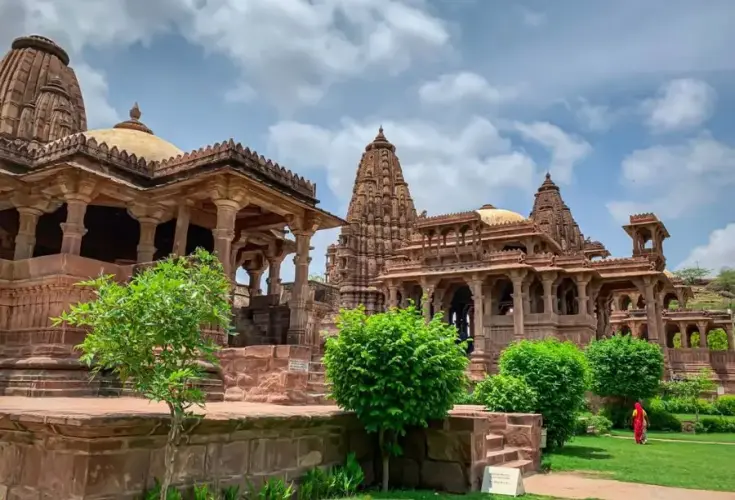
Stop at the Ranakpur Jain temple complex, subject to current religious and visitor timings. Inside the principal marble temple, carved pillars, domes and intricately worked surfaces create an architectural environment completely different from the forts and palaces of Jaipur and Jodhpur. Your guide will introduce the Jain context of the site while allowing time to appreciate its remarkable interior geometry. Current dress, photography and access regulations should be followed carefully. The visit adds an important religious architectural tradition to the wider Rajasthan journey.
Continue through the Aravalli region and arrive in Udaipur later in the day. Check into your selected hotel and leave the evening unstructured. Udaipur’s relationship with lakes and hills creates an immediate visual contrast with Jodhpur’s rocky fortress landscape. Save the City Palace for tomorrow morning when there is sufficient time to understand it properly. Dinner remains at leisure.
Overnight: Udaipur
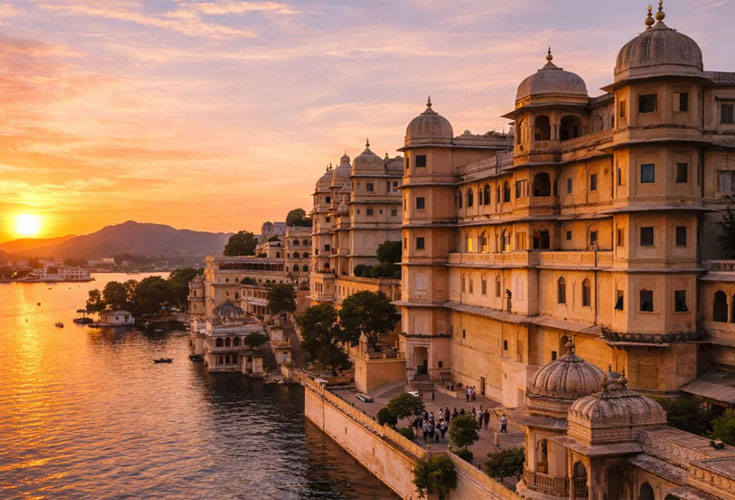
Begin at Udaipur City Palace, an extensive complex developed by successive rulers of Mewar. Move through gateways, courtyards, terraces and former residential sections with your private guide. Because the palace evolved over generations, its architecture feels layered rather than uniformly planned. Windows and terraces repeatedly frame Lake Pichola and the surrounding hills, making landscape an essential part of the experience. This relationship distinguishes Udaipur from the other Rajasthan capitals on the route.
Continue through selected interiors where paintings, decorative stonework, balconies and smaller courtyards reveal a more intimate side of royal architecture. Rather than attempting to remember every ruler and room, concentrate on how different spaces were used and connected. After leaving the palace, walk through part of the surrounding old city. Small temples, shops, workshops and residences demonstrate how urban life developed immediately outside the royal complex. Pause for lunch independently before the afternoon program.
Later, take a boat ride on Lake Pichola, subject to weather, water levels and local operating conditions. Looking back from the water provides one of the clearest perspectives on the scale of the City Palace and its position along the shoreline. Historic buildings, ghats and the Aravalli Hills form part of the wider setting. Return to your hotel after the ride and enjoy the evening at your own pace.
Overnight: Udaipur
Begin at a relaxed hour with Saheliyon Ki Bari, where fountains, pavilions and garden spaces provide a quieter contrast with Rajasthan’s monumental forts. The smaller scale allows the morning to begin without the intensity of another major palace visit. Your guide can provide concise historical context while leaving time to appreciate the garden itself. Water is particularly important to Udaipur’s identity, and even this comparatively intimate site reflects that relationship. Continue afterward according to your personal interests.
Spend part of the morning learning about an artistic tradition associated with the region. An appropriate Mewar miniature painting studio can demonstrate fine brushwork, pigments and compositional techniques, while travelers interested in textiles or another regional craft can choose a suitable alternative. Select a visit where the process can be discussed rather than simply viewing products for sale. This provides a human-scale counterpart to the courtly art seen inside the City Palace. Purchasing should remain entirely optional.
Keep the afternoon free. Enjoy the hotel, return independently to the old city, arrange a spa appointment or spend time overlooking the lake. This is the final full day in Rajasthan, and deliberately reducing the schedule makes the transition to Mumbai more comfortable. Enjoy dinner at your own pace and a quiet final evening in Udaipur.
Overnight: Udaipur
Enjoy breakfast before transferring privately to Udaipur airport for your flight to Mumbai, subject to the confirmed schedule. On arrival, meet the local representative and continue by private vehicle to your hotel. The change between the two cities is considerable: Udaipur’s relatively compact lake-centered setting is replaced by a vast coastal metropolis shaped by commerce, migration and the sea. Allow time to check in and have lunch before beginning any guided program.
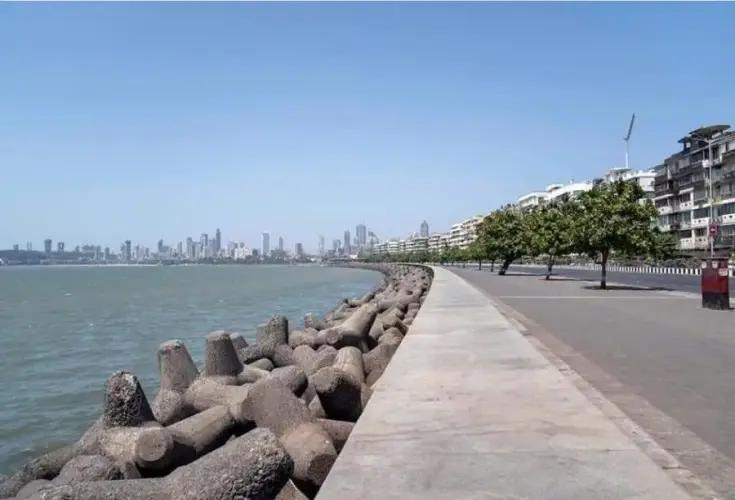
Later, take a selective orientation through South Mumbai with your local guide. Begin around the historic waterfront and continue through areas where nineteenth- and early twentiethcentury civic and commercial architecture remains particularly prominent. Rather than moving rapidly between famous buildings, examine how streets, railway infrastructure, public institutions and the harbor contributed to Mumbai’s growth. Your guide can explain the city’s development as an important trading and commercial center. The architecture becomes much more meaningful within this urban context.
Finish the afternoon with a walk through an appropriate historic district or waterfront area. Mumbai’s energy comes from the constant interaction between old buildings, offices, transportation, shops and public space, so some of the best impressions are gained simply by moving through the city on foot. Return to the hotel before the evening. Dinner can be arranged according to your preferences, with Mumbai offering an unusually broad choice of regional Indian cuisines.
Overnight: Mumbai
Begin with a privately guided morning that looks beyond Mumbai’s most recognizable waterfront landmarks. Depending on your interests, explore an architectural district, historic market or neighborhood connected with the city’s commercial development. Your guide can discuss how different communities contributed to Mumbai’s growth and how waves of migration shaped its social character. The program should remain selective because attempting to cover the entire city in one day would mean spending too much time in traffic. A few well-chosen areas provide a more coherent understanding.
Continue with a subject that adds a contemporary dimension to the journey. Indian design, art, food or another cultural interest can be incorporated through an appropriate gallery, market or specialist visit. Mumbai is particularly useful at this point in the itinerary because it brings the focus away from former royal courts and into present-day urban India. Historic architecture remains visible, but it is surrounded by a city that continues to change rapidly. Allow the program to reflect both sides.
Keep the later afternoon open for independent time. Return to the hotel, browse shops or galleries, enjoy a long lunch or arrange another activity according to your interests. There is no requirement to fill the evening with sightseeing. Tomorrow the route moves farther south to Goa, where the final stage adopts a much slower pace.
Overnight: Mumbai
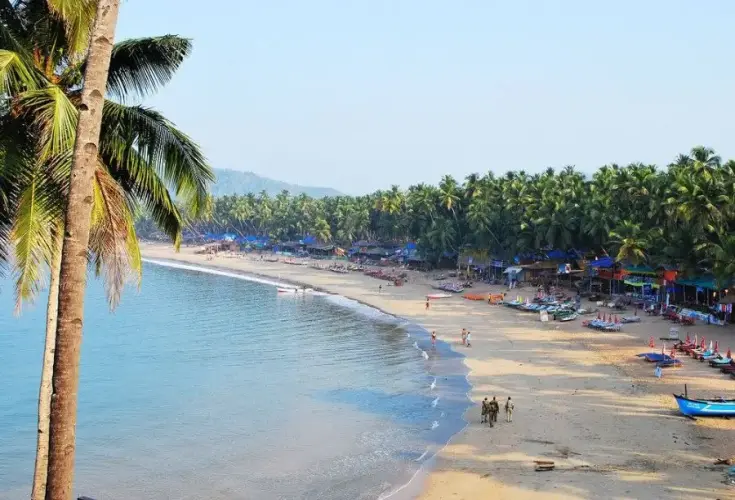
After breakfast, transfer privately to Mumbai airport for the scheduled flight to Goa. On arrival, meet the local representative and continue to your selected coastal hotel or resort. The journey now moves away from the scale and intensity of Mumbai into a region where villages, historic settlements, tropical vegetation and the Arabian Sea define a very different environment. Check in and take time to settle before deciding how much you want to do. The final three nights are intentionally less structured.
Goa’s identity extends well beyond its beaches. Centuries of maritime connections and Portuguese rule left distinctive churches, houses, food traditions and settlement patterns, while local Konkani culture gives the region a character of its own. Rather than attempting to introduce all of this immediately after the flight, the itinerary reserves tomorrow for a guided cultural program. Today is primarily about changing pace. The coastal setting itself becomes part of the journey.
Spend the afternoon at leisure. Walk along the beach where conditions are suitable, enjoy the hotel facilities, swim or arrange a spa treatment independently. There are no monuments to visit and no fixed evening program. After nearly two weeks of movement through northern and western India, several unscheduled hours are particularly valuable. Enjoy dinner at the hotel or an appropriate nearby restaurant.
Overnight: Goa
Meet your private guide after breakfast for a cultural introduction to Goa beyond the resort areas. Begin with selected historic churches and architectural sites in Old Goa according to current access and religious schedules. Your guide will explain how Goa developed as an important center within Portuguese maritime networks and how religious architecture became part of the regional landscape. The buildings should be considered within their historical context rather than simply as European architecture transplanted to India. Respectful dress and behavior are required at active religious sites.
Continue into a historic neighborhood such as Fontainhas, where narrow streets and houses present a more domestic architectural scale. Balconies, colored facades, tiled roofs and adapted tropical building forms reveal how residential architecture developed differently from Goa’s monumental churches. Walk through the area rather than seeing it only from the vehicle. Depending on interest, an appropriate local bakery, food-related stop or design visit can be incorporated. The experience should remain rooted in place rather than becoming a shopping circuit.
Return to your coastal hotel by mid or late afternoon. The remainder of the day is free for the beach, pool or personal interests. Travelers interested in Goan cuisine may use the evening for a carefully selected restaurant, while others can simply remain at the resort. The next day contains no compulsory sightseeing, allowing the journey to end without another schedule.
Overnight: Goa
Today is deliberately free from beginning to end. Wake without an early departure, enjoy breakfast and decide how you want to spend the final full day of the journey. You might remain beside the pool, walk along the coast, read, swim or arrange a wellness treatment independently. After an itinerary containing forts, palaces, cities, flights and road journeys, the absence of a formal program is intentional. Nothing needs to be checked off a list.
If you prefer some activity, the day can be personalized separately. Depending on location and interests, possibilities might involve local food, a village visit, design, architecture or another part of Goa not covered yesterday. Any optional excursion should remain modest enough to preserve the relaxed character of the day. Travelers who simply want to enjoy the resort should feel no pressure to leave it. The purpose of this final stage is time rather than sightseeing volume.
Enjoy the final evening at your own pace. A quiet dinner beside the coast provides a natural ending after the varied environments encountered since Delhi. The journey has gradually moved from imperial capitals to Rajasthan’s royal cities, then to Mumbai and finally to the Arabian Sea. Keeping the last night uncomplicated allows those contrasts to settle without introducing another major experience immediately before departure.
Overnight: Goa
Enjoy breakfast and the final hours at your hotel according to your flight schedule. There is no sightseeing planned, allowing the morning to remain comfortable even when departure timings vary. Check out at the appropriate time and meet your private chauffeur for the transfer to the relevant Goa airport. Flight arrangements will depend on your onward destination and the confirmed itinerary. Adequate connection time should be allowed for international travel.
Over eighteen days, The Grand India Journey has crossed a substantial range of landscapes and historical settings. Delhi and Agra introduced northern India through imperial architecture, while Jaipur, Jodhpur and Udaipur revealed distinct expressions of Rajasthan’s royal heritage. Mumbai then replaced palaces and forts with the architecture and movement of a major contemporary metropolis. Goa completed the progression through coastal history, regional culture and several days with considerably more personal time.
Continue to the airport for your onward flight. Travelers extending their stay can connect with another Indian destination, while those returning home conclude their private arrangements here. The itinerary ends without an additional sightseeing commitment, preserving the relaxed rhythm established during the final days. Departure assistance will be provided according to the confirmed travel arrangements.
Meals: Breakfast
Tour Ends: Goa
What the price includes
What it does not
Starting from
On request
per person · twin share
Get In Touch
No planning fee, no obligation. A curator replies within two hours - or call +91 97990 02277.
 21 Days / 20 Nights
Route Delhi - Agra - Jaipur - Ranthambore - Udaipur - Mumbai - Goa
 20 Days / 19 Nights
Route Delhi - Agra - Jaipur - Udaipur - Mumbai - Kochi - Kumarakom - Marari
 14 Days / 13 Nights
Route Delhi - Agra - Ranthambore - Jaipur - Jodhpur - Udaipur
 14 Days / 13 Nights
Route Delhi - Agra - Jaipur - Jodhpur - Udaipur - Delhi
 12 Days / 11 Nights
Route Delhi - Agra - Jaipur - Udaipur - Mumbai
Let Us Plan It
Send dates and interests. A written proposal follows within 48 hours.
Start the brief →Ready When You Are
Speak to a curator directly — +91 97990 02277.
WhatsApp A CuratorIndia & Beyond
Chauffeur-driven travel nationwide, by the day or the fortnight.
See the fleet →