
Snow-fed mountain ranges, Tibetan monasteries, Sikh sacred traditions, Mughal architecture and Rajput palaces rarely appear within the same Indian itinerary. India: Himalayas, Palaces & the Taj brings these distinct landscapes and cultural histories together across nineteen carefully paced days in northern India.
Arrive at Delhi International Airport, where your representative will meet you after the completion of immigration and baggage formalities. Transfer privately to your selected luxury hotel and settle in. Delhi provides a useful introduction before the itinerary moves into the very different geography of the Himalayan foothills.
No essential sightseeing is scheduled for the arrival day. Guests reaching Delhi early may take a short orientation drive through central districts, while travellers arriving after a long international flight can use the afternoon entirely for rest. This flexibility protects the main sightseeing programme from possible flight delays.
Spend the evening at leisure and prepare for the following morning’s guided introduction to the capital. The route ahead will cross major geographical zones, moving from Delhi to Himalayan hill towns, the plains of Punjab, Mughal Agra and eventually the royal landscapes of Rajasthan.
Overnight: Delhi
Begin in Old Delhi, entering the historic quarters associated with the Mughal city of Shahjahanabad. Visit selected religious and architectural landmarks before moving through the commercial lanes around Chandni Chowk. When included, a cycle-rickshaw ride provides a closer perspective on the dense markets and narrow streets.
Continue later into New Delhi, where broad avenues, landscaped spaces and formal government buildings demonstrate a completely different approach to urban planning. Visit selected monuments representing additional periods of Delhi’s history while your guide explains how successive capitals developed across the wider city.
The day provides historical context without attempting to cover every major Delhi attraction. Return to the hotel in the late afternoon or early evening and keep the remainder of the day relaxed. The following morning begins the transition from the plains into Himachal Pradesh.
Overnight: Delhi
Leave Delhi after breakfast and begin the journey towards Shimla using the most suitable confirmed combination of road, rail or air-and-road transport. A practical option may involve reaching Chandigarh or another appropriate gateway before continuing into the hills by private vehicle, depending on current schedules.
As the route gains elevation, dense plains gradually give way to winding mountain roads, forested slopes and cooler hill-country landscapes. Travel in the Himalayan region is governed by terrain rather than straight-line distance, so the day is intentionally kept free from important sightseeing on arrival.
Reach Shimla and check into your selected luxury or heritage hotel. Spend the remainder of the day at leisure, adjusting to the elevation and mountain climate. If time and conditions permit, take a gentle walk close to the hotel rather than committing to a formal sightseeing programme.
Overnight: Shimla
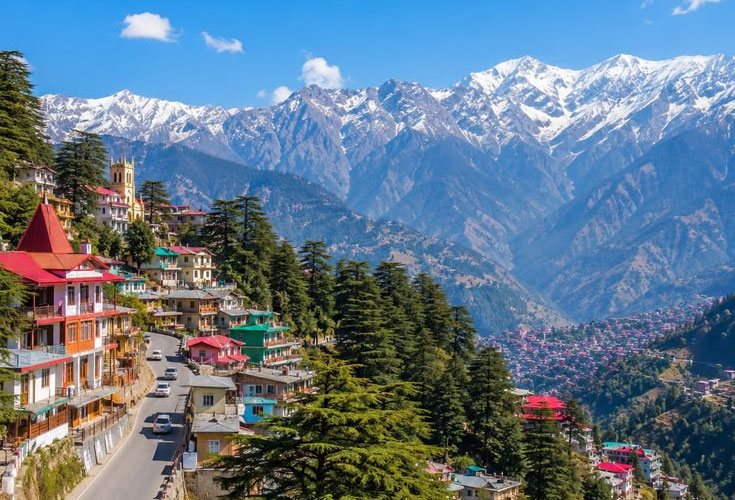
Begin with a privately guided introduction to historic Shimla, whose development accelerated when it became an important administrative hill station during the colonial period. Walk through principal pedestrian areas and examine selected buildings that demonstrate how European architectural styles were adapted to the steep Himalayan terrain.
Continue around The Ridge and Mall Road, where civic buildings, churches, shops and viewpoints occupy the narrow spine of the town. Your guide will explain Shimla’s political and social importance while also drawing attention to the engineering challenges involved in building a substantial settlement across steep slopes.
Spend the later part of the day at a slower pace. Depending on current access, weather and individual interests, visit another historic building or take a short walk through an appropriate forested area. Return to the hotel before evening and enjoy the cooler mountain setting.
Overnight: Shimla
The second full day in Shimla moves beyond the central heritage district. After breakfast, travel to a selected viewpoint, forest area or nearby historic location according to weather, road conditions and the confirmed programme. The purpose is to understand Shimla as a mountain destination rather than concentrating solely on colonial architecture.
Walk at a comfortable pace through an appropriate section of the surrounding landscape. Himalayan weather can change rapidly, and mountain views depend heavily on visibility, so the day remains flexible rather than promising specific panoramas. Seasonal conditions will determine the most suitable outdoor programme.
Return to Shimla later and keep part of the afternoon free for independent time along Mall Road, relaxation at the hotel or personal shopping. This additional night is deliberately included before the longer mountain journey towards Dharamshala, allowing the itinerary to maintain a comfortable rhythm.
Overnight: Shimla
Leave Shimla after breakfast and begin the overland journey towards Dharamshala. This is a substantial mountain-road sector, passing through varied terrain and smaller settlements across Himachal Pradesh. Comfort and meal stops will be made as required rather than attaching a rigid sightseeing schedule to the transfer.
The scenery changes repeatedly as the route crosses valleys, forested sections and inhabited hill country. Road conditions in the Himalayas can be affected by weather, maintenance and seasonal traffic, so exact driving times are intentionally avoided and sufficient flexibility is built into the programme.
Arrive in the Dharamshala region and check into your selected hotel. Depending on its location, views may extend towards the Dhauladhar range when weather and visibility permit. Keep the evening at leisure after the mountain journey and begin cultural sightseeing the next morning.
Overnight: Dharamshala
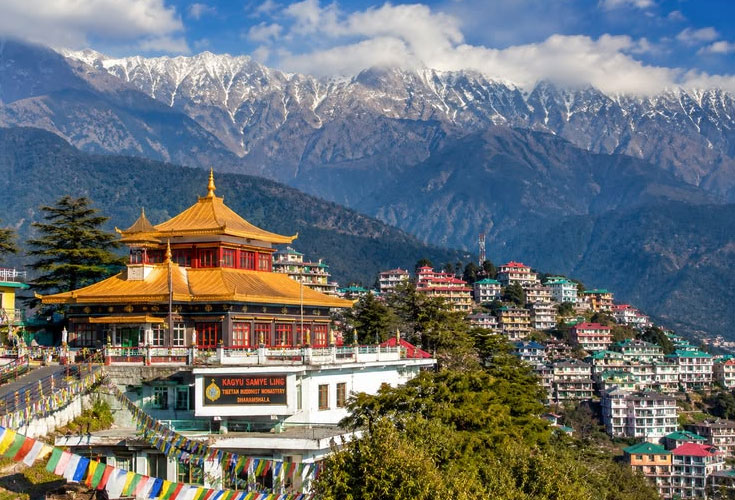
Begin with McLeod Ganj, the hill settlement closely associated with the Tibetan community in exile. Visit selected Buddhist monastic and cultural sites with your private guide while learning about Tibetan religious traditions, migration and the institutions established in the region.
Continue on foot through appropriate parts of the town, observing prayer flags, monasteries, small shops and community spaces against the backdrop of the Dhauladhar mountains. Religious sites remain active places of worship, so modest clothing, quiet behaviour and current photography restrictions should always be respected.
Spend the afternoon visiting another cultural institution, monastery or craft centre according to the confirmed programme and opening schedules. Return to the hotel later in the day. The additional night in Dharamshala allows the following day to extend beyond McLeod Ganj into the broader Kangra landscape.
Overnight: Dharamshala
Travel beyond the main urban area to see another aspect of the Kangra region. Depending on the final programme, the day may include a significant monastery, traditional settlement, tea-growing area, historic site or specialist cultural institution. Selections should reflect current accessibility and individual interests.
The wider valley demonstrates how Tibetan cultural institutions exist within an older Himachali landscape of villages, temples, agriculture and mountain communities. Where an artisan or cultural visit is arranged, time can be spent understanding local techniques and traditions without turning the stop into a compulsory shopping visit.
Return to the hotel with part of the afternoon or evening left unstructured. The slower third night gives sufficient time to appreciate Dharamshala beyond its best-known landmarks and provides rest before leaving the Himalayas for Punjab and the sacred city of Amritsar.
Overnight: Dharamshala
Leave Dharamshala after breakfast and begin the private road journey towards Amritsar. The route gradually descends from Himachal Pradesh, replacing steep mountain terrain with the broader plains of Punjab. The changing geography makes this one of the itinerary’s most noticeable transitions.
Appropriate comfort and meal stops can be made along the way. As the journey progresses, agricultural landscapes and larger settlements begin to replace the forested slopes and mountain communities of the previous days. No major sightseeing is attached to the road sector so the transfer can remain comfortable.
Arrive in Amritsar and check into your selected luxury hotel. Depending on arrival time, take a short orientation through an appropriate part of the city or keep the evening entirely free. The Golden Temple and principal historical sites are reserved for the following day.
Overnight: Amritsar
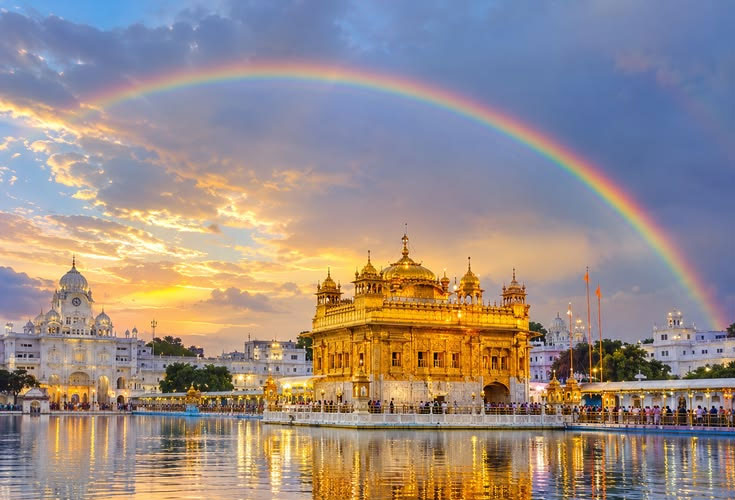
Begin with the Golden Temple, one of the most important sacred places in the Sikh tradition. Enter the complex respectfully with your private guide, following requirements regarding head covering, footwear and appropriate conduct. Walk around the sacred pool and observe the temple within its active devotional setting.
Spend time learning about the principles of service and community associated with the complex. When access and operating arrangements allow, see the large-scale langar community kitchen, where meals are prepared and served to visitors without distinction. The experience provides important context beyond the celebrated architecture of the shrine.
Continue to Jallianwala Bagh and other selected sites relevant to Amritsar’s history. An optional visit towards the India–Pakistan border ceremony can be considered when desired and operational, but it is not essential to the core programme. Return to the hotel for the second night in Amritsar.
Overnight: Amritsar
After breakfast, begin the journey from Amritsar towards Agra using the most practical confirmed air, rail and/or road connection. Because schedules can change, the exact routing should be finalised around the travel date rather than promising a particular direct service in advance.
This travel sector connects two very different historical environments. Amritsar is closely associated with Sikh religious and modern Punjabi history, while Agra became one of the defining centres of Mughal imperial power. Private transfers will support any confirmed flight or rail component.
Arrive in Agra and transfer to the selected luxury hotel. Keep the remainder of the day light after the intercity journey. If timing permits, an appropriate riverside viewpoint or gentle orientation can be arranged, while the principal Mughal monuments remain reserved for the following morning.
Overnight: Agra
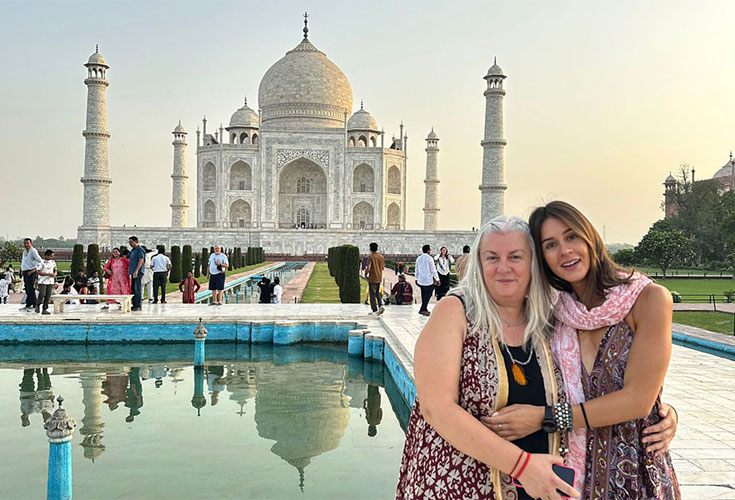
Visit the Taj Mahal at the most suitable scheduled time, subject to official opening regulations and its weekly closure. Walk through the formal entrance and gardens towards the marble mausoleum while your private guide explains its architectural planning, stone inlay, calligraphy, symmetry and historical background.
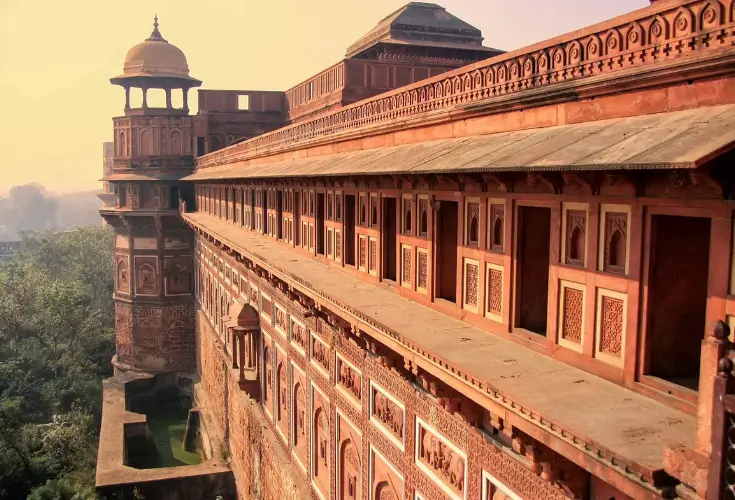
Continue to Agra Fort, where massive defensive walls surround former royal apartments, audience halls and courtyards associated with successive Mughal emperors. The fort provides a broader view of Agra’s role as an imperial capital and places the Taj Mahal within the political landscape of the Mughal court.
After sightseeing, leave Agra and travel privately towards Jaipur. A significant heritage stop may be incorporated en route when included in the final programme and compatible with opening schedules. Arrive in Jaipur, check into your hotel and spend the evening at leisure.
Overnight: Jaipur
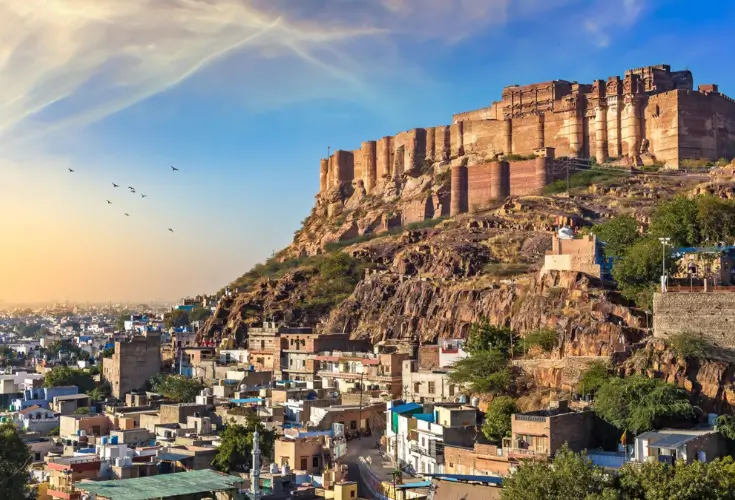
Begin outside central Jaipur at Amber Fort, positioned among the surrounding hills. Enter through fortified gateways and walk through accessible courtyards, ceremonial halls and former residential spaces. Your guide will explain how the complex combines military positioning with increasingly refined palace architecture.
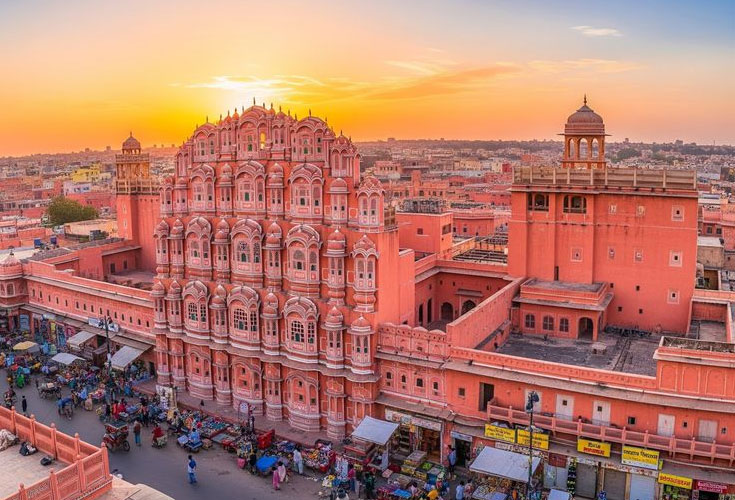
Return to the historic city and pause at a suitable viewpoint for Hawa Mahal before visiting the City Palace. Explore selected courtyards, gateways and collections associated with Jaipur’s royal household. The nearby Jantar Mantar may also be included according to the confirmed sightseeing schedule.
Conclude the day within a traditional market or artisan quarter. Jaipur remains closely associated with jewellery, textiles, block printing and decorative crafts, providing an opportunity to see traditions that developed through court patronage and regional commerce. Return to the hotel for a second night.
Overnight: Jaipur
Spend a second full day looking beyond Jaipur’s headline monuments. Begin with a carefully selected artisan or craft experience, which may focus on hand block printing, textiles, jewellery or another established regional practice. Where possible, the emphasis remains on techniques and craftsmanship rather than a routine retail stop.
Continue into another historic neighbourhood, market area or culturally relevant site according to the confirmed programme. With the principal palace architecture covered the previous day, there is more time to observe Jaipur’s street plan, commercial traditions and smaller architectural details at a comfortable pace.
Keep the later afternoon free for independent exploration or relaxation at your hotel. Three nights in Jaipur prevent the Rajasthan portion from becoming a sequence of hurried one-night stays and provide a useful pause after the long route through the Himalayas, Punjab and Agra.
Overnight: Jaipur
Leave Jaipur after breakfast and travel privately towards Udaipur. The road crosses a substantial section of Rajasthan before approaching the Aravalli region. Comfort and meal stops can be made as required, while any additional heritage stop should be included only when it fits naturally within the confirmed route.
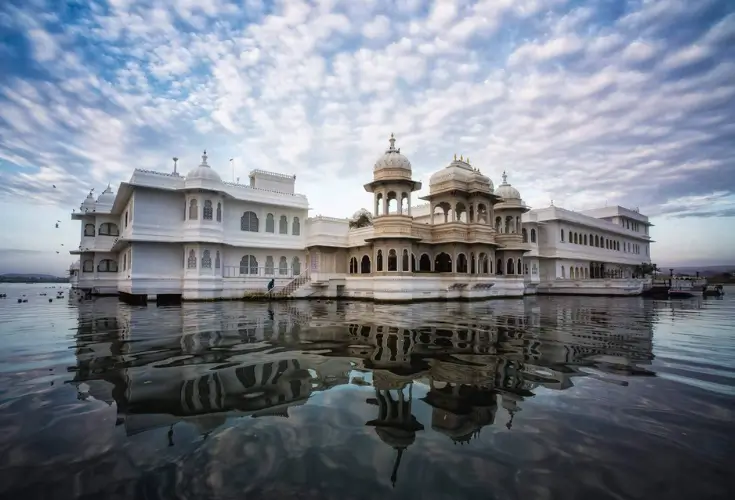
As Udaipur approaches, the landscape and architectural character begin to change. Unlike Jaipur’s planned walled city, Udaipur developed within a setting shaped by hills and interconnected lakes. This relationship between geography and royal architecture becomes central to the final destination.
Arrive at your selected palace, heritage or luxury hotel and check in. Keep the evening relaxed after the drive. Guests staying close to Lake Pichola may enjoy the waterfront setting independently, while formal sightseeing begins the following morning.
Overnight: Udaipur
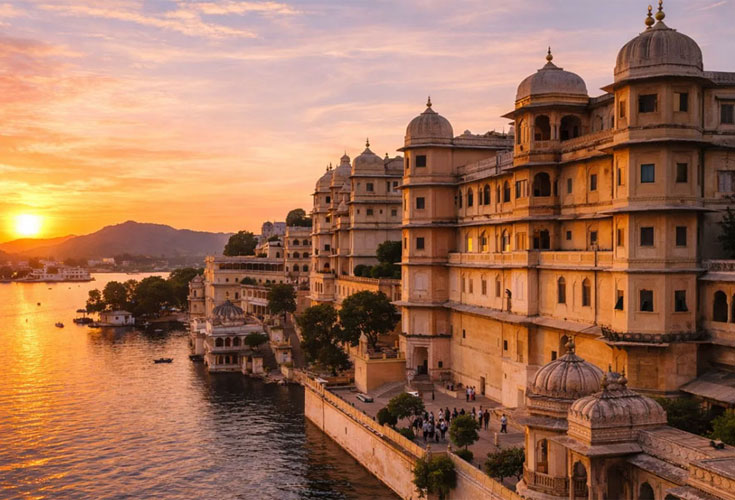
Begin at Udaipur City Palace, an extensive royal complex developed over generations of Mewar rulers. Walk through accessible courtyards, corridors, balconies and former residential areas while your guide explains how successive architectural additions were integrated above Lake Pichola.
Continue through selected parts of Udaipur’s old city. Depending on the confirmed programme, visit a historic temple, garden or another culturally relevant site before walking through smaller streets beneath the palace. These neighbourhoods add a more intimate perspective to the monumental royal complex.
Later, take a boat ride on Lake Pichola when included and operational. From the water, view the City Palace façades, ghats, island structures and surrounding hills. Boat services remain dependent on water levels, weather and local operating conditions.
Overnight: Udaipur
Begin with a closer look at the artistic traditions associated with Mewar. Visit an appropriate miniature-painting studio, textile workshop or other artisan establishment when included in the programme. Time with skilled practitioners can reveal the detailed techniques behind crafts frequently encountered in Rajasthan’s palace collections.
Continue through a quieter section of the historic city or visit another selected cultural site. The purpose of this second full day is not to repeat major monuments but to understand how Udaipur’s artistic identity extends beyond the walls of the City Palace.
Keep the afternoon open for independent walking, shopping or leisure at the hotel. Travellers staying in a palace or lake-facing property may prefer to spend part of the day enjoying the setting. The slower schedule creates a comfortable final stage to a long multi-region itinerary.
Overnight: Udaipur
The final full day remains deliberately flexible. Depending on personal interests, take a privately arranged outing to an appropriate Mewar heritage or countryside location, subject to the final programme, access conditions and the amount of road travel desired.
Alternatively, remain within Udaipur for a relaxed day. Revisit favourite old-city areas, spend time in gardens, browse specialist craft shops or enjoy the facilities of the hotel. After an itinerary stretching from the Himalayan foothills to Punjab and Rajasthan, a lightly structured day provides useful breathing room.
As evening approaches, enjoy the final hours in the lake city at your own pace. The Aravalli hills and waters around Udaipur provide a calm geographical counterpoint to the Himalayan landscapes that shaped the opening half of the tour.
Overnight: Udaipur
Enjoy breakfast at the hotel and keep the morning open according to your onward travel schedule. Guests with a later departure can use the available time for independent shopping, a final walk or leisure rather than committing to another formal excursion.
At the appropriate time, meet your private chauffeur for the transfer to Udaipur Airport, railway station or another confirmed departure point. Connections towards Delhi, Mumbai or another Indian destination can be arranged according to current schedules and the traveller’s onward plans.
India: Himalayas, Palaces & the Taj concludes after crossing a remarkable range of northern Indian landscapes. Shimla and Dharamshala introduced two different Himalayan cultures, Amritsar added Sikh sacred heritage, Agra represented Mughal architecture, and Jaipur and Udaipur completed the route through two contrasting royal traditions of Rajasthan.
What the price includes
What it does not
Starting from
On request
per person · twin share
Get In Touch
No planning fee, no obligation. A curator replies within two hours - or call +91 97990 02277.
 27 Nights / 28 Days
Route Delhi - Varanasi - Agra - Ranthambore - Jaipur - Jodhpur - Udaipur - Mumbai - Hampi - Kochi - Kumarakom - Marari
 23 Nights / 24 Days
Route Delhi - Agra - Jaipur - Udaipur - Mumbai - Kochi - Munnar - Kumarakom - Marari
 21 Nights / 22 Days
Route Delhi - Varanasi - Agra - Ranthambore - Jaipur - Jodhpur - Udaipur - Mumbai - Goa
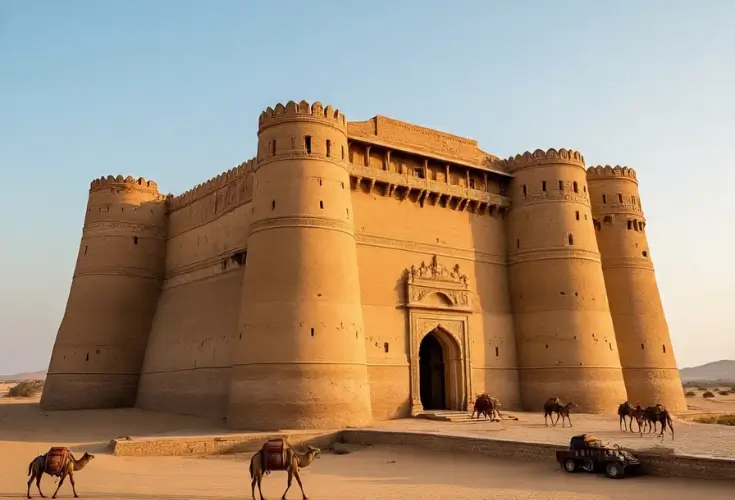 16 Nights / 17 Days
Route Delhi - Varanasi - Agra - Jaipur - Jodhpur - Udaipur - Mumbai
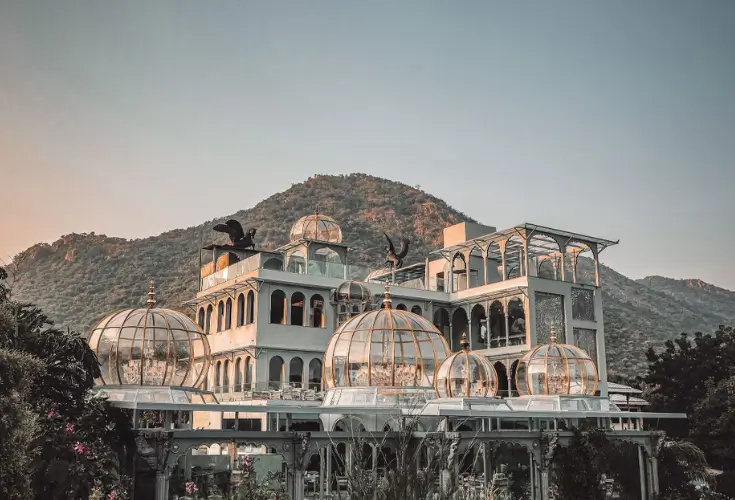 15 Nights / 16 Days
Route Delhi - Jaipur - Jodhpur - Jawai - Udaipur - Shahpura - Delhi
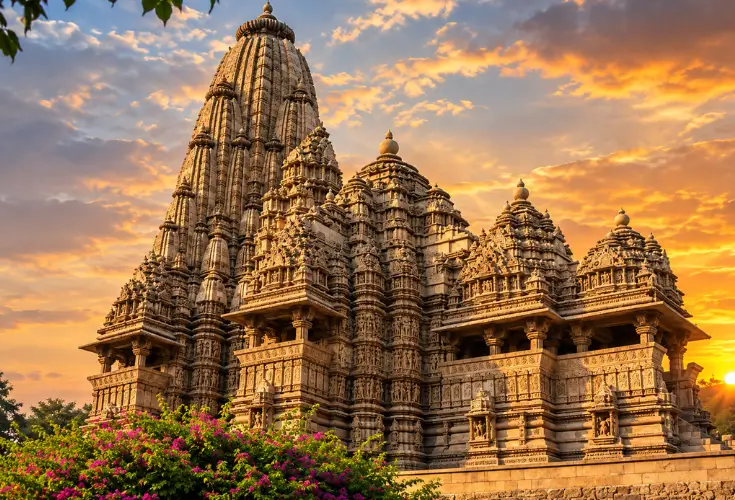 14 Nights / 15 Days
Route Delhi - Varanasi - Agra - Jaipur - Udaipur - Mumbai
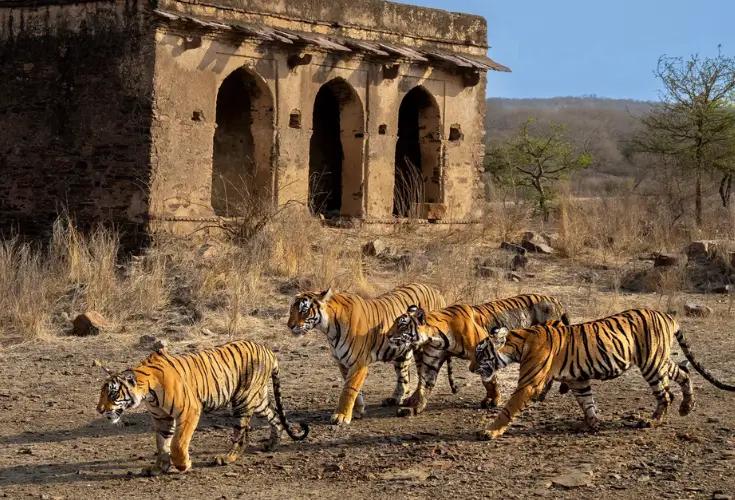 12 Nights / 13 Days
Route Delhi - Agra - Ranthambore - Jaipur - Jawai - Udaipur
 10 Nights / 11 Days
Route Delhi - Agra - Jaipur - Jodhpur - Udaipur
 8 Nights / 9 Days
Route Delhi - Agra - Jaipur - Udaipur
 21 Days / 20 Nights
Route Delhi - Agra - Jaipur - Ranthambore - Udaipur - Mumbai - Goa
 20 Days / 19 Nights
Route Delhi - Agra - Jaipur - Udaipur - Mumbai - Kochi - Kumarakom - Marari
 18 Days / 17 Nights
Route Delhi - Agra - Jaipur - Jodhpur - Udaipur - Mumbai - Goa
 14 Days / 13 Nights
Route Delhi - Agra - Ranthambore - Jaipur - Jodhpur - Udaipur
 14 Days / 13 Nights
Route Delhi - Agra - Jaipur - Jodhpur - Udaipur - Delhi
 12 Days / 11 Nights
Route Delhi - Agra - Jaipur - Udaipur - Mumbai
Let Us Plan It
Send dates and interests. A written proposal follows within 48 hours.
Start the brief →Ready When You Are
Speak to a curator directly — +91 97990 02277.
WhatsApp A CuratorIndia & Beyond
Chauffeur-driven travel nationwide, by the day or the fortnight.
See the fleet →