

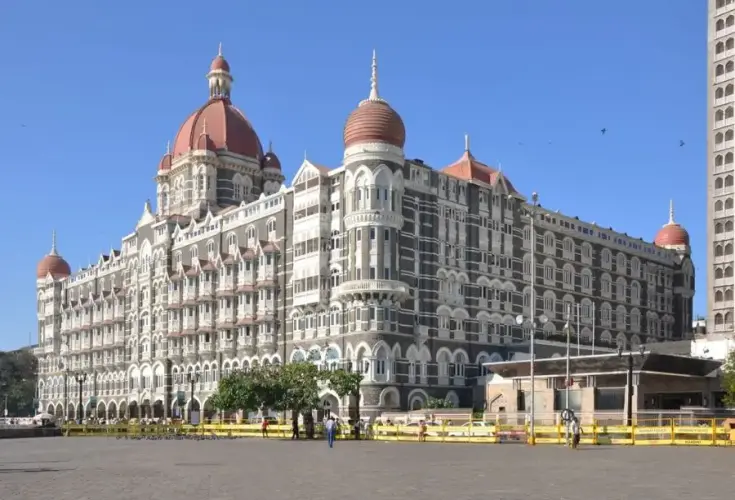
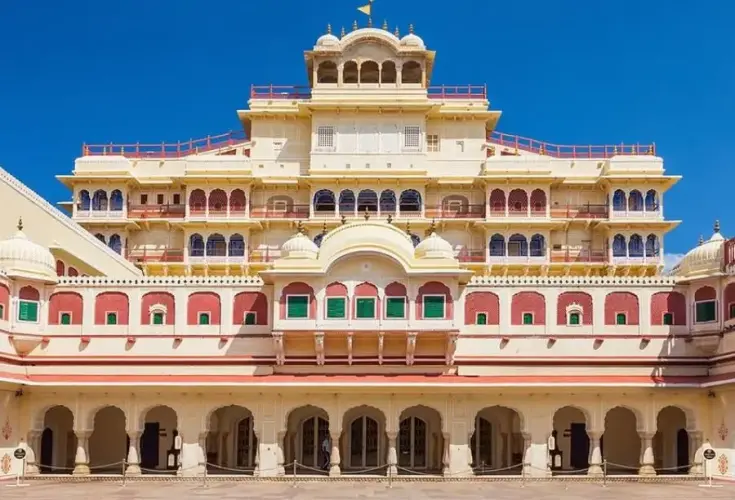
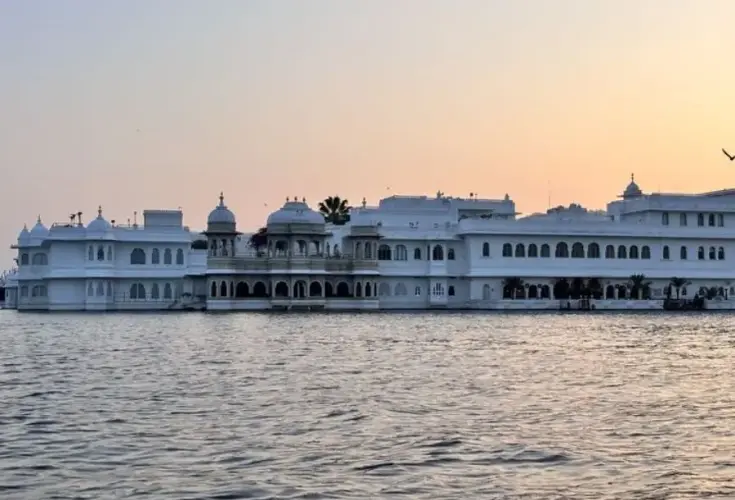
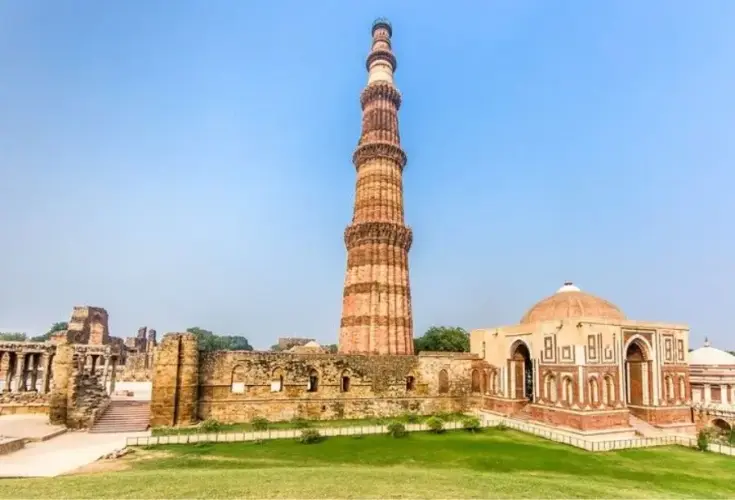
A first journey through India is often most rewarding when it introduces several distinct regions without trying to cover the entire country at once. India’s Signature Journey follows that idea, linking Delhi, Agra, Jaipur, Udaipur and Mumbai in a route that moves from imperial capitals and monumental architecture to Rajasthan’s lake country and finally to India’s western metropolis.
Arrive at Delhi International Airport and complete immigration, baggage collection and
customs before meeting the local representative. You will be assisted to your private vehicle
and transferred to the hotel. No formal sightseeing is scheduled on arrival day because
international flight times vary and the first priority is a comfortable beginning. Check in,
settle into your room and allow yourself time to adjust after the journey. The program starts
properly tomorrow.
Delhi works well as an opening city because several periods of Indian history can be seen
within one metropolitan area. Medieval monuments, Mughal neighborhoods, broad twentieth-
century avenues and contemporary districts exist side by side rather than in a neat
chronological sequence. This layered character provides useful context for Agra and
Rajasthan later in the journey. It also prevents the trip from beginning with only one
architectural tradition.
Use the rest of the day according to your arrival time. An early arrival may allow a quiet meal
or a short neighborhood drive, while a late arrival is better followed by dinner and rest. There
is no need to fill the first afternoon with major sightseeing. A rested start will make
tomorrow’s guided exploration considerably more rewarding.
Overnight: Delhi
Begin the morning with your private guide and head toward Old Delhi, where the dense
street pattern reveals a very different city from the broad avenues elsewhere in the capital.
Depending on the final program, visit selected historic sites and move through part of the old
commercial district by foot or another appropriate local mode. Your guide will provide
context on Shahjahanabad, the Mughal-era city established in the seventeenth century. The
aim is to understand the relationship between monuments, markets, religious buildings and
residential streets rather than rush between isolated attractions.
Later, continue to Humayun’s Tomb, one of Delhi’s most important Mughal monuments
and an essential architectural introduction before the Taj Mahal. Walk through the garden
setting and examine how geometry, symmetry and elevated tomb architecture developed
within the Mughal tradition. The building’s form and landscape planning make it particularly
useful for understanding what evolved later in Agra. Time should be allowed to appreciate
the composition as a whole rather than focusing only on decorative details.
Continue with a selective drive through New Delhi, seeing key civic spaces and avenues
associated with the capital’s later development. Depending on time and interests, an
additional visit such as Qutub Minar or another important site may be included in the
confirmed program. Return to the hotel in the late afternoon and keep the evening open.
Dinner can be arranged independently according to your preferences.
Overnight: Delhi
After breakfast, leave Delhi by private vehicle and travel toward Agra. The road journey is
straightforward and allows a comfortable arrival by late morning or early afternoon
depending on traffic and hotel timing. Check in, have lunch and take a short break before
beginning the cultural program. The transition from Delhi to Agra narrows the historical
focus from a multilayered capital to a city strongly associated with the Mughal court.
Begin with Agra Fort, where red sandstone and marble structures reveal how Mughal
architecture evolved across different reigns. The fort was both defensive and residential,
containing palaces, audience halls, courtyards and elevated spaces overlooking the Yamuna
River. Your guide will explain how the complex functioned as an imperial center rather than
simply a military fortress. The views toward the Taj Mahal also create a useful architectural
connection before tomorrow’s visit.
Later, if time and conditions are suitable, visit an appropriate riverside viewpoint or spend the
evening at leisure. Avoid adding too many monuments on the first afternoon because the Taj
Mahal deserves an unhurried visit the following morning. Return to the hotel and enjoy a
relaxed evening. Dinner is at your discretion.
Overnight: Agra
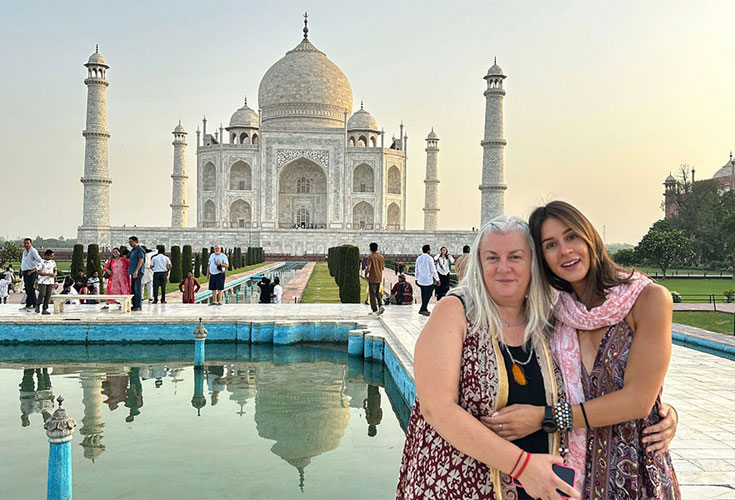
Begin early with a privately guided visit to the Taj Mahal, timed according to current
opening hours and practical conditions. Enter through the monumental gateway and allow the
complex to unfold gradually rather than moving directly toward the main mausoleum. Your
guide will explain the relationship between architecture, gardens, water channels, symmetry
and the Yamuna River. The monument’s impact lies not only in its marble surface but in the
precision of the entire composition.
Spend sufficient time around the platform, mosque, guest building and principal garden areas
while observing current site regulations. Details of inlay work, calligraphy and carved stone
can be examined once the broader architectural plan is understood. Photography can be
incorporated naturally without allowing it to dominate the visit. The early timing also offers
the possibility of softer light and a more comfortable atmosphere, though exact conditions
can never be guaranteed.
Return to the hotel for breakfast or a late morning break depending on the schedule. The
afternoon can remain free or include a carefully chosen visit related to Agra’s marble inlay
tradition, local craft or another cultural interest. Any workshop should be selected for
educational value and not treated as compulsory shopping. Enjoy a quieter evening before
tomorrow’s drive to Jaipur.
Overnight: Agra
Leave Agra after breakfast and begin the overland journey toward Jaipur. Depending on
interests, timing and the finalized route, stop at Fatehpur Sikri, the former Mughal capital
built under Emperor Akbar. Its gateways, courtyards and palatial structures provide another
perspective on Mughal planning and help bridge the architectural story between Agra and
Rajasthan. The visit should remain selective so the road journey does not become
unnecessarily long.
Continue west toward Jaipur as the landscape gradually changes. Agricultural plains and
smaller towns give way to the terrain associated with eastern Rajasthan. The transition is
important because the architecture and political history of Jaipur emerge from a different
regional tradition than the Mughal monuments seen over the previous days. Appropriate
comfort stops can be made along the way.
Arrive in Jaipur and check into your hotel, ideally with enough time to settle before evening.
No major sightseeing is required after the transfer. Enjoy the hotel, take a short orientation
drive if desired or simply rest. Tomorrow provides a full introduction to the city’s royal and
architectural heritage.
Overnight: Jaipur
Begin at Amber Fort, located outside the main city and set against the surrounding Aravalli
Hills. Enter the complex with your private guide and move through its courtyards, gateways,
audience spaces and former residential sections. The architecture reveals a combination of
defensive planning and refined interior design. Your guide will explain how Amber
functioned before Jaipur became the principal royal capital.
Return toward the city, pausing for an exterior view of Jal Mahal where appropriate before
continuing to the historic center. Visit City Palace, where courtyards, museums and former
royal areas introduce the later history of Jaipur’s ruling family. Continue to Jantar Mantar,
whose monumental astronomical instruments demonstrate the scientific interests of Maharaja
Sawai Jai Singh II. The close proximity of these sites allows the afternoon to remain efficient
without feeling hurried.
See the exterior of Hawa Mahal and continue through selected parts of the old city. Markets,
facades and traditional commercial streets provide a useful counterpoint to the formal palace
architecture. Return to the hotel later in the afternoon and keep the evening free. A restaurant,
private dining arrangement or relaxed hotel dinner can be chosen according to your
preferences.
Overnight: Jaipur
Begin the day at a more relaxed pace with a focus on the skills and industries that continue to
shape Jaipur beyond its monuments. Depending on your interests, spend time with textiles,
block printing, jewelry, stone work or another appropriate local craft tradition. A well-
selected visit should explain technique, materials and design rather than function only as a
retail stop. This creates a more personal second day in the city.
Continue with a walk through selected market streets or a neighborhood that provides a
different perspective on Jaipur’s urban character. The city’s original plan, color, shopfronts
and movement are best appreciated at street level rather than only from the private vehicle.
Travelers interested in photography or architecture may wish to spend longer in one
particular district. Your guide can adjust the morning accordingly.
Keep the afternoon substantially free. Return to the hotel, use the pool, arrange an
independently booked spa treatment or enjoy several hours with no scheduled sightseeing.
This slower period prevents the city from becoming a dense sequence of monuments. It also
creates a more comfortable transition before tomorrow’s onward journey to Udaipur.
Overnight: Jaipur
After breakfast, leave Jaipur and travel toward Udaipur, either by the most practical road
arrangement or another confirmed transportation option selected for the final itinerary. If
traveling overland, the journey provides a broad view of Rajasthan’s changing terrain as you
move south toward the Aravalli region. The landscape becomes more varied and increasingly
hilly closer to Udaipur. Comfort breaks can be incorporated naturally.
The road journey also creates a useful pause between two very different royal cities. Jaipur
was conceived as a planned capital with broad streets and carefully ordered urban form, while
Udaipur developed in close relationship with lakes, hills and the political history of Mewar.
These differences become immediately apparent on arrival. The city’s water and surrounding
terrain soften the visual character of the route after Jaipur.
Check into your hotel and leave the remainder of the day free. A lake-facing or heritage-
oriented property can make the arrival particularly effective, allowing the setting itself to
become part of the experience. Avoid starting the major City Palace visit late in the afternoon
simply to fill the day. Tomorrow is reserved for Udaipur’s principal sights.
Overnight: Udaipur
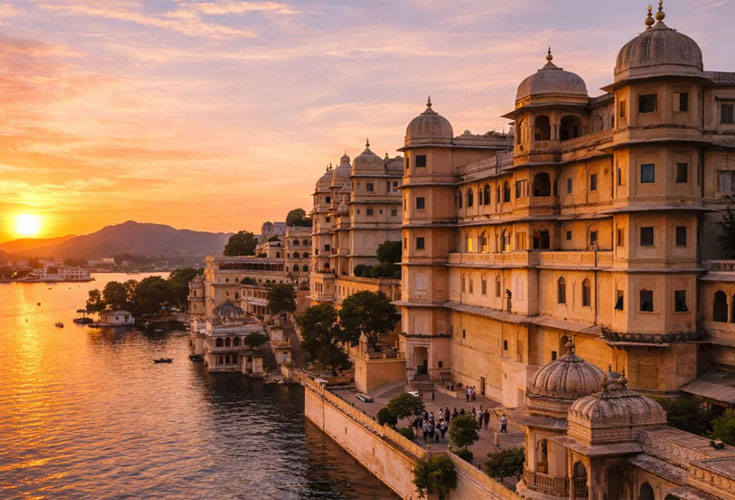
Begin the morning at the City Palace of Udaipur, an extensive complex built and expanded
by successive rulers of Mewar. Move through gateways, courtyards, terraces and selected
interior spaces while your guide explains how the palace developed over generations. Unlike
the fort-dominated architecture of some other Rajasthan cities, Udaipur’s palace is closely
connected with the lake and surrounding hills. The views from different levels are therefore
an important part of the architectural experience.
Continue through the areas that best illustrate the palace’s decorative and residential
character. Painted surfaces, stonework, balconies and smaller courtyards create a more
intimate counterpoint to the massive exterior. Your guide can concentrate on the most
relevant sections rather than attempting to explain every room. Afterward, continue into
selected streets of the old city for a closer look at neighborhood scale and local architecture.
Later, take a boat ride on Lake Pichola, subject to water levels, weather and local operating
conditions. From the water, the relationship between the City Palace, ghats, historic buildings
and surrounding hills becomes much easier to understand. Return to the hotel afterward and
keep the evening open. The day combines architecture and landscape without requiring
additional long drives.
Overnight: Udaipur
Begin without an early departure and visit Saheliyon Ki Bari, a historic garden designed
around fountains, shaded areas and smaller architectural features. After several days
dominated by forts and palace complexes, the garden provides a different scale and
atmosphere. Your guide can explain its history while allowing the setting itself to remain the
main focus. The visit is intentionally gentle.
Continue with an art, design or craft experience suited to your interests. Udaipur has a
longstanding connection with miniature painting, and a well-chosen studio or practitioner can
provide useful insight into materials, technique and iconography. Travelers more interested in
textiles, architecture or contemporary design can substitute another appropriate visit. The
morning is meant to feel personal rather than predetermined.
Return to the hotel for a largely free afternoon. Enjoy the lakefront setting, arrange a spa
treatment independently, spend time at the pool or simply avoid having another schedule.
This final Rajasthan day is designed to be spacious before tomorrow’s flight to Mumbai.
Dinner can be taken at the hotel or at a selected restaurant according to your preference.
Overnight: Udaipur
After breakfast, transfer privately to Udaipur airport for the scheduled flight to Mumbai,
subject to the final confirmed arrangements. On arrival, meet the local representative and
transfer to your hotel. The flight creates one of the strongest changes in the itinerary, moving
from a relatively compact historic lake city to one of India’s largest and most commercially
important urban centers. Allow time to settle before beginning the afternoon program.
Later, meet your Mumbai guide and begin with a selective introduction to the city’s historic
core. Depending on hotel location and arrival timing, this may include architectural districts
associated with Mumbai’s nineteenth- and early twentieth-century development, the
waterfront and key civic landmarks. Your guide will explain how port activity, commerce,
migration and colonial-era planning shaped the city’s growth. The emphasis should remain
on urban history rather than collecting landmark photographs.
Continue with a short walk through an appropriate neighborhood or waterfront area before
returning to the hotel. Mumbai rewards observation because much of its character lies in the
interaction between architecture, transportation, commerce and street life. Keep the evening
flexible after the flight and afternoon sightseeing. Dinner can be arranged according to your
interests, with the city offering a particularly broad range of regional Indian and international
cuisine.
Overnight: Mumbai
Begin the final day with breakfast and a privately guided program shaped around your flight
schedule. If time permits, continue through selected neighborhoods that reveal another side of
Mumbai, perhaps focusing on architecture, markets, design, food or another area of personal
interest. The program should remain selective because the city is too large to summarize
through a rushed final morning. A few well-chosen areas will provide more value.
The journey has moved through several distinct expressions of India rather than staying
within one region. Delhi introduced a multilayered capital, Agra provided the architectural
discipline of the Mughal court, Jaipur and Udaipur revealed two very different Rajasthan
traditions, and Mumbai closed the route through the energy of a contemporary coastal
metropolis. The contrasts are intentional. Together, they create a broad introduction without
reducing India to a single historical period or travel style.
At the appropriate time, return to the hotel, collect your luggage and transfer privately to
Mumbai International Airport for your onward flight. Travelers continuing elsewhere in India
can connect according to their wider plans. The 12-day India’s Signature Journey
concludes here after a route built around architecture, regional character, personal time and
carefully managed transitions between destinations.
Meals: Breakfast
Tour Ends: Mumbai
What the price includes
What it does not
Starting from
On request
per person · twin share
Get In Touch
No planning fee, no obligation. A curator replies within two hours - or call +91 97990 02277.
 21 Days / 20 Nights
Route Delhi - Agra - Jaipur - Ranthambore - Udaipur - Mumbai - Goa
 20 Days / 19 Nights
Route Delhi - Agra - Jaipur - Udaipur - Mumbai - Kochi - Kumarakom - Marari
 18 Days / 17 Nights
Route Delhi - Agra - Jaipur - Jodhpur - Udaipur - Mumbai - Goa
 14 Days / 13 Nights
Route Delhi - Agra - Ranthambore - Jaipur - Jodhpur - Udaipur
 14 Days / 13 Nights
Route Delhi - Agra - Jaipur - Jodhpur - Udaipur - Delhi
Let Us Plan It
Send dates and interests. A written proposal follows within 48 hours.
Start the brief →Ready When You Are
Speak to a curator directly — +91 97990 02277.
WhatsApp A CuratorIndia & Beyond
Chauffeur-driven travel nationwide, by the day or the fortnight.
See the fleet →