
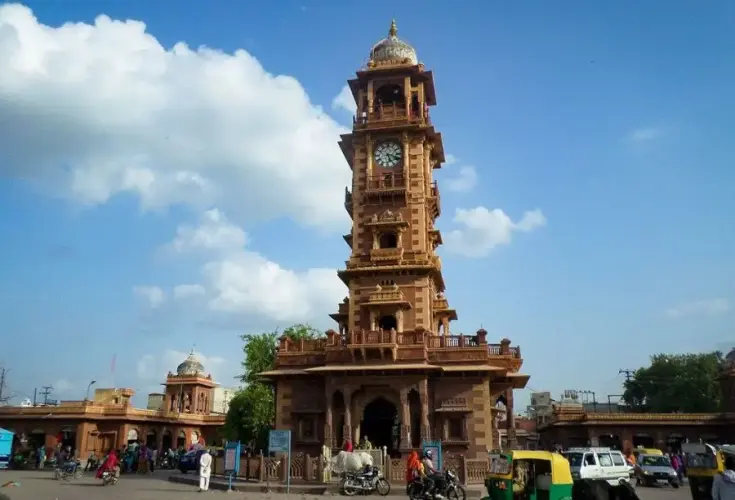
Northern India’s royal architecture was never shaped by a single court, dynasty or architectural language. Mughal garden tombs, imperial forts, Rajput hilltop defenses, painted palace chambers and lakeside residences each emerged from different political landscapes. Palaces of Northern India brings these traditions together in a private 14-day itinerary while giving each destination enough time to reveal its own character.
Arrive at Delhi International Airport, complete the required immigration and baggage formalities, and meet the local representative in the arrivals area. You will be assisted to a private vehicle for the drive to your hotel. No sightseeing is scheduled today, leaving the program flexible for travelers arriving on different international services. After check-in, take time to settle into the property and recover from the journey. Your main sightseeing begins after a full night’s rest.
Delhi is particularly suited to the beginning of this itinerary because the city contains architecture from several periods rather than representing a single royal court. Sultanate monuments, Mughal buildings, nineteenth- and twentieth-century civic architecture and contemporary neighborhoods exist within the same metropolitan landscape. Over the next two days, these layers will establish historical context before you travel to Agra and Rajasthan. The city also provides an early sense of the scale and complexity of northern India.
The rest of the day belongs entirely to you. Depending on arrival time, enjoy the hotel, have a light meal or take a short walk in the immediate area if appropriate. There is no advantage in beginning an intensive program after a long international flight. A quiet first evening creates a much stronger start for the days ahead.
Overnight: Delhi
Meet your private guide after breakfast and begin in Old Delhi, historically associated with Shahjahanabad, the Mughal capital established under Shah Jahan. The district remains a dense mixture of religious buildings, trading streets, residences and specialist markets. Visit selected historic landmarks before entering some of the narrower commercial lanes on foot or by an appropriate local mode of transport. Your guide will explain how the original city was structured and how its functions have changed over time.
Rather than viewing Old Delhi only through its most crowded streets, spend time looking at the relationship between important buildings and the communities around them. Depending on the finalized itinerary, the morning may include Jama Masjid and appropriate viewpoints toward the Red Fort area, while individual stops remain subject to opening arrangements. Markets dealing in textiles, food, jewelry, books or traditional goods may also form part of the route. These streets provide useful context for the courtly architecture encountered later because imperial cities depended on commercial districts as much as palaces.
After lunch, continue to Humayun’s Tomb, where garden planning and monumental tomb architecture offer an important introduction to mature Mughal design. Walk through the formal landscape before approaching the main mausoleum so the geometry of the complex can be understood properly. Your guide will discuss architectural developments that later became especially influential in Agra. Return to the hotel afterward and leave the evening free.
Overnight: Delhi
Today looks at another side of Delhi, beginning with an important monument or historic area outside the Old Delhi circuit. A visit to Qutub Minar and its surrounding complex can introduce architecture associated with some of the earliest centuries of the Delhi Sultanate. The monumental tower, mosque remains, carved stonework and reused architectural elements make the site particularly valuable when seen with historical explanation. Allow enough time to examine the wider complex rather than simply photographing the minaret.
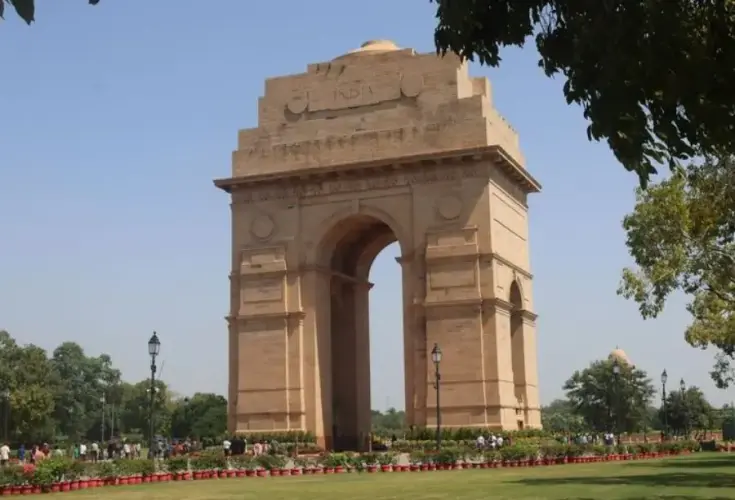
Continue through selected parts of New Delhi, where broad avenues, government buildings and carefully planned civic spaces provide a dramatic contrast with yesterday’s historic neighborhoods. Your guide can explain how the modern imperial capital was conceived and how these areas were incorporated into independent India’s national capital. Rather than stopping at every landmark, use a selective route that emphasizes urban planning and architectural composition. This makes the day substantially different from the Mughal emphasis of yesterday.
Keep the later afternoon available for your own interests. You might visit a gallery, spend time with contemporary Indian design, explore an appropriate market or return to the hotel. Travelers interested in food can use the evening for a thoughtfully selected restaurant, while others may prefer a quiet dinner at the property. Tomorrow the journey leaves Delhi for Agra.
Overnight: Delhi
Leave Delhi after breakfast and travel privately to Agra, reaching the city around midday depending on road conditions. Check into the hotel and take time for lunch before meeting your local guide. Agra’s association with the Taj Mahal can sometimes overshadow its wider importance as a Mughal imperial center. The first afternoon therefore begins not at the mausoleum, but with the architecture of power.
Visit Agra Fort, where successive Mughal rulers transformed a formidable red sandstone fortress into an elaborate complex containing palaces, courtyards, audience spaces and private apartments. Walk through the accessible sections with your guide and examine how military architecture sits alongside increasingly refined residential design. Different building phases reveal changes in materials and decorative preferences across several reigns. Elevated portions of the fort also provide important views toward the river and the Taj Mahal.
The late afternoon should remain relatively light. Depending on timing, visit an appropriate riverside area or return to your hotel and enjoy the property. Saving the Taj Mahal for tomorrow morning allows the monument to be approached independently rather than squeezed into the end of a transfer day. Spend the evening at leisure.
Overnight: Agra
Begin early with your private guide at the Taj Mahal, subject to its official opening schedule. Pass through the entrance sequence before reaching the formal garden, allowing the architecture to reveal itself gradually. Your guide will explain the relationship between the mausoleum, garden, waterways, mosque, guest building and Yamuna River. Seeing the whole composition first makes the decorative detail considerably more meaningful.
Approach the marble mausoleum and spend time examining its proportions, stone inlay, calligraphy and carved surfaces. The building changes subtly according to light, distance and viewing angle, making an unhurried visit worthwhile. Walk along different sections of the garden and river-facing platform rather than treating one frontal view as the entire experience. Site regulations regarding photography, security and access will be followed as applicable.
Return to the hotel for breakfast or a later morning meal depending on the finalized schedule. In the afternoon, an optional educational visit related to pietra dura marble inlay or another Agra craft can be arranged with an appropriate workshop. This provides context for techniques visible within Mughal monuments without making shopping compulsory. Keep the remainder of the day relaxed before continuing into Rajasthan tomorrow.
Overnight: Agra
After breakfast, check out and drive toward Jaipur, stopping at Fatehpur Sikri if included in the final arrangements. Built under Emperor Akbar, the former imperial capital contains courtyards, gateways, audience areas, palatial structures and religious spaces arranged within a remarkably coherent architectural ensemble. Your guide will explain why the site represents a different expression of Mughal power from Agra Fort. Its relatively short period as an imperial center makes its survival particularly interesting.
Continue toward Rajasthan after the visit, with a suitable stop for lunch along the way. The landscape changes gradually as the journey moves west, and the architectural story also begins to shift away from the Mughal court toward the Rajput kingdoms. Jaipur will introduce one of northern India’s most deliberately planned historic capitals. Comfort stops can be made whenever appropriate.
Arrive at the selected Jaipur hotel and complete check-in. Keep the evening unscheduled after the overland journey. Enjoy the property, have dinner at your own pace or take a short orientation drive if you wish. Tomorrow is devoted to Jaipur’s fort and palace architecture.
Overnight: Jaipur
Travel outside the historic center in the morning to Amber Fort, dramatically positioned against the Aravalli landscape. Enter the fortified complex and explore its sequence of courtyards, audience halls, gateways and former royal apartments with your private guide. From defensive walls to more decorative interiors, the architecture reveals the dual role of Amber as both stronghold and court. Its elevated location also makes the surrounding terrain an important part of the visit.
Return toward central Jaipur and continue to the City Palace, where architecture from different periods reflects the royal family’s move from Amber into the new capital. Walk through selected courtyards, gateways and museum sections according to current visitor access. Nearby, visit Jantar Mantar, whose large-scale astronomical instruments demonstrate the intellectual interests of Jaipur’s founder, Sawai Jai Singh II. These sites collectively explain why Jaipur was conceived as much more than a collection of palaces.
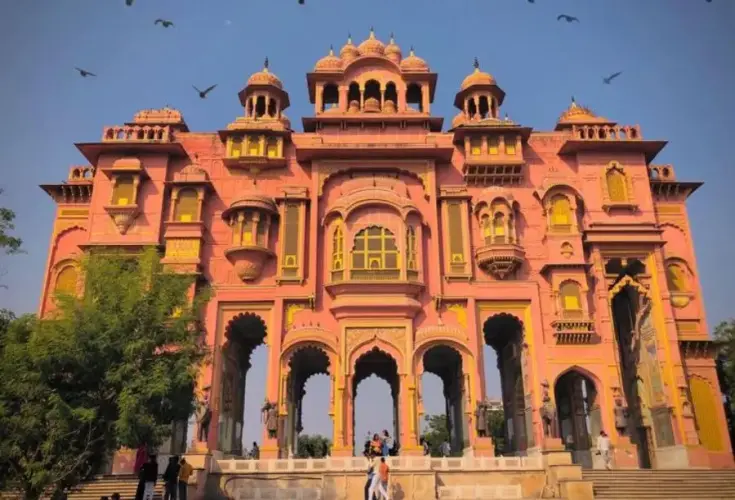
Before returning to the hotel, view the celebrated façade of Hawa Mahal and spend time in selected streets of the historic city. Market areas and commercial buildings show how Jaipur’s ordered urban plan functions beyond its principal monuments. Avoid filling the evening with another scheduled event unless something specific interests you. The city receives a second full day tomorrow.
Overnight: Jaipur
Start later this morning with a visit focused on one of Jaipur’s longstanding artistic traditions. Depending on your interests, this might involve hand block printing, textiles, gemstone work, miniature painting or another regional craft. Choose a studio or workshop that can explain materials and techniques rather than simply present finished products. The experience offers a different view of royal patronage because many Jaipur crafts developed in close relationship with courtly demand and regional trade.
Continue into an appropriate market or residential section where the city can be experienced at street level. Architectural facades, specialist shops, religious structures and daily commercial activity reveal details that are easily overlooked during monument-heavy sightseeing. If photography, food or design is a particular interest, the morning can be adjusted accordingly. A private guide allows the route to remain flexible rather than following a fixed shopping circuit.
Return to the hotel by early afternoon and keep the remainder of the day substantially open. Enjoy lunch, the pool, a spa treatment arranged independently or simply several hours without transportation. The free period is deliberate because tomorrow begins the journey farther west into Rajasthan toward Jodhpur. This quieter afternoon also separates the palacefocused first Jaipur day from the next stage of the itinerary.
Overnight: Jaipur
Leave Jaipur after breakfast and begin the private drive west toward Jodhpur. The journey crosses a broad section of Rajasthan, gradually moving away from Jaipur’s planned urban landscape toward the drier terrain historically associated with Marwar. Small towns, agricultural areas and open countryside provide a changing view of the state between its major cities. Your chauffeur will make comfortable stops as required during the drive. Lunch can be taken independently at an appropriate point along the route.
Jodhpur developed under the Rathore rulers and became one of Rajasthan’s most important political and trading centers. Unlike Jaipur, whose historic core was established according to a formal city plan, Jodhpur grew beneath the imposing ridge occupied by Mehrangarh Fort. The relationship between fortress, old neighborhoods and surrounding landscape gives the city its distinctive physical character. Tomorrow’s sightseeing is arranged around this connection rather than treating the fort as an isolated monument.
Arrive in Jodhpur and check into your hotel for a two-night stay. Keep the remainder of the afternoon deliberately light after the road journey. Depending on arrival time, take a short orientation drive or enjoy views toward the fort from an appropriate location. The principal historical visits are reserved for tomorrow, allowing you to approach them rested and without time pressure.
Overnight: Jodhpur
Begin the morning at Mehrangarh Fort, rising dramatically above Jodhpur from its rocky ridge. Enter through the fortified gateways and move gradually into the palace sections with your private guide. Defensive walls and monumental approaches establish the scale of the stronghold before the interiors reveal a more refined world of courtyards, balconies and decorated chambers. Your guide will explain how successive rulers expanded and adapted the complex over several centuries. The elevated position also provides an exceptional understanding of the city’s geography.
Spend substantial time inside the fort rather than treating it as a quick viewpoint. Museum collections and surviving palace rooms contain objects connected with court ceremony, military history and royal life, while carved stone screens and painted interiors demonstrate the craftsmanship supported by the Marwar court. Different sections of the complex reveal how ceremonial, residential and defensive functions existed together. From the ramparts, look across the dense neighborhoods below and the wider landscape beyond. These views make the relationship between fort and city immediately clear.
Later, visit Jaswant Thada, the marble memorial situated near the fort, before descending toward selected parts of Jodhpur’s historic center. Walk through market streets and older neighborhoods where shops, residences and religious buildings occupy a much more intimate scale than Mehrangarh. The contrast between the immense fortress above and the compact streets below is one of Jodhpur’s defining features. Return to your hotel later in the afternoon and leave the evening at leisure.
Overnight: Jodhpur
Depart Jodhpur after breakfast and travel south toward Udaipur, leaving the open terrain of Marwar for the increasingly varied landscapes of the Aravalli region. Today is designed as more than a direct transfer because the route passes through an area where geography and architecture begin to change noticeably. Villages and agricultural landscapes provide a quieter counterpoint to Rajasthan’s major cities. Regular stops can be made as needed to keep the drive comfortable. The journey eventually moves into greener and more undulating terrain.
En route, visit the celebrated Jain temple complex at Ranakpur, subject to current visitor timings and religious access requirements. The principal marble temple is particularly notable for its dense arrangement of carved pillars, domes and interior spaces, creating an architectural experience very different from the forts and royal palaces encountered earlier. Your guide will provide appropriate historical and religious context while respecting the fact that the complex remains a place of worship. Dress, photography and other visitor regulations should be followed carefully. Allow enough time to appreciate the interior craftsmanship rather than making this a brief roadside stop.
Continue through the hills toward Udaipur after the visit. On arrival, check into your selected hotel and spend the remainder of the day at leisure. The lakes, hills and palace architecture immediately create a softer visual environment than Jodhpur’s fortified ridge. Avoid scheduling the City Palace after the drive, as it deserves a full visit tomorrow morning. Enjoy a quiet evening overlooking the city or lake depending on the location of your property.
Overnight: Udaipur
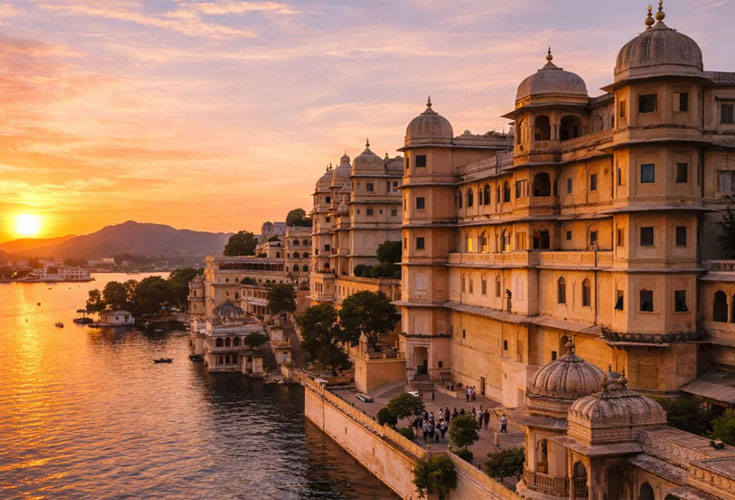
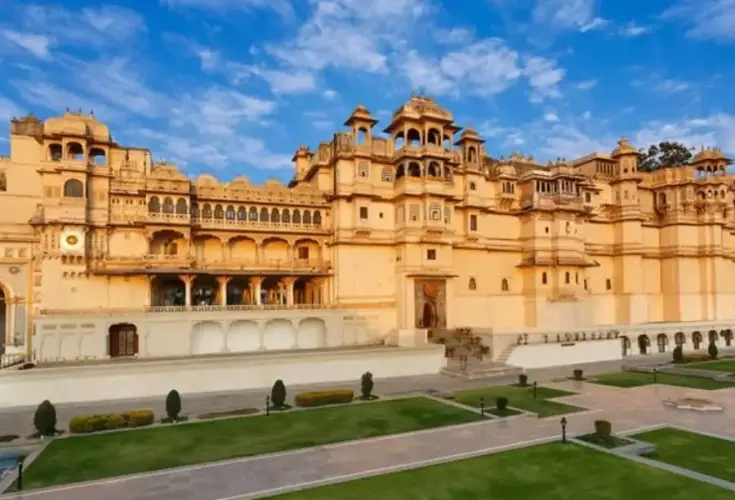
Meet your private guide after breakfast and begin at the City Palace, the great architectural complex associated with the rulers of Mewar. Rather than being constructed as a single building, the palace developed over generations, resulting in an intricate sequence of gateways, courtyards, terraces, passages and residential spaces. Its position above Lake Pichola creates a constant relationship between architecture and landscape. Your guide will explain the history selectively so that the experience remains focused on the spaces themselves. Take time to look outward from the terraces as well as inward at the decorated rooms.
Continue through the accessible palace sections, observing balconies, stonework, painted decoration and smaller courtyards that create surprisingly intimate spaces within the enormous complex. The architecture reflects both practical adaptation to its hillside setting and the ceremonial requirements of the Mewar court. Rather than trying to memorize a succession of rulers and rooms, concentrate on how the palace evolved and functioned. After leaving the complex, continue through selected streets of the old city. Small temples, shops, residences and workshops reveal another scale of Udaipur beyond its royal architecture.
Later in the day, take a boat ride on Lake Pichola, subject to weather, water levels and local operating conditions. From the lake, the City Palace can be seen as part of a wider composition that includes ghats, historic buildings, islands and the surrounding hills. The changing perspective from the water helps explain why Udaipur feels so different from Jaipur and Jodhpur. Return to the hotel after the boat ride. Keep the evening free for dinner and personal time.
Overnight: Udaipur
Begin at a relaxed hour with a visit to Saheliyon Ki Bari, a historic garden of fountains, pavilions and shaded spaces. Its comparatively intimate scale provides a refreshing contrast with the monumental architecture that has dominated much of the journey. Walk through the garden with your guide while learning enough about its original purpose to understand the setting without turning the visit into a lengthy historical lecture. The combination of water and planting also reflects Udaipur’s close relationship with its lake environment. Spend time enjoying the space rather than moving quickly through it.
Continue with an experience connected to one of Udaipur’s artistic traditions. The city has a longstanding association with Mewar miniature painting, and an appropriate studio visit can introduce the materials, fine brushwork and visual conventions involved in the practice. If painting is not a particular interest, the morning can instead focus on textiles, architecture or another regional craft. The visit should be educational and conversation-led rather than designed around purchasing. This gives the final Rajasthan day a more personal character than another monument circuit.
Return to your hotel and leave the afternoon completely open. Spend time beside the lake, enjoy the property, walk independently through familiar streets or arrange a spa treatment at your discretion. After several days of overland travel and guided sightseeing, this unstructured period gives the journey space before returning to Delhi. Choose dinner according to your preference and enjoy a final evening in Rajasthan. No additional scheduled activity is necessary.
Overnight: Udaipur
Enjoy breakfast before checking out according to the timing of your onward arrangements. Transfer privately to Udaipur airport for your flight to Delhi, subject to the confirmed flight schedule. On arrival in Delhi, a representative and private vehicle can assist with the connection to your international departure or an additional hotel night if required by flight timings. Sufficient connection time should always be built into the final arrangements. No sightseeing is planned on the departure day.
Over fourteen days, the itinerary has traced several distinct traditions of royal architecture across northern India. Delhi established the historical framework, while Agra revealed the refinement and scale of Mughal imperial design. Jaipur introduced a deliberately planned Rajput capital, Jodhpur demonstrated the relationship between fortress and desert kingdom, and Udaipur closed the Rajasthan section through palaces shaped by lakes and hills. Ranakpur added a religious architectural tradition entirely different from the royal complexes surrounding it. Together, these places show how varied the idea of a “palace journey” can actually be.
Continue with your onward flight according to the confirmed travel plan. If your international departure leaves the following day, an additional Delhi night can be incorporated rather than creating an uncomfortable same-day connection. The 14-day Palaces of Northern India tour concludes after a route centered on architecture, regional history and time to experience each royal city beyond its headline monuments. Departure assistance will be provided according to the final booked services.
Meals: Breakfast
Tour Ends: Delhi
What the price includes
What it does not
Starting from
On request
per person · twin share
Get In Touch
No planning fee, no obligation. A curator replies within two hours - or call +91 97990 02277.
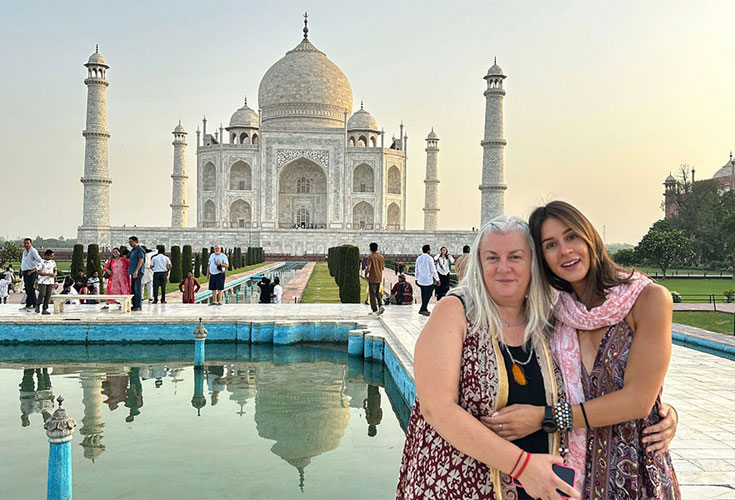 21 Days / 20 Nights
Route Delhi - Agra - Jaipur - Ranthambore - Udaipur - Mumbai - Goa
 20 Days / 19 Nights
Route Delhi - Agra - Jaipur - Udaipur - Mumbai - Kochi - Kumarakom - Marari
 18 Days / 17 Nights
Route Delhi - Agra - Jaipur - Jodhpur - Udaipur - Mumbai - Goa
 14 Days / 13 Nights
Route Delhi - Agra - Ranthambore - Jaipur - Jodhpur - Udaipur
 12 Days / 11 Nights
Route Delhi - Agra - Jaipur - Udaipur - Mumbai
Let Us Plan It
Send dates and interests. A written proposal follows within 48 hours.
Start the brief →Ready When You Are
Speak to a curator directly — +91 97990 02277.
WhatsApp A CuratorIndia & Beyond
Chauffeur-driven travel nationwide, by the day or the fortnight.
See the fleet →