
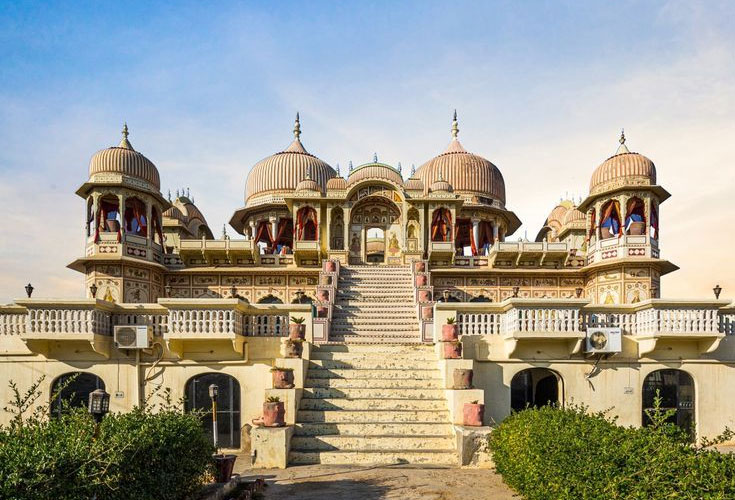
Painted merchant houses, village lanes, sacred ghats and former noble estates reveal a Rajasthan that is easy to miss when travelling only between its famous forts. Rajasthan Heritage & Rural India follows a deliberately varied route from Delhi into the Shekhawati region before crossing Jaipur, Pushkar and the countryside of Marwar on the way to Udaipur.
Arrive at Delhi International Airport and meet your representative after completing the required arrival formalities. Transfer privately to your hotel and settle in. Delhi serves primarily as the gateway for this Rajasthan itinerary, although its long history also provides useful context for the trading routes, regional kingdoms and political networks encountered during the days ahead.
No extensive sightseeing is fixed for the arrival day. International flights reach the capital throughout the day and night, so a flexible opening allows travellers to recover properly before beginning the overland journey. Those arriving early can take a gentle orientation drive or enjoy the hotel, while evening arrivals can proceed directly to check-in and dinner.
Your representative will confirm the departure arrangements for Mandawa and assist with any immediate practical requirements. The next morning leaves the modern capital for a very different environment in Rajasthan’s Shekhawati region, so the first night is intentionally kept simple and comfortable rather than overloaded with activities.
Overnight: Delhi
After breakfast, meet your private chauffeur and leave Delhi for Mandawa in the Shekhawati region of Rajasthan. As the journey moves away from the capital, dense urban development gradually gives way to smaller towns and agricultural landscapes. Appropriate comfort stops can be made along the route, allowing the drive to proceed at a relaxed private pace.
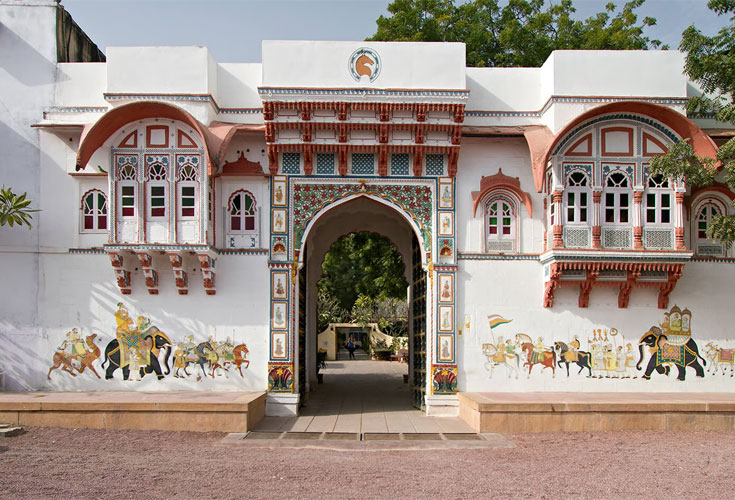
Arrive in Mandawa and check into your selected heritage property. Shekhawati developed strong commercial connections through merchant families who invested considerable wealth in elaborate residences. The façades and interior courtyards of many havelis were covered with murals, producing an architectural landscape quite unlike Rajasthan’s better-known palace cities.
Later, take an introductory walk through the town. Rather than moving quickly between isolated monuments, observe painted façades, old gateways, residential streets and local businesses as parts of a single historic environment. Your guide will begin explaining the rise of Shekhawati’s merchant communities and the artistic traditions that gave the region its distinctive visual character.
Overnight: Mandawa
Set out after breakfast for a more detailed exploration of Mandawa’s historic havelis. Accessible properties may vary according to local conditions, ownership and restoration work, so the exact selection should remain flexible. Look closely at painted façades and courtyards where religious imagery, floral decoration, everyday scenes and later influences can appear side by side.
Your guide will explain why prosperous merchants commissioned increasingly elaborate homes in towns across Shekhawati and how these families maintained commercial connections with larger Indian trading centres. The architecture reflects both wealth and social status, while the murals reveal changing artistic influences over time. Some structures remain well preserved, while others show the effects of age and changing patterns of ownership.
Spend the later part of the day walking beyond the most prominent havelis. Small temples, shops, residential lanes and market areas help place the painted buildings within the living town around them. The slower day is intentional: Shekhawati rewards observation of details, and its appeal is easily lost when treated merely as a quick photographic stop between Delhi and Jaipur.
Overnight: Mandawa
Leave Mandawa after breakfast and drive south towards Jaipur. The route connects two very different forms of Rajasthan heritage. Shekhawati’s identity was strongly shaped by wealthy trading families and their private residences, whereas Jaipur developed as a planned royal capital under Maharaja Sawai Jai Singh II.
Arrive in Jaipur and check into your hotel. After time to rest, take an orientation drive through selected parts of the Pink City. Broad market streets, historic gateways and terracotta-toned façades create a noticeably different urban scale from Mandawa. The city remains intensely active, with jewellery shops, textile merchants, food vendors and contemporary businesses operating within the historic street plan.
If time permits, stop for an exterior view of Hawa Mahal, whose layered façade overlooks the old city. Avoid beginning the major palace visits late in the day; Amber Fort, City Palace and Jantar Mantar are reserved for the following morning. Spend the evening at leisure or enjoy a carefully selected local dining experience before returning to the hotel.
Overnight: Jaipur
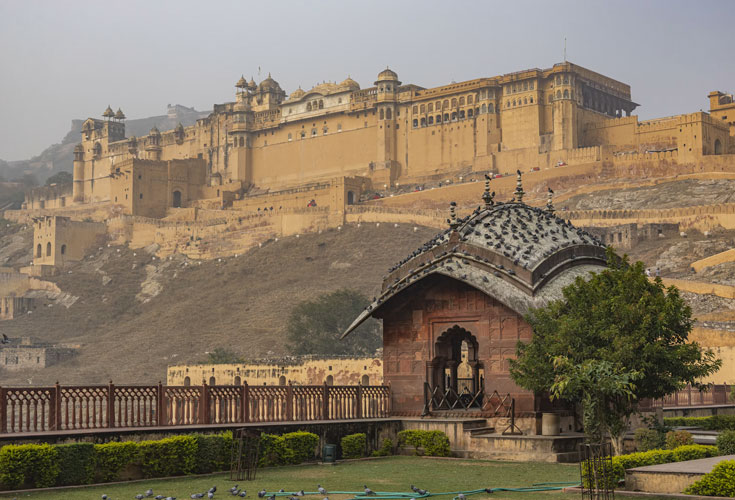
Travel into the Aravalli hills to Amber Fort, the historic royal seat established before Jaipur became the capital. Its massive outer walls and strategic hill position contrast with the highly decorated palace spaces inside. Move through gateways and courtyards while your guide explains the political and architectural development of the Kachwaha kingdom.
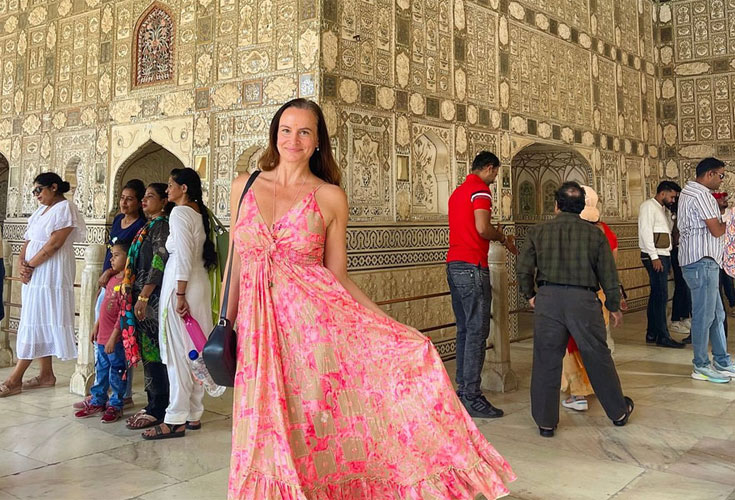
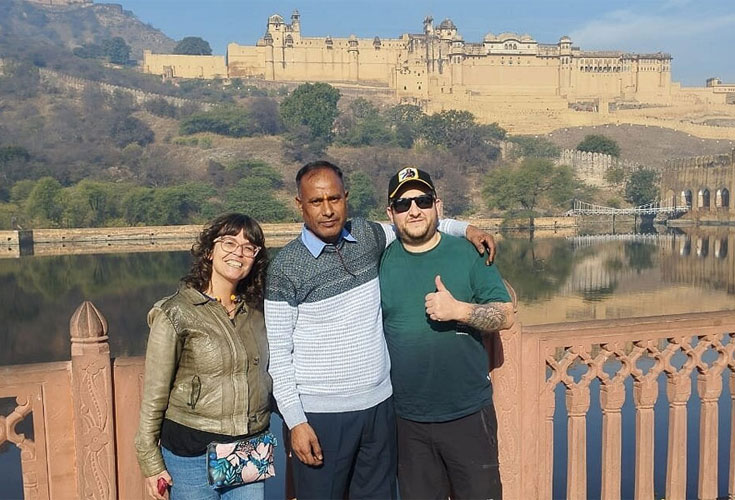
Within the palace sections, carved stone, painted details, screened openings and mirror decoration demonstrate the sophistication of the royal interiors. Terraces provide broad views towards Maota Lake and the surrounding hills, helping place the complex within its defensive landscape. Take sufficient time inside the fort rather than treating Amber simply as a panoramic photo stop.
Return to central Jaipur and visit City Palace and Jantar Mantar, with another opportunity to see Hawa Mahal from street level. Afterwards, walk through an appropriate section of the old bazaars, focusing on Jaipur’s longstanding connections with jewellery, textiles and craft production. The combination of royal architecture and working markets provides a fuller view of the city than monument visits alone.
Overnight: Jaipur
After breakfast, depart Jaipur for Pushkar, crossing the Aravalli region towards the pilgrimage town near Ajmer. The relatively manageable driving distance allows enough time to arrive without turning the entire day into a road transfer. Check into the hotel and allow a short break before entering the old centre.
Walk towards Pushkar Lake, surrounded by ghats used for prayer and religious ceremonies. Your guide will explain the traditions associated with the sacred water and the significance of Pushkar within Hindu pilgrimage. These are active religious spaces, so visitors should follow local instructions regarding footwear, clothing, photography and behaviour rather than treating the ghats as conventional sightseeing attractions.
Continue through the compact pedestrian lanes towards the Brahma Temple, subject to opening hours and access regulations. Afterwards, spend time among the small shops, shrines, cafés and market stalls surrounding the pilgrimage quarter. As evening approaches, return towards the lake or enjoy a quiet walk before heading back to the hotel.
Overnight: Pushkar
Begin the morning slowly, with the option of revisiting the lake before breakfast when the streets are generally quieter. Afterwards, leave Pushkar and travel towards Rohet, moving west through Rajasthan towards the Marwar region. The road increasingly reveals the open countryside that separates the state’s historic urban centres.
Arrive at your selected country or heritage property in Rohet and settle into the surroundings. Unlike Jaipur or Jodhpur, the purpose of this stop is not to complete a checklist of monuments. Instead, it creates time to understand a smaller rural setting where agriculture, pastoral traditions and village communities form the broader landscape.
Later, join a locally arranged countryside or village excursion if included in the confirmed programme. Any community visit should be conducted respectfully, with local guidance and without intrusive photography. The intention is to observe everyday rural Rajasthan and learn about local traditions rather than stage an artificial performance for visitors. Return to the property for a relaxed evening.
Overnight: Rohet
Enjoy breakfast at the property before spending part of the morning in the countryside around Rohet. Depending on local arrangements, take a short walk, visit an appropriate nearby area or simply enjoy the heritage property. This unhurried start preserves the rural character of the stay before the itinerary returns to one of Rajasthan’s major historic cities.
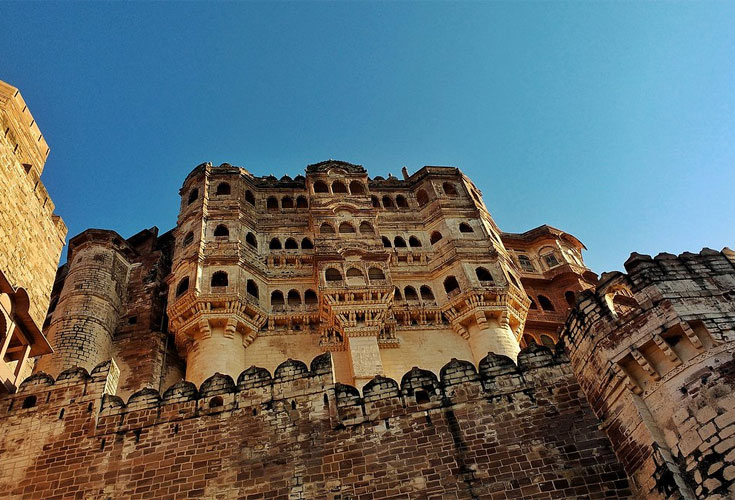
Continue by private vehicle to Jodhpur, the former capital of Marwar. As you approach the city, Mehrangarh Fort becomes the dominant landmark, rising from a rocky ridge above the dense urban area. Check into your hotel and take some time to rest before beginning a gentle introduction to the old city.
Later, walk through selected streets around the clock tower and Sardar Market. Spice shops, vegetable sellers, textiles, household goods and small family businesses create a lively commercial setting beneath the fort. Keep the afternoon informal rather than visiting Mehrangarh immediately; the next day is reserved for the fort, its museum collections and the deeper history of the Rathore rulers.
Overnight: Jodhpur
Begin the morning at Mehrangarh Fort, rising dramatically from a rocky ridge above Jodhpur. Enter through a sequence of fortified gateways and continue into courtyards surrounded by former palace chambers. The immense exterior walls reflect the military importance of the stronghold, while the carved stone screens, decorative windows and detailed interiors reveal the sophistication of the Rathore court that governed Marwar.
Spend time inside the museum galleries, where paintings, historic arms, textiles, ceremonial objects and royal possessions provide additional context for the architecture. Your guide will explain the development of the fort and the history of Jodhpur’s ruling dynasty without reducing the visit to a sequence of rooms. From elevated viewpoints, the dense city and stretches of blue-painted houses spread across the landscape below.
Continue to Jaswant Thada, the marble memorial located near the fort, before descending into selected residential quarters of old Jodhpur. Walk through narrow lanes away from the main traffic where appropriate, observing traditional houses, neighbourhood shrines and small businesses. Keep part of the afternoon free for independent exploration or the hotel, maintaining the measured pace established during the earlier rural stays.
Overnight: Jodhpur
Leave Jodhpur after breakfast and travel south towards Narlai, a smaller historic settlement lying between the former kingdoms of Marwar and Mewar. As the city disappears behind you, the route returns to rural Rajasthan, passing fields, low hills and scattered communities. The shorter scale of the destination is precisely what distinguishes this stage from the major palace cities.
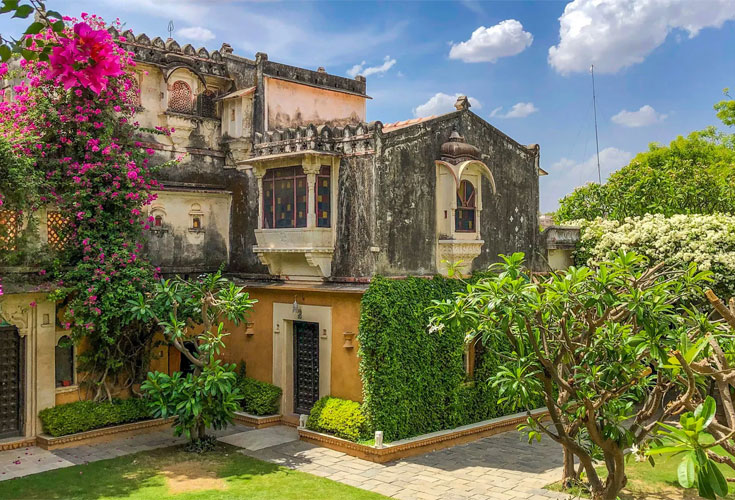
Arrive at your selected heritage property and settle in. Narlai developed beneath a prominent rocky hill and retains a compact settlement of temples, houses and narrow streets. Rather than arriving with a long list of formal monuments to complete, spend time understanding the relationship between the historic residence, village and surrounding landscape. A guided orientation walk can be arranged after the heat of the day begins to soften.
Later, walk through suitable parts of Narlai village with a local guide, observing temples, residential areas and everyday activity while respecting the privacy of residents. Depending on the property and confirmed programme, the evening may include a locally organised heritage or dining experience. Return to the hotel afterwards and enjoy the slower atmosphere of this small Rajasthan settlement.
Overnight: Narlai
After breakfast, leave Narlai and continue towards Udaipur through the Aravalli region. The route provides another opportunity to appreciate Rajasthan away from its large urban centres, with rocky hills, cultivated areas and smaller settlements appearing along the road. The changing terrain also signals the gradual transition from Marwar towards the historic region of Mewar.
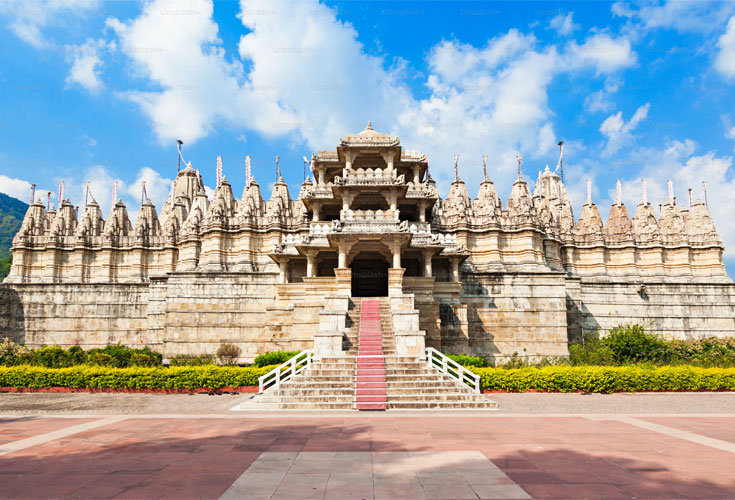
Where opening schedules and the final route permit, stop at the Ranakpur Jain Temples. The principal marble temple is celebrated for its extraordinary carved interior, where numerous pillars, domes and sculptural surfaces create a highly intricate architectural space. Visitors should follow all current temple requirements regarding clothing, photography and access, as this remains an active religious site rather than simply a historic monument.
Continue through the hills towards Udaipur and arrive later in the day. Check into your hotel and keep the evening relatively free after the road journey. The city’s lakes, white palace architecture and surrounding ridges form a striking contrast with Jodhpur and Narlai. If time allows, take a gentle walk near the waterfront or simply enjoy the setting from your hotel.
Overnight: Udaipur
Begin at Udaipur City Palace, the vast royal complex overlooking Lake Pichola. Built and expanded by successive rulers of Mewar, the palace consists of interconnected courtyards, chambers, balconies and terraces created across several periods. Your guide will explain the history of the Sisodia dynasty and the circumstances that shaped Udaipur as a major political and cultural centre of southern Rajasthan.
Move through accessible palace areas containing paintings, coloured glass, decorative tiles and carved architectural details. Several windows and terraces provide wide views over the lake and historic city, making the surrounding landscape an important part of the palace visit. Afterwards, continue into the old quarter and visit Jagdish Temple where appropriate before walking through selected lanes beneath the palace.
Later, take a boat ride on Lake Pichola when water levels, weather and operating conditions permit. From the lake, palace façades, ghats, island structures and the Aravalli hills form a broad panorama around the water. Spend the final evening at leisure, perhaps returning to the waterfront or enjoying dinner overlooking the city after the last full sightseeing day of the route.
Overnight: Udaipur
Enjoy breakfast at the hotel according to the timing of your onward journey. The final morning is deliberately free of formal sightseeing, allowing travellers with later departures to enjoy the property or take a final walk while those with early flights can leave without sacrificing an important scheduled visit. Check-out will be coordinated with your confirmed transportation.
At the appropriate time, meet your private chauffeur and transfer to Udaipur Airport, railway station or another confirmed onward departure point. Travellers continuing elsewhere in India can connect according to their individual arrangements, while assistance with the next stage can be incorporated when specified in the final itinerary.
The 13 Days Rajasthan Heritage & Rural India Tour concludes after moving between merchant towns, royal capitals, pilgrimage traditions and smaller countryside settlements. Mandawa introduced Shekhawati’s painted havelis, Jaipur provided the architecture of a planned royal city, Pushkar added sacred traditions, while Rohet and Narlai brought the itinerary closer to rural Rajasthan before Jodhpur and Udaipur completed the historical route through Marwar and Mewar.
What the price includes
What it does not
Starting from
On request
per person · twin share
Get In Touch
No planning fee, no obligation. A curator replies within two hours - or call +91 97990 02277.
 14 Nights / 15 Days
Route Delhi - Jaipur - Ranthambore - Bundi - Udaipur - Jawai - Jodhpur - Jaisalmer - Delhi
 11 Nights / 12 Days
Route Jaipur - Pushkar - Jodhpur - Ranakpur - Kumbhalgarh - Udaipur
 12 Nights / 13 Days
Route Jaipur - Bikaner - Jaisalmer - Jodhpur - Jawai - Udaipur
 11 Nights / 12 Days
Route Jaipur - Samode - Jodhpur - Rohet - Udaipur - Shahpura
 11 Nights / 12 Days
Route Jaipur - Ranthambore - Bundi - Udaipur - Jawai - Jodhpur
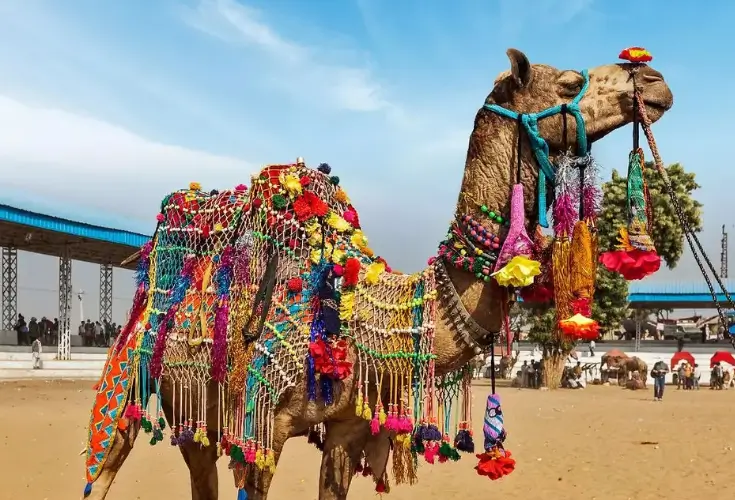 10 Nights / 11 Days
Route Jaipur - Pushkar - Jodhpur - Jaisalmer - Jaipur
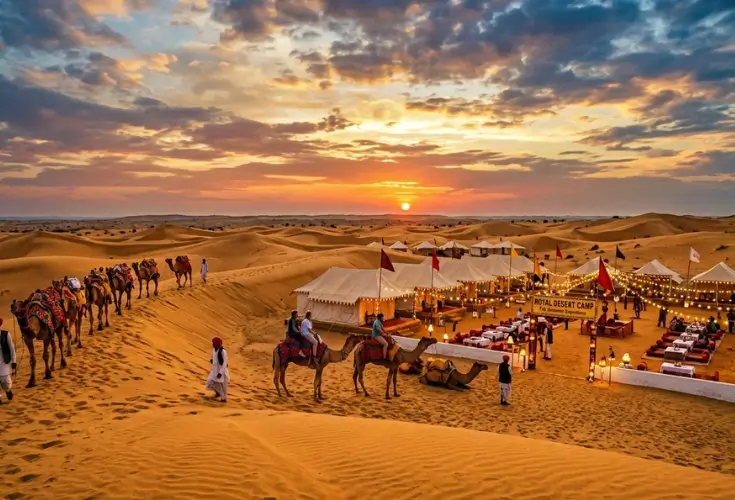 11 Nights / 12 Days
Route Jaipur - Pushkar - Jodhpur - Jaisalmer - Udaipur
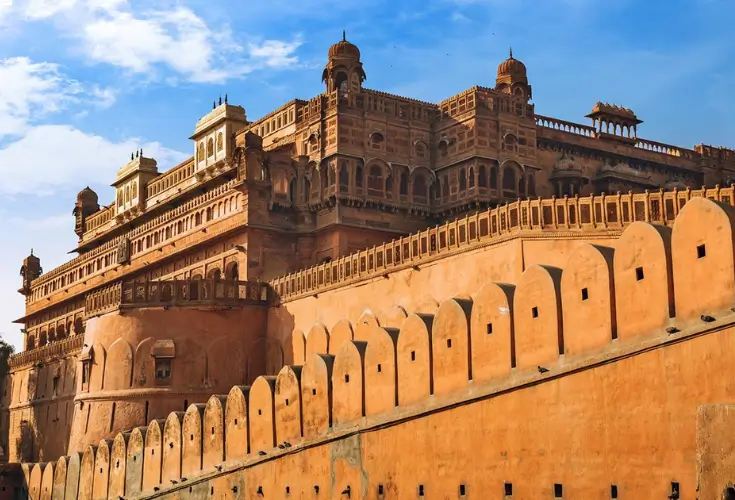 12 Nights / 13 Days
Route Delhi - Jaipur - Ranthambore - Pushkar - Jodhpur - Udaipur - Delhi
 10 Nights / 11 Days
Route Delhi - Jaipur - Ranthambore - Bundi - Udaipur - Delhi
 13 Nights / 14 Days
Route Delhi - Agra - Jaipur - Jodhpur - Udaipur - Delhi
 15 Nights / 16 Days
Route Delhi - Jaipur - Bundi - Chittorgarh - Udaipur - Narlai - Jodhpur - Jaisalmer - Delhi
 11 Nights / 12 Days
Route Jaipur - Shahpura - Jodhpur - Narlai - Udaipur
 10 Nights / 11 Days
Route Jaipur - Bikaner - Jaisalmer - Jodhpur - Jaipur
 14 Nights / 15 Days
Route Delhi - Mandawa - Bikaner - Jaisalmer - Jodhpur - Udaipur - Jaipur - Delhi
 09 Nights/10 Days
Route Delhi - Jaipur - Jodhpur - Udaipur - Delhi
Let Us Plan It
Send dates and interests. A written proposal follows within 48 hours.
Start the brief →Ready When You Are
Speak to a curator directly — +91 97990 02277.
WhatsApp A CuratorIndia & Beyond
Chauffeur-driven travel nationwide, by the day or the fortnight.
See the fleet →