
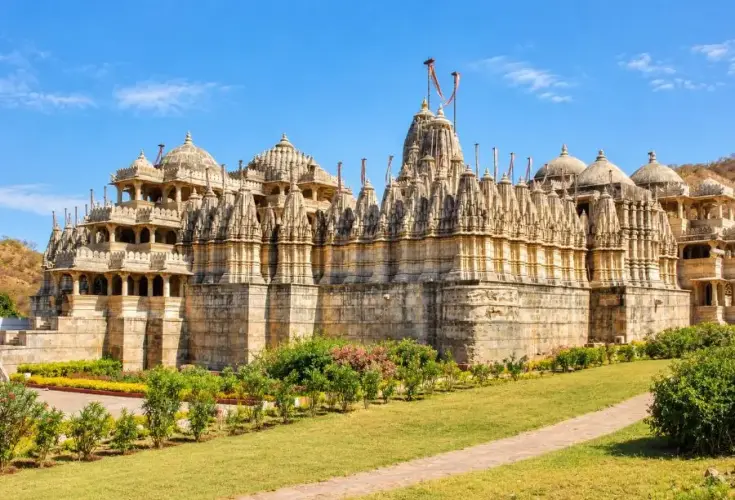
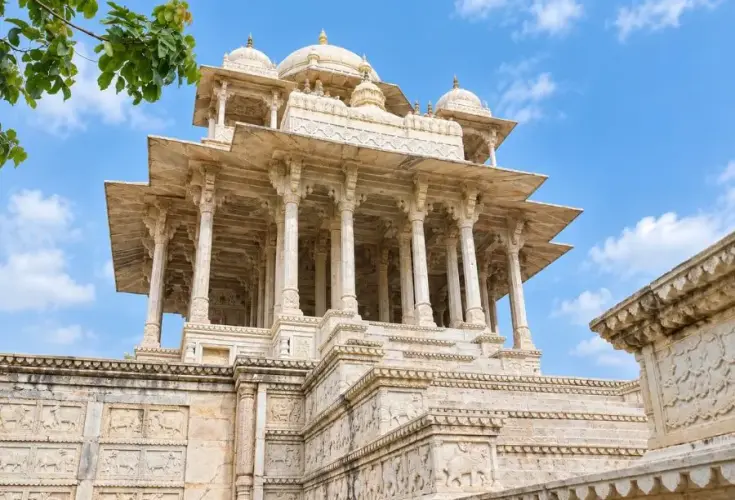
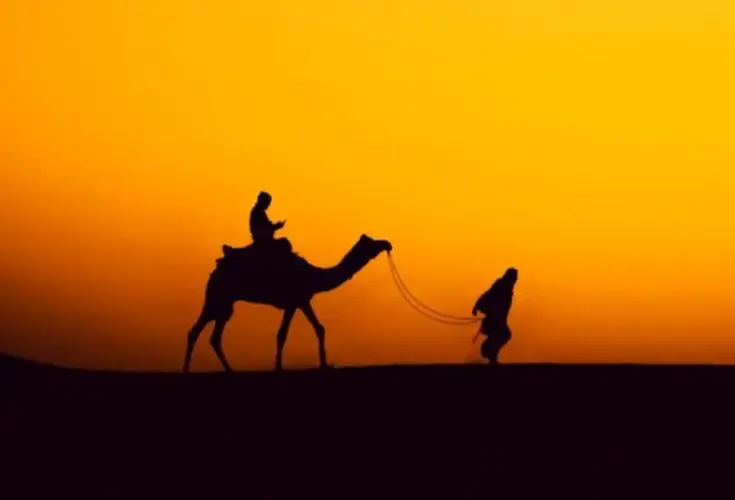
Rajasthan reveals far more when the route is allowed to move beyond its best-known cities. Jaipur, Udaipur, Jodhpur and Jaisalmer provide the grand royal landmarks, but places such as Bundi, Chittorgarh and Narlai give the journey a different kind of depth. Their smaller scale, historic neighborhoods, hilltop defenses and country settings make it possible to understand Rajasthan not as one continuous palace landscape, but as a collection of distinct regions shaped by geography, warfare, trade and local court traditions.
Arrive at Delhi International Airport and complete immigration, customs and baggage formalities before meeting the local representative in the arrivals area. Assistance will be provided with luggage and the private transfer to your hotel. No formal sightseeing is planned on the arrival day because the itinerary ahead is long and rewards a rested start. After check-in, take time to settle into your room and adjust to the local time.
Delhi acts mainly as the international gateway for this particular journey, though even the transfer into the city offers a first impression of northern India’s scale and contrasts. Modern commercial districts, broad avenues and historic architectural fragments appear side by side, providing a useful prelude to the much older urban landscapes that follow in Rajasthan. There is no need to compress Delhi into a rushed sightseeing program here, because the core purpose of this itinerary is to move deeply through the state to the west.
Spend the rest of the day entirely at leisure. Guests arriving early may wish to have lunch, enjoy the hotel facilities or book a spa treatment independently. Those arriving in the evening can simply have dinner and retire early. Keeping the first day intentionally quiet helps establish the measured pace that will be important throughout a sixteen-day overland journey.
Overnight: Delhi
After breakfast, leave Delhi with your private chauffeur and begin the drive toward Jaipur. The journey allows the urban intensity of the capital to fade gradually into the more open landscapes of Rajasthan. Comfort stops can be made along the way, and lunch can be taken independently at an appropriate point. The road day is not overloaded with additional sightseeing because Jaipur deserves to be approached without fatigue.
Arrive in Jaipur and check into your hotel for a two-night stay. The city is an important starting point because its planned urban structure differs markedly from the smaller royal towns and fortified settlements that come later. Broad market streets, defined blocks and a strong relationship between palace, commerce and city planning make Jaipur one of Rajasthan’s most legible historic capitals. These characteristics will provide a useful comparison with Bundi, Chittorgarh and Jaisalmer.
The later afternoon remains free. Take time to enjoy the hotel, settle into the surroundings or make a short orientation drive if your arrival time allows. There is no need to begin major sightseeing immediately after the road journey. Dinner can be taken at the hotel or at a suitable restaurant according to preference, with the full Jaipur program beginning tomorrow.
Overnight: Jaipur
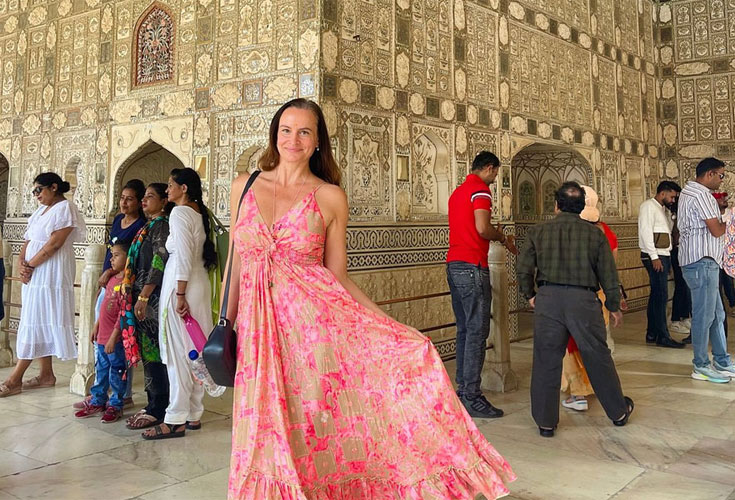
After breakfast, meet your private guide and drive toward Amber Fort, dramatically positioned among the hills outside the central city. The approach reveals its defensive character before you enter through monumental gateways into a sequence of courtyards and former royal spaces. Your guide will explain how different rulers expanded the complex and how military architecture coexisted with palace life. The progression from open courtyards toward more private chambers helps make the political and domestic structure of the court easier to understand.
Within Amber, spend time examining the contrast between fortified exteriors and richly decorated interiors. Mirror work, carved stone, painted surfaces and carefully framed views demonstrate the refinement of the palace despite its defensive setting. The site is extensive enough to reward a measured visit, so the morning is not treated as a quick stop. This is especially important because later forts on the itinerary will be architecturally and geographically very different.
Return toward Jaipur with a pause for a view of Jal Mahal before continuing to the historic city. Visit the City Palace, followed by Jantar Mantar, where monumental astronomical instruments reveal the scientific interests of Jaipur’s founder. Finish with an appropriate view of Hawa Mahal and some time in the old-city streets before returning to the hotel. The evening is left free after a full architectural day.
Overnight: Jaipur
Leave Jaipur after breakfast and begin the drive toward Bundi, a town whose scale and atmosphere differ sharply from the state capital. As the route leaves Jaipur, the road passes through smaller settlements and agricultural areas, creating a more regional picture of Rajasthan. The journey is manageable enough to allow a relaxed arrival rather than a late check-in. Comfort stops can be taken whenever appropriate.
Bundi is known for its palace rising against the hillside, narrow lanes, stepwells and historic neighborhoods arranged below the fortified heights. Unlike Jaipur’s formal planning, Bundi feels more organic and enclosed, with architecture that follows the terrain rather than imposing a geometric structure upon it. This difference is one of the main reasons it has been included. The town introduces a more intimate royal landscape before the monumental scale of Chittorgarh.
Arrive and check into your heritage-oriented hotel or other selected property. After some rest, take a gentle orientation walk through selected streets with your guide. The afternoon should remain exploratory rather than intensive, giving you time to absorb Bundi’s scale, local architecture and pace. Return to the hotel before evening and keep the night free for dinner and relaxation.
Overnight: Bundi
Begin the morning at Garh Palace, which rises above Bundi in a dramatic cluster of gateways, courtyards and former royal apartments. Its hillside position creates a strong relationship between architecture and topography, quite unlike Jaipur’s more ordered urban setting. Your guide will explain how the palace expanded across different periods and how the upper structures connect visually with the town below. The experience feels less formal and more atmospheric than many of Rajasthan’s larger palace museums.
Spend time with the palace’s painted interiors and surviving architectural details. Bundi is particularly associated with a distinctive tradition of wall painting, and where accessible, these painted chambers provide insight into local artistic expression. The relative quiet of the complex often allows a slower style of visit, making it possible to focus on composition, color and detail rather than moving continuously through crowded rooms. The palace also provides elevated views across the town and surrounding landscape.
Later, continue through the old town to see selected stepwells, neighborhood streets and market areas. Stepwells are especially valuable in understanding how architecture responded to water storage and social life in semi-arid Rajasthan. Walk through local lanes where temples, homes and shops remain closely integrated. Return to the hotel in the afternoon and leave the remainder of the day free, giving Bundi enough time to feel like a destination in its own right.
Overnight: Bundi
After breakfast, check out and continue south toward Chittorgarh. The road journey brings another significant change in scale. Bundi is compact and enclosed, whereas Chittorgarh is defined by an enormous fortified plateau with monuments spread across a broad elevated landscape. The shift from town palace to vast defensive complex gives the itinerary a stronger historical and architectural progression.
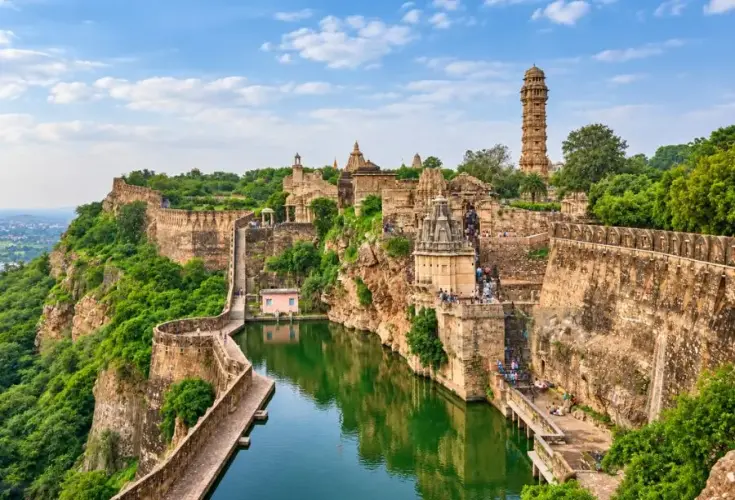
On arrival, check into your hotel and allow time for lunch before the afternoon visit. Proceed toward Chittorgarh Fort, entering the complex through its historic gateways and climbing onto the plateau. The fort’s size immediately distinguishes it from Amber, because its history is distributed across palaces, towers, temples, reservoirs and memorial structures rather than concentrated within one palace sequence. Your guide will provide the historical framework needed to understand the site without reducing it to legends alone.
Spend the afternoon visiting selected parts of the fort according to time and relevance. The focus may include palace remains, towers, temples and water structures that reveal the complexity of life within the fortified plateau. The views across the surrounding plain also help explain the strategic significance of the site. Return to the hotel before evening, keeping the night quiet after a substantial day of road travel and historical sightseeing.
Overnight: Chittorgarh
Enjoy breakfast before leaving Chittorgarh and continuing toward Udaipur. The drive is relatively manageable and allows the landscape to become more varied as the route moves into the Aravalli region. Hills begin to define the horizon more clearly, and the atmosphere changes from the broad fortified setting of Chittorgarh toward the lake-and-hill environment associated with Udaipur. This is one of the most visually distinct transitions in the itinerary.
Arrive in Udaipur and check into your hotel for a three-night stay. The additional time here is intentional because the city deserves more than a single palace visit. Its architecture is closely connected with lakes, slopes and waterfront spaces, making it an ideal place to slow the itinerary after several days of road travel. Depending on the property chosen, the hotel itself may also contribute significantly to the experience through views, gardens or heritage architecture.
The afternoon and evening are left mostly free. You may wish to enjoy the hotel, take a short lakeside walk or have an early dinner overlooking the water. Formal sightseeing is saved for the following day so the City Palace and historic center can be approached properly. The slower arrival gives Udaipur an immediate sense of contrast after Chittorgarh’s monumental fort landscape.
Overnight: Udaipur
After breakfast, begin at the City Palace of Udaipur, developed over generations by the rulers of Mewar. The palace rises above Lake Pichola in a sequence of interconnected courtyards, terraces, gateways and former residential spaces. Its architecture responds closely to the hillside and water, creating a much more layered and intimate composition than the massive fort plateau seen the previous day. Your guide will explain the development of the palace and the broader history of Mewar.
Move through selected palace rooms, balconies and museum areas where painted surfaces, decorative stonework and framed lake views reveal the private side of royal life. The palace is extensive enough that the visit should focus on meaningful sections rather than trying to cover every room. Openings toward the water repeatedly reconnect the interiors with the wider landscape, making geography an important part of the architectural experience. This relationship between palace and lake is central to understanding Udaipur.
Later, continue on foot through selected streets of the old city before taking a boat ride on Lake Pichola, subject to weather, water levels and local operating conditions. From the water, the City Palace, ghats and historic waterfront structures appear as one connected architectural landscape against the Aravalli Hills. Return to the hotel after the boat ride and keep the evening free. The next day can then focus on a slower, more personal side of Udaipur.
Overnight: Udaipur
Begin the morning at a relaxed pace after breakfast, allowing the day to feel noticeably lighter than the previous one. Visit Saheliyon Ki Bari, where fountains, pavilions and enclosed garden spaces provide a quieter counterpoint to the scale of the City Palace. The design reflects a more intimate form of courtly architecture and gives the day a different visual rhythm. Your guide can explain the garden’s historical associations while leaving enough time to appreciate the setting without rushing through it.
Continue with a visit focused on one of Udaipur’s traditional artistic practices, such as miniature painting, where appropriate arrangements have been made. Local painters have long worked with fine brushes, layered pigments and highly controlled compositions, and seeing the process up close adds another dimension to the city’s cultural history. Travelers more interested in textiles, architecture or photography can shape this portion of the morning accordingly. The objective is to allow a deeper personal interest to guide the program rather than adding another major monument.
Return to the hotel around midday and keep the afternoon largely unscheduled. This is an ideal point in the journey to enjoy the property, sit by the lake, arrange a spa treatment independently or simply rest. A longer Rajasthan itinerary benefits from days that are not continuously structured, and Udaipur is particularly suited to that slower pace. The evening is free, giving you one final night in the city before the route becomes more rural.
Overnight: Udaipur
Leave Udaipur after breakfast and begin the private drive toward Narlai, a smaller settlement located between Udaipur and Jodhpur. The route moves away from the lakes and palace façades of Mewar into a more rugged countryside shaped by granite outcrops and smaller agricultural communities. The journey is not especially long, which allows you to arrive without feeling that the day has been consumed by the road. Comfort stops can be made whenever appropriate.
On arrival, check into your heritage-oriented property and take time to understand the character of the place itself. Narlai is especially rewarding when the accommodation retains a strong connection with the former noble estate or the architectural traditions of the settlement. Courtyards, terraces, stone details and views toward the surrounding hills help establish a sense of place before any formal activity begins. This is one of the points in the itinerary where the hotel becomes part of the experience rather than simply a base.
Later, walk through selected areas of Narlai with an appropriate local guide. The experience may include village lanes, temples, traditional homes and the imposing granite hill that rises above the settlement. The walk should remain respectful and observational, with the emphasis on local setting and architecture rather than turning daily life into a performance. Return to the property before evening and enjoy a quieter night after the larger scale of Udaipur.
Overnight: Narlai
Enjoy breakfast before leaving Narlai and continuing north toward Jodhpur. The road passes through a changing rural landscape, with granite formations gradually giving way to broader plains as you approach Marwar. Because this sector is manageable, the day can retain a comfortable pace without requiring an early departure. Lunch can be taken independently en route or after arrival, depending on timing.
Jodhpur is immediately recognizable by the huge presence of Mehrangarh Fort, which rises above the city on a rocky escarpment. The visual impact is very different from the intimate atmosphere of Narlai and gives the journey a deliberate shift back to monumental royal architecture. The fort dominates both the skyline and the historical narrative of the city, while the old neighborhoods below retain a strong relationship with traditional markets and residential streets. This contrast between elevated power and dense urban life is central to Jodhpur’s character.
Check into your hotel on arrival and keep the later afternoon light. You may wish to enjoy the property, take tea with a fort view or make a short orientation drive if energy allows. No major sightseeing is necessary today because the fort and old city deserve a full day tomorrow. The evening is left free so that Jodhpur can be approached without fatigue.
Overnight: Jodhpur
After breakfast, begin at Mehrangarh Fort, one of the most commanding fortifications in Rajasthan. Enter through its defensive gateways and continue through a sequence of courtyards and former palace areas while your guide explains the history of the Rathore rulers of Marwar. The fort’s immense walls and elevated position reveal its military strength, but the interiors show a completely different side of courtly life. This balance between defense and refinement is one of the reasons Mehrangarh is such an important stop.
Inside, spend time with selected palace rooms, museum collections, carved screens and ceremonial spaces. Painted interiors, decorative objects and finely worked architectural details stand in sharp contrast to the fortress exterior. From the terraces, look across Jodhpur’s dense old neighborhoods and the wider plains beyond. The view is particularly valuable because it shows how the city developed in relation to the fort and the surrounding landscape.
Continue afterward to Jaswant Thada, where pale marble and a quieter setting provide a change of scale. Later, descend toward the old city for a guided walk through selected lanes and market areas near the clock tower. Food vendors, textile merchants, spice shops and neighborhood activity provide a more everyday perspective on Jodhpur. Return to the hotel in the late afternoon and leave the evening at leisure.
Overnight: Jodhpur
Leave Jodhpur after breakfast and begin the long drive toward Jaisalmer, traveling deeper into western Rajasthan. The landscape becomes progressively more open, and the spaces between larger settlements increase as the road moves toward the Thar Desert. This transfer is one of the most important geographical transitions in the itinerary because it makes Jaisalmer’s remote position easier to understand. Regular stops can be made to keep the journey comfortable.
As you continue west, the color of the landscape becomes increasingly muted, while local sandstone begins to dominate the built environment. Villages and smaller settlements offer a visual introduction to the materials and climate that shape the region. The contrast with Udaipur’s lakes and Narlai’s granite hills becomes especially clear on this road. The day therefore functions not simply as transport but as part of the larger story of Rajasthan’s regional diversity.
Arrive in Jaisalmer in the later afternoon and check into your hotel for a two-night stay. The fort may already be visible on the skyline, its golden sandstone rising above the city in a compact mass. Keep the rest of the day free and resist the temptation to rush immediately into the fort after the drive. Formal sightseeing begins tomorrow, when the city can be seen with proper time and energy.
Overnight: Jaisalmer
After breakfast, begin with Jaisalmer Fort, one of the most distinctive fortified settlements in India. Unlike many Rajasthan forts that function mainly as historic monuments, this one remains a living quarter with homes, temples, small businesses and narrow lanes within its walls. Enter through the sequence of gateways and move gradually upward through the compact urban fabric. Your guide will explain the fort’s development and its relationship with regional trade routes.
Visit selected temples, viewpoints and historic sections according to current access conditions. The use of golden sandstone throughout the fort creates a strong visual unity, while carved façades and projecting balconies reveal extraordinary craftsmanship. The city’s historical prosperity was closely linked with long-distance trade, and this commercial background is essential to understanding its architecture. From elevated points, the surrounding desert landscape becomes part of the experience.
Later, descend into the lower city to see some of Jaisalmer’s famous merchant havelis. Intricately carved stone façades, internal courtyards and layered balconies reflect the wealth of trading families who lived beyond the fort walls. Walk through adjoining streets so that the havelis are seen within their urban context rather than as isolated monuments. Return to the hotel in the late afternoon and keep the evening free.
Overnight: Jaisalmer
Enjoy a slower breakfast and keep the morning flexible. You may return to a favorite area for photography, visit a smaller temple or spend time with a local craft tradition that interests you. Jaisalmer changes dramatically with the light, and a second look at familiar streets can be surprisingly rewarding. This lighter morning also prevents the final full day from becoming overstructured.
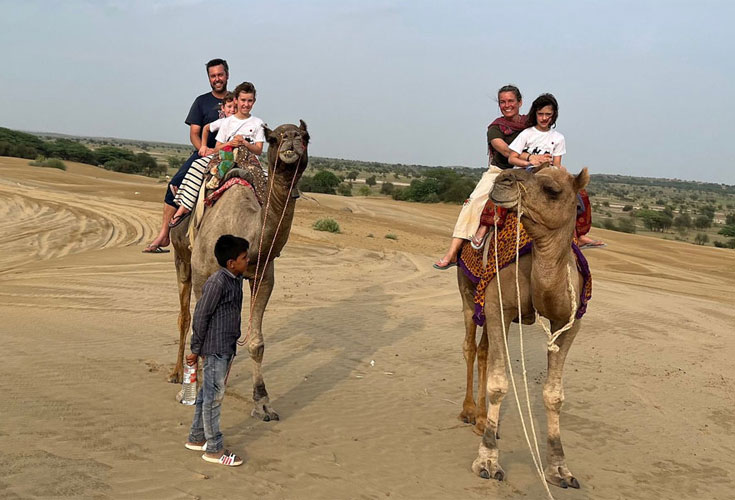
After lunch and some rest, travel outside the city into the Thar Desert. The exact dune area can be selected according to the final operating arrangements, accessibility and the quality of the experience. The focus should remain on the landscape itself, with enough time to appreciate the open horizon, changing light and the physical environment that has shaped settlement in this region. A camel ride or another locally available activity can be added only if specifically requested and confirmed.
Remain outside the city through the later afternoon if conditions are suitable, then return to Jaisalmer for the final evening. The desert excursion serves as a strong contrast to the built heritage that has defined much of the trip. By this point, the route has moved from Jaipur’s planned city to Bundi, Chittorgarh, Udaipur, Narlai, Jodhpur and finally the western edge of Rajasthan. The final night is intentionally unhurried.
Overnight: Jaisalmer
Have breakfast and check out according to the schedule of your onward journey. Depending on the final travel plan, continue to Jaisalmer airport for a scheduled domestic flight to Delhi or use the best practical connection available at the time of booking. Because flight schedules can vary, the final itinerary should be arranged with realistic connection times and a suitable buffer before any international departure. If necessary, an additional Delhi hotel night can be added separately.
The journey has covered Rajasthan at several different scales. Jaipur introduced formal royal planning, Bundi brought an intimate hillside palace town, Chittorgarh added a vast fortified plateau, and Udaipur introduced the lake landscapes of Mewar. Narlai shifted the focus toward a smaller country estate, Jodhpur returned to the monumental world of Marwar, and Jaisalmer completed the route with sandstone architecture and the Thar Desert. The value of the itinerary lies in those contrasts rather than in any single landmark.
On arrival in Delhi, continue according to your confirmed international flight or onward travel arrangements. Guests extending their India journey can connect with another region from the capital. The 16-day Rajasthan in Depth private tour concludes here after a broad overland route designed for travelers who want more than Rajasthan’s standard highlights.
Meals: Breakfast
Tour Ends: Delhi
What the price includes
What it does not
Starting from
On request
per person · twin share
Get In Touch
No planning fee, no obligation. A curator replies within two hours - or call +91 97990 02277.
 13 Nights / 14 Days
Route Delhi - Agra - Jaipur - Jodhpur - Udaipur - Delhi
 11 Nights / 12 Days
Route Jaipur - Shahpura - Jodhpur - Narlai - Udaipur
 10 Nights / 11 Days
Route Jaipur - Bikaner - Jaisalmer - Jodhpur - Jaipur
 14 Nights / 15 Days
Route Delhi - Mandawa - Bikaner - Jaisalmer - Jodhpur - Udaipur - Jaipur - Delhi
 09 Nights/10 Days
Route Delhi - Jaipur - Jodhpur - Udaipur - Delhi
Let Us Plan It
Send dates and interests. A written proposal follows within 48 hours.
Start the brief →Ready When You Are
Speak to a curator directly — +91 97990 02277.
WhatsApp A CuratorIndia & Beyond
Chauffeur-driven travel nationwide, by the day or the fortnight.
See the fleet →