
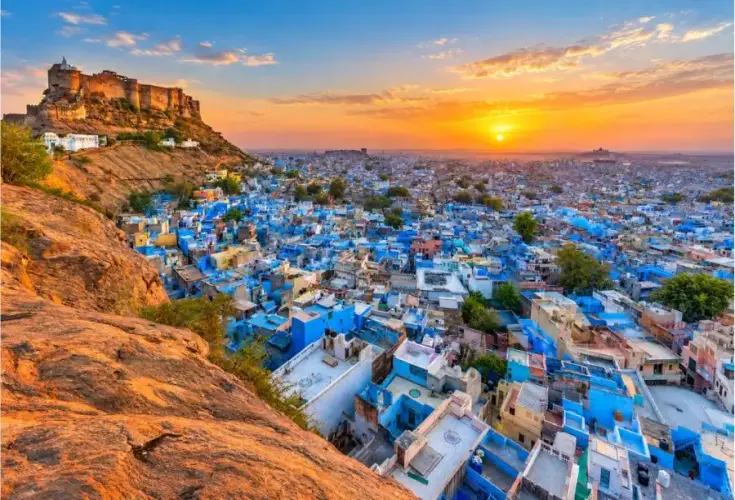
The Taj Mahal is often the single monument that draws travelers toward northern India, but Rajasthan gives the journey its breadth. This itinerary connects Agra with three of the state’s most important royal cities, allowing the architecture of the Mughal court to be seen alongside the very different palace traditions of Jaipur, Jodhpur and Udaipur. Rather than presenting these places as variations of the same historical story, the route emphasizes how distinct their political, geographic and architectural identities really are.
Arrive at Delhi International Airport and complete immigration, baggage collection and customs before meeting the local representative in the arrivals area. Assistance will be provided with luggage and your private transfer to the hotel. No formal sightseeing is scheduled on arrival day because international flight times vary and the itinerary ahead is best started after proper rest. Check in and settle into your room at your own pace. The day is intentionally simple.
Delhi functions mainly as the international gateway on this route rather than as the central historical focus. Even so, the transfer offers a first impression of the capital’s broad avenues, commercial districts and older architectural fragments. The following day will provide a carefully selected introduction to the city without attempting to cover every major monument. This keeps the journey balanced and preserves the strongest emphasis for Agra and Rajasthan.
Spend the remaining hours entirely as you wish. An early arrival may allow time for lunch, the hotel pool or an independently booked spa treatment. Guests arriving later can have dinner and retire early. Beginning without pressure helps the first full sightseeing day feel purposeful rather than rushed after a long-haul journey.
Overnight: Delhi
After breakfast, meet your private guide for a focused introduction to Delhi. Begin with Humayun’s Tomb, one of the most important early Mughal monuments in the city and a useful architectural prelude to Agra. Its garden setting, proportions and use of red sandstone and marble provide context for the development of later Mughal architecture. Your guide will explain the monument within the broader dynastic history rather than treating it simply as an isolated site.
Continue through New Delhi, where wide avenues and monumental civic planning create a very different urban environment. Drive past the principal government buildings and India Gate, pausing where appropriate for context and photographs. Depending on timing and interest, continue to Qutub Minar or another suitable historic site that adds architectural depth without overloading the day. The program remains selective rather than exhaustive.
The later afternoon is left more open. Return to the hotel for rest, or use the time for a private interest such as food, contemporary design or a quieter neighborhood walk. This flexibility is deliberate because tomorrow begins the road journey to Agra. Keep the evening at leisure and prepare for an early but comfortable departure.
Overnight: Delhi
Leave Delhi after breakfast in your private vehicle and travel toward Agra. The drive gives the journey a clear transition from the capital into the city most closely associated with the architectural legacy of the Mughal court. Comfort stops can be made whenever required, and the route allows a relaxed arrival without the need to add multiple roadside attractions. Check into your hotel on arrival and take some time to settle in.
Later, visit Agra Fort, whose massive red sandstone walls contain a complex series of palaces, courtyards and audience spaces. The fort is essential to understanding Agra because it places the Taj Mahal within a much larger imperial context. Your guide will explain how successive emperors shaped the complex and how the site functioned as both a military stronghold and royal residence. Views toward the Taj from selected areas provide an important visual connection between the two monuments.
After the fort visit, return to the hotel or continue to a suitable riverside viewpoint if timing and conditions make it worthwhile. The evening remains free so that the next morning can be devoted entirely to the Taj Mahal. Dinner can be taken at the hotel or another appropriate restaurant. The schedule avoids unnecessary additions in order to keep the focus clear.
Overnight: Agra
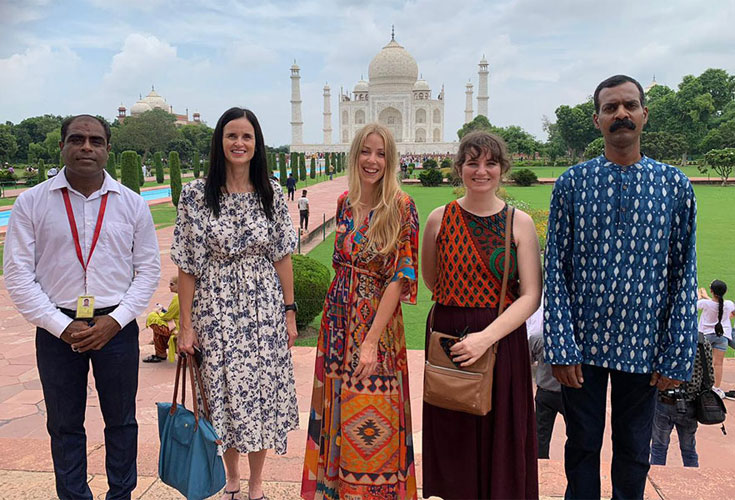
Begin early with a privately guided visit to the Taj Mahal, timed according to current opening arrangements and local conditions. Approaching the monument through its outer gates gradually reveals the symmetry of the complex and the relationship between the mausoleum, gardens, water channels and surrounding structures. Your guide will explain the architectural plan, materials and historical context without overwhelming the experience with constant commentary. Enough time is allowed simply to look.
Move through the complex at a measured pace, paying attention to changes in scale as you approach the marble platform. Inlay work, calligraphy, carved surfaces and the carefully controlled proportions of the structure become more apparent at close range. The Taj is often treated as a single image, but much of its impact comes from the wider composition and the precision with which the surrounding space has been organized. This is why the visit is not rushed.
Return to the hotel for breakfast or a late morning break, depending on the final schedule. The rest of the day can include a visit connected with Agra’s long tradition of marble inlay or another carefully selected cultural stop if desired. Alternatively, keep the afternoon completely free. The slower second half of the day ensures that the Taj remains the defining experience rather than one item among many.
Overnight: Agra
After breakfast, leave Agra and begin the private drive toward Jaipur. Depending on your interests and the final route, stop at Fatehpur Sikri, the former Mughal imperial city built in red sandstone. Its palaces, courtyards and audience spaces provide a very different architectural experience from both Agra Fort and the Taj Mahal. The site also helps explain the scale and ambition of Mughal court planning outside Agra itself.
Continue toward Rajasthan after the visit. As you travel west, the visual language of the landscape and built environment begins to change. The journey marks the point where Mughal architecture gives way to a different political and regional story. Comfort breaks and lunch can be taken independently according to timing, keeping the road sector practical and unhurried.
Arrive in Jaipur in the afternoon and check into your hotel for a three-night stay. No major sightseeing is required after arrival. Use the remaining time to enjoy the property, take a short introductory drive or simply rest before tomorrow’s full program. The city will receive two complete days, allowing its architecture and urban character to be seen properly.
Overnight: Jaipur
After breakfast, meet your private guide and drive toward Amber Fort. Set among the hills above the old settlement of Amer, the fort combines defensive architecture with an elaborate palace complex. Enter through its historic gateways and move through public courtyards, audience areas and more private royal spaces. Your guide will explain the development of the site under different rulers and the role Amber played before Jaipur became the capital.
Inside the complex, pay attention to the contrast between monumental walls and delicately ornamented interiors. Mirror work, carved stone, painted surfaces and carefully framed views create a much more refined atmosphere than the outer fortifications suggest. The morning allows sufficient time to appreciate these details without racing through the palace. The setting also provides an early sense of Rajasthan’s hill architecture, which will later be contrasted by Jodhpur and Udaipur.
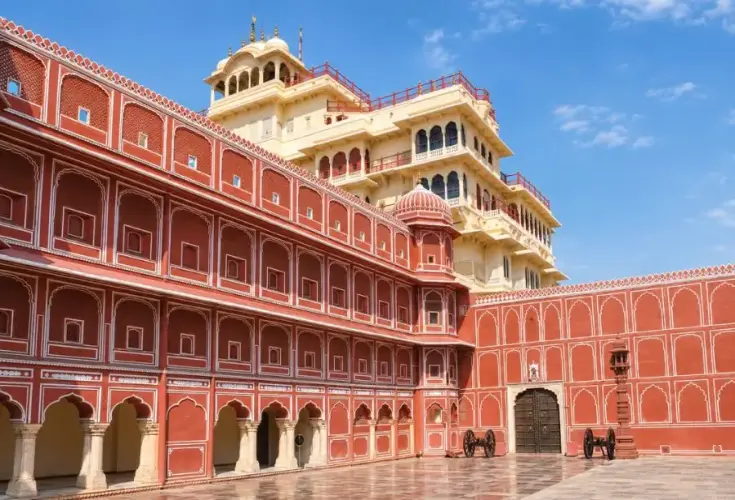
Return to Jaipur with a pause for Jal Mahal, then continue to the City Palace and nearby Jantar Mantar. Finish with a view of Hawa Mahal, whose façade remains one of the city’s most recognizable structures. The sequence brings together royal residence, science and urban design within one compact area. Return to the hotel in the late afternoon and keep the evening free.
Overnight: Jaipur
Enjoy a slower breakfast and return to selected areas of the historic city with your guide. Today’s emphasis is on Jaipur beyond its principal monuments. Walk through market streets where jewelry, textiles, food, household goods and religious life occupy closely connected urban spaces. The city’s commercial identity has always been an important part of its planning, and the morning helps reveal that side of Jaipur more clearly.
Depending on your interests, time can be arranged with specialists in areas such as block printing, textiles, gemstones, jewelry or ceramics. The purpose is to understand materials and methods rather than move through a sequence of compulsory retail visits. Travelers interested in design may wish to spend longer with craftsmanship, while photographers may prefer neighborhood streets and architectural details. The schedule can be adapted accordingly.
Return to the hotel after lunch and leave the afternoon largely unscheduled. Enjoy the pool, gardens or spa independently, or use the time for another personal interest. A relaxed period here is particularly valuable before tomorrow’s overland journey to Jodhpur. The final Jaipur evening can remain quiet or include dinner at a carefully chosen restaurant according to preference.
Overnight: Jaipur
After breakfast, check out and begin the private drive toward Jodhpur. This road journey provides a broader sense of Rajasthan beyond its major cities, passing through smaller settlements, agricultural areas and progressively drier landscapes. The route is long enough to make the geographical shift noticeable but manageable with well-timed comfort stops. Lunch can be taken independently at a suitable place along the way.
As you approach Jodhpur, the presence of Mehrangarh Fort begins to define the skyline. The fortress rises from a rocky escarpment above the old city and immediately establishes a very different visual identity from Jaipur. Whereas Jaipur’s historic center was planned on comparatively open ground, Jodhpur developed beneath the overwhelming presence of this elevated stronghold. The contrast is one of the most important transitions in the journey.
Arrive at the hotel and check in for a two-night stay. Keep the remainder of the day free after the road journey. If your property has views toward the fort, this is an ideal time to enjoy the setting rather than heading straight back out. Formal sightseeing begins tomorrow, when Mehrangarh and the old city can receive the attention they deserve.
Overnight: Jodhpur
Begin the morning with Mehrangarh Fort, whose immense walls rise directly from the rocky ridge above Jodhpur. Enter through the historic gateways and move gradually into a series of courtyards, galleries and former royal apartments. Your private guide will explain the history of the Rathore rulers of Marwar and the strategic importance of the fort’s elevated position. Its exterior conveys formidable defensive strength, while the palace areas inside reveal a far more intricate courtly world. The visit provides one of the strongest architectural contrasts with the Mughal monuments seen earlier in Agra.
Continue through selected interiors where carved screens, painted ceilings, decorative objects and ceremonial rooms provide insight into life within the Marwar court. Several terraces offer extensive views over Jodhpur, including the densely built neighborhoods traditionally associated with the city’s blue-painted houses. From this height, the relationship between the fortress, old city and surrounding plains becomes particularly clear. Your guide can concentrate on the most significant sections rather than attempting to cover every gallery at equal length. This allows enough time to appreciate the architecture instead of simply moving from room to room.
After leaving Mehrangarh, continue to Jaswant Thada, an elegant marble memorial located in a quieter setting nearby. Later, descend into Jodhpur’s historic center for a guided walk through selected lanes around the traditional market and clock tower area. Spice merchants, textile shops, food stalls and neighborhood businesses introduce the commercial life of the city beyond its royal monuments. Return to the hotel in the late afternoon and keep the remainder of the day at leisure. The evening can be spent enjoying the hotel or dining independently at a restaurant suited to your preferences.
Overnight: Jodhpur
After breakfast, check out and begin the private drive south toward Udaipur. Today’s route is particularly rewarding because the scenery gradually changes from the drier plains associated with Marwar to the hillier terrain of southern Rajasthan. Small communities, cultivated land and increasingly rugged formations appear as you approach the Aravalli region. The changing geography provides a natural transition between Jodhpur and Udaipur rather than making them feel like two unrelated stops. Appropriate comfort breaks can be made throughout the journey.
En route, stop at Ranakpur Jain Temple, subject to current visiting hours, religious regulations and access arrangements. The temple is renowned for its intricately carved marble interior, where numerous pillars, domes and interconnected spaces create an extraordinary sense of architectural complexity. Natural light enters from different directions and changes the appearance of the stone as you move through the building. The visit provides a valuable contrast with Rajasthan’s royal forts because the architecture here is religious rather than defensive or residential. Clothing, photography and visitor behavior will follow the temple regulations applicable on the day.
Continue toward Udaipur after the visit, stopping independently for lunch according to timing. As the road approaches the city, hills and water begin to define the surroundings more clearly, creating a noticeable change after Jaipur and Jodhpur. Check into your hotel for a three-night stay and leave the evening free. A lake-facing or heritage-oriented property can make the arrival particularly memorable without requiring additional scheduled sightseeing. Formal exploration begins tomorrow, allowing you to enjoy the hotel and surroundings after the road journey.
Overnight: Udaipur
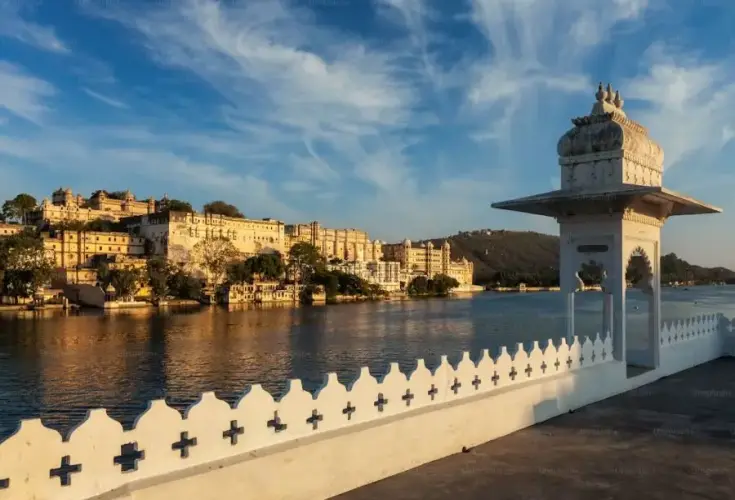
After breakfast, meet your private guide and begin at the City Palace of Udaipur, an extensive complex overlooking Lake Pichola. Developed by successive rulers of Mewar, the palace grew over generations into a network of gateways, courtyards, terraces and former residential areas. Its hillside position means the architecture unfolds vertically, with changing levels repeatedly opening toward the lake. Your guide will explain how the complex developed and how the history of Mewar differed from the royal traditions encountered in Jaipur and Jodhpur. The morning is paced to allow the building itself to remain the focus.
Move through selected palace interiors where painted surfaces, stonework, decorative glass, balconies and smaller courtyards reveal the more private dimensions of royal life. Views across the water appear unexpectedly through windows and terraces, making Lake Pichola an integral part of the palace experience. Rather than attempting to see every museum room, concentrate on the sections that best illustrate the evolution of the complex. This makes the visit more coherent and leaves time to appreciate architectural details without fatigue. Continue afterward into nearby sections of Udaipur’s old city.
Later in the day, take a boat ride on Lake Pichola, subject to water levels, weather and local operating conditions. Seeing Udaipur from the lake provides a completely different perspective on the City Palace, ghats and historic waterfront buildings. The surrounding Aravalli Hills form a natural backdrop that helps explain why Udaipur feels so different from the fortified desert-edge cities visited earlier. Return to the hotel after the boat ride and leave the evening open. Dinner may be arranged independently at the property or at a suitable lakeside restaurant.
Overnight: Udaipur
Enjoy breakfast without an early departure before visiting Saheliyon Ki Bari, a historic garden with fountains, pavilions and enclosed green spaces. After several days centered on monumental forts and palaces, the smaller scale of the garden creates a welcome change in atmosphere. Water, shade and landscape design play a much more prominent role here than defensive architecture or royal ceremony. Your guide can provide historical context while allowing enough time to enjoy the setting without turning it into a lengthy formal tour. The morning is intentionally lighter than yesterday.
Continue according to your interests with an introduction to one of Udaipur’s artistic traditions. The city has a longstanding association with miniature painting, and an appropriately arranged visit can provide insight into the fine brushes, pigments and detailed techniques used by contemporary practitioners. Travelers interested in textiles, photography, architecture or another subject can substitute a relevant experience rather than following a standardized program. The objective is to make this part of the itinerary personal and informative. Any workshop or studio visit should be chosen for its cultural relevance rather than functioning as a compulsory shopping stop.
Return to the hotel around midday and keep the rest of the afternoon free. Spend time beside the lake, use the pool, arrange a spa treatment independently or simply enjoy several uninterrupted hours without scheduled transportation. This free period is an important part of the itinerary rather than an empty space that needs to be filled. Those who want additional sightseeing can discuss an appropriate option with the local team, but there is no need to add another major monument. Enjoy the final full evening in Udaipur at your own pace.
Overnight: Udaipur
The final full day in Rajasthan begins slowly, giving you the opportunity to revisit Udaipur from a more personal perspective. After breakfast, choose an activity based on your interests rather than following another fixed sightseeing circuit. You might spend time photographing the old city in softer morning light, visit a carefully selected gallery, look more closely at local textiles or walk through a quieter neighborhood with your guide. Travelers interested in architecture can focus on smaller historic buildings that were not part of the main City Palace visit. The flexible format allows the day to respond to what has interested you most during the journey.
Lunch can be taken at the hotel or at an independently selected restaurant before returning for an unhurried afternoon. Guests staying at a property with gardens, a lakefront setting or extensive grounds may prefer to spend the remainder of the day there. This is also an appropriate time for a spa appointment, swimming or simply sitting outside with no further schedule. After nearly two weeks of travel, preserving a few quiet hours makes the final stage considerably more comfortable. The itinerary deliberately avoids ending with an exhausting sequence of attractions.
As evening approaches, enjoy your final night in Rajasthan in whichever way best suits your travel style. A private dinner can be arranged separately where suitable, or you may prefer an informal meal at the hotel. The route has moved from Mughal Agra through Jaipur’s planned royal center, the powerful Marwar landscape of Jodhpur and finally the lakes and hills of Mewar. Udaipur’s slower final day allows those contrasts to settle rather than immediately moving on to another destination. Prepare for tomorrow’s onward connection to Delhi.
Overnight: Udaipur
Enjoy breakfast at the hotel and check out according to the timing of your scheduled flight. A private vehicle will transfer you to Udaipur airport for the onward flight to Delhi, subject to the final confirmed arrangements. Flight selection should provide adequate connection time if you are departing India internationally on the same day. Where schedules do not allow a comfortable connection, an additional Delhi night can be arranged separately. The priority is a practical departure plan rather than creating an unnecessarily tight final day.
Over the course of fourteen days, the journey has connected two very different architectural traditions without reducing either to a brief stop. Agra introduced the formal symmetry, garden planning and imperial architecture associated with the Mughal court, culminating in the Taj Mahal. Jaipur then shifted the story toward Rajasthan through Amber and its planned historic center, while Jodhpur revealed the formidable architecture and regional identity of Marwar. Udaipur provided the final contrast through Mewar’s lake-oriented palace landscape. Together, these places create a broader understanding of northern India than a shorter three-city circuit can provide.
Upon arrival in Delhi, proceed to your international departure or onward arrangements according to the confirmed itinerary. Guests continuing elsewhere in India can connect from Delhi to another region, while those ending their journey will be assisted according to the services booked. The 14-day Rajasthan & the Taj Mahal private tour concludes after a route that gives the Taj its proper place without allowing a single monument to define the entire trip. The result is a journey shaped equally by architecture, regional history, landscape and time spent within Rajasthan itself.
Meals: Breakfast
Tour Ends: Delhi
What the price includes
What it does not
Starting from
On request
per person · twin share
Get In Touch
No planning fee, no obligation. A curator replies within two hours - or call +91 97990 02277.
 15 Nights / 16 Days
Route Delhi - Jaipur - Bundi - Chittorgarh - Udaipur - Narlai - Jodhpur - Jaisalmer - Delhi
 11 Nights / 12 Days
Route Jaipur - Shahpura - Jodhpur - Narlai - Udaipur
 10 Nights / 11 Days
Route Jaipur - Bikaner - Jaisalmer - Jodhpur - Jaipur
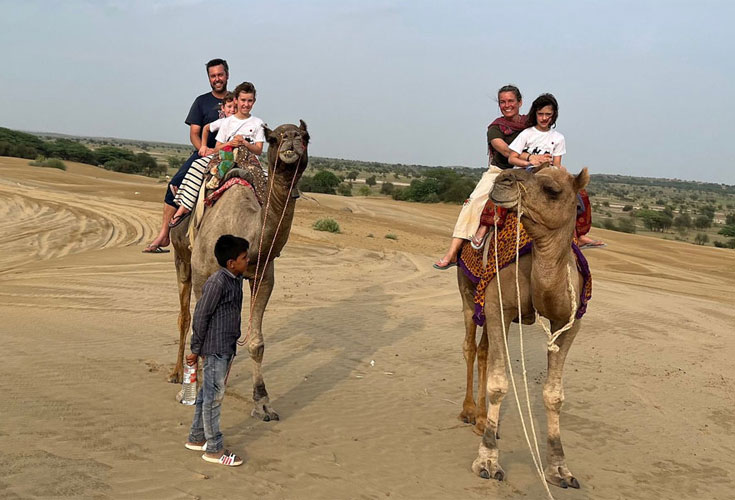 14 Nights / 15 Days
Route Delhi - Mandawa - Bikaner - Jaisalmer - Jodhpur - Udaipur - Jaipur - Delhi
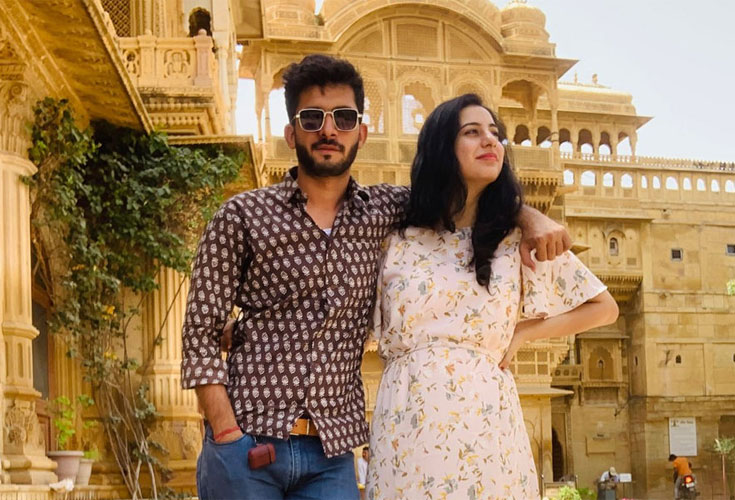 09 Nights/10 Days
Route Delhi - Jaipur - Jodhpur - Udaipur - Delhi
Let Us Plan It
Send dates and interests. A written proposal follows within 48 hours.
Start the brief →Ready When You Are
Speak to a curator directly — +91 97990 02277.
WhatsApp A CuratorIndia & Beyond
Chauffeur-driven travel nationwide, by the day or the fortnight.
See the fleet →