
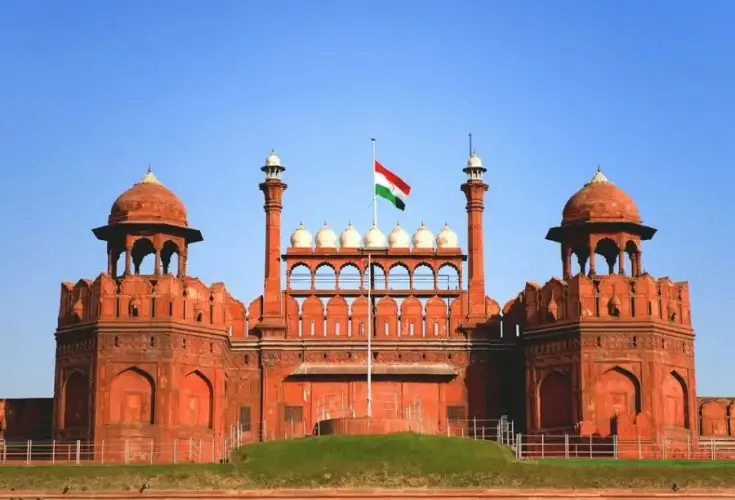
Rajasthan becomes far more interesting when the journey moves beyond its most familiar cities. This route begins with the painted havelis of Shekhawati, continues into the fortified landscapes of Bikaner and Jaisalmer, then follows the state south through Jodhpur and Udaipur before finishing in Jaipur. The result is a broad but coherent journey through regions that developed distinctive architectural traditions, trading histories and royal identities.
Arrive at Delhi International Airport and complete immigration, baggage collection and customs formalities before meeting the local representative in the arrivals area. Assistance will be provided with your luggage and private transfer to the hotel. The first day contains no compulsory sightseeing, because the route ahead is substantial and is best begun after proper rest. Check into your room, take time to freshen up and allow the pace of the journey to begin gradually.
Delhi serves primarily as the international gateway for this itinerary, but its inclusion also provides a comfortable buffer between the long-haul flight and the overland Rajasthan circuit. Guests arriving earlier in the day may notice broad avenues, commercial districts and fragments of historic architecture during the transfer without needing to undertake a formal city tour. The emphasis today is practical comfort rather than trying to fit a second itinerary into the arrival day. This also makes the next morning's departure much more relaxed.
Spend the remainder of the day entirely according to your own preference. You may choose a leisurely lunch, time by the hotel pool, a spa appointment booked independently or simply several uninterrupted hours of rest. Evening arrivals can move directly into dinner at the hotel before retiring. There is no benefit in exhausting yourself before a route that will soon cover some of Rajasthan's most varied regions.
Overnight: Delhi
After breakfast, leave Delhi with your private chauffeur and begin the drive toward Mandawa in the Shekhawati region of Rajasthan. The urban landscape gradually gives way to smaller towns, cultivated land and increasingly dry countryside as you travel west. Today's drive introduces the overland character of the journey and creates a much clearer sense of geography than flying directly into a major Rajasthan city. Comfort stops can be made whenever appropriate, and lunch can be taken independently along the route.
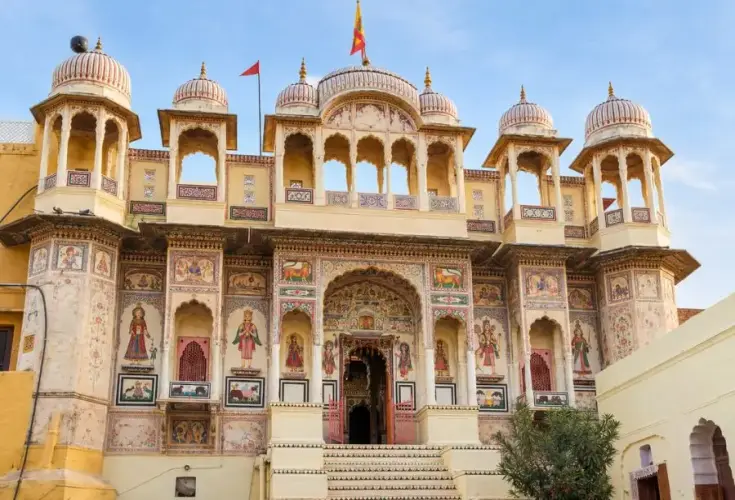
Mandawa is very different from the great royal capitals that appear later in the itinerary. Its importance is linked to merchant families who accumulated wealth through trade and commissioned elaborate havelis decorated with painted façades, courtyards and interior frescoes. These buildings turned parts of Shekhawati into an extraordinary open-air record of commercial prosperity and changing artistic tastes. On arrival, check into your heritage-oriented hotel and take time to settle in before heading out later in the day.
If arrival time allows, take a gentle introductory walk through nearby streets with your guide or local escort. The first impressions are often architectural rather than monumental: ornate doorways, aging frescoes, shaded courtyards and narrow lanes provide a very different atmosphere from Jaipur or Udaipur. The walk should remain short and observational rather than trying to cover the entire town. Return to the hotel for dinner at leisure and prepare for a fuller exploration the following morning.
Overnight: Mandawa
Begin after breakfast with a guided walk through Mandawa and selected nearby heritage streets. The focus is on the havelis built by prosperous merchant families, many of whom maintained trading connections far beyond Rajasthan. Their homes often combined inward-looking courtyards with highly decorative exterior surfaces, creating an architectural language based on both privacy and display. Your guide will explain how these residences functioned socially and commercially, while also pointing out the changing themes represented in the wall paintings.
Move slowly through selected havelis rather than trying to enter every building in town. Some frescoes depict religious scenes, while others incorporate trains, European figures, mechanical inventions or other imagery that reflected the expanding world of their patrons. The mixture of local artistic traditions and imported visual references is one of the reasons Shekhawati is so distinctive. The value of the morning lies in seeing how merchant wealth left a different architectural legacy from the royal patronage encountered later in Rajasthan.
After lunch, the afternoon can remain comparatively light. You may choose another short heritage walk, visit a nearby settlement known for painted mansions or return to the hotel for several hours of rest. Photography-minded travelers often benefit from revisiting certain streets later when the light has changed and daily activity has slowed. The evening is free, giving the first two Rajasthan nights a measured pace before tomorrow's drive toward Bikaner.
Overnight: Mandawa
Leave Mandawa after breakfast and continue west toward Bikaner. The drive moves through a landscape that becomes noticeably drier, with long stretches of open country interrupted by villages, roadside businesses and cultivated fields where local conditions permit. These transitions help explain why Rajasthan's fortified cities developed very different architectural responses to climate and geography. Your chauffeur will keep the road journey comfortable with appropriate stops for refreshments and lunch.
Bikaner was founded as a royal city on the edge of the Thar Desert and developed under rulers who maintained political and military relationships with larger imperial powers. Unlike many Rajasthan forts built on commanding hilltops, Junagarh Fort stands on comparatively level ground, making its defensive design especially interesting. The city's historic core also retains a strong regional character and is less dominated by monumental tourism than some of Rajasthan's better-known capitals.
On arrival, check into your hotel and leave the remainder of the afternoon relatively open. Depending on the time, you may take a short orientation drive or simply stay at the property and rest after the journey. No major fort visit is scheduled today because Junagarh deserves a fresh start and sufficient time tomorrow morning. Dinner is at leisure, with the evening kept quiet before the next full day.
Overnight: Bikaner
After breakfast, begin at Junagarh Fort, one of Rajasthan's most impressive fortified palace complexes. Although the exterior conveys military strength, the interiors reveal a succession of courtyards, audience halls and royal apartments shaped by different rulers. Decorative work includes carved stone, painted surfaces, mirror details and richly ornamented rooms that contrast sharply with the austere desert setting outside. Your guide will explain how the fort expanded over time and why its architecture differs from the hill forts seen elsewhere in the state.
Take time within the fort to understand the transition from defensive architecture to increasingly elaborate court spaces. Certain sections reflect changing artistic influences and shifting relationships between Bikaner's rulers and larger political centers. Rather than moving quickly from room to room, pause at selected courtyards and chambers where the design reveals most clearly how public ceremony and private life were organized. The site is substantial enough to justify a focused morning.
Later, continue into selected parts of Bikaner's old city. Walk through narrow streets where traditional merchant houses, temples, workshops and food businesses form a dense urban pattern. Depending on your interests, time can be spent looking at local architecture, traditional snacks or regional craft traditions without turning the afternoon into a commercial shopping route. Return to the hotel before evening and enjoy a relaxed night after a day centered on the city's historical core.
Overnight: Bikaner
After breakfast, begin the overland journey from Bikaner to Jaisalmer. Today's drive takes you farther into western Rajasthan, where the landscape becomes more open and the sense of desert geography increasingly pronounced. Long distances between settlements give the road a character quite different from the more populated corridors of eastern Rajasthan. The journey itself is an important part of the experience because it makes Jaisalmer's remote position much easier to understand.
Stops can be made for comfort and lunch according to the pace of the day. As you move west, building materials and settlement patterns gradually change, reflecting the availability of local stone and the demands of the climate. The colors of the landscape become more muted, making the warm sandstone architecture of Jaisalmer particularly striking on approach. Your guide or chauffeur can provide practical context, but the day is intentionally not overloaded with formal sightseeing.
Arrive in Jaisalmer later in the day and check into your hotel for a three-night stay. Depending on where you are staying, the first distant view of the fort may already dominate the skyline. Use the remaining hours to settle in, enjoy the property and take in the atmosphere of the desert city without rushing immediately into its lanes. Formal exploration begins tomorrow, allowing Jaisalmer to be approached with enough time rather than treated as a short overnight stop.
Overnight: Jaisalmer
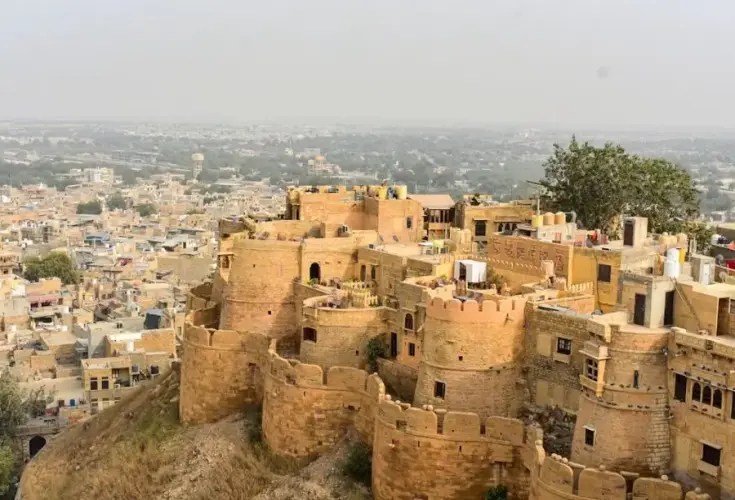
After breakfast, begin with Jaisalmer Fort, whose golden sandstone walls rise above the surrounding city. Unlike many historic forts in Rajasthan, Jaisalmer Fort remains a living urban quarter with residences, temples, small businesses and guesthouses inside its walls. Enter through the gateways and follow the climbing lanes with your guide while learning how the fort developed as a center of trade and defense. The compact urban structure creates an experience very different from the sprawling palace complexes of Bikaner and Jaipur.
Inside the fort, visit selected architectural and religious sites according to current access arrangements. Jain temples, carved façades, residential buildings and elevated viewpoints reveal the remarkable degree of stone craftsmanship achieved in a desert environment. Your guide will also explain the historical importance of caravan trade routes that linked Jaisalmer with wider commercial networks. The city's wealth was not based only on royal authority; trade played a major role in shaping its architectural character.
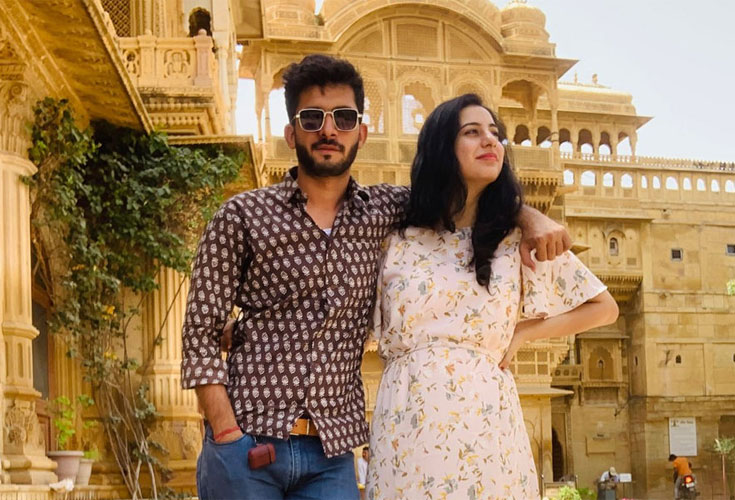
Later, descend into the lower city to visit notable merchant havelis known for intricately carved sandstone façades and balconies. These residences demonstrate how prosperous trading families expressed status through architecture in a city where local stone could be worked with extraordinary precision. Continue through selected neighborhood lanes rather than limiting the afternoon to individual monuments. Return to the hotel later in the day and keep the evening free for dinner and rest.
Overnight: Jaisalmer
Today begins at a more relaxed pace after yesterday's detailed exploration of the fort and lower city. Enjoy breakfast and use the first part of the morning for a quieter cultural visit, local neighborhood walk or additional time devoted to architecture and photography. Jaisalmer rewards repetition because changing light dramatically alters the color and texture of its sandstone buildings. Returning to selected streets at a different hour often reveals details that are easy to miss during a single structured tour.
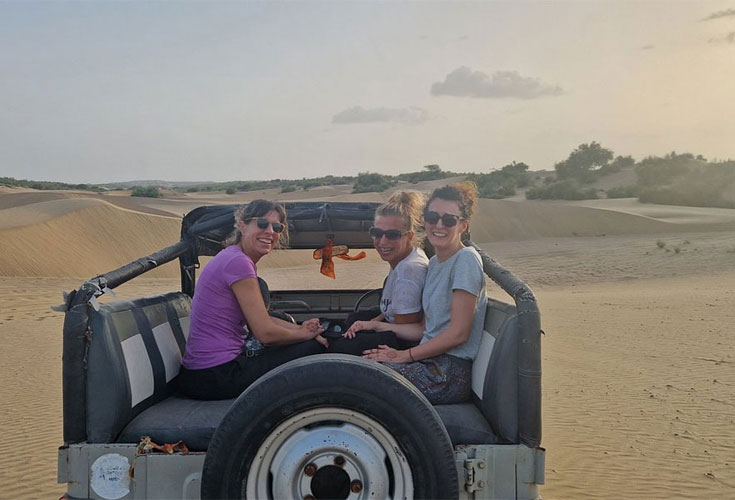
After lunch and some rest at the hotel, travel outside the city into the surrounding desert landscape. The excursion can be arranged toward an appropriate dune area according to the final operating plan, local conditions and your preferred level of activity. The focus should be on the landscape itself rather than turning the visit into an overly staged entertainment program. The scale of the desert, shifting light and relative quiet create a strong contrast with the dense architecture of the fort.
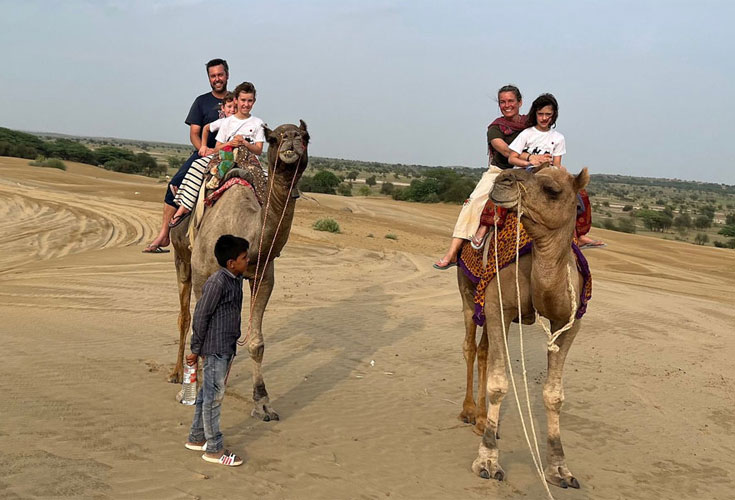
Remain in the desert through the later afternoon if conditions are suitable, allowing time to see the landscape change as the sun lowers. A camel ride or other locally available activity can be included only if specifically requested and appropriately arranged, rather than assumed as compulsory. Return to Jaisalmer afterward for the final night in the city. The extended stay means you leave with a more complete understanding of both the fortified settlement and the environment that shaped it.
Overnight: Jaisalmer
After breakfast, check out from the hotel and begin the private drive toward Jodhpur. The route moves gradually away from the deeper desert landscapes around Jaisalmer and toward the more settled region of Marwar. The change is not immediate, which is one reason this overland sector is worthwhile. Small settlements, open scrubland and long road horizons continue for much of the journey before the scenery becomes more varied closer to Jodhpur. Comfort stops and lunch can be taken according to the pace of the day rather than at fixed tourist stops.
The transfer also creates an important change in architectural context. Jaisalmer is defined by golden sandstone and a compact fortified settlement shaped by trade, while Jodhpur is dominated by the immense bulk of Mehrangarh rising above a much larger urban area. On approach, the fort appears almost suddenly above the city, providing one of Rajasthan's most dramatic skylines. The contrast with Jaisalmer immediately signals that the journey has entered a different historical region.
Arrive in Jodhpur in the afternoon and check into your hotel. The rest of the day is deliberately free after the long drive. You may wish to enjoy the property, take tea on a terrace or make a short walk nearby if the location is suitable. There is no need to begin formal sightseeing today, allowing the city's principal landmarks to be visited with proper time and energy the following morning.
Overnight: Jodhpur
Begin the day at Mehrangarh Fort, set high above the city on a rocky outcrop. The approach through its historic gates immediately communicates the defensive strength of the complex, yet the interiors reveal a more refined royal world. Move through courtyards, audience areas and former palace rooms while your guide explains how the Rathore rulers expanded the fort over generations. The site offers both architectural depth and a clear understanding of Jodhpur's importance within the wider history of Marwar.
Inside the fort, spend time with the decorative details rather than treating the visit as a rapid progression of rooms. Carved screens, painted interiors, ceremonial objects and elevated balconies reveal a sophisticated court culture behind the formidable exterior. From the terraces, the view stretches across the dense old city below, where blue-painted houses create one of Jodhpur's most recognizable visual features. These viewpoints also help explain how the fort, city and surrounding plain were historically connected.
Continue afterward to Jaswant Thada, the marble memorial situated close to the fort. Its scale and atmosphere are far quieter, making it a useful counterpoint before descending into the old city. Later, walk through selected lanes around the traditional market district, where food vendors, textile sellers and long-established local shops create a more everyday picture of Jodhpur. Return to the hotel in the late afternoon and leave the evening at leisure.
Overnight: Jodhpur
After breakfast, leave Jodhpur and travel south toward Udaipur. The drive is particularly rewarding because the landscape changes considerably as you leave the drier Marwar region and approach the Aravalli Hills. Open terrain gradually gives way to more broken topography, cultivated areas and smaller settlements tucked into the countryside. The journey provides a strong geographical transition between two very different Rajasthan regions.
En route, visit the Ranakpur Jain Temple, an architectural highlight set within a quiet valley. The temple is celebrated for its intricate marble carving, multiple domes and dense arrangement of pillars, each contributing to the complexity of the interior. Light and shadow shift across the carved surfaces as you move through the building, creating a very different experience from Rajasthan's fortified palaces. Your visit will follow the temple's current access rules and religious protocols.
Continue onward after the visit, pausing for lunch independently at a suitable place according to timing. As Udaipur approaches, the landscape becomes noticeably greener and more undulating, creating a softer visual setting than the desert cities visited earlier. Check into your hotel on arrival and leave the rest of the day free. The evening is ideal for enjoying the property's surroundings, particularly if it overlooks the lake or surrounding hills.
Overnight: Udaipur
After breakfast, meet your private guide and begin at the City Palace of Udaipur, one of the most extensive palace complexes in Rajasthan. Built over generations by the rulers of Mewar, the palace rises above Lake Pichola in a series of interconnected courtyards, terraces, gateways and residential spaces. Its location creates a much more intimate relationship with the surrounding landscape than the hill forts of Jodhpur or Jaipur. Your guide will explain how the complex evolved and how successive rulers added to its architecture.
Move through selected palace sections where decorative stonework, painted surfaces, balconies and narrow passages reveal the private as well as ceremonial side of royal life. Openings toward the lake frame changing views of the water and surrounding hills, emphasizing the visual connection between architecture and geography. Enough time is allowed to appreciate the palace without turning the visit into an exhaustive room-by-room tour.
Later, continue through selected old-city lanes before taking a boat ride on Lake Pichola, subject to weather, water levels and local operating conditions. From the lake, Udaipur's architecture reads very differently, with the City Palace stretching along the shoreline and smaller historic buildings clustered around the ghats. The later afternoon light often brings additional depth to the stone façades. Return to the hotel afterward and enjoy the evening at leisure.
Overnight: Udaipur
Enjoy breakfast before checking out and beginning the private drive toward Jaipur. This sector links southern Rajasthan with the state's best-known planned capital and allows you to see yet another change in landscape. The road moves away from the lake-and-hill setting of Udaipur toward broader plains and increasingly urbanized corridors. Comfort breaks and lunch can be arranged according to the natural rhythm of the journey.
The transfer also marks a shift between two very different royal traditions. Udaipur developed within a defensive lake-and-hill environment associated with the rulers of Mewar, while Jaipur was founded later as a formally planned city with broad streets, market zones and a clearly organized urban structure. Seeing the two back to back makes the contrast in city planning particularly clear. The journey therefore connects not only two destinations but two distinct approaches to royal urbanism.
Arrive in Jaipur later in the afternoon and check into your hotel. The evening remains free so you can settle in and enjoy the property after the road journey. No formal sightseeing is necessary today, which allows the following morning to begin at Amber Fort with proper time. Dinner can be taken independently at the hotel or at a suitable restaurant according to preference.
Overnight: Jaipur
After breakfast, drive toward Amber Fort, positioned above the former settlement of Amer. The fort's hill setting and layered gateways create a strong first impression, but the interiors reveal a much more decorative side of Rajput court life. Walk through major courtyards, audience halls and former private areas while your guide explains how the complex expanded under different rulers. The contrast between defensive walls and refined interiors is one of the most interesting features of Amber.
Return toward Jaipur with a pause for a view of Jal Mahal before continuing into the historic city. Visit the City Palace, where formal courtyards, gateways and collections reflect the city's royal history within a more urban setting. Nearby, explore Jantar Mantar, where monumental astronomical instruments reveal the scientific interests of Jaipur's founder. The sequence of palace and observatory gives the afternoon a strong architectural and intellectual focus.
Finish the main sightseeing with a view of Hawa Mahal, whose façade remains one of Jaipur's defining architectural images. If time permits, continue through selected market streets to see the commercial side of the old city. Return to the hotel in the late afternoon and keep the final Rajasthan evening free. This is an appropriate time for a relaxed dinner and a slower end to the journey rather than adding another major site.
Overnight: Jaipur
Have breakfast at the hotel and check out according to your onward flight schedule. Your private chauffeur will drive you back to Delhi, with adequate time built in for traffic and airport formalities. Depending on the timing of your international flight, the route can be planned for a direct airport transfer or for an additional Delhi hotel stay if required. The final day's logistics should prioritize comfort and realistic connection times rather than unnecessary urgency.
By the end of the route, Rajasthan will have revealed itself through several distinct regional identities. Mandawa introduced merchant havelis and painted façades; Bikaner brought desert fortifications; Jaisalmer combined trade history with deep desert architecture; Jodhpur expressed the power of Marwar; Udaipur softened the journey through lakes and hills; and Jaipur concluded with formal planning and monumental royal architecture. The variety is precisely what makes a longer Rajasthan itinerary worthwhile.
On arrival in Delhi, proceed according to your confirmed flight arrangements or onward travel plans. Guests extending their India journey may continue to Agra, Varanasi, a wildlife reserve or another region. The 15-day Grand Rajasthan Journey concludes here after a broad overland route designed to show the state through its cities, landscapes and architectural traditions rather than through a narrow checklist of headline monuments.
Meals: Breakfast
Tour Ends: Delhi
What the price includes
What it does not
Extra costs caused by flight delays, weather, road closures, local restrictions or other circumstances outside the confirmed services.
Starting from
On request
per person · twin share
Get In Touch
No planning fee, no obligation. A curator replies within two hours - or call +91 97990 02277.
 13 Nights / 14 Days
Route Delhi - Agra - Jaipur - Jodhpur - Udaipur - Delhi
 15 Nights / 16 Days
Route Delhi - Jaipur - Bundi - Chittorgarh - Udaipur - Narlai - Jodhpur - Jaisalmer - Delhi
 11 Nights / 12 Days
Route Jaipur - Shahpura - Jodhpur - Narlai - Udaipur
 10 Nights / 11 Days
Route Jaipur - Bikaner - Jaisalmer - Jodhpur - Jaipur
 09 Nights/10 Days
Route Delhi - Jaipur - Jodhpur - Udaipur - Delhi
Let Us Plan It
Send dates and interests. A written proposal follows within 48 hours.
Start the brief →Ready When You Are
Speak to a curator directly — +91 97990 02277.
WhatsApp A CuratorIndia & Beyond
Chauffeur-driven travel nationwide, by the day or the fortnight.
See the fleet →