
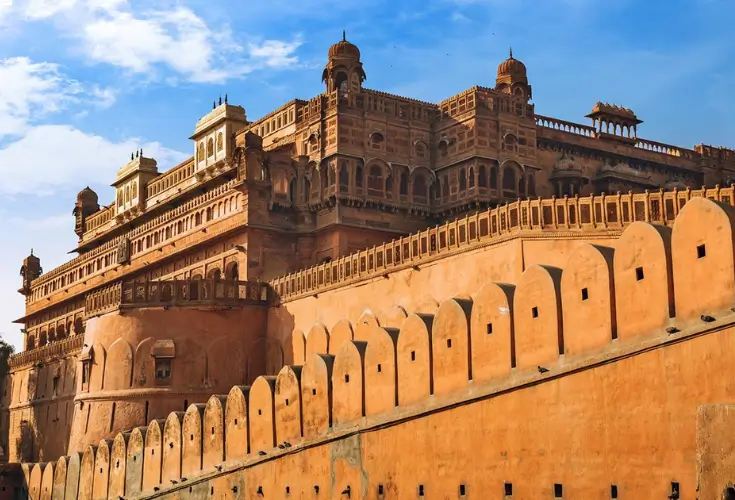

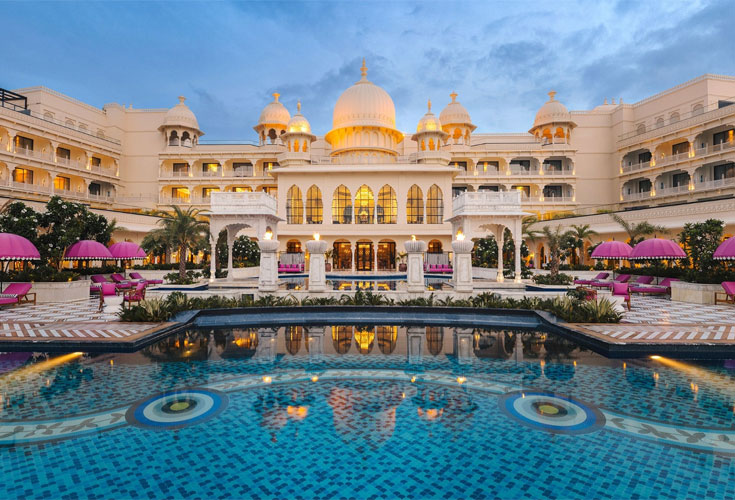
Fortified hilltops, tiger forests, sacred ghats and lakeside palaces shape this route across Rajasthan. Rajasthan Forts, Tigers & Palaces has been planned for travellers who want the state’s major royal cities without spending every day moving between similar monuments. Jaipur establishes the architectural scale of Rajasthan, Ranthambore interrupts the heritage circuit with time in the wild, Pushkar introduces an important pilgrimage town, and the final stages move through the powerful former kingdoms of Marwar and Mewar.
Arrive at Delhi International Airport, where your representative will meet you after immigration, baggage collection and customs. Transfer privately to your hotel and complete check-in. Delhi serves as the gateway for this Rajasthan circuit, but its importance extends far beyond transportation. The capital contains archaeological remains, historic neighbourhoods and monumental avenues created across very different periods of northern Indian history.
The remainder of the day is intentionally unscheduled. International arrival times vary considerably, and a fixed sightseeing programme immediately after a long flight rarely provides the best introduction to India. Guests reaching Delhi early can rest at the hotel or take a gentle orientation drive, while evening arrivals can proceed directly to their rooms and begin the itinerary after a proper night’s sleep.
Your representative will confirm the following day’s arrangements and assist with any immediate practical requirements. Dinner is left to personal preference, either at the hotel or at another suitable venue depending on arrival time. This slower opening also prepares you for the road journey into Rajasthan and the fuller sightseeing schedule beginning in Jaipur.
Overnight: Delhi
Leave Delhi after breakfast in your private chauffeur-driven vehicle and begin the journey southwest towards Jaipur. The route gradually leaves the dense National Capital Region and approaches the drier landscape of Rajasthan. Road conditions and traffic determine the exact travel time, so comfort stops can be taken as required rather than following a rigid coach timetable.
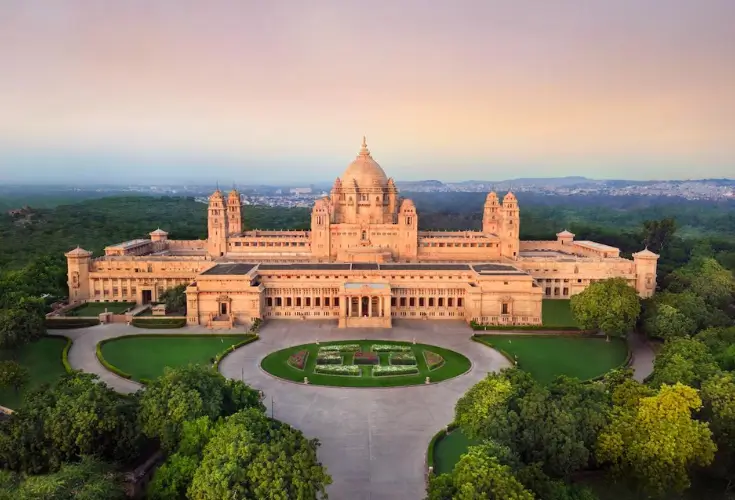
Arrive in Jaipur and check into the hotel. Maharaja Sawai Jai Singh II established the city as a planned capital, organising commercial and residential areas around broad streets and defined urban blocks. The historic centre later became widely known as the Pink City because of the distinctive colour used across many of its façades. Even before entering a monument, Jaipur’s street plan and architecture distinguish it from Delhi.
If arrival time allows, take a short orientation drive through the old city and see the exterior of Hawa Mahal as evening approaches. Alternatively, remain at the hotel and begin sightseeing fresh the following morning. The day is kept deliberately simple because Jaipur’s principal monuments deserve several uninterrupted hours rather than a compressed late-afternoon visit.
Overnight: Jaipur
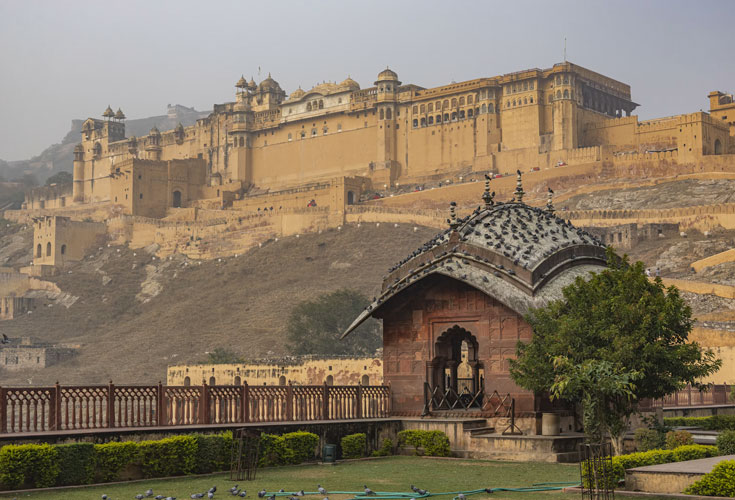
Travel to Amber Fort in the morning, following the road into the hills outside central Jaipur. The former royal stronghold rises above Maota Lake and combines formidable defensive walls with sophisticated palace architecture. Enter through the principal gateways and move through courtyards that once served military, administrative and ceremonial functions before reaching the more intimate residential areas of the complex.
Decorative mirror work, carved stone, painted surfaces and screened openings reveal a refinement that contrasts sharply with the fort’s rugged exterior. Your guide will explain the history of Jaipur’s Kachwaha rulers and their relationship with the Mughal court. From elevated sections of the complex, views extend across the surrounding hills and fortification walls, reinforcing the strategic importance of Amber’s location.
Return to Jaipur and stop at Hawa Mahal before visiting City Palace and Jantar Mantar. The palace introduces the ceremonial and artistic traditions of Jaipur’s royal court, while the astronomical observatory demonstrates Sawai Jai Singh II’s interest in scientific measurement. Finish with optional time in the bazaars, where jewellery, textiles and traditional crafts remain closely associated with the city.
Overnight: Jaipur
Depart Jaipur after breakfast and travel towards Ranthambore. The route leaves behind the busy state capital and passes through smaller settlements and agricultural areas. This gradual shift from urban Rajasthan to the countryside creates a natural transition into the wildlife section of the tour. Private transportation allows pauses to be taken whenever necessary during the journey.
Arrive at the wildlife lodge or resort near Ranthambore National Park and settle into your room. The landscape surrounding the reserve consists of dry deciduous woodland, rocky ridges, lakes and open areas that support a varied collection of wildlife. Old walls, gateways and other historical remains also appear within the broader forest environment, giving Ranthambore an unusual combination of natural and architectural character.
The afternoon is left relatively quiet. Your local team will explain the safari arrangements, including reporting times, vehicle type and any practical requirements for entering the park. Safari zones are allocated through the applicable official system and cannot simply be selected on arrival. Enjoy dinner at the lodge and prepare for an early start the following morning.
Overnight: Ranthambore
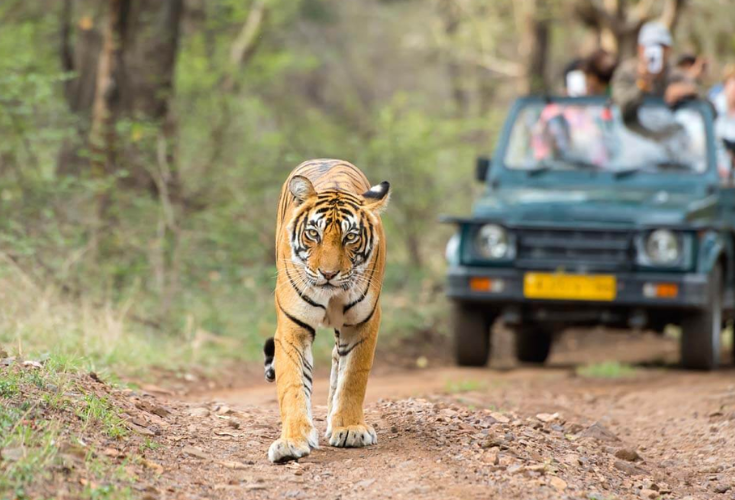
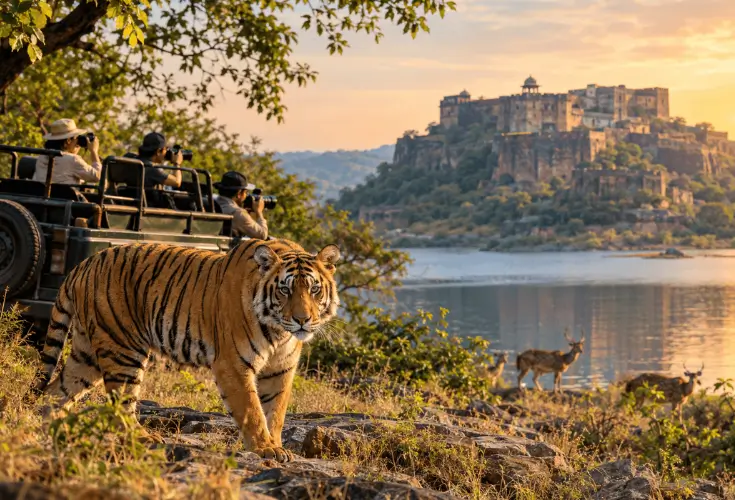
Start before sunrise for the first scheduled Ranthambore wildlife safari. Enter the reserve in an authorised vehicle with the assigned naturalist or park guide and begin searching the allocated zone. Guides pay attention to tracks, calls from deer and monkeys, water sources and recent wildlife movement while navigating the forest roads. The changing light of early morning also reveals the park’s lakes, rocky slopes and vegetation particularly well.
The Bengal tiger is the species most visitors hope to encounter, but Ranthambore supports a much wider range of wildlife. Sambar deer, spotted deer, nilgai, wild boar, langurs, crocodiles and numerous birds may appear during a game drive. Because these are wild animals moving freely through a large natural environment, sightings can never be guaranteed. Patience and attention to the complete ecosystem make the safari considerably more rewarding.
Return to the lodge for breakfast and spend the middle of the day resting. Later, depart on a second safari during the afternoon session. Different temperatures and animal movement can make this drive feel completely different from the morning. After exiting the park, return to the lodge for dinner and a relaxed evening, with no additional travel scheduled after the two game drives.
Overnight: Ranthambore
After breakfast, leave Ranthambore and travel towards Pushkar. The journey moves through rural Rajasthan before approaching the Aravalli hills surrounding the Pushkar-Ajmer region. After several days dominated by royal architecture and wildlife, the arrival in a pilgrimage town changes the character of the itinerary once again.
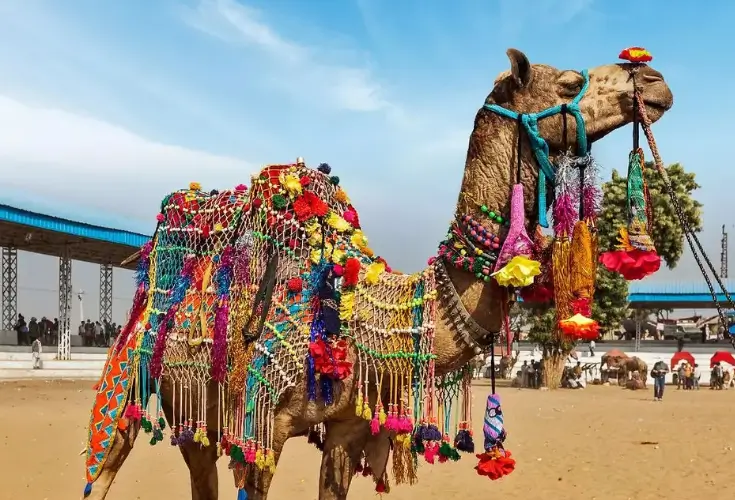
Check into your hotel before walking towards Pushkar Lake, the sacred centre around which the old town developed. Ghats descend to the water from several directions and remain active places of prayer, ritual and pilgrimage. Your guide will explain the religious traditions associated with the lake and appropriate behaviour in sacred areas, including any restrictions on footwear and photography.
Continue through the old pedestrian streets towards the Brahma Temple, subject to opening hours and local religious access. Small temples, cafés, textile shops, jewellery stalls and devotional businesses line the surrounding lanes. Towards evening, return to the lake area or spend time exploring the market at an easy pace before heading back to your hotel.
Overnight: Pushkar
Spend the early morning at leisure or return briefly to the Pushkar ghats before breakfast. The quieter hours provide a different view of the pilgrimage town, with local worship and daily routines beginning before the commercial streets become busy. Afterwards, check out and meet your chauffeur for the journey west towards Jodhpur.
The road crosses increasingly open terrain as you enter the historic region of Marwar. Rajasthan’s landscape changes noticeably across these overland sectors, and the route to Jodhpur introduces drier conditions than those around Jaipur and Ranthambore. Villages, fields and small roadside settlements break up the drive, while private transportation allows comfortable stops along the way.
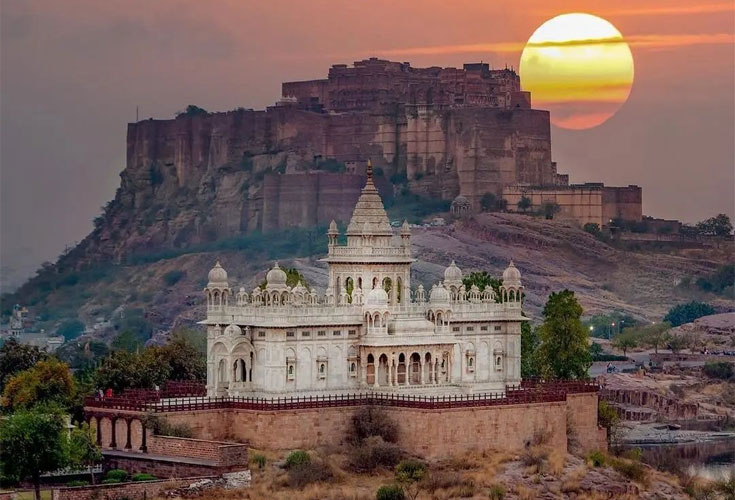
Arrive in Jodhpur and check into the hotel. Mehrangarh Fort dominates the skyline from its rocky elevation above the old city, immediately establishing the scale of the former Marwar capital. If daylight remains, take a short orientation drive or walk near the old quarter. The main fort and city sightseeing is kept for the following day so the visit can be properly paced.
Overnight: Jodhpur
Begin at Mehrangarh Fort, whose massive walls rise almost directly from the rocky ridge above Jodhpur. Pass through a sequence of fortified gates before reaching the palace areas within. Courtyards connect rooms decorated with carved stone, latticed windows and elaborate interior details, while museum collections help explain the history and material culture of the Rathore rulers of Marwar.
Take time to see the fort’s galleries and viewpoints rather than moving quickly through the complex. Historic weapons, paintings, textiles and royal objects provide context for the architecture, while the ramparts offer expansive views over the densely built city below. From here, the blue-painted houses associated with old Jodhpur are particularly visible, spreading outward beneath the fort.
Continue to Jaswant Thada, the marble memorial situated near Mehrangarh, before descending into the older commercial quarters. Walk around the clock tower and selected sections of Sardar Market, where spice merchants, textile shops, food stalls and everyday businesses fill the narrow streets. Return to your hotel after a full day devoted to the royal and urban history of Jodhpur.
Overnight: Jodhpur
Leave Jodhpur after breakfast and begin the drive south towards Udaipur. The route gradually moves away from Marwar’s drier landscape and into the rugged Aravalli region associated with Mewar. Rather than treating the day as a simple transfer, the changing terrain provides a geographical link between two former Rajput kingdoms whose histories, architectural traditions and landscapes developed in noticeably different ways.
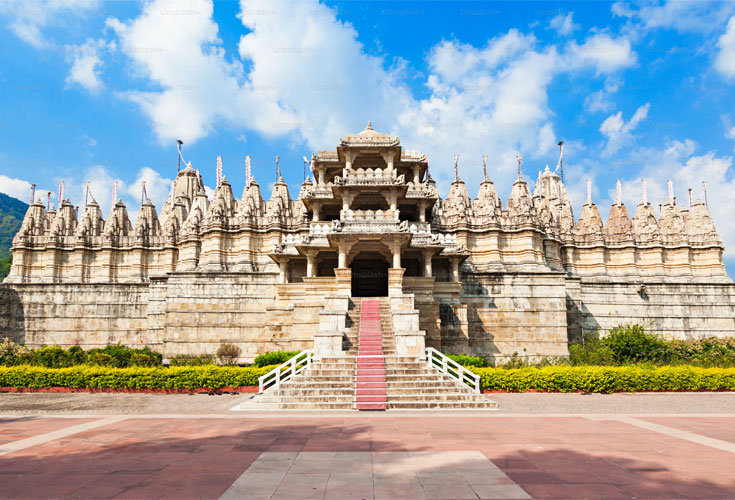
A stop at the Ranakpur Jain Temples can be incorporated along the route, subject to opening hours, religious access and the final road plan. The principal marble temple is renowned for its richly carved interiors and remarkable arrangement of pillars, domes and sculptural details. Visitors should observe temple rules concerning clothing, photography and access to sacred areas. Time here introduces an important religious architectural tradition before continuing through the hills.
Resume the drive towards Udaipur and arrive later in the day. Check into your hotel and settle into the more verdant surroundings of southern Rajasthan. Udaipur’s lakes and surrounding hills create an immediate contrast with Jodhpur’s rocky fort and dense old city. Keep the evening unstructured, allowing time for a lakeside walk, dinner at the hotel or simple relaxation after the overland journey.
Overnight: Udaipur
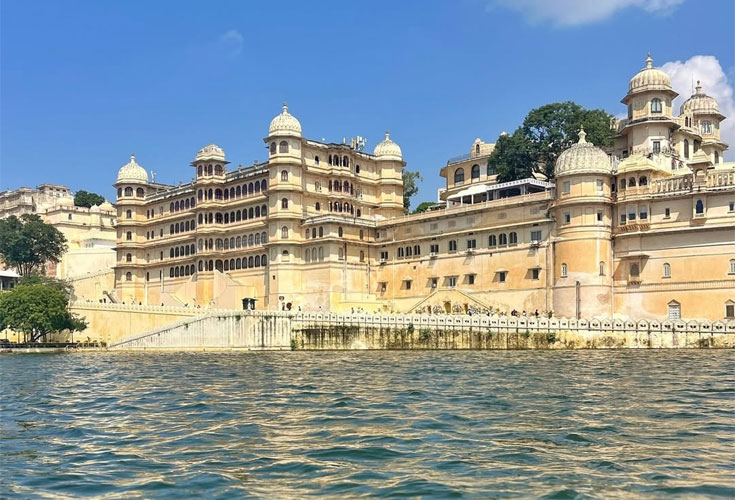
Begin at the imposing City Palace, which extends along a ridge above Lake Pichola. Successive rulers of Mewar expanded the complex over several centuries, producing a network of courtyards, balconies, corridors and royal chambers rather than a single uniformly designed palace. As you move through the accessible sections, your guide will explain the history of the Sisodia rulers and Udaipur’s role as the later capital of Mewar.
The palace interiors contain decorative glasswork, paintings, coloured tiles, carved stone and architectural details reflecting different periods of royal patronage. From several terraces and windows, views extend across Lake Pichola towards island palaces and the surrounding hills. These elevated perspectives help explain why Udaipur developed such a distinct identity compared with Rajasthan’s desert-edge cities and heavily fortified hill settlements.
After leaving the palace, continue on foot through sections of the old city and visit Jagdish Temple where appropriate. Narrow lanes below the palace contain small shops, traditional houses, workshops and cafés. Rather than immediately returning to the vehicle, spend some time walking through this compact neighbourhood to see how the historic city continues to function around its principal royal and religious monuments.
Overnight: Udaipur
Begin the morning at a gentler pace and visit selected sites beyond the City Palace complex. Depending on the final programme, this can include Saheliyon Ki Bari, the historic garden associated with the women of the royal household, or another cultural site that complements the previous day’s palace visit. The intention is to broaden the picture of Udaipur without repeating a full day of monumental sightseeing.
Later, spend time beside Lake Pichola and take a boat ride when water levels, weather and operating conditions permit. From the lake, Udaipur’s architecture takes on a different scale: the City Palace stretches along the waterfront, ghats descend towards the water and island structures appear against the Aravalli hills. The boat journey provides one of the clearest views of the relationship between the city and its lake system.
Keep part of the afternoon free for independent exploration, hotel facilities or a carefully selected craft visit. Udaipur has longstanding traditions associated with miniature painting and other forms of decorative art, and interested travellers can visit an artisan workshop rather than a generic commercial showroom. As evening approaches, enjoy your final night in Rajasthan at leisure, with the option of a lakeside dinner according to personal preference.
Overnight: Udaipur
Enjoy breakfast at the hotel before checking out. Depending on the flight schedule, the morning can remain free for a final walk, time beside the lake or simply a relaxed start. After a route that has included Jaipur’s forts, Ranthambore’s game drives, Pushkar’s sacred centre and Jodhpur’s hilltop citadel, there is no need to add another intensive sightseeing programme before departure.
Transfer privately to Udaipur Airport for the flight to Delhi, using the most suitable available service for the confirmed travel date. Flying this sector avoids a lengthy return by road and preserves the comfortable pacing of the itinerary. On arrival in Delhi, meet your representative and continue by private vehicle to the hotel for the final overnight.
The evening is at leisure. Travellers can rest, enjoy a farewell dinner or make a short visit to a preferred shopping or dining area if the flight arrives with sufficient time. The Delhi overnight also provides a useful buffer before an international departure, avoiding the risks associated with placing a domestic flight and long-haul international connection too closely together.
Overnight: Delhi
Have breakfast at the hotel according to your onward flight schedule. No formal sightseeing is planned on the final morning, keeping the departure flexible for flights leaving at different hours. Guests with later departures may use the hotel facilities or arrange independent activities, while early departures will transfer directly to the airport.
Meet your chauffeur at the agreed time and drive to Delhi International Airport. Adequate time will be allowed for city traffic and the airline’s recommended reporting period. Your representative can assist with departure arrangements where applicable before you proceed with check-in, immigration and security for the onward flight.
The 13 Days Rajasthan Forts, Tigers & Palaces Tour concludes after crossing several contrasting regions of the state. Jaipur introduced Rajasthan’s planned royal capital, Ranthambore replaced palace walls with tiger habitat, Pushkar added a living pilgrimage tradition, Jodhpur revealed the formidable heritage of Marwar, and Udaipur closed the route among the palaces and lakes of Mewar.
What the price includes
What it does not
Starting from
On request
per person · twin share
Get In Touch
No planning fee, no obligation. A curator replies within two hours - or call +91 97990 02277.
 14 Nights / 15 Days
Route Delhi - Jaipur - Ranthambore - Bundi - Udaipur - Jawai - Jodhpur - Jaisalmer - Delhi
 11 Nights / 12 Days
Route Jaipur - Pushkar - Jodhpur - Ranakpur - Kumbhalgarh - Udaipur
 12 Nights / 13 Days
Route Jaipur - Bikaner - Jaisalmer - Jodhpur - Jawai - Udaipur
 12 Nights / 13 Days
Route Delhi - Mandawa - Jaipur - Pushkar - Rohet - Jodhpur - Narlai - Udaipur
 11 Nights / 12 Days
Route Jaipur - Samode - Jodhpur - Rohet - Udaipur - Shahpura
 11 Nights / 12 Days
Route Jaipur - Ranthambore - Bundi - Udaipur - Jawai - Jodhpur
 10 Nights / 11 Days
Route Jaipur - Pushkar - Jodhpur - Jaisalmer - Jaipur
 11 Nights / 12 Days
Route Jaipur - Pushkar - Jodhpur - Jaisalmer - Udaipur
 10 Nights / 11 Days
Route Delhi - Jaipur - Ranthambore - Bundi - Udaipur - Delhi
 13 Nights / 14 Days
Route Delhi - Agra - Jaipur - Jodhpur - Udaipur - Delhi
 15 Nights / 16 Days
Route Delhi - Jaipur - Bundi - Chittorgarh - Udaipur - Narlai - Jodhpur - Jaisalmer - Delhi
 11 Nights / 12 Days
Route Jaipur - Shahpura - Jodhpur - Narlai - Udaipur
 10 Nights / 11 Days
Route Jaipur - Bikaner - Jaisalmer - Jodhpur - Jaipur
 14 Nights / 15 Days
Route Delhi - Mandawa - Bikaner - Jaisalmer - Jodhpur - Udaipur - Jaipur - Delhi
 09 Nights/10 Days
Route Delhi - Jaipur - Jodhpur - Udaipur - Delhi
Let Us Plan It
Send dates and interests. A written proposal follows within 48 hours.
Start the brief →Ready When You Are
Speak to a curator directly — +91 97990 02277.
WhatsApp A CuratorIndia & Beyond
Chauffeur-driven travel nationwide, by the day or the fortnight.
See the fleet →