

Kanha & Pench Safari keeps the focus firmly on Central India’s forests. There are no major cities or palace stops inserted between the reserves simply to broaden the itinerary. Instead, nine days are devoted to two different wildlife landscapes, repeated safari drives and enough time between outings to appreciate the lodges and surrounding countryside.
Arrive in Nagpur by your confirmed flight and meet the local representative outside the arrivals area. Rather than spending a night in the city, continue by private vehicle toward the Pench region, subject to an arrival time that makes the transfer comfortable and practical. The drive gradually leaves urban surroundings behind as the road enters more rural landscapes. Appropriate comfort stops can be made along the way. Arrive at your selected jungle lodge and complete check-in.
The first afternoon is intentionally free from a compulsory safari. This gives you time to settle into the lodge, have a meal and adjust after the flight and road journey. Walk around the property where appropriate and become familiar with the vegetation and birdlife immediately surrounding the lodge. Wildlife travel begins well outside a national park gate, particularly when the accommodation has been chosen in a naturally interesting setting.
Later, meet a resident naturalist where available and discuss Pench, its principal habitats and the practical structure of the following day. Safari permits determine the entry gate, zone, vehicle arrangements and timings, so these details should be reviewed before departure. Ask questions about animal behavior and the landscape rather than concentrating exclusively on where a tiger was last seen. Enjoy dinner and an early night before the first morning drive.
Overnight: Pench
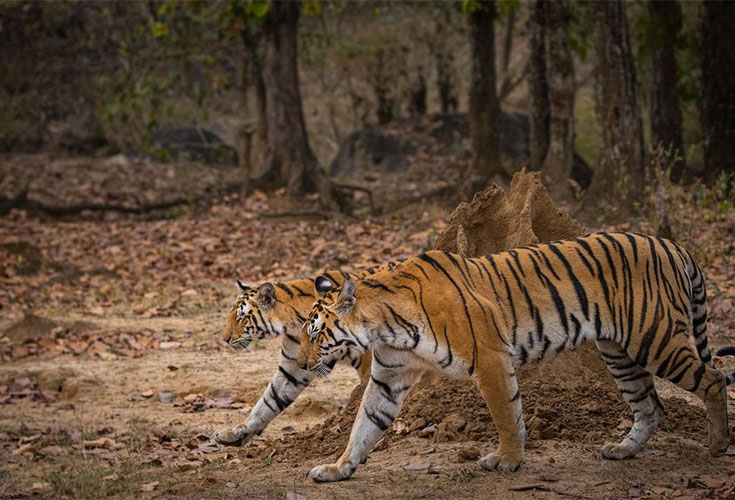
Leave the lodge early for your first scheduled Pench safari, following the official entry time attached to the confirmed permit. Enter in the authorized vehicle with the required guide or naturalist and allow the forest to reveal itself gradually as daylight increases. The landscape includes woodland, open areas, seasonal watercourses and patches where visibility changes considerably. Rather than immediately searching the distance for a large predator, begin by noticing tracks, birds and the behavior of prey species. These observations provide the foundation for understanding the reserve.
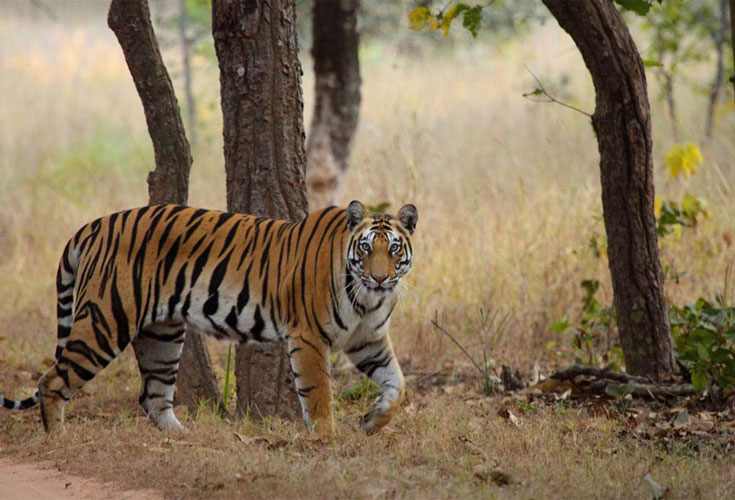
Spotted deer, sambar, langurs and other wildlife may appear as the vehicle moves through the allocated area. Naturalists pay close attention to alarm calls, fresh tracks and changes in animal behavior that can sometimes indicate predator movement. Such signs may lead to a period of patient waiting rather than constant driving. Even convincing evidence does not mean a tiger will eventually appear. No tiger or other wildlife sighting is guaranteed.
Return to the lodge after the morning safari for breakfast and several quiet hours. If an afternoon safari is included in the confirmed program, leave again when the park reopens and observe how the environment changes with temperature and light. Different species may become active, while areas that seemed quiet in the morning can feel completely different later. Return to the lodge after the official exit time and enjoy a relaxed evening.
Overnight: Pench
Begin with another early safari, now with some familiarity with the landscape and the practical rhythm of a game drive. Recognizing common species, listening for calls and understanding why the guide slows down in certain places can make the second day more rewarding than the first. The allocated route may also expose you to a different section of habitat depending on the confirmed permit. Conditions can change overnight, so yesterday’s observations should never be treated as predictions for today.
Allow the naturalist to determine when it is useful to move and when patience makes more sense. Wildlife observation is often a sequence of small clues rather than dramatic encounters. A fresh pugmark, the sudden alertness of deer or a change in langur behavior may become the most interesting part of a drive even if the animal responsible remains unseen. Birdlife adds another layer, particularly when the forest is otherwise quiet. Return to the lodge for breakfast after exiting the park.
Keep the midday period free for rest before the afternoon program. Where another safari has been secured, return to the reserve for one final Pench drive and enjoy the landscape without placing pressure on it to produce a particular sighting. If no afternoon permit forms part of the final plan, use the time at the lodge with a naturalist or simply relax. Tomorrow the journey continues toward Kanha.
Overnight: Pench
After breakfast, check out and begin the private overland journey from Pench toward Kanha National Park. The route crosses a largely rural section of Central India where villages, agricultural land and wooded landscapes provide a sense of the geography between the reserves. Road conditions can affect travel time, so the day is kept free from a fixed safari commitment. Stop for refreshments and lunch as appropriate. The transfer itself provides a welcome break from consecutive early starts.
Pench and Kanha should not be viewed as interchangeable wildlife destinations. Kanha is particularly associated with broad grasslands surrounded by extensive forest, creating habitats and sight lines that feel different from those encountered during the first part of the journey. This change in landscape is one of the main reasons for combining the two parks. It also makes the safari experience more interesting for travelers who want to understand Central India beyond one reserve.
Arrive at your selected Kanha lodge and settle in for a four-night stay. Meet the lodge team and review tomorrow’s safari timing, entry gate and other confirmed arrangements. If time permits, take a quiet walk within the property or spend the late afternoon talking with a naturalist about Kanha’s ecology. Enjoy dinner at the lodge and rest before returning to an early safari schedule.
Overnight: Kanha
Set out before or around sunrise according to the official entry schedule for your first Kanha safari. The landscape gradually opens as the drive passes through different forest types and grasslands. Kanha’s broad meadows can provide long views across areas used by herbivores, while denser forest changes both visibility and the way guides search for wildlife. Spend the first drive becoming familiar with these transitions. The contrast with Pench should become increasingly apparent.
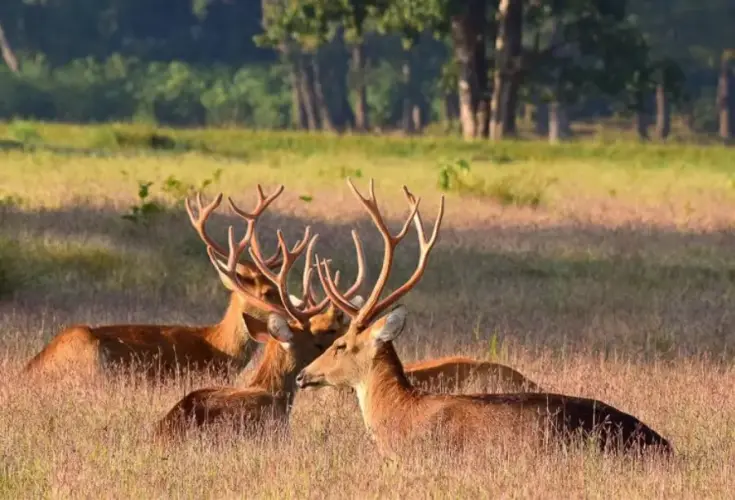
Depending on natural conditions, you may encounter spotted deer, sambar, gaur, langurs and varied birdlife. Kanha is also closely associated with conservation of the hard-ground barasingha, though no sighting should be assumed in advance. Predators form part of this wider ecological system rather than existing separately from it. Your naturalist will interpret tracks, calls and behavior while remaining within the permitted safari route. This contextual approach keeps the drive rewarding even during quiet periods.
Return to the lodge for a late breakfast and a long rest. Where an afternoon safari forms part of the permit schedule, return to the park as temperatures begin to change. The same landscape can look markedly different under later light, and animal activity may shift toward water, meadow edges or forest tracks. Exit at the required time and return to the lodge for dinner.
Overnight: Kanha
Begin another morning safari with the advantage of having already spent a full day inside Kanha. Instead of treating every turn in the road as a new scene, start recognizing the structure of the landscape and the habitats favored by different animals. Meadow edges, water sources, forest tracks and patches of dense cover each produce different possibilities. Your naturalist may decide to spend considerable time in one area if signs suggest interesting activity. Patience is often more useful than distance traveled.
A tiger encounter, if it occurs, should be treated as part of the forest rather than the sole measure of a successful drive. Watch how prey species respond, how other safari vehicles are managed and how the animal chooses to move through its environment. If no tiger appears, attention can shift toward gaur, deer, birds, smaller mammals and the landscape itself. Sightings depend entirely on wild animal movement and cannot be guaranteed. Respectful distance and park rules always take priority over photography.
Return to the lodge for breakfast and several hours at leisure. An afternoon drive may follow according to the confirmed safari plan, or the period can be reserved for rest if the final itinerary deliberately includes a lighter day. Multiple safaris are valuable, but so is enough downtime to remain attentive during them. Spend the evening quietly at the lodge.
Overnight: Kanha
Leave for another morning safari at the designated time. By this stage, the sounds of the forest, the common herbivores and the broad structure of Kanha should feel more familiar. That familiarity makes subtle changes easier to notice. A normally active meadow may be unusually still, or alarm calls may suddenly focus attention on a forest edge. Wildlife observation becomes more interesting when travelers begin recognizing these differences themselves.
Let the guide use current conditions rather than yesterday’s sightings to shape the drive. Predators can cover considerable distances, prey animals move with food and water, and weather can alter activity patterns. There is therefore little value in treating an earlier location as a guaranteed place to find an animal again. Spend time observing behavior whenever a good opportunity develops instead of immediately leaving in search of something larger. This slower approach suits the design of the itinerary.
Return to the lodge for the usual midday interval and lunch. If an afternoon safari is scheduled, enter the reserve once more for another independent period in the field. Otherwise, enjoy the lodge and discuss the week’s observations with a naturalist. With another full day still available tomorrow, there is no pressure to maximize every possible park entry.
Overnight: Kanha
Begin your final full day in Kanha with an early safari. Repeated drives provide no guarantees, but they do create time—the most important resource in wildlife travel. By now you may have observed how quickly conditions change between mornings and how little control anyone has over wild animals. Use this final day to enjoy the forest without a checklist. Allow the drive to develop according to whatever the landscape offers.
If there is an opportunity for a meaningful wildlife encounter, remain patient and follow the naturalist’s instructions. If the forest remains quiet, concentrate on smaller details that may have received less attention earlier in the trip. Birds, tree species, tracks, insects and the relationship between grassland and woodland all contribute to the ecosystem. Photography can be part of the experience, but it should never override park regulations or respectful viewing practices. Exit at the official time and return to the lodge.
After breakfast, rest through the middle of the day before the final afternoon safari where included. This last drive is not presented as a final chance that must produce a tiger; it is simply another period in a wild landscape whose outcomes cannot be controlled. Watch the evening light change across Kanha before leaving the park. Return to the lodge for your final dinner in Central India.
Overnight: Kanha
Enjoy breakfast before checking out and beginning the private transfer toward Raipur. The road journey leaves the Kanha landscape behind and gradually returns to more populated areas. Departure time will be coordinated with your confirmed onward flight or accommodation arrangements in Raipur, allowing sensible contingency for road conditions. Comfort stops can be made whenever required. No additional sightseeing is scheduled.
The transfer provides time to reflect on the differences between the two reserves. Pench introduced the journey through one pattern of woodland and open habitat, while Kanha offered broader meadows and a longer period in which to observe the rhythms of the forest. The value of combining them lies in these distinctions rather than simply increasing the number of opportunities to see a tiger. Each reserve contributes a different ecological perspective.
Arrive in Raipur and transfer to the airport for your onward flight, or to a hotel if the confirmed travel schedule requires an overnight stay. The core safari arrangements conclude here. Travelers connecting elsewhere in India should use flight schedules appropriate to their wider itinerary. Assistance will be provided according to the confirmed departure plan.
Tour Ends: Raipur
What the price includes
What it does not
Starting from
On request
per person · twin share
Get In Touch
No planning fee, no obligation. A curator replies within two hours - or call +91 97990 02277.
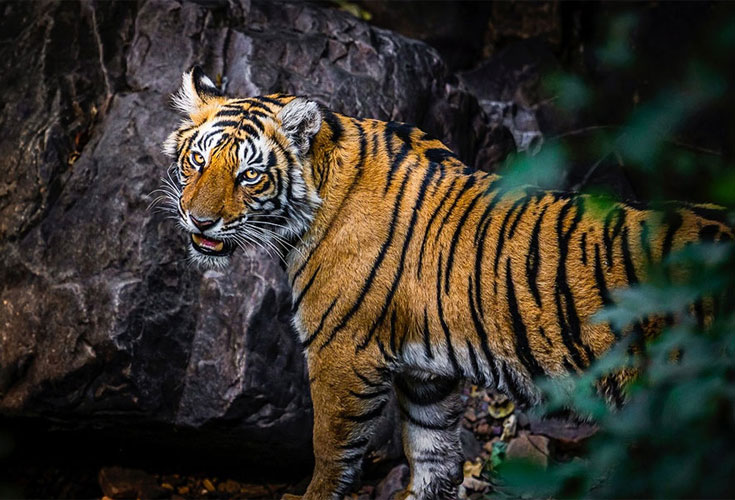 6 Nights / 7 Days
Route Delhi - Ranthambore - Jaipur
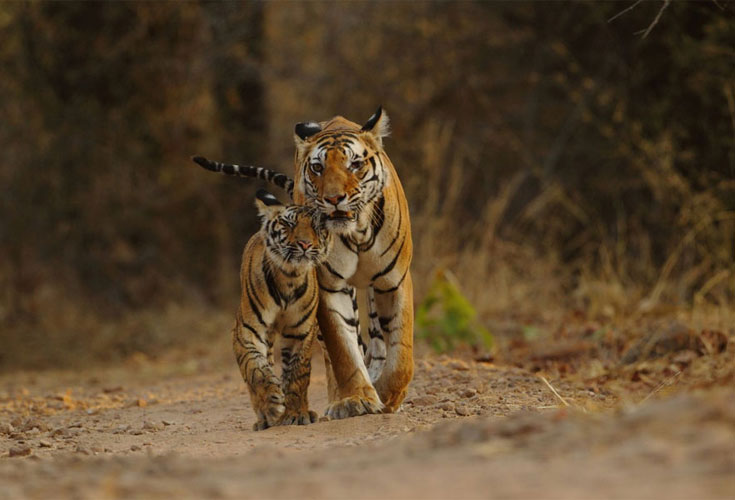 13 Nights / 14 Days
Route Delhi - Bandhavgarh - Kanha - Pench - Mumbai
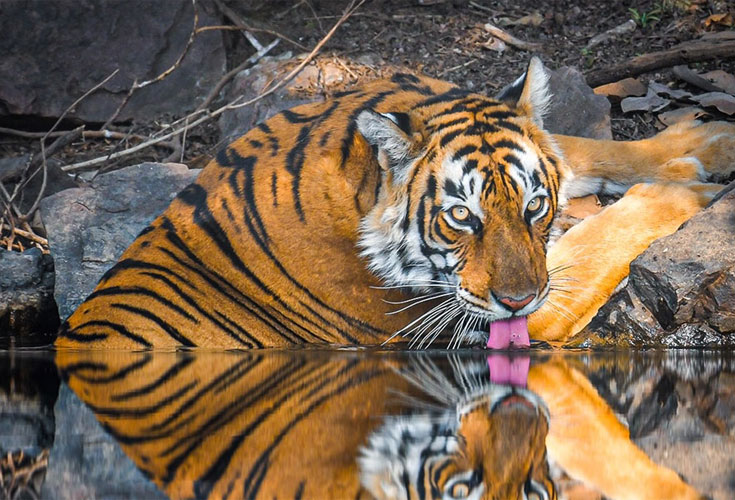 12 Nights / 13 Days
Route Delhi - Agra - Ranthambore - Jaipur - Jawai - Udaipur
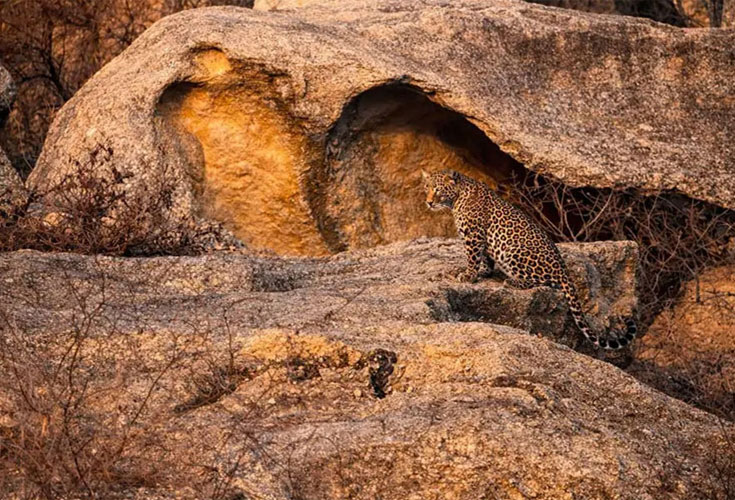 15 Nights / 16 Days
Route Delhi - Bharatpur - Ranthambore - Jawai - Udaipur
 9 Nights / 10 Days
Route Delhi - Bandhavgarh - Kanha - Delhi
Let Us Plan It
Send dates and interests. A written proposal follows within 48 hours.
Start the brief →Ready When You Are
Speak to a curator directly — +91 97990 02277.
WhatsApp A CuratorIndia & Beyond
Chauffeur-driven travel nationwide, by the day or the fortnight.
See the fleet →