
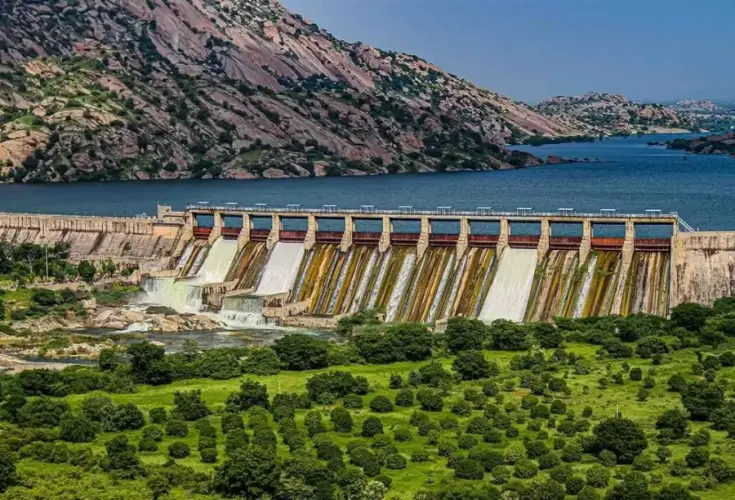
Package Overview
Arrive at Delhi International Airport and proceed through immigration, baggage collection and customs. Meet the local representative in the arrivals area and transfer privately to your selected hotel. Assistance will be provided with check-in, but no formal sightseeing is scheduled. International arrival times differ considerably, and the itinerary does not assume that every traveler is ready to begin touring immediately. Settle in and recover from the flight at your own pace.
Delhi functions primarily as the gateway to the wildlife landscapes ahead. The route has deliberately avoided filling the capital stay with a long list of monuments because Bharatpur, Ranthambore and Jawai are the principal subjects of the journey. A selective introduction tomorrow will provide historical context without taking unnecessary time away from the field. Travelers wanting deeper Delhi sightseeing can add additional nights before the package begins.
Keep the evening completely flexible. An early arrival leaves time to enjoy the hotel or take a short independent walk in an appropriate nearby area, while travelers arriving later can simply have dinner and rest. Wildlife days frequently involve early departures, so beginning the trip without unnecessary fatigue is worthwhile. Tomorrow moves from the modern capital into selected layers of its history.
Overnight: Delhi
Meet your private guide after breakfast and begin with Humayun’s Tomb, where Mughal architecture is arranged within a formal garden setting. Walk through the complex at a measured pace and consider the relationship between the central mausoleum, subsidiary structures and landscaped enclosure. The site provides useful historical context without requiring a full survey of Mughal Delhi. Your guide will focus on the most relevant architectural and historical details. Allow time to observe rather than moving quickly between viewpoints.
Continue into an appropriate section of Old Delhi for a contrasting view of the capital. Historic streets, places of worship, markets and long-established commercial areas reveal a denser urban pattern than the garden complex visited earlier. Depending on access and your interests, the program may include Jama Masjid and a guided walk through selected lanes. The intention is to understand how the old city developed and functions rather than present it as spectacle. Keep the visit selective enough to avoid an exhausting full-day circuit.
Return to the hotel during the afternoon and leave the remainder of the day open. Tomorrow the journey leaves Delhi for Bharatpur and the first serious wildlife component. Use the time to prepare binoculars, cameras and suitable field clothing. Dinner is at leisure, followed by an early night if preferred.
Overnight: Delhi
Leave Delhi after breakfast and travel privately toward Bharatpur. The road gradually moves beyond the metropolitan region into a more open landscape of towns, farmland and rural settlements. Appropriate comfort stops can be incorporated during the journey. Arrive at your selected accommodation and take time for lunch and check-in. The afternoon marks a significant change from city sightseeing to slower observation in nature.
Later, meet an experienced local guide for an introductory visit to Keoladeo National Park, subject to current opening conditions. The reserve is best approached quietly, with attention to water, vegetation and feeding areas rather than attempting to cover excessive distance. Depending on park arrangements, suitable sections may be visited on foot, by cycle-rickshaw or through another authorized low-impact method. Your guide will help identify birds while also explaining how habitat influences what may be present.
The first outing should be treated as an introduction rather than a race to compile a species count. Seasonal water conditions can dramatically affect bird distribution, while migratory patterns vary across the year. Resident species can be equally interesting when observed carefully. Return to the hotel before or around dusk according to park regulations and enjoy a quiet evening.
Overnight: Bharatpur
Begin early at Keoladeo National Park, when cooler temperatures and morning activity can make the wetlands particularly rewarding. Move slowly through selected habitats with your birding guide, stopping frequently rather than covering the reserve mechanically. Wetland edges, open water, woodland and drier areas can support different groups of birds. The guide will identify species through shape, movement, calls and habitat rather than relying only on distant visual impressions. Binoculars are particularly valuable here.
Depending on season and current conditions, the morning may involve waterbirds, herons, egrets, storks, ducks, kingfishers, raptors and numerous smaller species. The exact mix changes throughout the year, and no individual bird species should be guaranteed in advance. Take time to watch feeding and social behavior rather than immediately moving after identification. This approach makes Bharatpur valuable even to travelers who are interested in nature but are not specialist birders.
Return to the hotel around late morning or lunchtime and keep the warmer part of the day free. Later, an optional second guided period can focus on a different section of the reserve if included in the final program. Alternatively, use the afternoon to rest before tomorrow’s transfer. The slower schedule ensures that the first wildlife destination does not become physically demanding before the safari section begins.
Overnight: Bharatpur
After breakfast, leave Bharatpur and travel toward Ranthambore using the most practical confirmed road, rail or combined transportation arrangement for the final departure. The landscape changes steadily as the journey moves deeper into Rajasthan. Rather than attaching major sightseeing to the transfer, the schedule prioritizes a comfortable arrival at the wildlife lodge. Any rail component will be selected according to actual schedules and availability rather than assumed in advance. Local assistance will be provided for transfers where required.
Arrive near Ranthambore National Park and settle into your selected lodge. The change from Bharatpur is immediately apparent. Instead of primarily wetland birding, the coming days involve vehicle safaris through dry forest, open terrain, rocky hills and areas around lakes and water sources. The difference in habitat also brings a different style of wildlife observation. Safari procedures are governed by official permits, entry gates, zones and park timings.
Meet a naturalist where available for a briefing on the reserve and tomorrow’s drive. Discuss common prey species, predator behavior, alarm calls and the role of water and terrain in shaping wildlife movement. Tigers are an important focus, but the lodge briefing should establish realistic expectations from the beginning. Enjoy dinner and prepare for an early safari departure.
Overnight: Ranthambore
Leave the lodge early for your first scheduled Ranthambore safari, entering the park according to the official timing and zone specified by your confirmed permit. Travel in an authorized safari vehicle with the required guide or naturalist. As morning light develops, observe how dry woodland, open areas, lakes and rocky terrain create different wildlife habitats. Avoid beginning the drive with the expectation that a tiger must appear. The first objective is to understand how the park is read.
Naturalists listen for alarm calls and look for tracks while also observing the behavior of sambar, spotted deer, langurs and other potential prey species. Crocodiles, wild boar, raptors and varied birdlife may also be encountered depending on route and conditions. A period of intense alarm calling may suggest predator activity, but it does not guarantee a visible animal. Waiting can therefore become an important part of the safari. Tiger sightings are never guaranteed.
Return to the lodge after the morning drive for breakfast and a substantial rest period. If an afternoon safari forms part of the confirmed program, re-enter the park when the gates reopen. Changing temperature and light can alter both wildlife activity and the visual character of the landscape. Return after the official exit time and enjoy the evening at the lodge.
Overnight: Ranthambore
Begin another early safari with greater familiarity with the reserve’s rhythms. The allocated zone may differ according to permit arrangements, potentially revealing another section of Ranthambore’s landscape. Even when the route overlaps with yesterday’s drive, conditions can be entirely different. Animals move freely and previous sightings offer no reliable promise about where they will be today. Let current evidence shape the morning.
Pay closer attention to the connections between species. Langurs feeding above deer, birds responding to disturbance and herbivores becoming suddenly alert can all provide information about the surrounding environment. If fresh tiger signs are encountered, the guide may choose to wait in an appropriate permitted area. The animal may appear, move elsewhere unseen or never come close to the route. All three outcomes are part of genuine wildlife observation.
Return to the lodge for breakfast and keep the middle of the day deliberately quiet. An afternoon safari may follow if included in the confirmed permit schedule, providing another period in the forest under different conditions. Travelers should avoid evaluating the day solely by the number or proximity of predator sightings. Return to the lodge after the drive and rest before the final Ranthambore morning.
Overnight: Ranthambore
Enter Ranthambore again in the early morning for another scheduled safari. By the third day, the landscape should begin to feel less unfamiliar, making subtle details easier to recognize. A track across the road, the direction of a call or the sudden stillness of a group of deer can become meaningful observations rather than background activity. This growing awareness is one reason the itinerary allows several park entries. Wildlife travel benefits from repetition without becoming predictable.
If a tiger appears, allow the guide to manage the encounter according to park regulations and the behavior of the animal. Maintain appropriate distance and avoid placing pressure on the driver for a particular photographic position. If no tiger is seen, concentrate on the other species and habitats that make Ranthambore ecologically interesting. Raptors and other birds also provide a natural connection with the earlier days in Bharatpur. Every drive should contribute something beyond a single target species.
Return to the lodge after the safari and enjoy breakfast followed by a slower afternoon. Unless an additional confirmed drive is specifically included, use these hours to rest rather than automatically returning to the park. The journey still has another distinct wildlife landscape ahead in Jawai. Enjoy the final evening in Ranthambore with time to review photographs or speak with the lodge naturalist.
Overnight: Ranthambore
Leave Ranthambore after breakfast and begin the private overland journey toward Jawai. This is one of the longer transitions in the itinerary, so the day is intentionally free from formal sightseeing and fixed wildlife activities. The route crosses a broad section of Rajasthan, moving through towns, cultivated land and increasingly rugged countryside. Comfortable stops will be made as required, with lunch arranged independently along the way. The purpose is to reach Jawai without turning a substantial road journey into an unnecessarily crowded day.
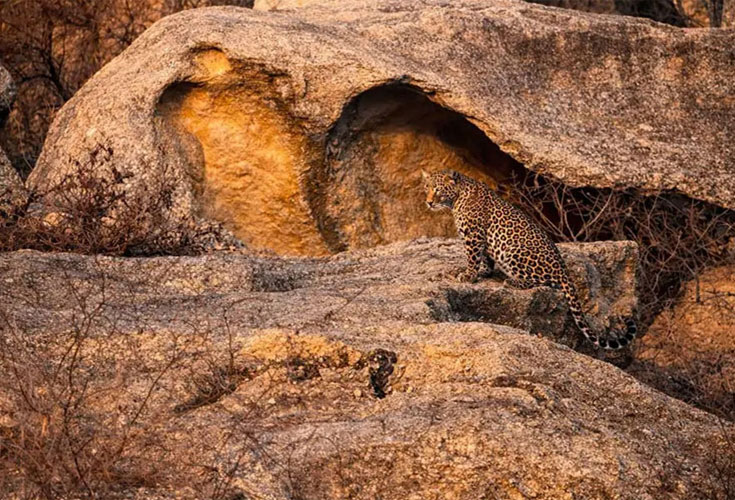
The landscape begins to change noticeably as you approach the Jawai region. Granite formations rise abruptly from otherwise open country, creating natural shelters, elevated viewpoints and corridors used by wildlife. This environment differs fundamentally from Ranthambore’s regulated national-park setting. Villages, fields, livestock and wildlife occupy the same wider landscape, making the relationship between people and animals an important part of understanding the region.
Arrive at your selected wilderness camp or lodge and settle in for a multi-night stay. Depending on arrival time, enjoy the property rather than immediately setting out on a tracking drive. Meet an experienced local tracker or naturalist where available and discuss the landscape, leopard behavior and the following morning’s arrangements. Have dinner at the property and rest after the road journey.
Overnight: Jawai
Begin before or around sunrise for your first Jawai leopard-tracking drive. Travel with an experienced tracker through the granite landscape, using appropriate tracks and observation points according to local access conditions. The method differs considerably from following designated routes inside a national park. Time may be spent scanning rocky slopes, watching likely movement areas and waiting quietly from suitable positions. The terrain itself becomes a central part of the morning.
Leopards use rocky formations and natural cavities in ways that can make them exceptionally difficult to see despite their presence in the region. Trackers combine local knowledge with current observations, but no amount of experience can control a wild animal’s movement. A leopard may appear clearly, remain partly concealed or never become visible during a particular outing. No leopard sighting can be guaranteed. Responsible tracking should never involve disturbing an animal simply to improve a viewing opportunity.
Return to the lodge for breakfast and leave the middle of the day unscheduled. Later, head out again if an afternoon tracking drive is included in the confirmed program. The granite changes character in softer evening light, while cooler temperatures can influence wildlife activity. Return to the lodge after the outing and enjoy a relaxed dinner.
Overnight: Jawai
Set out early for another morning in the Jawai countryside. With the basic geography now more familiar, attention can shift from simply looking for a leopard toward understanding how animals use the wider landscape. Granite ridges, scrub, cultivated ground and water sources all influence movement. Experienced trackers may spend considerable time watching a particular hillside when recent signs justify patience. Covering more distance is not automatically the most productive approach.
Jawai is especially interesting because wildlife exists alongside long-established rural and pastoral activity. Depending on the program offered by the selected lodge and local circumstances, part of the morning may provide insight into this working landscape without turning local communities into a staged attraction. Livestock, agriculture and seasonal patterns all form part of the environment in which predators move. Birdlife and other fauna may also add variety to the outing.
Return to the property for breakfast and several hours of rest. A later drive can provide another opportunity to observe the landscape if included in the final arrangements, but there is no need to pursue every available outing simply to increase a sighting count. Use some time to enjoy the camp and speak with the naturalist about the contrast between Jawai and Ranthambore. Spend the evening quietly beneath the open Rajasthan sky.
Overnight: Jawai
Leave for a final early tracking drive, allowing current conditions rather than previous sightings to determine the morning. Even if a leopard was observed yesterday, there is no reason to expect the same individual in the same location. Equally, an area that previously appeared inactive may reveal fresh signs today. This unpredictability is one of the qualities shared by all three wildlife sections of the itinerary. Each outing begins without a predetermined outcome.
If an animal is located, spend the available time observing its behavior while maintaining an appropriate distance. A leopard resting on granite, moving between rocks or briefly crossing open ground can produce very different encounters. If no leopard appears, concentrate on the remarkable structure of the landscape, birds and other wildlife present at the time. The morning remains valuable without a headline sighting. Photography should always follow the guidance of the tracker and respect the animal’s space.
Return to the lodge for breakfast and keep the remainder of the day intentionally slow. After early starts in Bharatpur, Ranthambore and Jawai, an open afternoon provides a useful physical break before moving to Udaipur. Read, rest, enjoy the property or review photographs from the wildlife sections. This is the final night in the field before the journey turns toward Mewar’s lake country.
Overnight: Jawai
Enjoy breakfast at an unhurried hour before leaving Jawai for Udaipur by private vehicle. The journey continues through the Aravalli region, connecting the rugged wildlife landscape with one of Rajasthan’s most distinctive historic cities. There is no need to attach another early tracking drive unless specifically included in the final program. A measured departure keeps the transition comfortable after several days of early wildlife outings. Stop en route whenever appropriate.
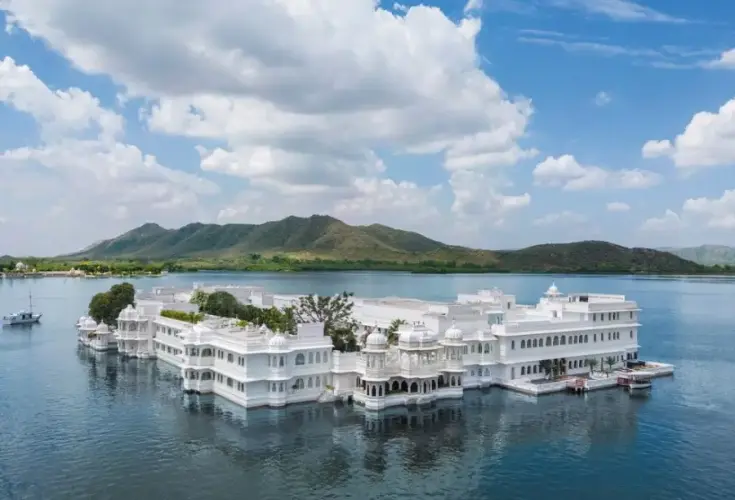
Arrive in Udaipur and check into your selected hotel. The city provides a striking visual change after Jawai, but the surrounding hills maintain a geographical connection with the previous destination. Lake Pichola, historic palaces, ghats and tightly arranged neighborhoods create a setting quite unlike Jaipur or Delhi. Take time for lunch and rest before deciding how much of the afternoon you wish to use.
Later, enjoy a gentle orientation through an appropriate section near the old city or lakefront with your guide. Avoid beginning the main City Palace visit late in the day simply to add another attraction. The important Udaipur sightseeing is reserved for tomorrow, when it can be appreciated properly. Return to the hotel and enjoy the evening at leisure.
Overnight: Udaipur
Meet your private guide after breakfast and begin at Udaipur City Palace. Built and expanded over generations, the complex occupies a commanding position above Lake Pichola and should be understood in relation to both the city and surrounding hills. Pass through gateways and courtyards before entering selected palace sections. Your guide will explain Mewar history while drawing attention to how individual rulers altered and extended the complex. Allow sufficient time for the architecture to unfold gradually.
Continue through former residential areas, terraces and decorated interiors, observing details in stone, painted surfaces, windows and smaller courtyards. Views toward the lake repeatedly reconnect the interior spaces with Udaipur’s wider setting. After leaving the palace, walk through selected streets of the old quarter rather than immediately driving to another monument. Small temples, houses, shops and workshops give the historic district a more intimate scale.
Later, take a boat ride on Lake Pichola, subject to weather, water levels and local operating conditions. Seeing the palace complex from the water provides a completely different understanding of its scale and position. The lake, ghats, historic buildings and Aravalli backdrop work together as one landscape rather than separate attractions. Return to the hotel and keep the evening free.
Overnight: Udaipur
Begin later than on previous days and visit Saheliyon Ki Bari, a historic garden known for its fountains, water features and enclosed green spaces. After days of early safari departures and extensive field time, the slower setting suits the final stage of the journey. Your guide can explain the garden’s historical context without extending the visit unnecessarily. Continue afterward according to your interests rather than following a rigid sightseeing sequence.
Use part of the morning to look at an aspect of Mewar’s artistic traditions through a suitable studio, collection or workshop. Painting, textiles or another regional craft can be selected according to availability and personal interest. The emphasis should remain on understanding materials and techniques rather than creating a compulsory shopping stop. Any purchase is entirely optional. Return to the hotel around lunchtime.
Keep the afternoon completely free. Enjoy the hotel, return independently to the lakefront, arrange a spa treatment or simply spend several hours without a guide or vehicle waiting. This open time is deliberate after nearly two weeks of wildlife outings and transfers. Enjoy your final evening in Udaipur at your own pace.
Overnight: Udaipur
Enjoy breakfast and a quiet final morning according to your onward flight schedule. No sightseeing is automatically attached to departure day, which prevents the itinerary from becoming rushed at the last moment. Check out at the appropriate time and meet your chauffeur for the private transfer to Udaipur Airport. Flight connections can be arranged through an appropriate Indian gateway according to the wider travel plan. Allow sufficient time for airport procedures.
Over sixteen days, the journey has moved through three fundamentally different wildlife settings. Bharatpur introduced wetlands and birdlife through slower observation, Ranthambore shifted the focus toward forest ecology and tiger habitat, and Jawai demonstrated how leopards occupy a granite landscape shared with rural communities. None of these environments was treated merely as another place to collect a sighting. Their differences are what give the route its depth.
Continue with your onward flight as Wild India: Tigers, Leopards & Birds comes to an end. The final days in Udaipur provide cultural perspective without diluting the wildlife emphasis that defines the itinerary. What remains is not a guaranteed list of species, but time spent watching several Indian landscapes on their own terms.
Meals: Breakfast
Tour Ends: Udaipur
What the price includes
What it does not
Starting from
On request
per person · twin share
Get In Touch
No planning fee, no obligation. A curator replies within two hours - or call +91 97990 02277.
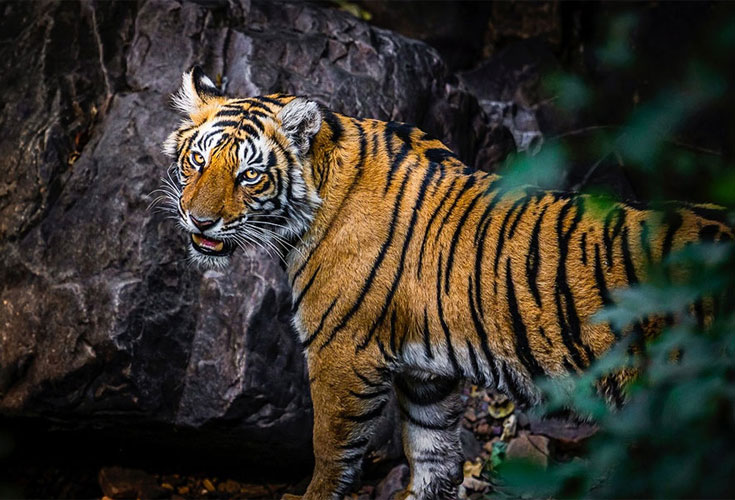 6 Nights / 7 Days
Route Delhi - Ranthambore - Jaipur
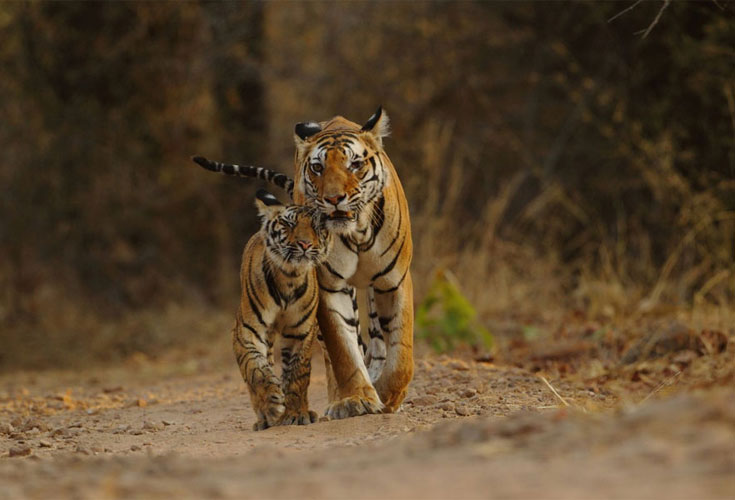 13 Nights / 14 Days
Route Delhi - Bandhavgarh - Kanha - Pench - Mumbai
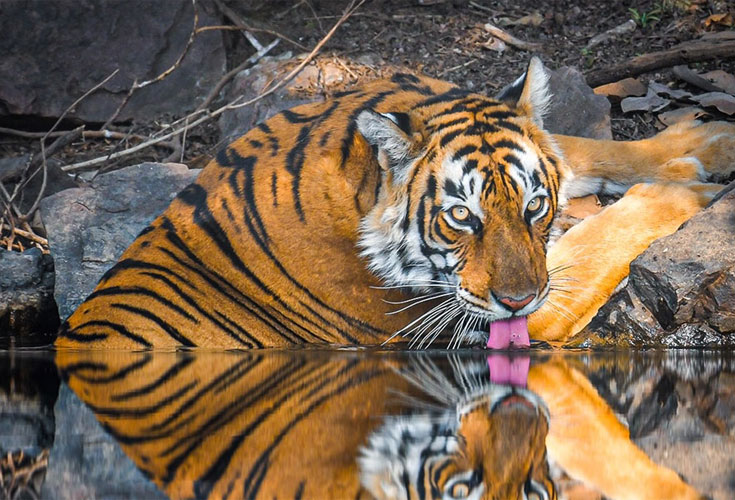 12 Nights / 13 Days
Route Delhi - Agra - Ranthambore - Jaipur - Jawai - Udaipur
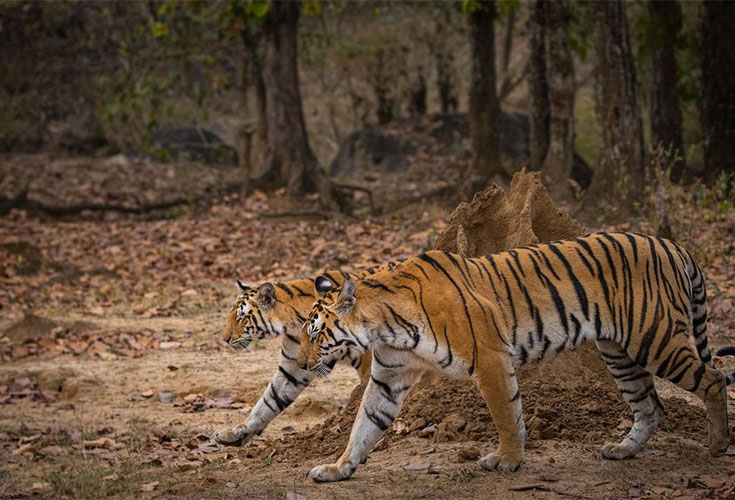 8 Nights / 9 Days
Route Nagpur - Pench - Kanha - Raipur
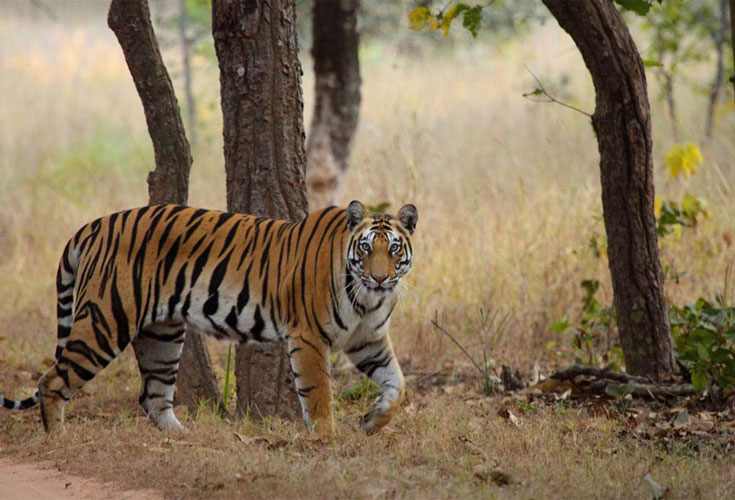 9 Nights / 10 Days
Route Delhi - Bandhavgarh - Kanha - Delhi
Let Us Plan It
Send dates and interests. A written proposal follows within 48 hours.
Start the brief →Ready When You Are
Speak to a curator directly — +91 97990 02277.
WhatsApp A CuratorIndia & Beyond
Chauffeur-driven travel nationwide, by the day or the fortnight.
See the fleet →