
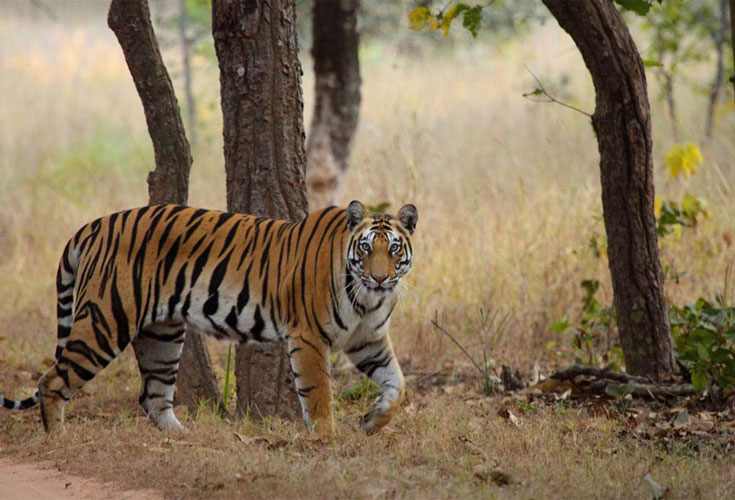
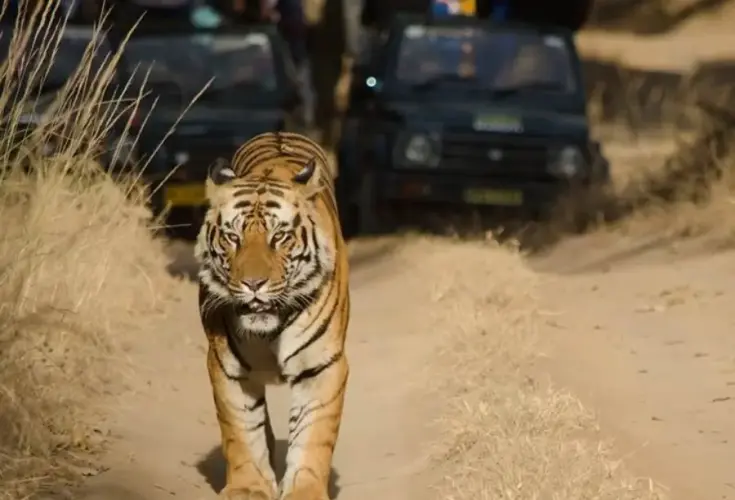
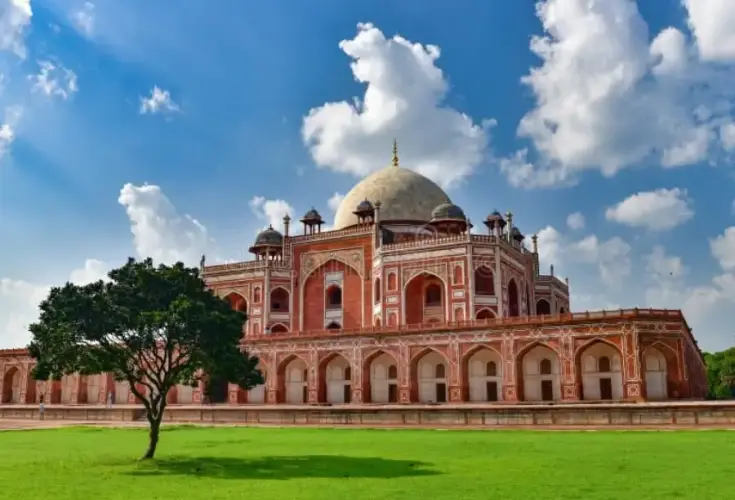
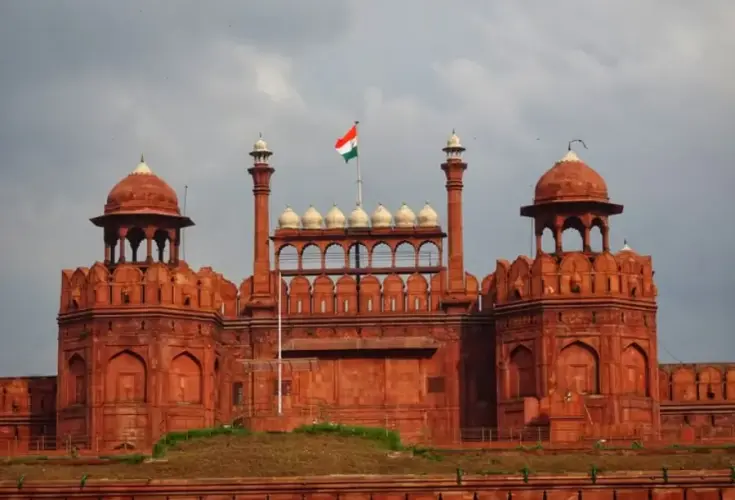
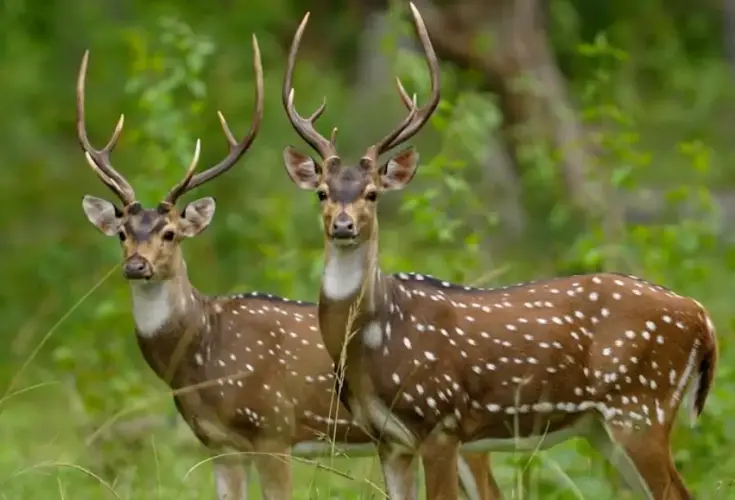
Central India offers a very different kind of journey from the palace-and-monument routes most travelers first associate with the country. Tigers of Central India is built around time in the field: early departures, changing forest conditions, experienced naturalists and repeated opportunities to observe how two important wildlife landscapes function.
Arrive at Delhi International Airport and complete immigration, baggage collection and customs before meeting the local representative. Transfer privately to your selected hotel and receive assistance with check-in. No formal sightseeing is scheduled because international arrival times vary significantly. The first day is intentionally simple, allowing you to recover before traveling into Central India. Spend the remainder of the day according to your energy level.
Although this journey is primarily about wildlife, beginning in Delhi provides useful contrast. The capital is one of India’s largest urban environments, while the days ahead will be governed by forest entry times, changing light and animal movement. Moving between those settings makes the scale and diversity of the country immediately apparent. Delhi also provides the most practical starting point for the onward domestic connection.
Use the evening to rest and prepare for the safari section. Comfortable neutral clothing, protection from dust and sun, and warmer layers during cooler safari periods can be useful depending on the season. Exact requirements vary considerably by travel month, so practical advice should be provided with the final departure information. Dinner is at leisure and the night remains unscheduled.
Overnight: Delhi
Arrive at Delhi International Airport and complete immigration, baggage collection and customs before meeting the local representative. Transfer privately to your selected hotel and receive assistance with check-in. No formal sightseeing is scheduled because international arrival times vary significantly. The first day is intentionally simple, allowing you to recover before traveling into Central India. Spend the remainder of the day according to your energy level.
Although this journey is primarily about wildlife, beginning in Delhi provides useful contrast. The capital is one of India’s largest urban environments, while the days ahead will be governed by forest entry times, changing light and animal movement. Moving between those settings makes the scale and diversity of the country immediately apparent. Delhi also provides the most practical starting point for the onward domestic connection.
Use the evening to rest and prepare for the safari section. Comfortable neutral clothing, protection from dust and sun, and warmer layers during cooler safari periods can be useful depending on the season. Exact requirements vary considerably by travel month, so practical advice should be provided with the final departure information. Dinner is at leisure and the night remains unscheduled.
Overnight: Delhi
Transfer privately to the airport after breakfast for the most suitable confirmed domestic flight serving the Bandhavgarh region, followed by an onward road journey to the lodge. Flight routes and schedules can change, so the exact gateway and transfer plan should be finalized according to the travel date rather than fixed unnecessarily far in advance. Meet the local representative on arrival and continue through Central India by private vehicle. Comfort stops will be incorporated where appropriate.
As the journey moves away from the airport and larger towns, the landscape gradually becomes more rural. Agricultural land, villages, woodland and smaller roads replace Delhi’s metropolitan scale. This transfer is part of the geographical transition into tiger country rather than a sightseeing day. Arrive at your selected jungle lodge and settle into the property. The lodge team will provide practical information regarding meals and the following morning’s safari arrangements.
Spend the evening at leisure and, where available, meet a naturalist for an introduction to Bandhavgarh National Park. Discuss the park’s habitats, commonly encountered wildlife, safari procedures and the importance of interpreting animal behavior rather than pursuing a checklist. Official permits determine zones and entry arrangements. An early night is recommended before tomorrow’s first full safari day.
Overnight: Bandhavgarh
Rise early for the first scheduled safari in Bandhavgarh National Park, entering according to official timings and the conditions attached to your confirmed permit. Travel in the authorized vehicle with the assigned guide or naturalist. Early light gradually reveals woodland, open areas and the park’s varied terrain as the drive progresses. Rather than beginning with an expectation of immediate tiger activity, watch how the naturalist reads tracks, calls and movement around the route.
Spotted deer, sambar, langurs, wild boar and numerous birds may provide clues about what is happening elsewhere in the forest. Alarm calls can sometimes indicate predator movement, although they never guarantee that an animal will appear. A naturalist may choose to wait quietly in one area or move toward another section based on recent signs and permitted routes. These decisions are part of the safari process. No tiger or other wildlife sighting can be promised.
Return to the lodge after the morning drive for breakfast and rest before the afternoon safari, if included in the confirmed permit plan. Re-entering later provides different light, temperature and animal activity, making the second drive distinct from the first. Continue observing the wider ecosystem rather than measuring the day solely by tiger encounters. Return to the lodge after park closing and enjoy a relaxed dinner.
Overnight: Bandhavgarh
Begin with another early safari, allowing the forest to become increasingly familiar. Repeated drives are valuable because subtle differences in terrain and habitat become easier to recognize after the first day. Depending on the allocated zone, the route may pass through woodland, grassier openings, rocky sections or areas associated with water. Animal movement can change dramatically overnight. Yesterday’s quiet section may be active today, while a previously productive area may reveal very little.
Your guide will continue interpreting signs along the route, from pugmarks and alarm calls to the behavior of herbivores and birds. Tigers naturally command attention when present, but waiting for one animal should not obscure the rest of the ecosystem. Bandhavgarh can reward patient observation through smaller encounters, landscape and behavior that would be missed at greater speed. Photography should remain secondary to park rules and respectful wildlife viewing. Return to the lodge after the morning drive.
Keep the middle of the day free before another scheduled afternoon safari where permits have been confirmed. Use the interval for lunch, rest or a conversation with the lodge naturalist about the morning’s observations. The afternoon drive gives another independent opportunity to see how conditions change toward evening. Return to the lodge after the safari and enjoy the final night at Bandhavgarh.
Overnight: Bandhavgarh
After breakfast, leave Bandhavgarh and begin the private road journey toward Kanha National Park. Today is deliberately dedicated to the transfer rather than adding another safari at an impractical hour. Central India unfolds gradually along the route through rural settlements, cultivated areas and forested sections. Travel time can vary with road conditions, so the schedule should retain flexibility. Appropriate comfort and meal stops can be made along the way.
Visiting both parks is important because they should not be treated as interchangeable tiger reserves. Bandhavgarh’s topography and forest character differ from the broad grasslands and extensive sal forests associated with Kanha. The change becomes more apparent after arrival and during the first safari tomorrow. Experiencing multiple habitats also shifts attention away from simply counting predator sightings. Landscape itself becomes one of the reasons for making the journey.
Arrive at your selected Kanha lodge and settle in for a multi-night stay. Meet the lodge team and review the next day’s safari arrangements, including departure time and practical requirements. If a resident naturalist is available, discuss Kanha’s habitats and some of the species that may be encountered. Enjoy dinner at the lodge and rest before the early start.
Overnight: Kanha
Leave the lodge early for your first scheduled Kanha safari, entering through the confirmed gate and according to official permit conditions. Kanha’s scenery can feel more expansive than Bandhavgarh, with sal forest giving way to grasslands and open areas at various points along the drive. Watch the landscape change as morning light reaches the forest floor and meadows. Your naturalist will explain how these habitats support different species and influence animal movement.
The safari may provide opportunities to observe spotted deer, sambar, gaur, langurs and a wide range of birdlife, depending on season and chance. Kanha is also associated with conservation work involving the hard-ground barasingha, although sightings should never be assumed. Predator signs may influence the direction and pace of the drive within permitted routes. Even when large carnivores remain unseen, the relationships between habitat and prey species make the drive worthwhile.
Return to the lodge for breakfast and a substantial midday break. If an afternoon safari is included, depart again according to the official entry time and continue exploring the allocated zone. The lower light later in the day changes both photography and the visual character of the forest. Return after the park closes and spend the evening quietly at the lodge.
Overnight: Kanha
Begin another morning in the park, now with greater familiarity with Kanha’s landscape. Safari experiences often become more rewarding over repeated drives because travelers start recognizing species, calls and habitat changes without relying entirely on explanation. Notice where grasslands meet forest edges, how animals use open ground and how activity changes as temperatures rise. Your naturalist will continue searching for signs while respecting the designated routes and park rules.
If tiger tracks or reliable alarm calls are encountered, the guide may decide to wait in an appropriate permitted area. Waiting is an essential part of wildlife observation and can last much longer than expected without producing a sighting. Equally, an encounter can happen with little warning. This unpredictability is why tiger sightings cannot be guaranteed, regardless of lodge quality, naturalist experience or number of safaris. The forest determines the outcome.
Return to the lodge for breakfast and rest before the afternoon program. If another safari is scheduled, enter the park for a further opportunity to observe wildlife under different conditions. Travelers who prefer a lighter schedule may use any non-safari period to enjoy the lodge and surrounding environment instead. Finish the day with dinner and conversation about what has been observed so far.
Overnight: Kanha
Set out early for the final full morning safari at Kanha. By now, the park should feel less like an unknown destination and more like a landscape whose basic patterns you have begun to understand. Familiar species may appear in different settings, while an area visited previously may reveal completely new activity. This accumulation of observation is one of the principal benefits of dedicating several days to a single reserve. Wildlife travel rewards time more reliably than speed.
Allow the naturalist to determine the most sensible strategy within the allocated safari zone. A drive might concentrate on predator signs, grassland activity, birdlife or a combination of these depending on conditions. Avoid measuring the morning against previous safaris because no two drives follow the same sequence. A distant animal, a fresh track or an extended period watching herd behavior can each become significant. Return to the lodge after the scheduled exit.
Spend the middle of the day resting before the final afternoon safari if included in your confirmed permit arrangements. Enter the park once more and enjoy the changing light across forest and meadow without placing pressure on the drive to produce a particular encounter. Return to the lodge after sunset or official closing time. This is your final night in Kanha.
Overnight: Kanha
After breakfast, check out and begin the private road transfer to the most suitable regional airport for the confirmed flight back to Delhi. The precise routing will depend on current flight schedules and operational practicality at the time of booking. Leave sufficient time for road conditions and airport formalities rather than constructing an unnecessarily tight connection. The journey out of the forest gradually returns you to larger towns and transport networks.
On arrival in Delhi, meet the local representative and transfer privately to your hotel. After several days governed by safari entry times and the sounds of the forest, returning to the capital creates a striking change in atmosphere. No formal sightseeing is required this evening. The final Delhi night functions primarily as a comfortable buffer before international departure.
Spend the remainder of the day at leisure. Rest at the hotel, enjoy dinner or use the evening to reorganize after the safari section. Travelers continuing elsewhere in India can also use Delhi as a practical connection point for the next stage. Tomorrow concludes the journey.
Overnight: Delhi
Enjoy breakfast and keep the morning free according to your international or onward flight schedule. Check out at the appropriate time and meet your private chauffeur for the transfer to Delhi International Airport. Recommended airport reporting time will be incorporated into the final transfer schedule. There is no sightseeing planned before departure. This avoids adding unnecessary pressure to the final day.
The journey has been structured around two separate Central Indian wildlife environments rather than a quick visit to a single reserve. Bandhavgarh introduced one combination of forest, hills and open habitat, while Kanha provided a broader landscape of sal woodland and grasslands. Repeated safaris allowed wildlife observation to develop gradually across different times of day. The experience remains valuable regardless of whether a particular predator appeared.
Arrive at the airport and continue with your onward flight. Tigers of Central India concludes after a safari-focused route designed around time in nature, knowledgeable interpretation and realistic expectations. The final value of the journey lies not in a promised sighting but in having enough time to watch the forest properly.
Meals: Breakfast
Tour Ends: Delhi
What the price includes
What it does not
Starting from
On request
per person · twin share
Get In Touch
No planning fee, no obligation. A curator replies within two hours - or call +91 97990 02277.
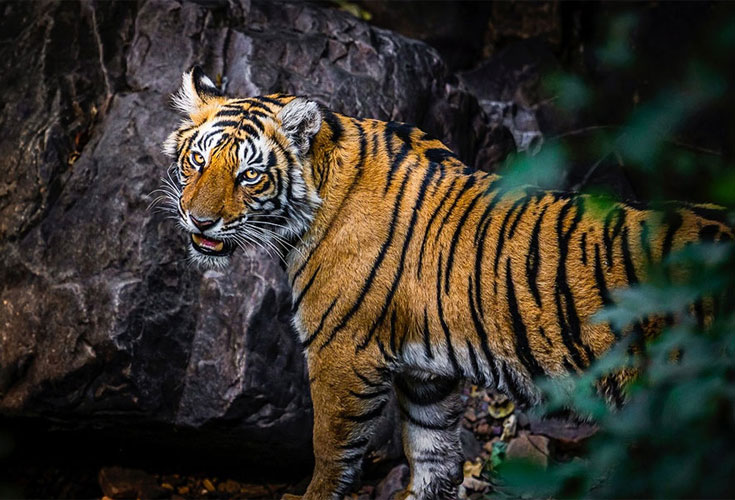 6 Nights / 7 Days
Route Delhi - Ranthambore - Jaipur
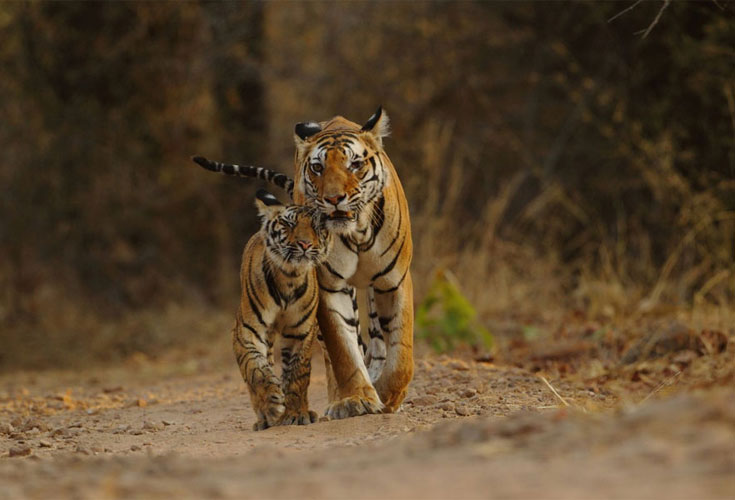 13 Nights / 14 Days
Route Delhi - Bandhavgarh - Kanha - Pench - Mumbai
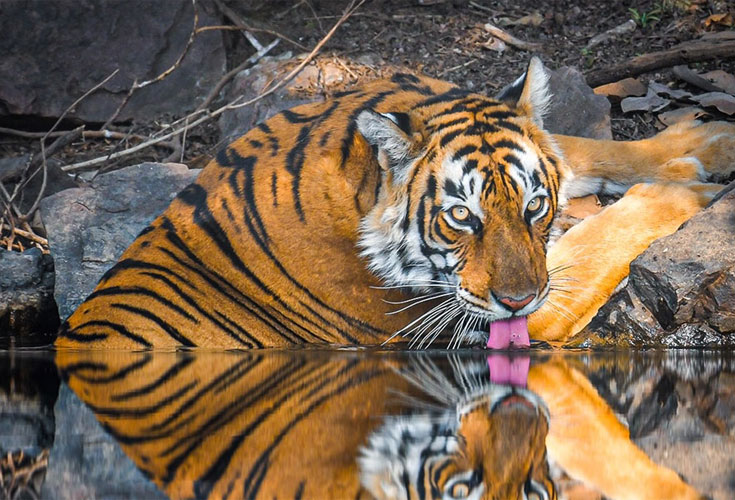 12 Nights / 13 Days
Route Delhi - Agra - Ranthambore - Jaipur - Jawai - Udaipur
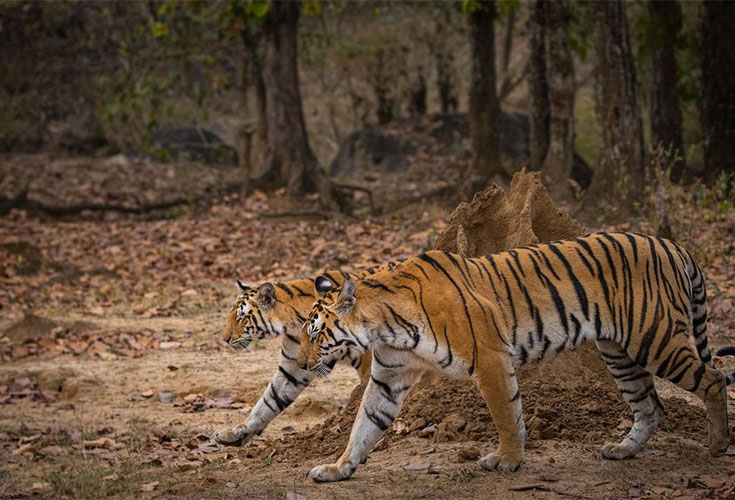 8 Nights / 9 Days
Route Nagpur - Pench - Kanha - Raipur
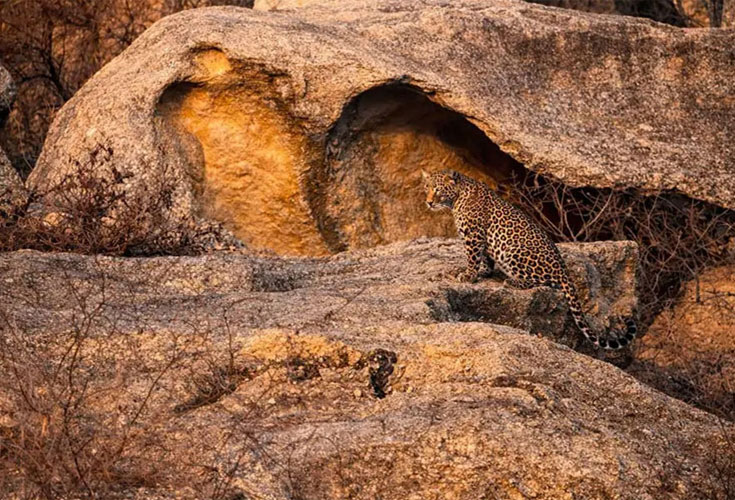 15 Nights / 16 Days
Route Delhi - Bharatpur - Ranthambore - Jawai - Udaipur
Let Us Plan It
Send dates and interests. A written proposal follows within 48 hours.
Start the brief →Ready When You Are
Speak to a curator directly — +91 97990 02277.
WhatsApp A CuratorIndia & Beyond
Chauffeur-driven travel nationwide, by the day or the fortnight.
See the fleet →