
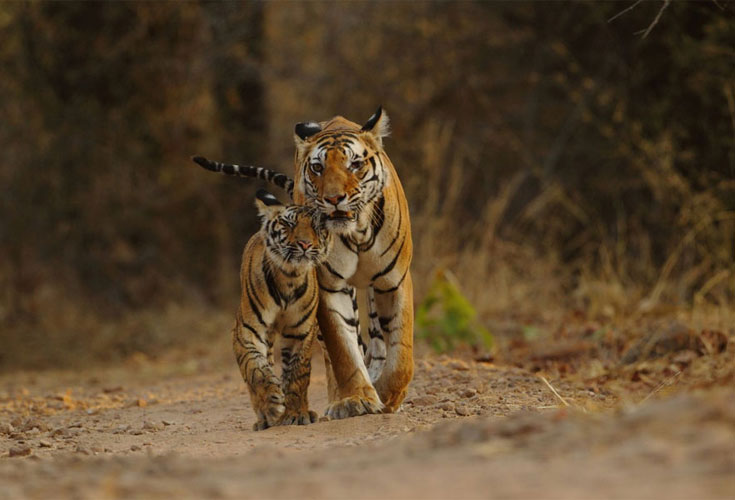
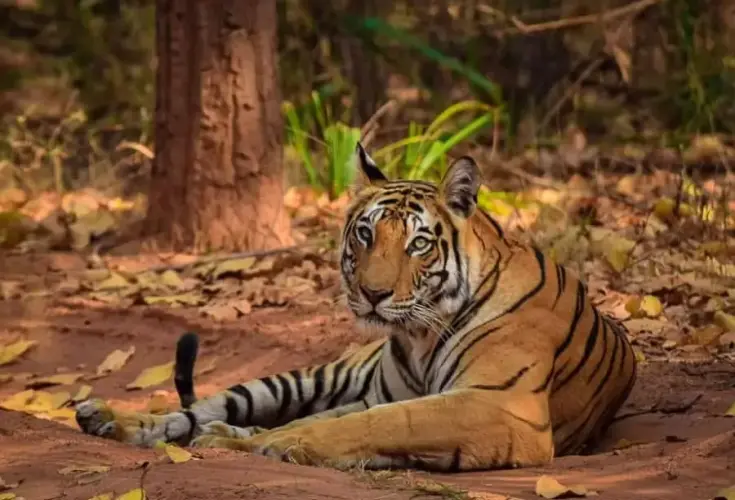
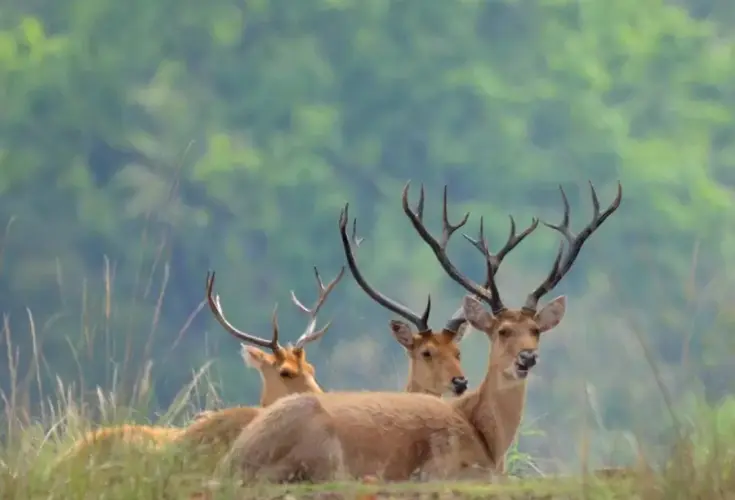
The Grand Tiger Trail is intended for travelers who want the forest to define their India itinerary rather than appear as a brief interruption between cities. Fourteen days connect three of Central India’s major wildlife landscapes—Bandhavgarh, Kanha and Pench—with enough time for repeated game drives, lodge stays and meaningful differences between the reserves to emerge.
Arrive at Delhi International Airport and complete immigration, baggage collection and customs before meeting the local representative. Transfer privately to your selected hotel and receive assistance with check-in. No sightseeing is scheduled on arrival because flight times and travel fatigue vary considerably. The purpose of this first night is to provide a comfortable beginning before the journey moves into Central India. Spend the remainder of the day entirely at leisure.
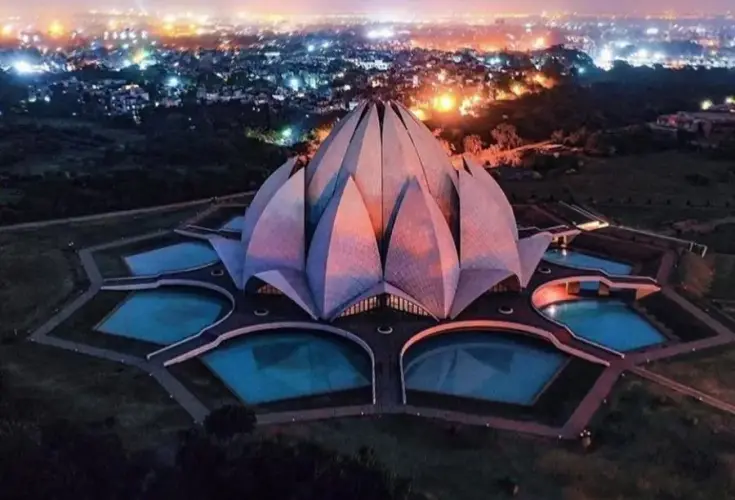
Unlike broader India itineraries, Delhi is not treated as a major sightseeing chapter here. The Grand Tiger Trail gives priority to Bandhavgarh, Kanha and Pench, so unnecessary city touring has been removed. Travelers who want a more extensive Delhi program can add nights before the safari separately. This keeps the core fourteen-day itinerary clearly focused on wildlife.
Use the evening to prepare for the coming days in open safari vehicles. Clothing requirements can differ significantly according to the travel season, particularly during colder early mornings, so practical packing advice should be provided for the confirmed departure month. Keep camera equipment, binoculars and other field essentials organized for onward travel. Dinner is at leisure before an early night.
Overnight: Delhi
After breakfast, transfer privately to Delhi Airport for the most suitable confirmed domestic connection serving the Bandhavgarh region, followed by the required overland journey to the lodge. Regional flight schedules and gateways can change, so the final transportation plan should be selected according to actual operating schedules. On arrival at the appropriate airport, meet the local representative and continue privately toward Bandhavgarh. Comfort stops can be made during the road transfer.
The physical transition is part of the experience. Delhi’s dense metropolitan environment gradually gives way to smaller towns, agricultural areas, villages and increasingly wooded landscapes. Rather than inserting sightseeing into an already substantial travel day, the schedule remains focused on reaching the lodge comfortably. This also protects energy for the early safari departure tomorrow.
Arrive at your selected jungle lodge and settle into the property. Where available, meet a resident naturalist for an introduction to Bandhavgarh’s habitats, safari procedures and some of the species you may encounter. Review the confirmed gate, departure time and permit arrangements for the first drive. Enjoy dinner at the lodge and rest.
Overnight: Bandhavgarh
Leave before or around sunrise according to the official safari schedule and travel to the designated entry gate. Enter Bandhavgarh National Park in the authorized vehicle with the required guide or naturalist. Early light gradually reveals forest, meadow, rocky terrain and other features of the allocated zone. The first drive should be used to understand the landscape rather than immediately judging the park by whether a tiger appears.
Watch how the naturalist interprets fresh tracks, calls and the behavior of prey species. Spotted deer, sambar and langurs can provide information about predator activity, while bird calls and smaller observations add depth during quieter stretches. A convincing alarm call may lead to a period of waiting, but there is never certainty about what will follow. Tiger sightings and sightings of any particular animal are not guaranteed.
Return to the lodge for breakfast and several hours of rest before the afternoon program. If a second safari is included in the confirmed permit schedule, re-enter the park as temperatures begin to change. The later drive offers different light and potentially different patterns of animal activity. Exit according to park regulations and return to the lodge for dinner.
Overnight: Bandhavgarh
Begin another early game drive, now with some familiarity with Bandhavgarh’s safari rhythm. Conditions can change completely overnight, and locations that produced activity yesterday may reveal very little this morning. The naturalist will therefore respond to current signs rather than simply retracing a previous route. This unpredictability is one of the reasons multiple safaris are more valuable than a single hurried visit.
Spend time observing the park’s broader wildlife community. Deer feeding near open ground, langurs watching from trees, raptors overhead or fresh tracks across a road can each reveal something about the ecosystem. If a tiger or another predator is encountered, follow all instructions regarding distance, positioning and photography. A responsible safari never places a photograph above park regulations or animal welfare.
After the morning exit, return to the lodge for breakfast, lunch and a substantial break. An afternoon drive can provide another period in the forest if included in the final permit allocation. Avoid treating it as a second attempt to complete a wildlife checklist; it is a new drive under new conditions. Return after the official closing time and enjoy the final evening in Bandhavgarh.
Overnight: Bandhavgarh
Leave Bandhavgarh after breakfast and begin the private overland journey to Kanha National Park. The drive passes through a largely rural section of Central India, connecting two reserves that are often mentioned together but should not be considered identical. Road conditions can affect journey time, so no safari is attached to the arrival day. Stop for refreshments and lunch where appropriate and allow the transfer to proceed comfortably.
As the journey continues, attention shifts from individual wildlife encounters toward the geography that separates the reserves. Agricultural land, settlements and forested areas demonstrate that national parks form part of a much broader human and ecological landscape. Understanding these transitions helps prevent wildlife destinations from feeling like isolated islands visited only through a safari gate.
Arrive at the Kanha lodge and settle in for the next stage of the trail. Meet the naturalist team where available and discuss the reserve’s grasslands, sal forests and wildlife. Confirm the practical details for tomorrow morning’s entry, including departure time and gate arrangements. Have dinner at the lodge and prepare for another early start.
Overnight: Kanha
Enter Kanha National Park early in the morning according to your confirmed permit. The change from Bandhavgarh becomes increasingly clear as the drive moves through sal forest and open grassland. Broad meadows can provide extended views, while denser woodland requires a different style of observation. Spend time noticing how habitat influences where different animals feed, rest and move. Landscape is an essential part of every wildlife encounter here.
Depending on natural conditions, the morning may bring spotted deer, sambar, gaur, langurs, birdlife and other fauna. Kanha is also known for conservation work involving the hard-ground barasingha, although its appearance on any particular safari cannot be promised. Naturalists will interpret predator signs when present while maintaining attention on the wider ecosystem. A tiger remains one possible encounter among many.
Return to the lodge for breakfast and a long midday interval. Rest is important because repeated early departures can reduce concentration if every hour is filled with additional activities. Later, return to the park for an afternoon safari if included in the confirmed schedule. Watch the changing light across meadow and forest before exiting at the required time.
Overnight: Kanha
Start the day with another safari through the allocated Kanha zone. After several drives across two reserves, you may begin recognizing some of the signals naturalists have been discussing—fresh tracks, the posture of an alert deer or the difference between ordinary calls and sustained alarm behavior. These observations make safari travel progressively more engaging. The forest no longer needs constant dramatic action to hold attention.
When signs suggest predator activity, the guide may choose to wait rather than continue driving. Such pauses can last a few minutes or considerably longer, and there is no assurance that the animal will eventually become visible. This uncertainty cannot be eliminated by additional vehicles, experienced guides or expensive equipment. Wildlife determines the outcome of every safari. Responsible expectations are therefore essential.
Return to the lodge for breakfast and rest through the warmer part of the day. If an afternoon drive is scheduled, re-enter Kanha for another independent period of observation. Alternatively, any intentionally unscheduled safari slot can be spent at the lodge with a naturalist or simply resting. Finish the evening quietly in preparation for another day in the reserve.
Overnight: Kanha
Leave early for the final full morning safari in Kanha. Rather than trying to repeat a previous encounter, allow current conditions to shape the drive. A meadow that held gaur yesterday may be empty, while an overlooked forest track may carry fresh predator signs this morning. This constant variation is one of the strongest arguments for spending several days in a reserve.
Give time to smaller details that are easily missed during the first safaris. Birdlife, vegetation, tracks, prey behavior and changes between habitat types all contribute to understanding how the park functions. If a tiger appears, enjoy the encounter according to the naturalist’s instructions and without creating expectations about duration or proximity. If it does not, the morning remains part of a much larger wildlife experience.
Return to the lodge and enjoy an extended midday break. A final afternoon safari may follow if included in the confirmed permit plan, providing one more opportunity to watch Kanha as daylight softens. Leave the park at the designated closing time and return for dinner. Tomorrow the trail continues south toward Pench.
Overnight: Kanha
Leave Kanha after breakfast and begin the private overland journey toward Pench. Rather than attaching another early safari to a substantial transfer day, the morning is intentionally unhurried. The road passes through changing stretches of farmland, villages and wooded country, providing a broader view of Central India beyond protected reserves. Comfort and meal stops can be made when appropriate. Arrival time will depend on road conditions and the location of your selected lodge.
Pench introduces the third wildlife environment of the journey. Its teak-dominated forests, open patches, watercourses and seasonal changes create a landscape that differs from both Bandhavgarh and Kanha. After several days of safari travel, these distinctions become easier to recognize. The objective is not simply to enter another reserve in search of another tiger, but to see how habitat alters the character of each drive.
Arrive at your selected Pench lodge and check in for a multi-night stay. Spend the late afternoon resting or meet a naturalist for an introduction to the reserve and tomorrow’s safari arrangements. Confirm the designated entry gate, departure time and permit details rather than attempting an unnecessarily rushed evening drive. Enjoy dinner at the lodge and prepare for an early start.
Overnight: Pench
Leave the lodge early for your first scheduled Pench safari, entering according to official park timings and your confirmed permit. Allow the initial part of the drive to establish the character of the reserve rather than immediately comparing it with previous tiger sightings or safari experiences. Woodland, open ground and seasonal streams create changing visibility as the vehicle moves through the allocated zone. Your naturalist will point out the ecological differences that distinguish Pench from the earlier reserves. These contrasts are central to the design of the Grand Tiger Trail.
Watch for spotted deer, sambar, langurs, wild boar and birdlife while the guide searches for signs of predators. Fresh pugmarks or sustained alarm calls may alter the direction and pace of the drive within the permitted route. At other times, the forest may provide very little evidence of a nearby tiger. Both situations are normal. Neither tiger sightings nor sightings of any other wild animal can be guaranteed.
Return to the lodge for breakfast and spend the middle of the day at leisure. If an afternoon safari is included in the confirmed permit schedule, return to the reserve when the gates reopen. Lower temperatures and changing light can alter animal activity and make familiar areas look entirely different. Exit at the official time and return to the lodge for dinner and rest.
Overnight: Pench
Begin another early safari with greater familiarity with Pench’s terrain. By this point in the journey, wildlife observation should feel less dependent on constant explanation because tracks, alarm calls and prey behavior have become more recognizable. Allow the naturalist to use fresh evidence rather than reports from the previous day to determine where time is best spent. Wild animals can move considerable distances, and yesterday’s productive location may be completely inactive this morning. Patience remains essential.
If a tiger is encountered, observe how it moves through the environment and how other animals respond rather than concentrating solely on photographs. If no large predator appears, spend time with the species that form the foundation of the forest ecosystem. Deer herds, langur groups, raptors and smaller birds can all produce extended observations when given enough attention. A safari should remain worthwhile without a headline sighting. This is particularly important on a journey containing multiple game drives.
Return to the lodge for a substantial break during the middle of the day. Depending on the final safari plan, depart again for an afternoon drive or use the time to rest and speak with a naturalist about the differences observed across all three reserves. An intentionally lighter afternoon can be valuable after many early mornings. Spend the evening at the lodge without additional formal activities.
Overnight: Pench
Enter Pench early for the final scheduled safari of the Grand Tiger Trail, subject to the permits confirmed for your departure. There is no need to treat this as a last attempt that must produce a tiger. Instead, use the drive to absorb a landscape you now understand more fully than when the safari section began. Notice the forest structure, common species and behavioral clues that might have passed unnoticed during the first days in Bandhavgarh. Repetition has gradually changed the way the landscape is read.
Allow the guide to determine the morning strategy according to current signs and conditions. If predator activity is detected, waiting quietly may be more productive than covering additional distance. If the forest remains calm, focus on birdlife, herbivores and the changing morning light. The unpredictability that shaped the first safari remains equally present on the last one. No final drive can promise a tiger encounter.
Return to the lodge for breakfast and enjoy a quiet afternoon after the sequence of game drives. There is value in ending the wildlife section without immediately rushing into another activity. Organize photographs, rest or spend time around the lodge while the experience is still fresh. Enjoy the final evening in Central India before traveling toward Mumbai tomorrow.
Overnight: Pench
After breakfast, check out and transfer privately from Pench toward Nagpur Airport for the most suitable confirmed flight to Mumbai. The precise departure time will be coordinated with current airline schedules and the road transfer from your lodge. Allow sensible contingency rather than planning an unnecessarily tight airport connection. On arrival in Mumbai, meet the local representative and continue privately to your selected hotel. Check in and take time to settle after the travel day.
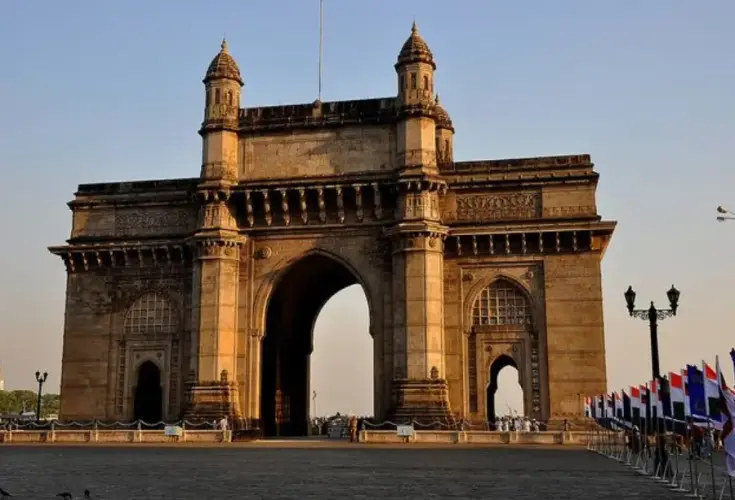
Mumbai provides a deliberately sharp contrast to the previous ten days. Instead of forest tracks, safari gates and wildlife movement, the final chapter is shaped by the Arabian Sea, historic commercial districts and one of India’s most important contemporary cities. If flight timing permits, take a gentle private orientation through selected areas of South Mumbai rather than attempting a full sightseeing program. Waterfront avenues and historic civic architecture provide an effective first impression.
Keep the evening open. Walk around an appropriate neighborhood near the hotel, enjoy dinner independently or simply rest after the flight. The purpose of Mumbai is not to compete with the wildlife section but to show another side of India before departure. A more focused look at the city follows tomorrow if your onward flight schedule allows.
Overnight: Mumbai
If your flight schedule permits, begin with a privately guided look at selected parts of South Mumbai. Historic railway, civic and commercial architecture can be used to explain the city’s development through maritime trade and its emergence as a major economic center. Rather than moving between a long list of landmarks, concentrate on a geographically coherent area. This makes the final morning informative without turning departure day into a rushed city tour. Exact sightseeing will be adjusted to your available time.
Continue briefly through a district that reflects present-day Mumbai, whether through art, design, markets or another personal interest. The contrast with Central India is particularly striking after nearly two weeks dominated by natural landscapes. Mumbai demonstrates how dramatically the character of an India journey can change within a single flight. Keep the program flexible enough to return to the hotel with ample time before the airport transfer. Travelers with early flights will omit sightseeing altogether.
Meet your chauffeur at the confirmed time and transfer privately to Mumbai International Airport. The route has connected Bandhavgarh, Kanha and Pench without reducing them to interchangeable tiger destinations, allowing each forest enough time to develop its own character. Repeated game drives have provided opportunities to observe predators, prey species, birds, habitats and natural behavior without manufactured promises. The Grand Tiger Trail concludes in Mumbai with onward travel according to your individual arrangements.
Meals: Breakfast
Tour Ends: Mumbai
What the price includes
What it does not
Starting from
On request
per person · twin share
Get In Touch
No planning fee, no obligation. A curator replies within two hours - or call +91 97990 02277.
 6 Nights / 7 Days
Route Delhi - Ranthambore - Jaipur
 12 Nights / 13 Days
Route Delhi - Agra - Ranthambore - Jaipur - Jawai - Udaipur
 8 Nights / 9 Days
Route Nagpur - Pench - Kanha - Raipur
 15 Nights / 16 Days
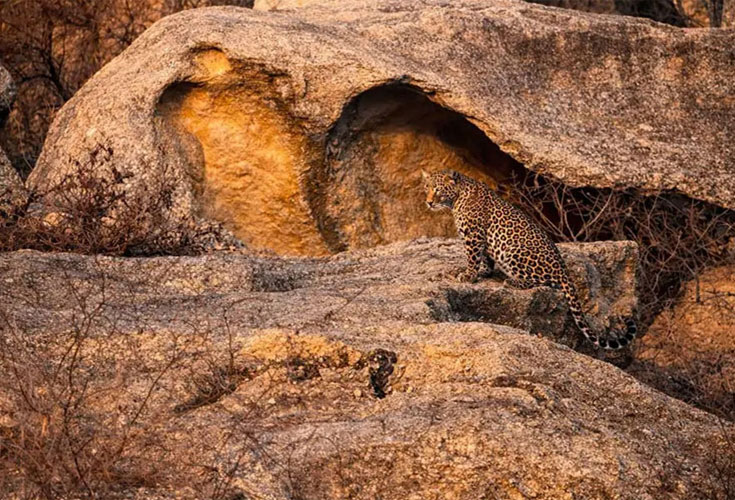
Route Delhi - Bharatpur - Ranthambore - Jawai - Udaipur
 9 Nights / 10 Days
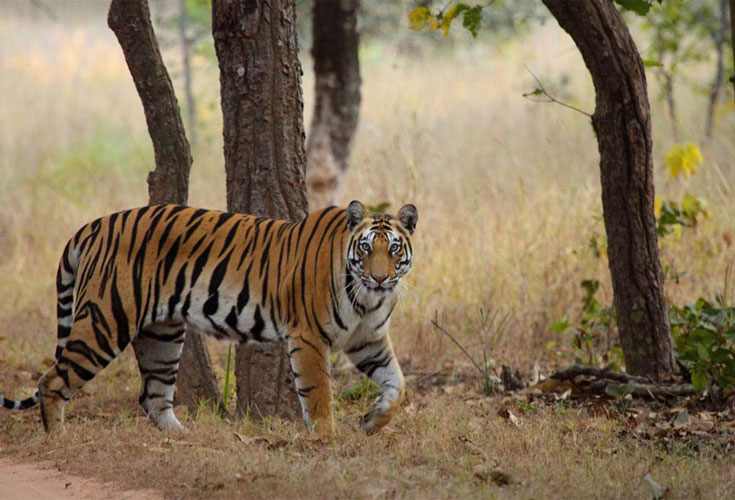
Route Delhi - Bandhavgarh - Kanha - Delhi
Let Us Plan It
Send dates and interests. A written proposal follows within 48 hours.
Start the brief →Ready When You Are
Speak to a curator directly — +91 97990 02277.
WhatsApp A CuratorIndia & Beyond
Chauffeur-driven travel nationwide, by the day or the fortnight.
See the fleet →