
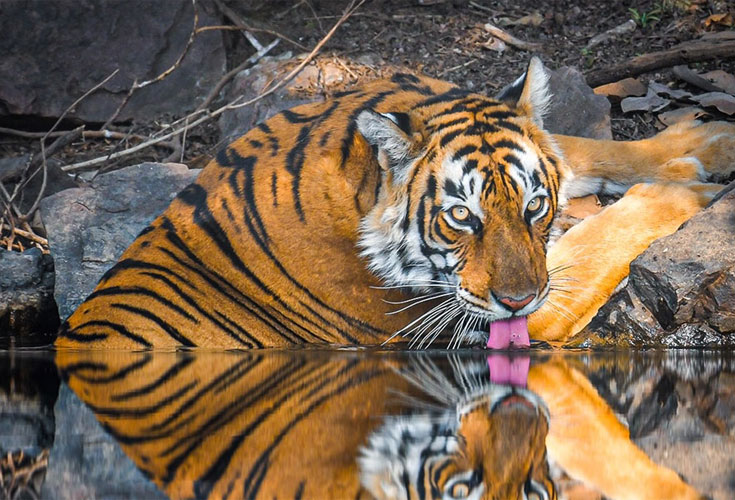
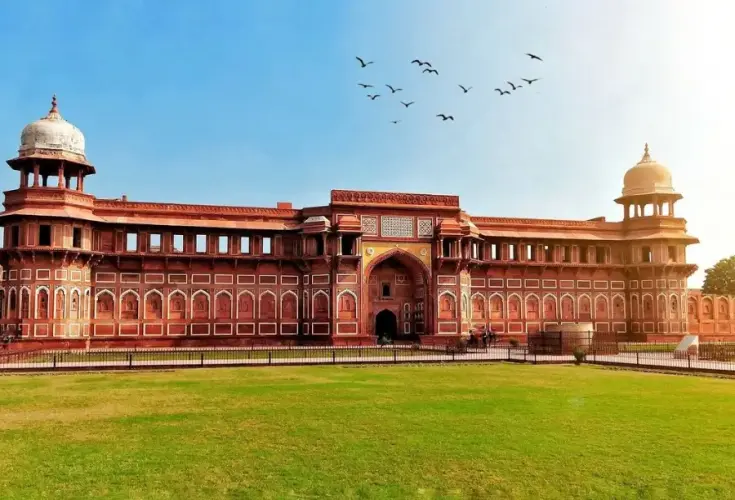
India’s wildlife does not exist only inside national parks. Tigers, Leopards & Palaces is built around that distinction, combining the protected forests of Ranthambore with the dramatically different granite landscape around Jawai, where wildlife shares a broader rural environment with villages, livestock and working farmland.
Arrive at Delhi International Airport, complete immigration and customs formalities and meet the local representative in the arrivals area. Transfer privately to your selected hotel and receive assistance with check-in. No sightseeing is planned for the arrival day because international flight schedules vary considerably. Rest after the journey and allow time to adjust before beginning the route. Dinner is at your own discretion.
This itinerary uses Delhi differently from longer northern India programs. Rather than attempting to survey every historical period of the capital, the city provides a concise opening before the route moves toward Agra and Rajasthan. The emphasis of the thirteen days ahead is the contrast between architecture and wildlife landscapes. Keeping Delhi selective protects more time for Ranthambore and Jawai.
Use the remaining hours according to your energy level. An early arrival may leave time for a relaxed meal or hotel facilities, while a late arrival is best followed directly by rest. There is no essential activity to miss today. Tomorrow provides a focused introduction to Delhi before continuing to Agra.
Overnight: Delhi
Meet your private guide after breakfast for a carefully limited introduction to Delhi. Visit Humayun’s Tomb, where a formal garden surrounds one of the most significant early Mughal mausoleums in the city. Walk through the complex while your guide explains the architectural ideas that later developed more fully under subsequent Mughal rulers. The visit is particularly relevant because tomorrow brings you to the Taj Mahal. Avoid adding a long sequence of unrelated Delhi monuments.
Leave the capital afterward and travel privately to Agra. Arrive during the afternoon, check into your hotel and take a short break before meeting the local guide. Visit Agra Fort if arrival time and current operating hours allow a worthwhile program. Its massive sandstone defenses conceal a succession of former audience spaces, courtyards and palace areas that reveal Agra’s importance as an imperial center. Views toward the Yamuna also establish a geographical connection with the Taj Mahal.
Return to the hotel after the visit and keep the evening quiet. Tomorrow begins early at the Taj Mahal before the journey continues into Rajasthan. If transportation or arrival conditions make an unhurried Agra Fort visit impractical today, the sightseeing sequence should be adjusted rather than rushed. Comfort and quality of interpretation take priority over simply completing a list.
Overnight: Agra
Begin early at the Taj Mahal, entering according to official opening arrangements and current security procedures. Pause after passing through the monumental gateway to understand the complete composition before moving closer to the mausoleum. Garden geometry, water channels, subsidiary structures and the Yamuna River all contribute to the architecture. Your guide will provide historical context while leaving enough quiet time to appreciate the setting. The monument is best approached as an integrated complex rather than a single marble building.
At closer range, examine the stone inlay, carved marble and calligraphic decoration before entering the sections currently open to visitors. The scale and decorative precision become more apparent as the distance closes. Return to the hotel afterward for breakfast and prepare for departure. Because the Taj Mahal is closed on Fridays, the sightseeing sequence will be modified when necessary. No particular sunrise or photographic conditions should be guaranteed.
Continue toward Ranthambore using the most practical confirmed road, rail or combined transfer arrangement. Arrival timing will depend on the selected transportation plan. Check into your wildlife lodge and settle in without a compulsory safari unless a suitable permit has been confirmed. Meet the lodge naturalist where available and prepare for tomorrow’s first full day in the forest.
Overnight: Ranthambore
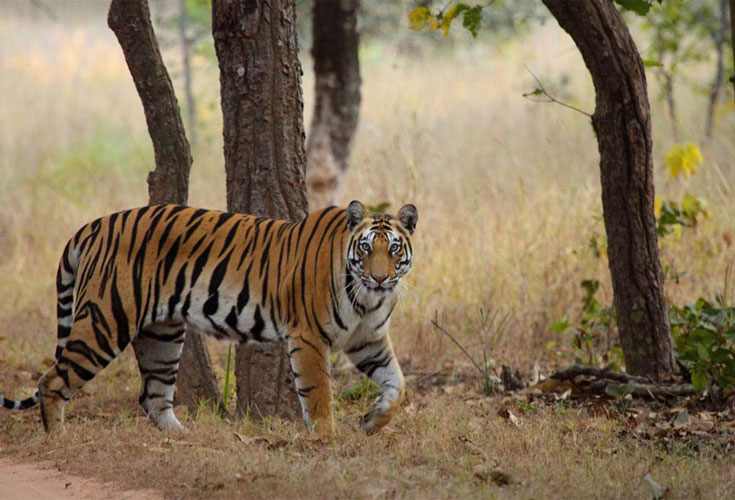
Leave the lodge early for a scheduled Ranthambore National Park safari, subject to confirmed permits, official entry times and zone allocation. Travel in the authorized vehicle with the required guide or naturalist. As daylight develops, pay attention to the park’s mixture of dry forest, rocky terrain, open ground and lakes. These habitats support a much broader wildlife community than the tiger alone. The first drive is as much about learning how to observe as it is about searching.
Naturalists look for pugmarks, alarm calls and changes in the behavior of deer or langurs when interpreting predator movement. These clues may lead to long periods of waiting, and sometimes nothing emerges. Spotted deer, sambar, wild boar, crocodiles, monkeys and varied birdlife may all contribute to the morning depending on natural conditions. A tiger sighting is never guaranteed. The uncertainty is fundamental to observing wild animals responsibly.
Return to the lodge for breakfast and a substantial break before an afternoon safari where included in the confirmed permit plan. The later drive brings different temperatures, light and animal activity, making it an independent experience rather than a repetition of the morning. Follow park rules regarding routes, stopping and photography throughout. Return to the lodge after the official exit time and enjoy a quiet evening.
Overnight: Ranthambore
Begin with another scheduled morning safari. Having already spent time in the reserve, you may start recognizing habitat changes and some of the species encountered yesterday. Wildlife rarely follows a predictable pattern, however, and an area that was active on the first drive can be completely quiet today. Allow the naturalist to respond to fresh signs rather than simply returning to a previous location. Every entry into the park should be treated independently.
If evidence of a predator appears, the guide may wait in an appropriate location within the permitted route. Watching and listening during these quieter periods is an important part of safari travel. Alarm calls, bird behavior and tracks can tell a story even when the animal responsible remains hidden. If a tiger does appear, maintain the required distance and follow the instructions of the guide. Photography should never take precedence over park regulations or animal welfare.
Return to the lodge for breakfast, lunch and rest. Depending on the final safari allocation, an additional afternoon drive may be included, or the later hours can remain free at the lodge. Multiple drives increase time spent in the habitat but never create a guarantee of seeing a particular animal. Enjoy the final evening in Ranthambore before returning to Rajasthan’s urban landscape tomorrow.
Overnight: Ranthambore
Enjoy breakfast before leaving Ranthambore and traveling privately toward Jaipur. The transition is considerable: safari tracks and forest edges gradually give way to agricultural landscapes, towns and finally the expanding state capital. Use the drive as a genuine break between wildlife days and architectural sightseeing. Comfort stops can be made whenever appropriate. Arrive at the hotel around midday or afternoon depending on road conditions.
Keep the first part of the afternoon free for lunch and rest before taking a gentle orientation through an appropriate section of Jaipur. Rather than entering one of the major palaces late in the day, spend time around selected streets or markets of the historic center with your guide if timing permits. Jaipur’s ordered street plan and repeated facades immediately distinguish it from the landscapes of Ranthambore. This introductory walk prepares the context for tomorrow’s principal monuments.
Return to the hotel and enjoy the evening independently. Jaipur acts as more than a convenient stop between wildlife regions; it provides a cultural counterpoint at the center of the itinerary. The next day is devoted to the city’s royal architecture before a lighter program follows. Dinner remains at leisure.
Overnight: Jaipur
Drive outside the historic center to Amber Fort, where Jaipur’s ruling family maintained its earlier seat before the establishment of the later city. Enter through the fortified complex with your private guide and move through courtyards, gateways and former palace spaces. The architecture changes as you progress from defensive and ceremonial areas toward more private interiors. Views across the surrounding hills help explain why the location was strategically important. Allow the morning to develop without rushing.
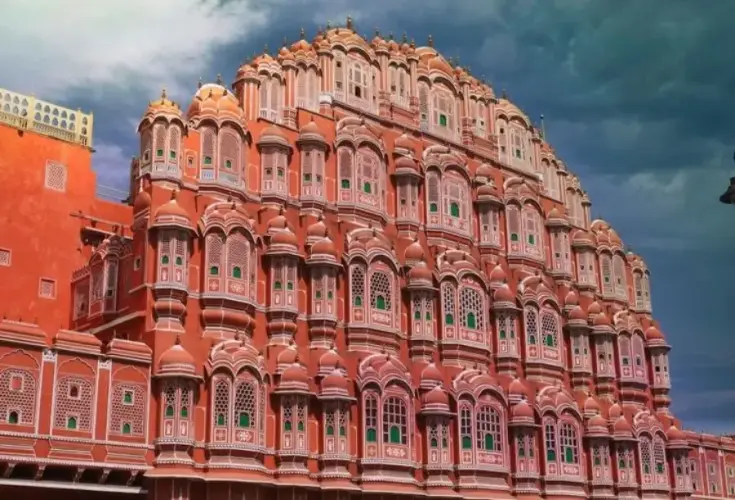
Return to central Jaipur and visit City Palace, concentrating on selected courtyards, gateways and museum areas. Continue on foot to Jantar Mantar, whose monumental astronomical instruments reveal a very different aspect of the ambitions behind Jaipur’s creation. Your guide will explain the purpose of key instruments without overloading the visit with technical detail. Pause for an exterior view of Hawa Mahal as part of the historic city context.
Spend the later afternoon walking through selected streets rather than entering another major monument. Shops, religious structures, market activity and architectural details make the original city plan easier to understand at ground level. Return to the hotel with several hours left for personal time. Tomorrow moves away from formal royal sightseeing and toward Jaipur’s makers and contemporary craft culture.
Overnight: Jaipur
Begin at a comfortable hour with an experience related to Jaipur’s craft traditions. Depending on personal interests, the morning might focus on hand block printing, textiles, jewelry, stone carving or miniature painting through an appropriate workshop or studio. Spend time understanding materials and techniques rather than moving through several commercial showrooms. Jaipur’s history of court patronage helped sustain numerous specialist crafts, many of which continue to evolve today. Any purchase remains entirely optional.
Continue into an appropriate neighborhood or market where the connection between production, commerce and the historic city can be observed more naturally. A private guide can adapt the walk around photography, food, architecture or design according to your interests. The objective is not to reproduce yesterday’s sightseeing from a different street. Instead, the morning looks at the city through people who make, sell and use objects within it.
Return to the hotel around lunchtime and keep the afternoon largely free. This lighter day creates a useful pause before the longer transfer toward Jawai tomorrow. Use the hotel facilities, arrange an independent spa treatment or spend additional time in Jaipur on your own. Enjoy the final evening in the city without another fixed program.
Overnight: Jaipur
Leave Jaipur after breakfast and begin the private journey southwest toward Jawai. The drive moves away from Rajasthan’s major cities and into a landscape increasingly defined by agricultural land, villages, open country and the Aravalli region. Appropriate comfort stops will be made along the way, and the day is deliberately kept free of major monument visits. Arrive at your selected wilderness camp or lodge and settle into an environment completely different from both Jaipur and Ranthambore.
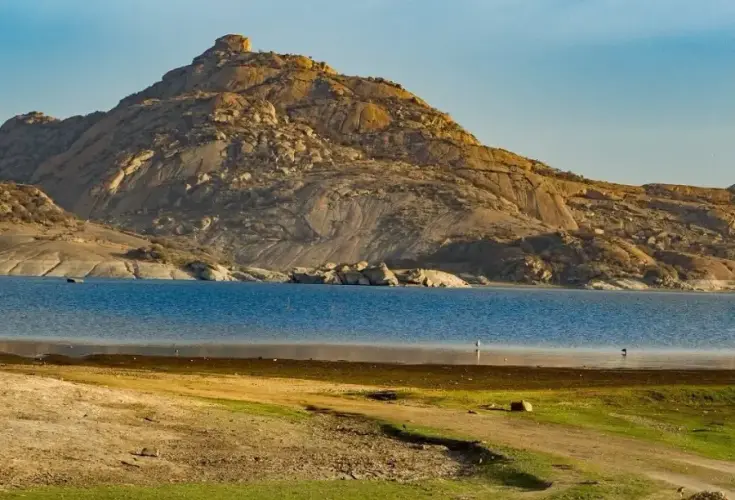
Jawai is characterized by dramatic granite formations rising above scrub, fields and seasonal water bodies. Unlike Ranthambore, the wildlife experience here does not take place within the same type of national-park environment. Leopards inhabit a broader landscape that also contains villages, livestock and long-established human activity. Understanding this relationship between wildlife and inhabited countryside is an important part of the stay. The terrain itself is as significant as the search for a particular animal.
Depending on arrival time, local conditions and the program offered by the selected property, an introductory evening drive may be possible. Head into the surrounding countryside with an experienced local tracker or naturalist and learn how granite formations, caves and movement corridors influence leopard behavior. Any sighting remains entirely dependent on wild animal movement. Return to the camp after the drive for dinner and a quiet night beneath the open Rajasthan sky.
Overnight: Jawai
Begin before or around sunrise for a leopard-tracking drive through the Jawai landscape. Experienced trackers use knowledge of the terrain, recent movement and observation from suitable vantage points to search for animals. The granite formations provide natural shelter, while the surrounding countryside creates long views across parts of the landscape. Unlike a conventional forest safari, much of the experience can involve scanning rocky slopes and waiting patiently. There is no predictable sequence to the morning.
Leopards are naturally elusive and no leopard sighting can be guaranteed. Even without an encounter, the drive provides an opportunity to observe the relationship between wildlife and a landscape that is also used by pastoral and farming communities. Depending on season and conditions, other wildlife and birdlife may also be encountered. Your tracker will explain what can responsibly be inferred from signs and recent activity without presenting speculation as certainty. Return to the lodge for breakfast after the morning outing.
Spend the middle of the day resting before another drive later in the afternoon, if included in the confirmed program. Changing light across the granite hills creates a very different atmosphere toward evening, while animal activity may shift as temperatures fall. Allow the tracker to determine the most sensible locations rather than repeatedly moving simply to cover ground. Return to the property after the outing and enjoy your final evening in Jawai.
Overnight: Jawai
Begin the morning at a relaxed pace after yesterday’s wildlife drives. Depending on the final arrangements and your departure time, a short early activity may be possible, but another leopard drive should only be included when specifically confirmed. After breakfast, check out and travel privately toward Udaipur. The road continues through the Aravalli region, creating a natural geographical link between Jawai’s granite country and the former capital of Mewar.
The transition is particularly interesting because the landscape remains important even after the wildlife section has ended. Udaipur’s lakes, hills and palace architecture are closely connected, giving the city a different character from Jaipur’s formally planned historic center. Arrive at your selected hotel, check in and allow time for lunch and rest. There is no need to enter the City Palace immediately after the road journey.
Later, take a gentle orientation through an appropriate part of the old city or spend the afternoon entirely at leisure, depending on arrival time. A walk near the lake can provide an easy introduction without committing to a formal sightseeing circuit. The principal Udaipur program is reserved for tomorrow. Enjoy dinner independently and settle in for a two-night stay.
Overnight: Udaipur
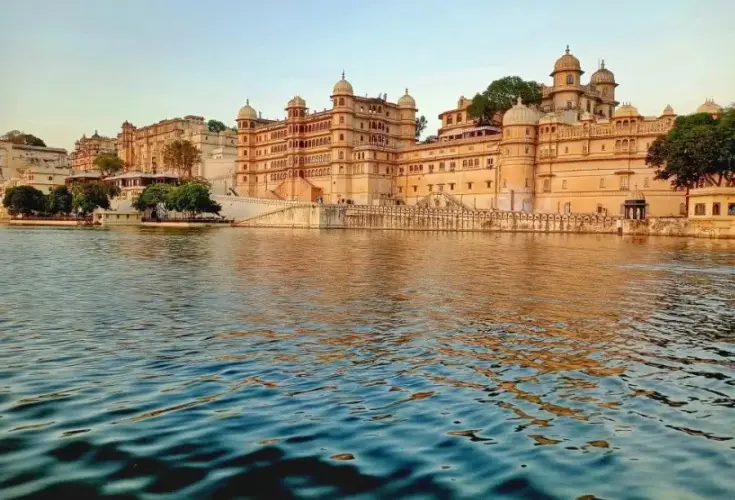
Begin at Udaipur City Palace, where successive rulers of Mewar expanded a complex positioned prominently above Lake Pichola. Walk through gateways, courtyards, terraces and selected former residential areas with your private guide. Rather than viewing the palace as one uniform structure, notice how individual sections were added and adapted across generations. Windows and balconies repeatedly frame the surrounding water and hills. The setting makes landscape an essential element of the architecture.
Continue through selected interiors, observing painted decoration, stonework, smaller courtyards and details associated with Mewar’s court culture. After leaving the palace, walk through part of the surrounding historic quarter, where temples, houses, workshops and small shops occupy a much more intimate scale. The transition from formal palace spaces to everyday streets prevents the morning from becoming solely a museum visit. Pause for lunch independently before the afternoon program.
Later, take a boat ride on Lake Pichola, subject to weather, water level and local operating conditions. From the water, the City Palace can be understood as part of a much larger composition involving ghats, historic buildings, hills and the lake itself. Return to your hotel afterward and keep the final evening free. The quiet setting provides an appropriate contrast to the safari drives earlier in the journey.
Overnight: Udaipur
Enjoy breakfast and keep the morning flexible according to your onward flight schedule. If departure is later in the day, spend the available hours at the hotel or take a short independent walk rather than beginning another substantial sightseeing program. Check out at the appropriate time and meet your private chauffeur for the transfer to Udaipur Airport. Domestic or international connections will depend on the confirmed onward arrangements.
Across thirteen days, the route has placed two very different wildlife environments within a broader journey through northern India and Rajasthan. Ranthambore offered regulated national-park safaris through forest, lakes and rocky terrain, while Jawai introduced leopard country within a wider inhabited landscape of granite hills and rural communities. Delhi, Agra, Jaipur and Udaipur provided architectural and cultural counterpoints without reducing the wildlife sections to brief add-ons.
Arrive at the airport with appropriate time for check-in and continue with your onward journey. Travelers wishing to extend the trip can connect through Delhi, Mumbai or another destination according to available schedules. Tigers, Leopards & Palaces concludes in Udaipur after combining patient wildlife observation with some of northern and western India’s most significant historic settings.
Meals: Breakfast
Tour Ends: Udaipur
What the price includes
What it does not
Starting from
On request
per person · twin share
Get In Touch
No planning fee, no obligation. A curator replies within two hours - or call +91 97990 02277.
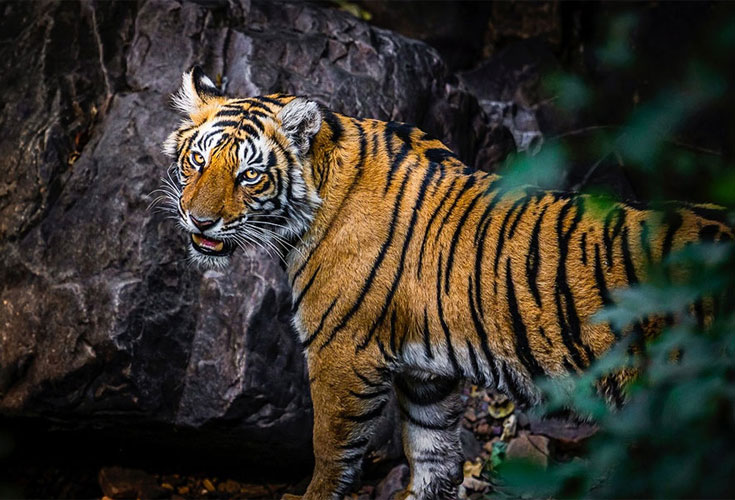 6 Nights / 7 Days
Route Delhi - Ranthambore - Jaipur
 13 Nights / 14 Days
Route Delhi - Bandhavgarh - Kanha - Pench - Mumbai
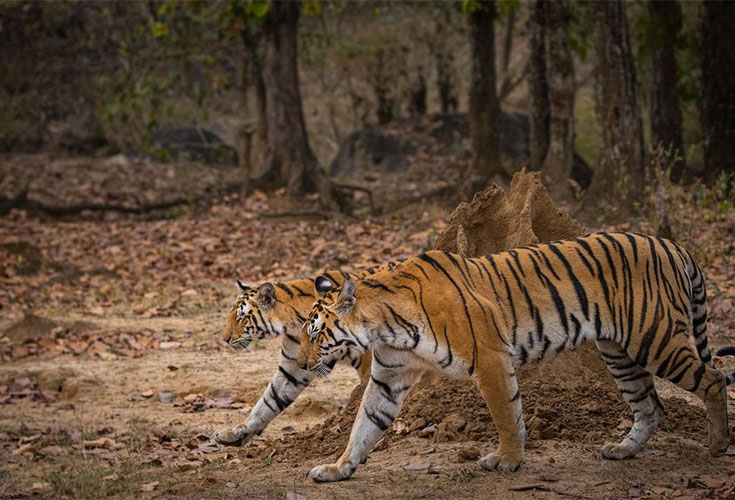 8 Nights / 9 Days
Route Nagpur - Pench - Kanha - Raipur
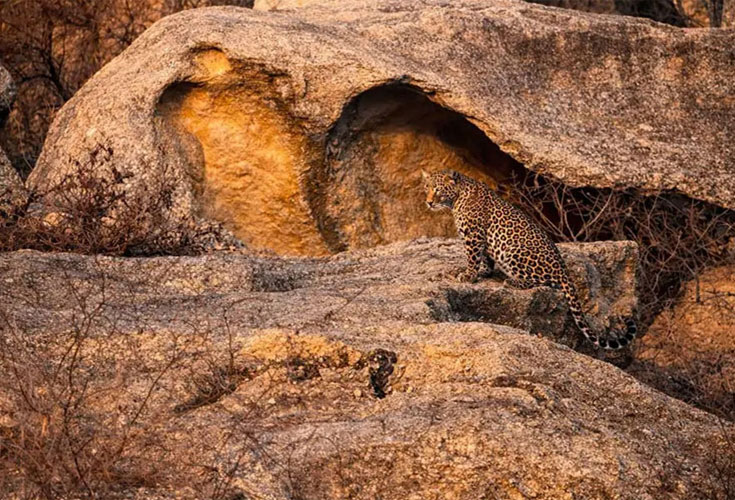 15 Nights / 16 Days
Route Delhi - Bharatpur - Ranthambore - Jawai - Udaipur
 9 Nights / 10 Days
Route Delhi - Bandhavgarh - Kanha - Delhi
Let Us Plan It
Send dates and interests. A written proposal follows within 48 hours.
Start the brief →Ready When You Are
Speak to a curator directly — +91 97990 02277.
WhatsApp A CuratorIndia & Beyond
Chauffeur-driven travel nationwide, by the day or the fortnight.
See the fleet →