
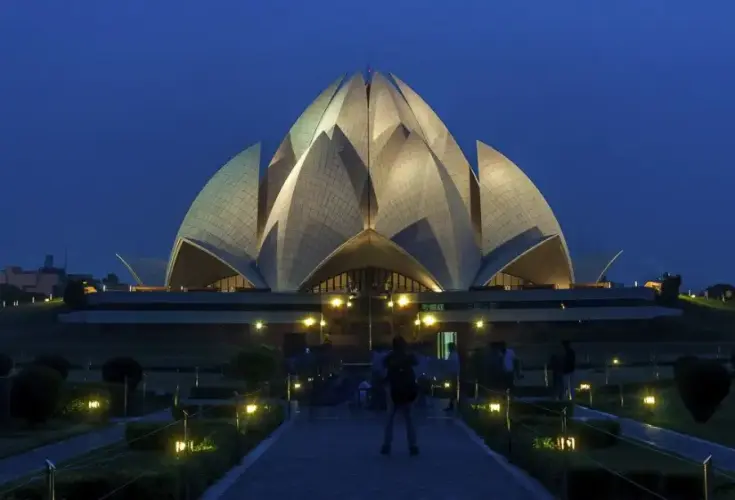
Sacred Cities & Living Traditions approaches India through places where belief is expressed not only through historic monuments, but through routines that continue every day. Kitchens feed visitors, riverside steps become places of worship, temple complexes remain active, music accompanies prayer, and centuries-old buildings continue to function within modern towns.
Arrive at Delhi International Airport and meet the local representative after immigration, baggage collection and customs. Transfer privately to your selected hotel and receive assistance with check-in. No formal sightseeing is scheduled for arrival day because the following program includes several early mornings and substantial cultural visits. Use the remaining hours to rest after the international journey. Dinner is at leisure.
Delhi is an appropriate starting point because religious traditions have occupied the city in different forms for centuries. Mosques, temples, gurudwaras, churches, tombs and shrines exist alongside government districts and contemporary neighborhoods. The itinerary will not attempt to represent every community through a checklist of religious buildings. Instead, tomorrow uses a small number of carefully selected places to establish historical context.
Keep the evening free and prepare for the cultural etiquette that will apply throughout the journey. At different sacred sites, shoes may need to be removed, heads may need to be covered and photography may be restricted. Your guides will explain requirements before entry. Respect for active worship always takes precedence over sightseeing or photography.
Overnight: Delhi
Begin at Humayun’s Tomb, using the garden complex to establish the Mughal historical context that influenced Delhi for generations. Although primarily a funerary monument, its geometry, inscriptions, garden planning and architectural symbolism make it relevant to the broader theme of belief and remembrance. Walk through the complex with enough time to understand how the central tomb relates to surrounding structures. Your guide will distinguish historical interpretation from religious practice that continues elsewhere on the route.
Continue into Old Delhi and visit Jama Masjid, subject to prayer schedules and visitor access. Approach the mosque as an active place of worship rather than merely a viewpoint over the old city. Your guide can explain architectural features, congregational function and the historical setting of Shahjahanabad. Dress and photography requirements should be followed carefully, particularly during periods of prayer.
Later, visit a suitable Sikh place of worship such as Gurudwara Bangla Sahib, where the emphasis changes from imperial history to active community practice. Learn about the principles behind the langar, or community kitchen, and observe the organization required to serve large numbers of people. Participation should remain respectful and voluntary rather than performative. Return to the hotel after the visit and keep the evening free.
Overnight: Delhi
After breakfast, transfer to the airport or railway station for the most practical confirmed journey to Amritsar. Meet the local representative on arrival and continue privately to your selected hotel. Allow time for check-in, lunch and rest rather than moving immediately into a full sightseeing program. The Golden Temple deserves more than a hurried stop between transport connections.
Later, meet your local guide for an orientation through the historic center surrounding the temple precinct. The walk introduces Amritsar as a living city rather than treating the Golden Temple as an isolated landmark. Markets, food businesses, places of worship and everyday commercial activity occupy the streets around the sacred complex. Your guide will also explain appropriate behavior before tomorrow’s longer visit.
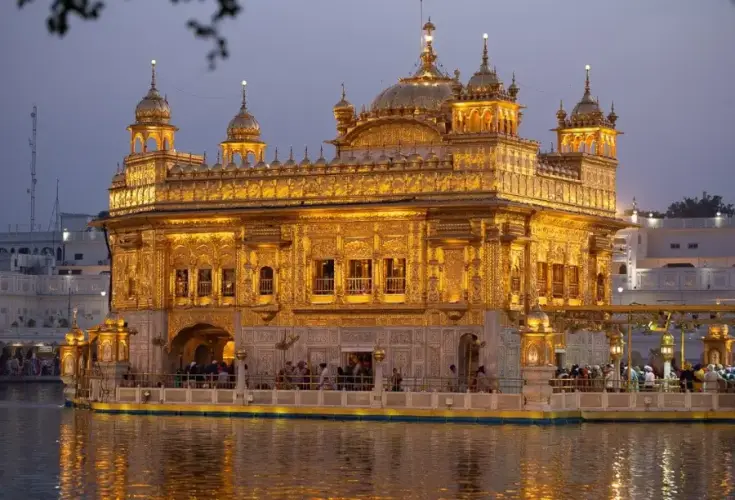
If energy and timing permit, make a first evening approach to the Golden Temple. Seeing the illuminated complex reflected in the sarovar can provide a powerful introduction, but the visit should remain quiet and unhurried. Cover your head, remove shoes where required and follow established procedures before entering. Return to the hotel after the visit.
Overnight: Amritsar
Begin early at Sri Harmandir Sahib, widely known as the Golden Temple. Enter the complex as the morning develops and spend time observing how worship, music, movement and the sacred pool shape the experience. The architecture is important, but it represents only one part of the site. Your guide will provide context while avoiding unnecessary conversation in areas where quiet attention is more appropriate.
Continue to the langar, the community kitchen associated with the complex. Learn how volunteers contribute to preparing ingredients, cooking, serving meals and cleaning on a large scale. The significance lies in service and equality rather than in presenting the kitchen as an attraction. If appropriate and permitted, travelers may observe or participate modestly in a suitable activity. Photography should follow local guidance and never interfere with volunteers or diners.
Spend the middle of the day away from the complex before returning later if desired. A second visit at another hour reveals changes in light, crowds, music and atmosphere that a single stop cannot provide. The evening may be used for a guided food walk or independent dinner according to preference, but the Golden Temple remains the central subject of the day. Return to the hotel afterward.
Overnight: Amritsar
Begin with Jallianwala Bagh, approaching the memorial with the seriousness appropriate to its history. Your guide will explain the events associated with the site and their place within the wider history of colonial India. This is not a location for casual photography or hurried sightseeing. Allow time to read, observe and understand the memorial environment.
Continue through selected areas of Amritsar to consider how the city developed around trade, pilgrimage and community life. Depending on interests and current access, the program may include a historic temple, traditional market or another culturally relevant location. The purpose is to see Amritsar beyond its best-known religious complex without artificially filling the day with monuments. Local food traditions can also be introduced through a carefully chosen lunch.
Keep the afternoon deliberately flexible. You may return independently to the Golden Temple, spend time in the historic center or rest at the hotel. Avoid adding a border ceremony automatically simply because it is commonly included in Amritsar itineraries; it is not essential to the sacred-city theme of this journey. Prepare in the evening for tomorrow’s flight toward Varanasi.
Overnight: Amritsar
After breakfast, transfer to the airport for the most practical confirmed flight or connecting flight to Varanasi. Flight schedules can vary, so the final program should be built around actual connections rather than promising an unrealistic sightseeing schedule on arrival. Meet the local representative and transfer to your selected hotel. Take time to rest before entering the old city.
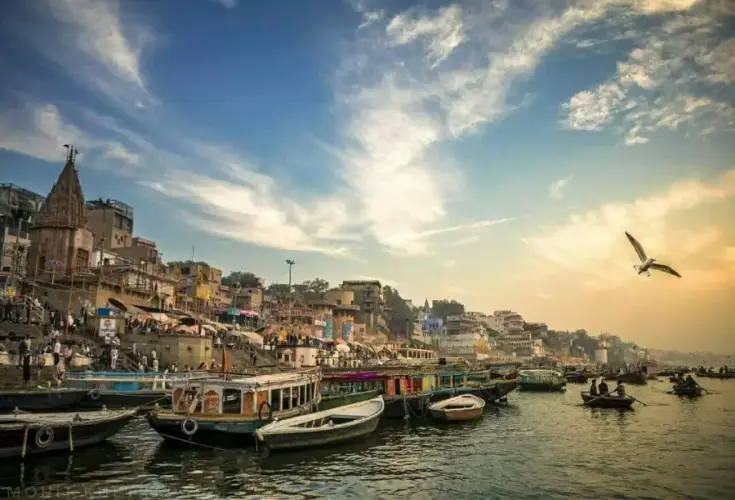
Later, meet a specialist local guide and approach the Ganges through selected lanes and ghats. Varanasi is not introduced as a collection of monuments. Its religious significance is embedded in geography, movement, water, temples, shrines and daily practices that overlap with ordinary urban life. The guide will explain what can be observed respectfully and where photography should be avoided.
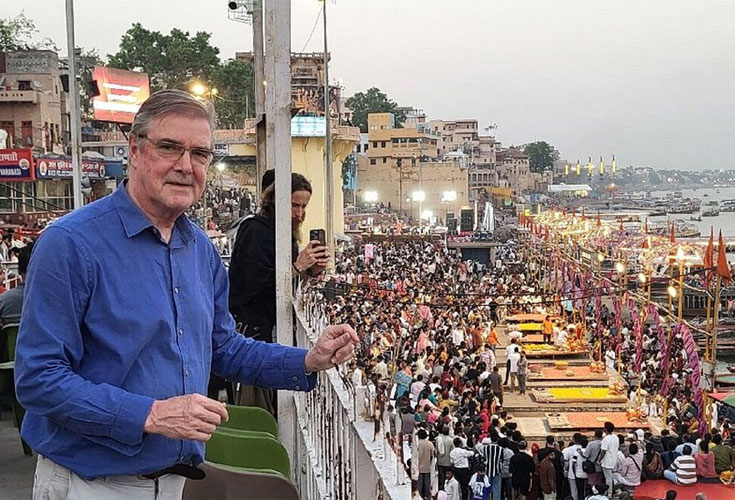
Toward evening, attend a Ganges aarti from an appropriate location, subject to local arrangements and river conditions. The ceremony attracts worshippers as well as visitors, so maintain awareness of those participating for religious reasons. Avoid obstructing views or moving aggressively for photographs. Return to the hotel afterward and rest before tomorrow’s pre-dawn departure.
Overnight: Varanasi
Leave the hotel before sunrise and proceed to the river for a private Ganges boat ride, subject to weather, water levels and local operating conditions. As daylight develops, observe the ghats from the water and see how different sections serve different purposes. Bathing, prayer, exercise, work and ordinary movement may all occur within the same riverfront environment. Your guide will provide context without turning every activity into a spectacle.
Disembark and continue on foot through selected ghats and old-city lanes. Small shrines, temple entrances, residences and businesses are woven closely together, demonstrating how sacred and everyday spaces overlap. Some temples may have restrictions on entry for non-Hindus or limitations on photography and belongings. Follow your guide’s instructions and accept that meaningful understanding does not require access to every interior.
Return to the hotel for breakfast and several hours of rest. Later, visit another appropriate area connected with Varanasi’s religious or cultural traditions, selected according to current access and your interests. This may involve a quieter temple environment, a music-related tradition or a neighborhood beyond the busiest ghats. Keep the evening unstructured after the early start.
Overnight: Varanasi
Begin later today with a guided exploration focused on the historical development of Varanasi’s sacred geography. Rather than repeating yesterday’s river journey, walk through a different section of the city and examine how temples, wells, shrines, pilgrimage routes and neighborhood boundaries relate to one another. Your guide can explain traditions and stories while distinguishing devotional belief from historically verifiable information. This distinction is important in a city where mythology and lived geography are closely connected.
Spend part of the day looking at a cultural tradition that sits alongside Varanasi’s religious identity. Depending on access, this may involve classical music, textile weaving or another long-established practice. The objective is to show that a sacred city is also a working cultural center where skills and artistic traditions are transmitted across generations. Any visit to a workshop or practitioner should be arranged respectfully rather than staged for tourists.
Keep the afternoon free to revisit the river independently with your guide, rest at the hotel or simply absorb the city without another scheduled activity. Tomorrow the journey moves from an intensely active pilgrimage environment toward the very different temple landscape of Khajuraho. The change in scale and atmosphere is one of the most important transitions in the package.
Overnight: Varanasi
Leave Varanasi after breakfast and continue toward Khajuraho using the most practical confirmed flight, rail, road, or combined arrangement available for the travel date. Because transportation schedules between the two destinations can vary, the final routing should prioritize comfort and realistic connection times. The day is intentionally kept light rather than attaching significant sightseeing to a transfer. Meet the local representative on arrival and continue to your selected hotel.
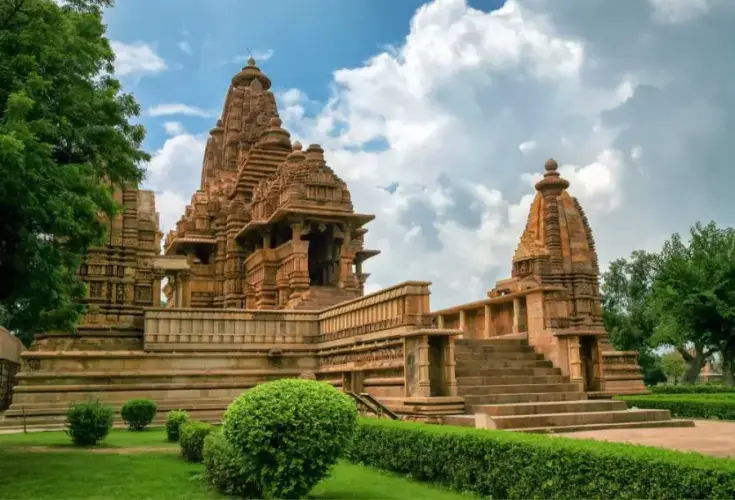
Khajuraho introduces a very different expression of sacred architecture from Varanasi. Instead of an intensely inhabited riverfront pilgrimage environment, the principal monuments here survive as carefully preserved temple groups surrounded by comparatively open grounds. The change encourages closer attention to architectural form, sculptural programs, elevation, and the way temples were conceived as complete symbolic structures.
If arrival time permits, take a gentle orientation around the town or view the temple setting from outside the main complexes without beginning a rushed formal visit. Your detailed exploration is reserved for tomorrow morning when energy and light are better. Spend the evening at leisure and rest after the transfer.
Overnight: Khajuraho
Begin with the Western Group of Temples, accompanied by a knowledgeable private guide. Rather than concentrating immediately on individual sculptures, first examine the overall architectural organization: elevated platforms, entrance sequences, halls, towers, subsidiary structures, and the increasing vertical movement toward the principal sanctuary. The temples are best understood as integrated architectural compositions rather than collections of decorative panels.
Continue by studying the sculpture in its broader context. Figures depicting divinities, celestial beings, musicians, dancers, attendants, animals, everyday activity, and erotic imagery occupy different positions within extensive decorative programs. The erotic scenes for which Khajuraho is popularly known represent only a fraction of the sculptural content. Your guide will help place them within wider artistic and religious traditions without relying on sensational explanations.
Later, visit another suitable temple group if energy and current opening conditions allow. A second complex can reveal changes in scale, patronage, religious affiliation, and decorative treatment. Keep the afternoon less structured so there is time to rest or return to a favored area independently where permitted. The slower pace allows the morning’s architectural information to settle rather than turning the day into an exhaustive monument circuit.
Overnight: Khajuraho
After breakfast, depart privately for Orchha, traveling through the Central Indian countryside. The road journey provides a useful transition from Khajuraho’s temple complexes to a smaller historic settlement where palaces, temples, cenotaphs, residential areas, and the Betwa River remain closely connected. Comfortable stops can be made as needed. Arrive at your selected hotel and settle in before beginning the afternoon program.
Later, walk through the historic center with your guide and begin at the Orchha palace complex. The buildings reflect different periods and functions, combining fortified planning with residential and ceremonial architecture. Courtyards, gateways, elevated chambers, wall paintings, and views across the surrounding town demonstrate how royal architecture was integrated into the broader landscape. Allow time to move gradually between spaces rather than treating the complex as a quick photographic stop.
End near the river or an appropriate viewpoint from which Orchha’s skyline can be understood as a whole. Temple towers, palace structures, cenotaphs, trees, and the Betwa create a setting that feels notably different from both Khajuraho and Varanasi. Return to the hotel for a quiet evening. The town’s smaller scale is intended to provide breathing room near the end of the journey.
Overnight: Orchha
Begin at Ram Raja Temple, approaching it first as an active place of worship rather than simply another historic building. The site is unusual in both its history and its continuing devotional importance. Your guide will explain local traditions while ensuring that dress, photography restrictions, and visitor behavior remain appropriate. Prayer schedules and local conditions may influence the exact timing of the visit.
Continue to Chaturbhuj Temple, where the architectural emphasis changes considerably. Its soaring vertical proportions, large interior spaces, and elevated position make it particularly interesting after the more intimate experience of an active shrine. From suitable points, the building also offers a clearer sense of how Orchha’s monuments relate to the town and river landscape. Take time to notice structure and spatial scale rather than concentrating only on decorative detail.
Later, visit the cenotaphs beside the Betwa River, where memorial architecture is framed by open landscape and water. These structures provide a quiet final architectural chapter before returning to Delhi. Keep the remainder of the afternoon open for a walk through town, time by the river, or rest at the hotel. The day is deliberately unhurried and avoids adding distant excursions simply to fill the schedule.
Overnight: Orchha
Leave Orchha after breakfast and transfer to the most appropriate nearby railway station or airport connection for the onward journey to Delhi, according to the confirmed travel arrangements. Assistance will be provided at the departure point and again on arrival where required. Because transport schedules can vary, no major sightseeing is automatically attached to the final day. The priority is a comfortable connection to your onward international flight or Delhi hotel.
The route has moved through sacred places that function in very different ways. Delhi introduced overlapping religious histories, Amritsar demonstrated worship expressed through service and community, and Varanasi revealed a sacred landscape woven into everyday urban life. Khajuraho shifted attention toward preserved temple architecture, while Orchha brought active devotion and historic structures together within a smaller riverside town.
Arrive in Delhi and transfer privately to the airport or your independently arranged accommodation, depending on your onward plans. Sacred Cities & Living Traditions ends with a broader view of faith in India—not as a single tradition or a sequence of famous religious monuments, but as architecture, memory, service, ritual, art, community, and daily practice taking different forms from place to place.
Meals: Breakfast
Tour Ends: Delhi
What the price includes
Bottled water, fuel, tolls, and parking during included ground transportation.
What it does not
Starting from
On request
per person · twin share
Get In Touch
No planning fee, no obligation. A curator replies within two hours - or call +91 97990 02277.
 14 Nights / 15 Days
Route Delhi - Lucknow - Khajuraho - Orchha - Bhopal - Maheshwar - Mumbai
 13 Nights / 14 Days
Route Delhi - Varanasi - Agra - Jaipur - Jodhpur - Udaipur
 12 Nights / 13 Days
Route Delhi - Lucknow - Jaipur - Mumbai - Kochi
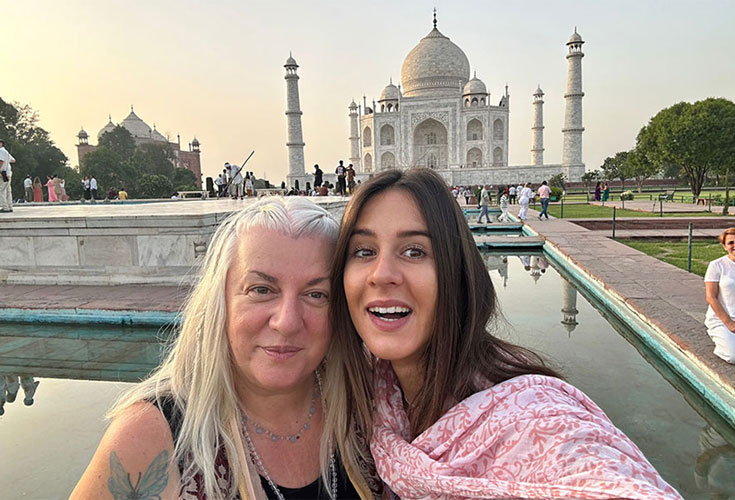 11 Nights / 12 Days
Route Delhi - Agra - Jaipur - Ahmedabad - Udaipur
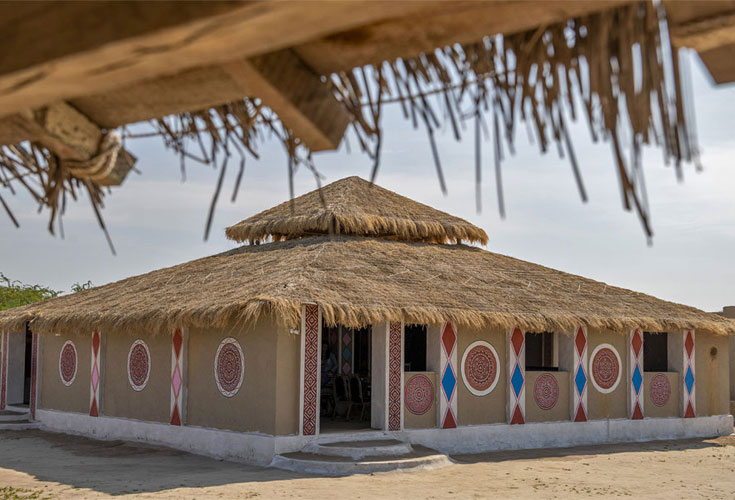 11 Nights / 12 Days
Route Delhi - Jaipur - Jodhpur - Bhuj - Ahmedabad
Let Us Plan It
Send dates and interests. A written proposal follows within 48 hours.
Start the brief →Ready When You Are
Speak to a curator directly — +91 97990 02277.
WhatsApp A CuratorIndia & Beyond
Chauffeur-driven travel nationwide, by the day or the fortnight.
See the fleet →