

A Culinary Journey Through India is designed around the idea that Indian food makes the most sense when it is understood region by region. Rather than presenting “Indian cuisine” as one unified style, the itinerary moves through five distinct culinary environments, each shaped by different ingredients, trade histories, cooking methods and cultural influences.
Arrive at Delhi International Airport and meet the local representative after completing immigration, baggage collection and customs. Transfer privately to your selected hotel and receive assistance with check-in. No formal culinary activity is scheduled on arrival because international flights can land at very different hours and heavy dining immediately after a long journey is rarely ideal. Spend the remainder of the day resting, adjusting to the time zone and settling into the hotel. Dinner is at leisure.
Delhi is especially useful as the opening city because its food is not defined by a single tradition. Mughlai dishes, Punjabi cooking, vegetarian foodways, old-city snacks, modern Indian restaurants and regional specialties from across the country are all part of the capital’s dining landscape. The city therefore provides a broad frame before the itinerary moves into more region-specific destinations. Tomorrow’s program will begin by looking at how history and migration shaped what Delhi eats.
Keep the evening simple and avoid trying to begin the food tour prematurely. If you arrive early and feel comfortable, choose a light meal at the hotel or a nearby restaurant rather than a long tasting menu. This leaves room for the guided food experiences ahead to feel intentional rather than repetitive. The culinary journey begins properly tomorrow morning.
Overnight: Delhi
Begin with a guided visit through selected sections of Old Delhi, focusing on the relationship between markets, ingredients and long-established food businesses. Walk through lanes where spices, dry goods, breads, sweets or prepared foods form part of the everyday commercial landscape. Your guide will explain how neighborhoods developed around particular communities and food traditions rather than presenting the area as one giant street-food market. Taste only at trusted, preselected places and keep the pacing measured.
Continue with a lunch that introduces one of Delhi’s better-known regional or Mughlai traditions in a more comfortable setting. The purpose is not simply to try famous dishes, but to compare cooking methods, seasoning and service styles with what was seen earlier in the markets. Your guide can explain how certain preparations moved from courtly or community settings into commercial restaurants. Pay attention to breads, gravies, grilled meats or vegetarian dishes as part of a wider meal structure.
Keep the late afternoon free before an optional evening dining experience chosen according to your interests. This might be a modern Indian restaurant, a refined regional menu or a lighter meal after the more substantial lunch. Delhi’s culinary value lies partly in this range. Return to the hotel without adding another guided tasting unless specifically requested.
Overnight: Delhi
Start later today with a visit to an appropriate food market, specialty grocer or ingredient-focused area where the emphasis is on understanding what enters a modern Indian kitchen. Look at produce, grains, spices, dairy products and pantry staples with a guide who can explain how regional preferences influence shopping. This provides a useful counterpoint to yesterday’s prepared-food focus. The aim is to understand ingredients before they become dishes.
Continue with a cooking session or chef-led demonstration, arranged in an appropriate private or small-group setting. Rather than attempting an unrealistic number of recipes, focus on a few techniques such as tempering spices, building a base, handling dough or balancing sour, sweet, heat and richness. The session should feel practical and conversational rather than theatrical. Lunch can be based around the dishes prepared.
Leave the afternoon and evening comparatively open. Use the time to rest, revisit a neighborhood independently or have dinner at a restaurant selected according to your own curiosity. This flexibility is intentional because culinary travel becomes tiring when every meal is programmed. Tomorrow the journey moves to Lucknow and a much more specific regional tradition.
Overnight: Delhi
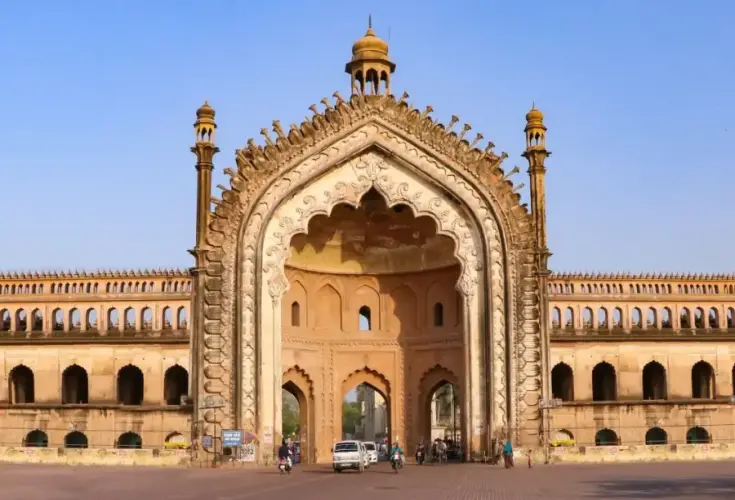
After breakfast, transfer privately to the airport for the most practical confirmed flight to Lucknow. On arrival, meet the local representative and continue to your selected hotel. Take time for lunch and rest before beginning the city’s culinary introduction later in the day. Lucknow is approached more slowly than Delhi because its food traditions benefit from context and explanation. The difference in style should become apparent almost immediately.
Begin with a guided orientation through a suitable historic market or food district. The guide will introduce the vocabulary of Awadhi cuisine, including slow cooking, kebabs, breads, rice dishes and carefully layered spicing. Rather than sampling continuously, select a few representative items from established vendors or restaurants. Discussion should focus on technique and history as much as flavor.
Finish the evening with a considered dinner that presents Lucknow’s cuisine in a more complete form. Notice the importance of texture, aroma and restraint rather than assuming that every regional dish is defined by aggressive heat. The city’s culinary tradition is often about balance and delicacy. Return to the hotel after dinner and keep the night otherwise free.
Overnight: Lucknow
Begin with a morning visit focused on the ingredients and preparation methods behind Lucknow’s better-known dishes. Depending on the final arrangements, this may include a market walk, a conversation with a cook or a visit to an appropriate kitchen setting. Observe how marinades, grinding, slow cooking and controlled use of aromatics influence texture. The aim is to see what happens before a finished dish reaches the table.
Continue with a lunch centered on classic Awadhi preparations, perhaps including kebabs, breads, rice dishes or slow-cooked mains according to dietary preferences. Your guide will explain how food associated with courtly refinement evolved over time and how commercial versions differ from household or specialist cooking. Avoid treating one restaurant as the definitive expression of an entire cuisine. Regional food is always more varied than a single menu.
Keep the later afternoon light, then return for an evening walk or tasting that focuses on another side of Lucknow’s food culture. Sweets, breads, tea or lighter savory items can provide contrast with the more substantial midday meal. The sequence is designed to spread the culinary content rather than compressing everything into one sitting. Return to the hotel at a comfortable hour.
Overnight: Lucknow
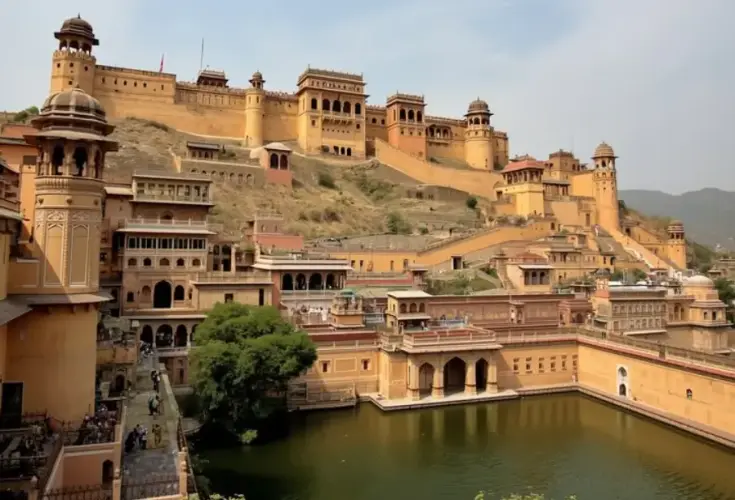
Transfer to the airport after breakfast for the most suitable confirmed flight to Jaipur, or use another practical routing according to final schedules. On arrival, meet the local representative and continue to the hotel. After several rich culinary days, the first Jaipur afternoon is intentionally gentle. There is no need to begin immediately with another large tasting.
Later, take a short guided visit through an appropriate market where grains, pulses, spices, dairy products and local snacks can be discussed in relation to Rajasthan’s climate and food traditions. The emphasis is on how ingredients respond to a comparatively dry environment and historically variable access to fresh produce. Your guide can explain why preservation, shelf life and concentrated flavors became important in many regional preparations.
Finish with a relaxed dinner featuring a selection of Rajasthani dishes served in a comfortable setting. Focus on the structure of the meal rather than trying every available specialty. Lentils, breads, gram flour, yogurt, ghee, chilies and preserved ingredients often play important roles, but the exact menu should be adapted to preference and season. Return to the hotel after dinner.
Overnight: Jaipur
Begin the day with a market visit focused on ingredients rather than prepared snacks. Look at vegetables, spices, grains, pulses and dairy products while discussing how household cooking differs from restaurant versions of Rajasthani cuisine. Markets reveal what people actually buy and use, which is often more informative than a tasting menu designed for visitors. Keep photography respectful and secondary to the experience.
Continue with a private cooking session or hosted meal experience where several regional dishes are prepared in a smaller setting. The objective is to understand method: how doughs are handled, how lentils are seasoned, how dry preparations are built and how accompaniments balance richer foods. Participation can be as hands-on as the host and traveler prefer. Lunch follows from the preparations made during the session.
Leave the afternoon free before a lighter evening meal. Jaipur has a growing contemporary dining scene as well as traditional restaurants, and travelers may choose between the two according to interest. This open period also prevents the culinary program from becoming too dense. Return to the hotel at leisure.
Overnight: Jaipur
Start at a comfortable hour with a guided walk through selected sections of Jaipur’s historic center. Rather than concentrating on monuments, look at how food businesses fit into the urban fabric: sweet shops, snack vendors, spice sellers, dairy outlets and small restaurants often occupy long-established commercial positions. Your guide will select a few appropriate stops based on hygiene, relevance and current quality. Tastings remain intentionally small.
Continue with a focused look at Rajasthani sweets and savory snacks, considering ingredients, preparation and when they are traditionally eaten. Milk solids, sugar, gram flour, nuts, clarified butter and spices may appear in different combinations depending on the specialty. The goal is to understand the role these foods play in everyday life, festivals or hospitality rather than merely collecting photographs. Pace the experience carefully so lunch remains optional rather than mandatory.
Keep the afternoon and evening free to rest before tomorrow’s flight to Mumbai. By this point, the itinerary has moved from Delhi’s layered urban food culture to Lucknow’s Awadhi refinement and Rajasthan’s climate-shaped cooking. The next stage introduces the completely different culinary logic of a coastal megacity. Enjoy the final Jaipur evening independently.
Overnight: Jaipur
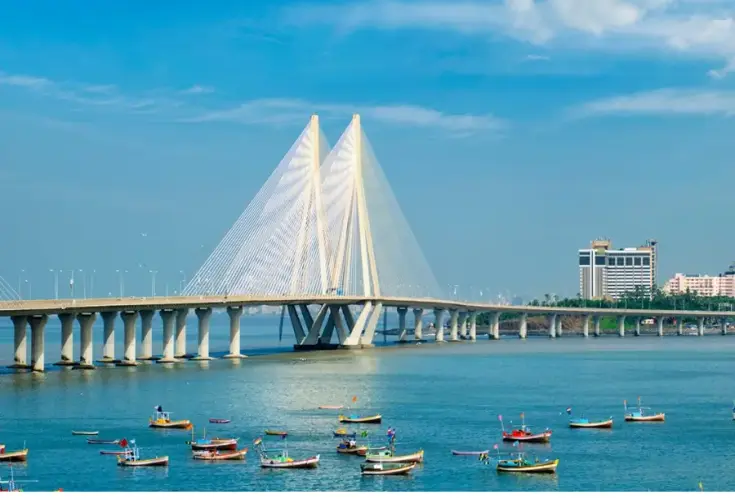
After breakfast, transfer privately to Jaipur Airport for the most suitable confirmed flight to Mumbai. Meet the local representative on arrival and continue to your selected hotel. Allow time to check in, have a light lunch and rest before beginning the city’s culinary introduction. Mumbai represents a significant change from the food traditions encountered in northern India. Geography, migration, trade and the Arabian Sea have all contributed to a dining culture that resists a single regional definition.
Later, meet your food specialist for an orientation through a carefully chosen neighborhood. Rather than attempting an extensive tasting immediately, examine how different communities have contributed to Mumbai’s food landscape. Maharashtrian cooking exists alongside Gujarati, Parsi, South Indian, Muslim, coastal and numerous migrant traditions. Small restaurants, bakeries, cafés and street vendors can sit within remarkably short distances of one another. The city’s culinary character comes partly from this proximity.
Finish with dinner at a restaurant selected to introduce a side of Mumbai that has not appeared earlier in the itinerary. Depending on dietary preference, this could focus on coastal cooking, regional Maharashtrian food or another community-based cuisine strongly associated with the city. Your guide can help decode unfamiliar dishes without turning dinner into a formal lecture. Return to the hotel after the meal.
Overnight: Mumbai
Begin with a morning market experience centered on ingredients and the systems that feed a city of Mumbai’s scale. Depending on the final arrangements and traveler interests, the visit may focus on vegetables, spices, seafood or another relevant market environment. Observe how ingredients arrive, are sorted and move rapidly into restaurants and household kitchens. Your guide will also explain the role seasonality plays in what is available.
Continue with a carefully planned introduction to Mumbai street food. The purpose is not to consume as many famous snacks as possible but to understand why quick, affordable and highly portable foods became so closely associated with the city. Taste a limited selection at trusted establishments or vendors chosen by the local specialist. Discuss preparation, accompaniments and the balance of textures that characterizes many popular Mumbai snacks.
After a substantial rest period, spend the evening exploring Mumbai’s coastal food traditions. Seafood can be prepared very differently across Maharashtrian and other west-coast communities, with coconut, chilies, souring agents and spice combinations changing according to culinary background. Non-seafood alternatives should be arranged for travelers who prefer them. Return to the hotel after dinner with the remainder of the evening free.
Overnight: Mumbai
Enjoy breakfast before transferring privately to Mumbai Airport for the confirmed flight to Kochi. On arrival in Kerala, meet your representative and continue to the selected hotel, preferably positioned conveniently for the cultural and culinary program. Take time for lunch and rest. The final stage of the journey moves away from the urban intensity of Mumbai toward a food culture shaped strongly by the Malabar Coast and centuries of maritime exchange.
Later, walk with a knowledgeable guide through an appropriate section of historic Kochi. Rather than treating spices as a decorative travel theme, discuss why pepper and other commodities made this coastline commercially important to traders from different parts of the world. Warehouses, trading neighborhoods, places of worship and old commercial streets provide physical evidence of those connections. The history of Kochi makes much more sense when trade and food are considered together.
End the day with a Kerala dinner that introduces the region through a balanced selection rather than an oversized tasting menu. Rice, coconut, seafood, vegetables, spices and different souring agents may all play roles depending on the dishes selected. Your guide or host can explain how preparations vary by community and household. Return to the hotel after dinner.
Overnight: Kochi
Begin at a local market where fresh produce, coconut, fish, spices and other ingredients can be examined in their everyday context. Availability changes with season and the market visited, so the experience should respond to what is actually present rather than follow a predetermined ingredient checklist. Your guide will explain how commonly used products enter Kerala kitchens and how coastal geography affects everyday cooking. This is also an opportunity to compare southern ingredients with those encountered in Delhi, Lucknow and Rajasthan.
Continue to a thoughtfully arranged Kerala cooking experience with a knowledgeable host or chef. Keep the menu focused enough to follow each process properly. Depending on preferences, the session may cover seafood or a vegetarian preparation, vegetable dishes, rice accompaniments and the careful use of coconut in different forms. Watch how spices are toasted, ground or tempered and how flavor is built without assuming that every Kerala dish follows the same formula.
Enjoy the prepared food for lunch and leave the afternoon open. After twelve days of markets, tastings and regional meals, unstructured time is important. Later, choose your own final dinner or arrange a restaurant reservation suited to a particular interest that emerged during the trip. There is no need for another compulsory tasting menu simply because it is the final evening.
Overnight: Kochi
Begin the final morning at a relaxed hour, provided your onward flight schedule allows. A short guided visit can focus on one aspect of Kochi’s culinary heritage not covered yesterday, perhaps a traditional bakery, specialty food producer, spice merchant or another appropriate establishment. The exact choice should depend on opening schedules and traveler interests. Keeping the visit narrow allows genuine conversation instead of rushing between unrelated stops.
The morning also provides an opportunity to consider how dramatically the meaning of “Indian food” has changed over the course of the route. Delhi brought together cuisines from many regions; Lucknow emphasized controlled technique and Awadhi traditions; Jaipur connected food with Rajasthan’s climate; Mumbai reflected migration and the coast; and Kochi showed how maritime trade became part of local culinary history. The differences between these places are more important than any attempt to identify a single national menu.
Return to the hotel, check out and transfer privately to Kochi International Airport for your onward journey. The package ends without attempting to reduce thirteen days of eating, cooking and conversation to a list of signature dishes. A Culinary Journey Through India is ultimately about understanding why food changes as the landscape, history, community and available ingredients change.
What the price includes
What it does not
Starting from
On request
per person · twin share
Get In Touch
No planning fee, no obligation. A curator replies within two hours - or call +91 97990 02277.
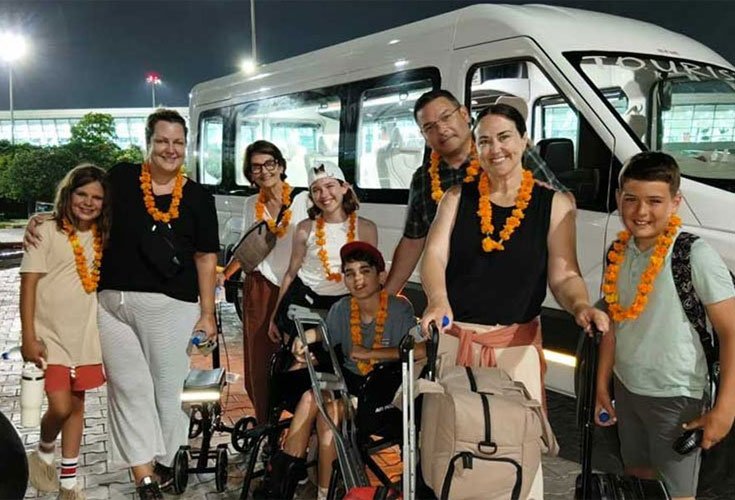 14 Nights / 15 Days
Route Delhi - Lucknow - Khajuraho - Orchha - Bhopal - Maheshwar - Mumbai
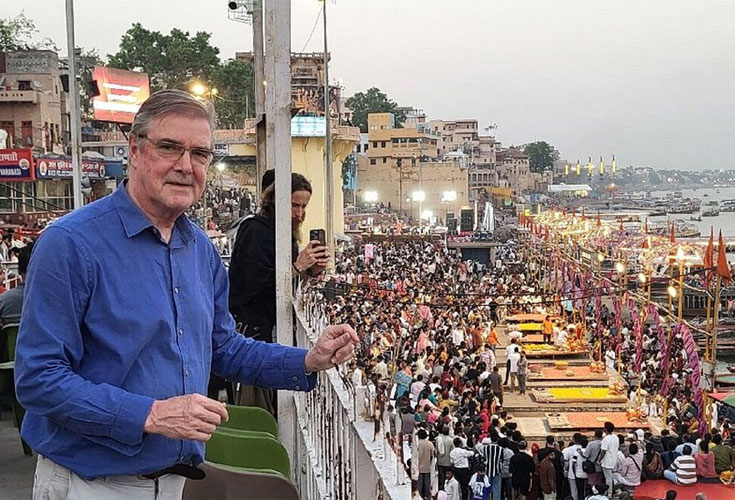 12 Nights / 13 Days
Route Delhi - Amritsar - Varanasi - Khajuraho - Orchha - Delhi
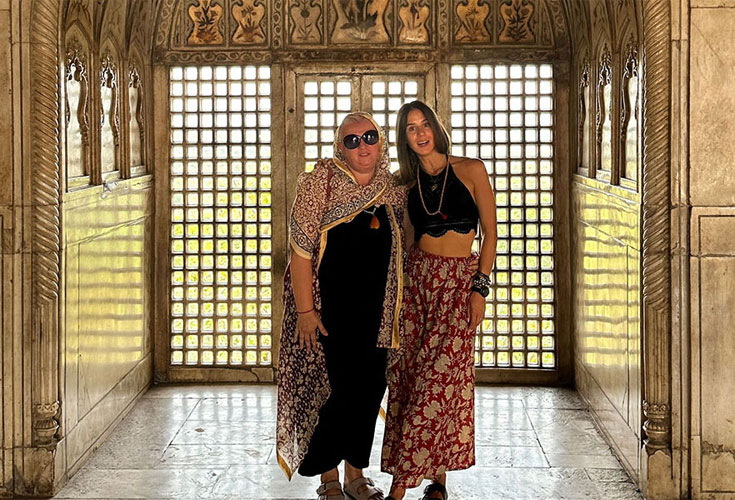 13 Nights / 14 Days
Route Delhi - Varanasi - Agra - Jaipur - Jodhpur - Udaipur
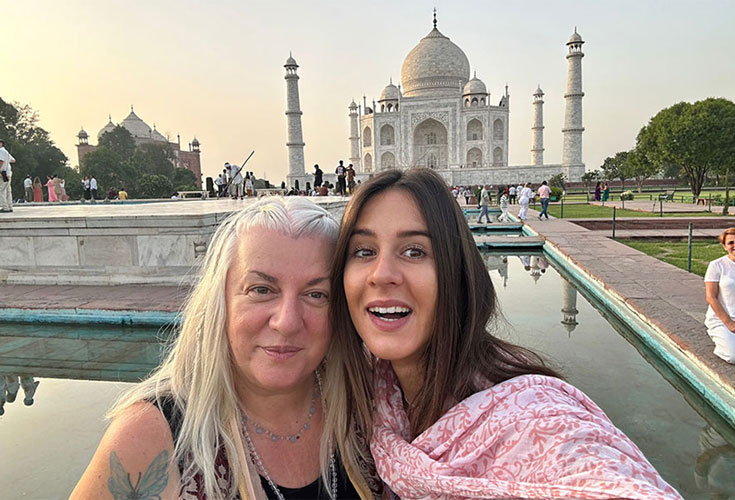 11 Nights / 12 Days
Route Delhi - Agra - Jaipur - Ahmedabad - Udaipur
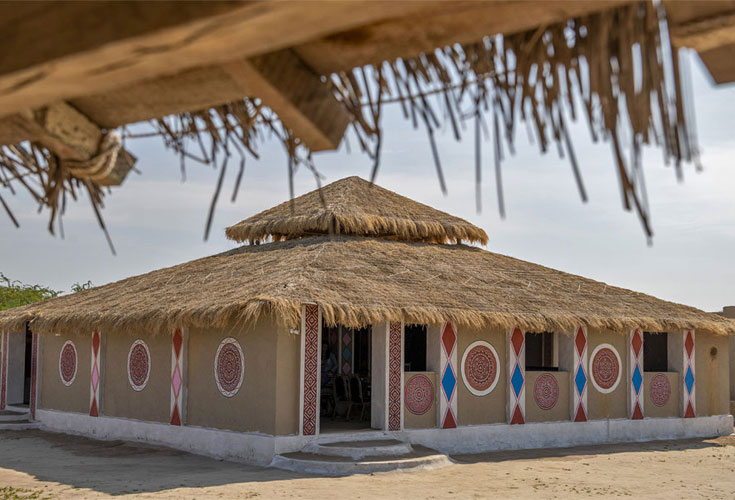 11 Nights / 12 Days
Route Delhi - Jaipur - Jodhpur - Bhuj - Ahmedabad
Let Us Plan It
Send dates and interests. A written proposal follows within 48 hours.
Start the brief →Ready When You Are
Speak to a curator directly — +91 97990 02277.
WhatsApp A CuratorIndia & Beyond
Chauffeur-driven travel nationwide, by the day or the fortnight.
See the fleet →