
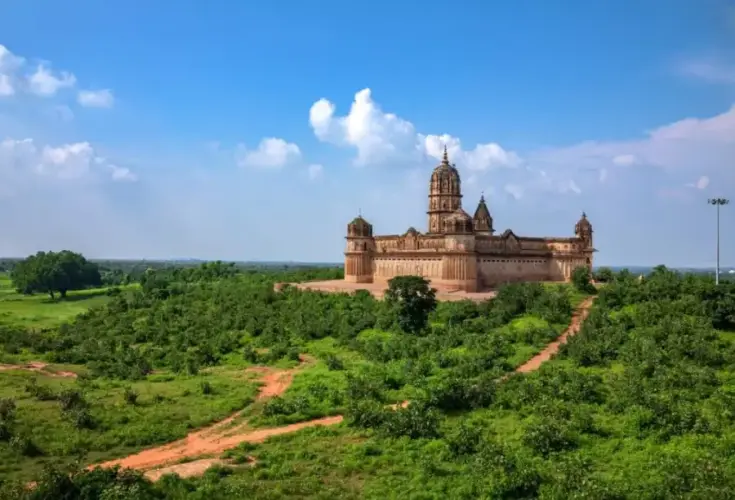
India Beyond the Familiar is designed for travelers who have little interest in following the most predictable sequence of destinations. Instead of building the journey around the Golden Triangle, the route moves through cities and smaller historic centers that reveal India through architecture, courtly culture, archaeology, riverside settlements and changing regional identities.
Finish in Mumbai with a completely different urban perspective.
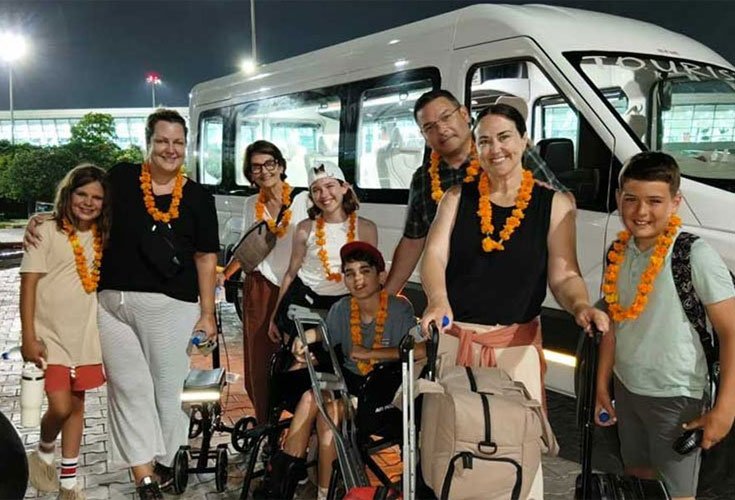
Arrive at Delhi International Airport and meet the local representative after completing immigration, baggage collection and customs. Transfer privately to your selected hotel and receive assistance with check-in. No sightseeing is scheduled automatically on arrival day, allowing time to recover from the international flight and settle in properly. Use the remainder of the day at leisure. Dinner is independently arranged.
Delhi serves as an introduction rather than the principal subject of this journey. The route has been designed to move relatively quickly beyond the capital toward Lucknow, Central India and the Narmada region. Tomorrow therefore focuses only on selected places that establish useful historical context. The objective is to understand a few major layers of the city rather than attempt to cover it comprehensively.
Keep the evening flexible and prepare for a measured first day. Travelers with particular interests in architecture, urban history or food can share them with the guide so emphasis can be adjusted where practical. The remainder of the itinerary will continue this approach: fewer destinations treated superficially, more places allowed to speak in their own regional voice.
Overnight: Delhi
Begin at Humayun’s Tomb, where Mughal garden planning, geometry and monumental architecture provide a clear historical starting point. Walk through the complex with attention to the relationship between the mausoleum, surrounding gardens, gateways and subsidiary structures. Your guide will explain how the site fits into the development of Mughal architecture without turning the morning into a long chronological lecture. Time is allowed to observe the building properly.
Continue toward Old Delhi for a guided walk through selected streets and historic precincts. The contrast is immediate: formal garden planning gives way to a dense urban environment shaped by commerce, religion and centuries of adaptation. Depending on access and interest, the route may include Jama Masjid or another relevant historic structure. The value lies as much in the surrounding streets as in any single monument.
Keep the late afternoon relatively light. Rather than adding several additional landmarks, return to the hotel or take a short orientation through part of New Delhi if energy permits. Tomorrow the journey moves to Lucknow, where the architectural and cultural vocabulary changes significantly. The evening remains at leisure.
Overnight: Delhi
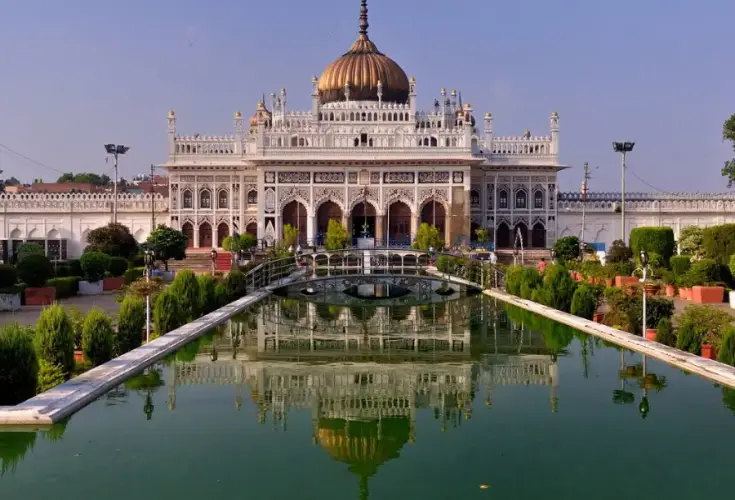
After breakfast, transfer privately to the airport for the most suitable confirmed flight to Lucknow. Meet the local representative on arrival and continue to your selected hotel. Allow time for check-in, lunch and rest before beginning a first orientation. The city should be approached gradually because its character becomes clearer through the relationship between architecture, neighborhoods and food culture.
Later, walk through an appropriate part of the historic center with your private guide. Lucknow developed a distinctive courtly culture under the Nawabs of Awadh, visible in gateways, religious buildings, residential architecture and ceremonial spaces. The guide will introduce this context while also drawing attention to the modern city that surrounds the historic fabric. The intention is to see Lucknow as a living place rather than a preserved period set.
Finish with a relaxed dinner focused on Awadhi cuisine, chosen to complement rather than dominate the cultural program. Slow cooking, breads, rice dishes and carefully layered spicing may all appear depending on preference. The meal helps establish another dimension of Lucknow’s identity before tomorrow’s more detailed architectural visits. Return to the hotel afterward.
Overnight: Lucknow
Begin at the Bara Imambara, one of Lucknow’s most significant architectural complexes. Move through the site slowly enough to understand its scale, ceremonial function and unusual structural qualities. Your guide will explain the historical context of the complex and the role of Shia religious traditions in the city’s development. Architectural interpretation remains central, but the site should also be understood as part of a continuing religious landscape.
Continue to the Rumi Darwaza and other appropriate structures within the historic area. The monumental gateway provides a strong contrast with the more intimate streets and neighborhoods nearby. Rather than photographing it only as an isolated landmark, consider how it participates in the larger urban composition. If access allows, additional nearby religious or civic structures may be incorporated without turning the day into a rapid checklist.
Spend the later afternoon exploring selected market streets or a traditional commercial neighborhood. Lucknow’s cultural identity is expressed through textiles, food, household goods and older forms of retail as much as through monumental buildings. Depending on your interests, an introduction to chikankari embroidery or another local craft tradition may be included. Return to the hotel with the evening free.
Overnight: Lucknow
Begin later today with a visit connected to Lucknow’s artistic or craft traditions, selected according to current access and traveler interests. Chikankari embroidery is one obvious possibility, but the visit should concentrate on technique and labor rather than function primarily as a shopping stop. Observe how design is transferred to fabric, how stitches differ and how production may be divided across several makers. Any purchase remains entirely optional.
Continue with another aspect of the city’s cultural history, perhaps through a smaller museum, heritage residence, historic neighborhood or specialist-led walk. This slower format allows the guide to discuss how courtly taste influenced clothing, etiquette, food and architecture without pretending that these traditions survived unchanged. Lucknow is most interesting when historical refinement is considered alongside contemporary urban life.
Keep the afternoon largely open. You may return to a market, arrange an additional culinary experience or simply rest before tomorrow’s onward journey. This unstructured time prevents the itinerary from overloading every destination with compulsory activities. Prepare in the evening for the transition from Awadhi urban culture to Khajuraho’s medieval temple landscape.
Overnight: Lucknow
After breakfast, continue from Lucknow to Khajuraho using the most practical confirmed flight, rail, road or combined transport arrangement available for the travel date. Because schedules can change, the final routing should be based on realistic travel time rather than an artificial fixed connection. Local assistance will be provided where required. The day is intentionally kept light.
Arrive in Khajuraho and transfer to your selected hotel. The shift from Lucknow is considerable: a large historic city gives way to a much smaller destination whose international reputation is tied largely to its temple groups. Take time to settle in and enjoy the quieter pace. There is no need to rush into the principal monuments late in the day.
If arrival conditions are suitable, take a short orientation around the town or an exterior view of the temple area with your guide. This first look helps establish the relationship between the surviving monuments and the open landscape around them. The detailed visit is reserved for tomorrow, when enough time can be given to architecture and sculpture without watching the clock.
Overnight: Khajuraho
Begin with the Western Group of Temples, approaching the complex first through architecture rather than individual sculptural details. Elevated platforms, entrance sequences, halls and rising towers create a strong sense of vertical movement. Your guide will explain how the temples were organized and how their exterior sculpture interacts with the architecture as a complete composition. Spend enough time to move around each major structure rather than viewing only its principal facade.
Look closely at the extensive sculptural programs covering selected temples. Divine figures, attendants, dancers, musicians, animals, daily life and erotic imagery all form part of a much larger visual world. The erotic sculpture commonly associated with Khajuraho constitutes only a limited part of the whole. The day deliberately avoids sensational interpretations in favor of historical and artistic context.
Later, visit another temple group if appropriate and if energy allows. A second group can reveal stylistic differences and a different relationship with the surrounding town. Keep the final hours of the afternoon free so the day does not become physically excessive. Return to the hotel and enjoy a quiet evening.
Overnight: Khajuraho
Leave Khajuraho after breakfast and travel privately toward Orchha. The road journey moves through the Central Indian landscape and offers a useful break between two very different historic environments. Arrive at your selected accommodation and allow time for lunch and check-in. Orchha’s smaller scale makes it particularly suitable for exploring on foot.
Later, begin at the Orchha palace complex, where fortified architecture, residential spaces, courtyards and elevated chambers overlook the surrounding town and river landscape. Move through the buildings in sequence so their changing functions become clearer. Wall paintings, stonework and long views across the surrounding area provide a very different visual experience from the sculptural density of Khajuraho.
End the afternoon beside the Betwa River or near the riverside cenotaphs, depending on current access and timing. The combination of water, historic buildings and relatively open space gives Orchha a slower character than the destinations visited earlier. Return to the hotel after the visit and keep the evening free.
Overnight: Orchha
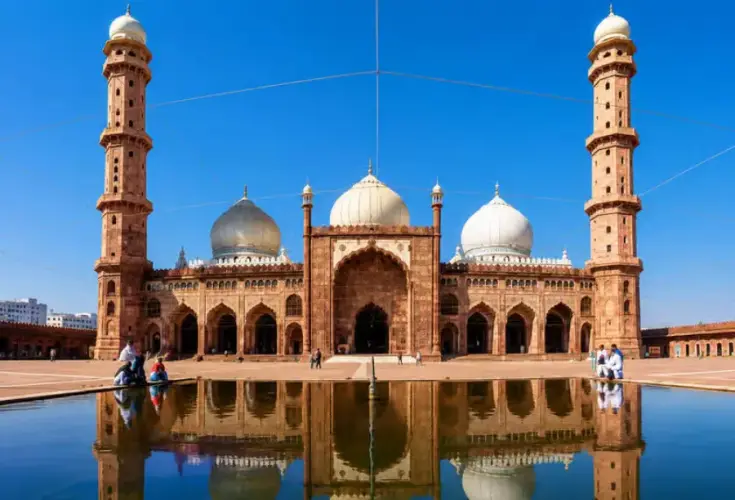
Leave Orchha after breakfast and continue toward Bhopal using the most practical confirmed road, rail or combined transportation arrangement available for the travel date. The transfer is intentionally treated as part of the journey rather than burdened with unnecessary sightseeing stops. Comfortable breaks can be incorporated as needed, and local assistance will be arranged at stations or transfer points where relevant. Arrive in Bhopal and continue privately to your selected hotel.
Bhopal introduces a different chapter of Central India. Its lakes, Islamic architectural heritage, museums and access to major archaeological sites make it one of the most intellectually varied stops on the route. The city also feels markedly different from Khajuraho and Orchha, which gives the itinerary a useful shift in scale before the quieter days beside the Narmada.
Keep the first evening simple. If arrival is early enough, take a short orientation around one of the lakefront areas or a suitable historic quarter with your guide, but avoid forcing a full sightseeing program after the transfer. Use the time instead to settle in and prepare for a more substantial exploration tomorrow.
Overnight: Bhopal
Begin with an excursion to Sanchi, one of the most important Buddhist archaeological sites in India. Walk through the principal monuments with a knowledgeable guide, paying attention to the relationship between stupas, gateways, monastic remains and the surrounding landscape. The carved toranas are especially valuable for understanding how narrative, symbolism and architectural form were combined. Move through the complex at a measured pace rather than treating it as a quick stop outside Bhopal.
Return toward the city after the visit and allow time for lunch and rest. The afternoon can be used for a carefully selected cultural institution or museum in Bhopal, depending on current opening conditions and traveler interests. A museum visit provides useful context for the wider region and helps connect archaeological remains with broader artistic, tribal and historical traditions.
End the day back in the city, perhaps with a short drive through an older quarter or a relaxed lakeside setting. Bhopal’s value in the itinerary comes from contrast: archaeology, urban history and landscape coexist without the intensity of India’s better-known major cities. Return to the hotel with the evening free.
Overnight: Bhopal
Set out after breakfast for the Bhimbetka Rock Shelters, subject to current access and road conditions. The site offers one of the route’s deepest historical perspectives, shifting attention away from palaces and dynasties toward much earlier human occupation. Walk through selected shelters with a guide who can explain the significance of the landscape, rock formations and surviving paintings without overstating uncertain interpretations. Comfortable footwear is advisable.
The importance of Bhimbetka lies not only in the paintings themselves, but in the relationship between shelter, terrain and long-term human use. Observe how natural formations created protected spaces and how the surrounding environment would have shaped movement and settlement. This makes the visit feel fundamentally different from every architectural site encountered so far.
Return to Bhopal later in the day and leave the remainder of the afternoon open. The itinerary deliberately avoids adding another major monument after the excursion. Use the time to rest, enjoy the hotel or revisit an area of the city independently. Tomorrow the route turns southwest toward Maheshwar and the Narmada River.
Overnight: Bhopal
Leave Bhopal after breakfast and travel privately toward Maheshwar. The road journey crosses another broad section of Madhya Pradesh and gradually moves toward the Narmada valley. Appropriate comfort stops can be made en route, but the day is kept intentionally uncluttered. Arrive at your selected heritage property or refined riverside stay and settle in.
Maheshwar is smaller and quieter than the cities visited earlier, which is exactly why it belongs in this itinerary. The town is defined by its fort, ghats, temples, weaving traditions and the presence of the Narmada. Unlike a destination built around a single monument, its character emerges through repeated encounters with the river and old town.
Later, take a guided walk around the ghats and fort area, allowing time to absorb the scale of the place. Stone steps descend toward the river, temple spires rise above the waterfront and daily activity unfolds at a gentler pace than in Varanasi or the major cities. Finish near the river as daylight changes and return to your hotel for a quiet evening.
Overnight: Maheshwar
Begin with a visit connected to Maheshwari weaving, one of the town’s most important living craft traditions. Meet an appropriate workshop, cooperative or specialist where loom setup, yarn, border design and textile structure can be explained carefully. The objective is to understand how the fabric is made and how the tradition continues to adapt, not simply to turn the stop into retail. Any purchases remain entirely optional.
Continue to the Ahilya Fort and temple precinct, where architecture, royal history and the river setting are closely interwoven. Your guide will explain the association with Ahilyabai Holkar while drawing attention to courtyards, gateways, temples and viewpoints over the Narmada. The complex should be seen in relation to the town below rather than as an isolated royal site.
Keep the afternoon deliberately open for a second walk, time beside the river or a short boat outing if locally permitted and safely operating. This is one of the few days in the itinerary where doing less is part of the design. Maheshwar rewards repetition and observation, especially after the denser cultural program of the preceding days.
Overnight: Maheshwar
After breakfast, leave Maheshwar and transfer toward the most practical confirmed airport for the onward flight to Mumbai, according to final routing. The day involves a major change of scale, moving from one of the smallest destinations on the itinerary to India’s largest and most commercially dynamic cities. Local assistance will be arranged for the transfer and flight connection where required.
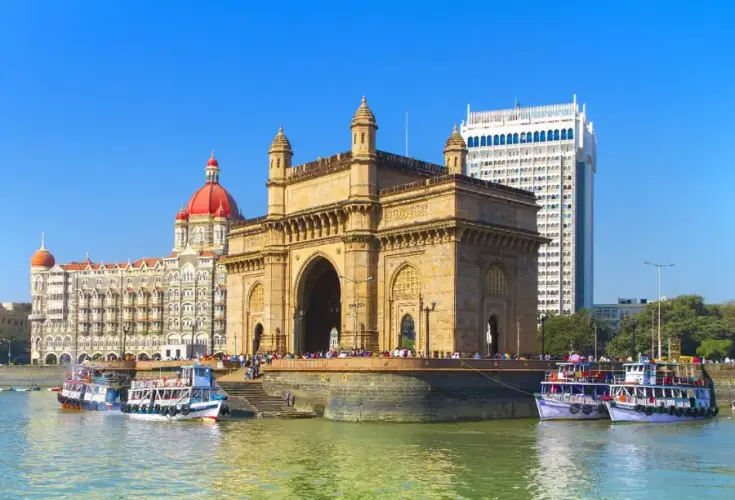
Meet the Mumbai representative on arrival and continue privately to your selected hotel. Take time to check in and rest before deciding whether to use the evening. If arrival is early enough, a short orientation through South Mumbai can introduce the city’s waterfront, civic architecture and dense commercial streets without turning the evening into a full sightseeing session.
Keep dinner at leisure. Mumbai is intentionally placed at the end because it prevents the journey from becoming an exclusively historical narrative. Tomorrow’s final day will look at how architecture, migration, commerce and daily urban life shape a very different India from the smaller towns of Central India.
Overnight: Mumbai
Begin in South Mumbai with a focused walk or drive through areas where colonial-era civic architecture, commercial buildings and contemporary urban activity exist side by side. Rather than attempting a broad city tour, concentrate on a few districts that illustrate how Mumbai developed as a port and trading center. Your guide can explain the relationship between architecture, rail, commerce and migration without overloading the morning with dates.
Continue through another neighborhood where the human scale of the city becomes more visible. Markets, older residential buildings, cafés, working streets and community institutions can offer a more nuanced impression than major monuments alone. Depending on time and interest, the program may include a museum or heritage building, but only if it adds something meaningful rather than simply filling the final morning.
Return to the hotel, check out and transfer privately to Mumbai International Airport for your onward journey. Across fifteen days, India Beyond the Familiar has moved through Awadhi Lucknow, medieval Khajuraho, riverside Orchha, the archaeology around Bhopal, the Narmada landscape of Maheshwar and finally Mumbai’s modern urban energy. The route is unconventional without being obscure, and varied without losing coherence.
Meals: Breakfast
Tour Ends: Mumbai
What the price includes
What it does not
Starting from
On request
per person · twin share
Get In Touch
No planning fee, no obligation. A curator replies within two hours - or call +91 97990 02277.
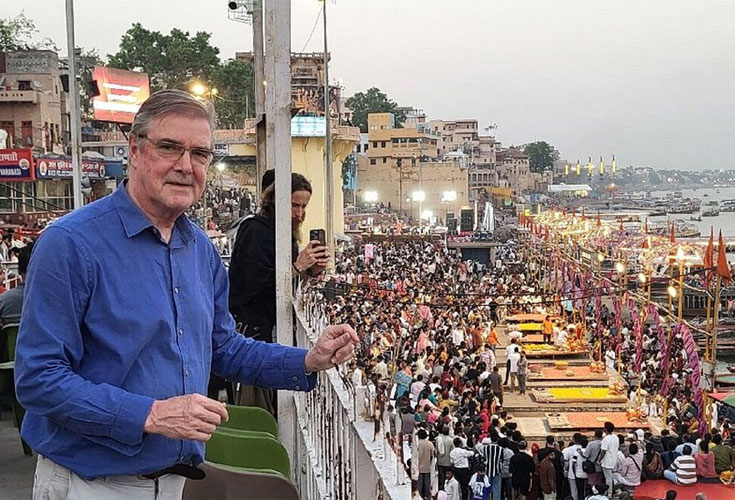 12 Nights / 13 Days
Route Delhi - Amritsar - Varanasi - Khajuraho - Orchha - Delhi
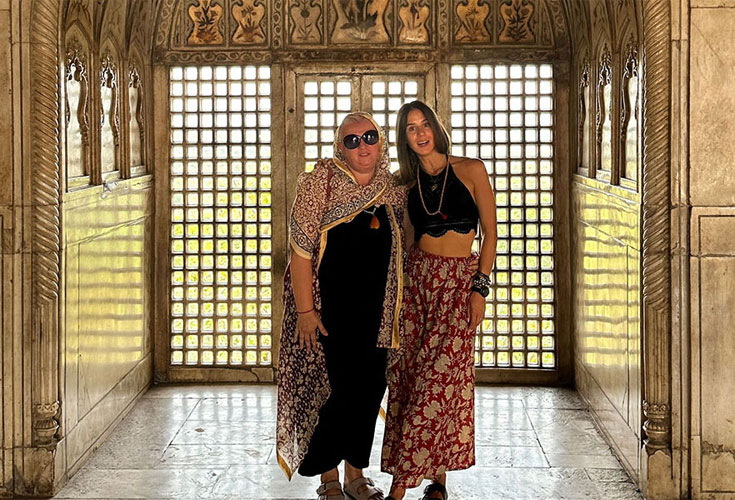 13 Nights / 14 Days
Route Delhi - Varanasi - Agra - Jaipur - Jodhpur - Udaipur
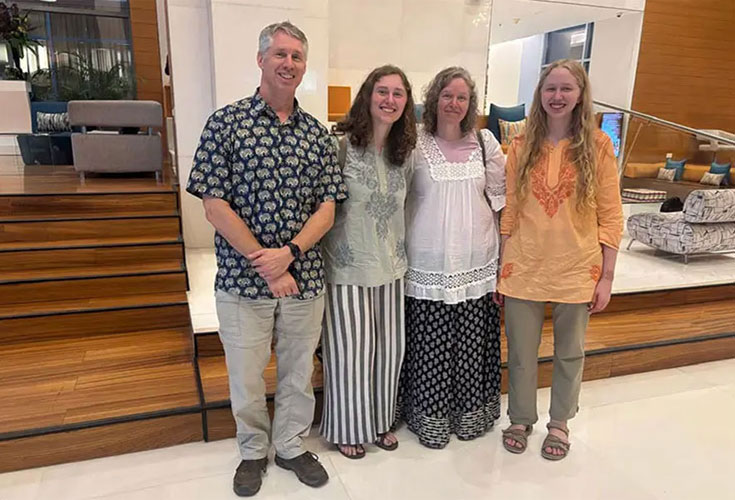 12 Nights / 13 Days
Route Delhi - Lucknow - Jaipur - Mumbai - Kochi
 11 Nights / 12 Days
Route Delhi - Agra - Jaipur - Ahmedabad - Udaipur
 11 Nights / 12 Days
Route Delhi - Jaipur - Jodhpur - Bhuj - Ahmedabad
Let Us Plan It
Send dates and interests. A written proposal follows within 48 hours.
Start the brief →Ready When You Are
Speak to a curator directly — +91 97990 02277.
WhatsApp A CuratorIndia & Beyond
Chauffeur-driven travel nationwide, by the day or the fortnight.
See the fleet →