
India Through the Lens is structured around the way photographers actually work: returning to interesting places, allowing for changing light, walking instead of constantly driving, and leaving enough time for observation before raising the camera. Delhi, Varanasi, Agra and Rajasthan provide the setting, but photography determines the rhythm.
Arrive at Delhi International Airport and meet the local representative after immigration, baggage collection and customs. Transfer privately to your selected hotel and receive assistance with check-in. No photography excursion is scheduled automatically on arrival because flight times, fatigue and available daylight differ considerably. Settle in, organize your equipment and allow yourself to arrive properly before beginning fieldwork. The evening remains entirely at leisure.
Delhi will introduce several visual themes that recur later in the journey: monumental architecture beside ordinary street life, strong geometry beside visual density, and historic surfaces within a contemporary city. Rather than trying to photograph all of these immediately, the next two days divide the capital into manageable sessions. This allows more time at each location and reduces unnecessary movement.
Use the evening to discuss your photographic interests with the guide if useful. Architecture, street photography, environmental portraiture, urban detail or broader documentary work may require slightly different pacing. The route can accommodate individual emphasis where access and timing permit. Any photography involving people should be approached respectfully, with permission requested whenever circumstances call for it.
Overnight: Delhi
Begin at Humayun’s Tomb, where formal garden planning and strong architectural symmetry provide a controlled introduction to photographing India. Work with gateways, arches, repeated forms, sandstone, marble and the relationship between the mausoleum and its surrounding garden. Instead of immediately searching for the familiar centered composition, move through the complex and consider frames created by doorways, trees and subsidiary structures. Your guide will provide historical context without dictating how photographs should be made.
Continue toward Old Delhi, where the visual environment changes completely. Narrow streets, layered facades, places of worship, shopfronts, carts and overhead infrastructure create a denser photographic field. Walk through selected areas with a guide who understands both the neighborhood and the practical requirements of photographers. The objective is not to turn everyday life into spectacle but to observe how people, commerce and architecture occupy limited urban space.
Keep the later afternoon flexible. Depending on energy, conditions and personal interests, return to the hotel or continue with a shorter session in another appropriate area. Avoid attempting to photograph continuously from morning until night simply because subjects are available. Editing attention in the field is as important as adding another location.
Overnight: Delhi
Begin at the Qutub complex, where vertical scale, carved stone, arches and architectural fragments create a different photographic vocabulary from yesterday’s Mughal garden. Work with the relationship between the Qutub Minar and surrounding structures rather than photographing the tower from only one familiar position. Details in stonework, inscriptions, columns and changing planes provide strong opportunities for tighter compositions. Morning conditions can also create useful differences between illuminated and shaded surfaces.
Later, move through selected areas of New Delhi to consider a much broader urban scale. Axial roads, government architecture, landscaped avenues and large civic spaces demonstrate how planning changes the visual experience of a city. Photography restrictions around government and security-sensitive buildings must be followed carefully. Your guide will advise where photography is appropriate and where cameras should remain put away.
Use the afternoon for an independent or lightly guided photographic session suited to your interests. This may involve revisiting an area from yesterday, concentrating on architectural details or simply reviewing work at the hotel. Repetition is encouraged when it serves a photographic purpose. Return in good time to prepare equipment for tomorrow’s journey to Varanasi.
Overnight: Delhi
Transfer privately to Delhi Airport after breakfast for the most suitable confirmed flight to Varanasi. Meet the local representative on arrival and continue to your hotel. Take time for lunch, check-in and a substantial rest period. The city rewards concentration, so the itinerary avoids moving directly from the airport into a demanding photographic walk.
Later, meet your local guide and approach the river through selected lanes leading toward the ghats. The transition is visually important: compressed streets suddenly open onto broad steps, water and sky. Spend the first session becoming familiar with the geography rather than trying to cover a long stretch of riverfront. Boats, architecture, changing water levels and everyday movement provide enough material for an introductory afternoon.
Remain near an appropriate ghat into the evening if conditions and local arrangements allow. Religious ceremonies may offer compelling visual scenes, but they should be photographed with awareness of worshippers and local restrictions. Do not obstruct participants or treat religious practice as a staged performance. Return to the hotel after the session and prepare for a very early start.
Overnight: Varanasi
Leave before sunrise and proceed to the Ganges for one of the journey’s most important photographic periods. Board an appropriate private boat, subject to river and weather conditions, and move slowly along selected sections of the riverfront. The changing angle of early light can reveal layers of steps, temples, houses, boats and people beginning their day. Allow scenes to develop instead of constantly changing position.
Continue on foot after the boat ride through selected ghats and connecting lanes. Photography here requires judgment. Public activity does not automatically mean every person or ritual should be photographed closely, and some areas require particular restraint. Follow the guide’s advice, respect requests not to photograph and avoid intrusive photography around cremation activity or moments of private religious observance.
Return to the hotel for breakfast and several hours of rest. Later in the afternoon, head back toward another section of the old city or riverfront to work under different light conditions. The evening session should complement the morning rather than reproduce it. Return to the hotel after dusk with time to review images and prepare for another early outing.
Overnight: Varanasi
Begin early again, but approach the city differently from yesterday. Instead of relying primarily on the river, spend more time walking through selected neighborhoods, markets and architectural areas with your guide. Doorways, painted surfaces, narrow passages, small shrines and the interaction between buildings and street activity provide opportunities for more intimate compositions. Work slowly enough to distinguish meaningful scenes from visual clutter.
Later, visit an appropriate craft or working environment if access has been arranged respectfully. Varanasi has long-standing textile traditions, and a suitable weaving-related visit can provide a very different photographic subject from the ghats. Photograph tools, hands, materials and workspace only with permission from the people involved. The visit should remain an encounter with actual work rather than a staged portrait session created solely for cameras.
Keep the afternoon open before an optional final riverfront session later in the day. By now, you may already know which environments deserve another attempt under different conditions. Returning to one location can be more productive than adding an entirely new one. Finish the evening at leisure and prepare for tomorrow’s transfer to Agra.
Overnight: Varanasi
After breakfast, begin the journey from Varanasi to Agra using the most practical confirmed flight, rail or combined transport arrangement available for your travel date. The day is intentionally lighter photographically because forcing a major shoot around a long transfer usually compromises both comfort and concentration. Local representatives will assist with station or airport procedures where required. Arrive in Agra and transfer to the hotel.
If timing and energy permit, undertake a short late-afternoon orientation from an appropriate viewpoint where the Taj Mahal and Yamuna landscape can be considered from a broader perspective. This is not intended to replace tomorrow’s principal visit. Instead, it provides an opportunity to understand the monument’s relationship with the river and surrounding city before entering the complex itself.
Return to the hotel early and organize equipment for tomorrow morning. Check current regulations regarding permitted photographic equipment before departure, as security rules and restrictions can change. Avoid carrying unnecessary items that may complicate entry procedures. The following morning is deliberately dedicated to the Taj Mahal rather than divided among several monuments.
Overnight: Agra
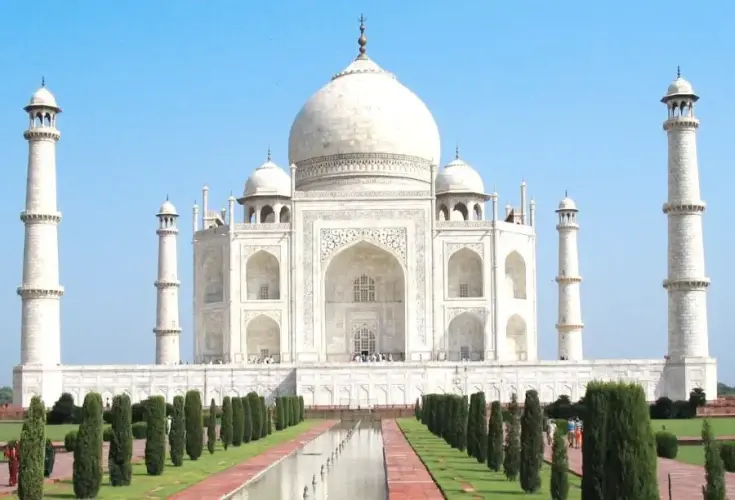
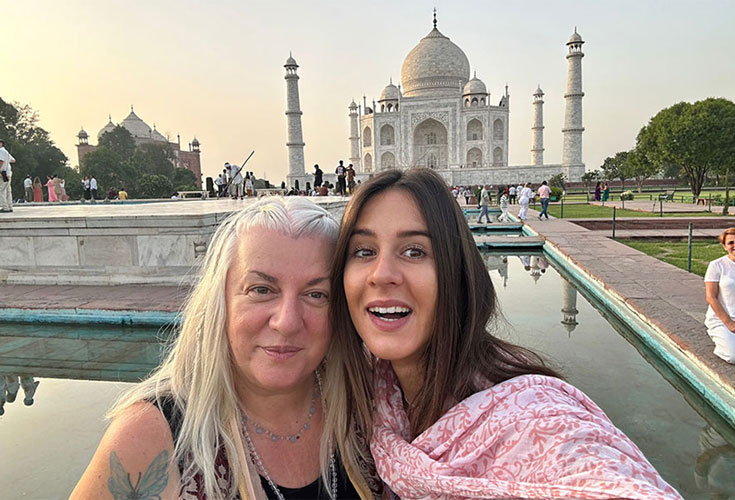
Enter the Taj Mahal early in the morning according to official opening procedures. Begin by observing how the main gateway controls the first view of the mausoleum, then work gradually through the formal garden rather than moving immediately to the marble platform. Symmetry is an obvious subject, but reflections, secondary buildings, human scale, architectural framing and changing angles can produce a more varied photographic study. Allow enough time to stop and wait for compositions to simplify naturally.
Move closer to concentrate on marble surfaces, inlay, calligraphy, screens and repeated architectural details where photography is permitted. Light behaves differently across the building as the morning develops, so there is value in revisiting certain viewpoints rather than constantly progressing forward. Respect all restrictions inside sensitive areas and follow instructions from site staff. The Taj Mahal is closed to general visitors on Fridays, so the itinerary sequence must be adjusted when necessary.
Return to the hotel for breakfast and check out before beginning the private road journey to Jaipur. Keep the transfer straightforward rather than adding several unrelated photographic stops simply to fill the day. Arrive in Jaipur, settle into the hotel and leave the evening free. Tomorrow introduces Rajasthan through fortified architecture, planned streets and working neighborhoods.
Overnight: Jaipur
Begin early at Amber Fort, where the combination of hillside architecture, defensive walls, courtyards and surrounding terrain provides a wide range of photographic possibilities. Rather than concentrating only on grand exterior views, work through gateways, passages, repeated arches and changes between open and enclosed spaces. Morning light can create strong contrasts across stone surfaces and courtyards. Your guide will help with orientation while allowing enough time to work independently on compositions.
Return toward Jaipur’s historic center and continue on foot through selected sections of the old city. The regular street plan produces a different visual environment from Varanasi’s compressed lanes. Shopfronts, arcades, painted facades, market activity and passing street life can be photographed at several scales. Pause around Hawa Mahal to study its facade within the context of the busy street rather than treating it only as an isolated architectural subject.
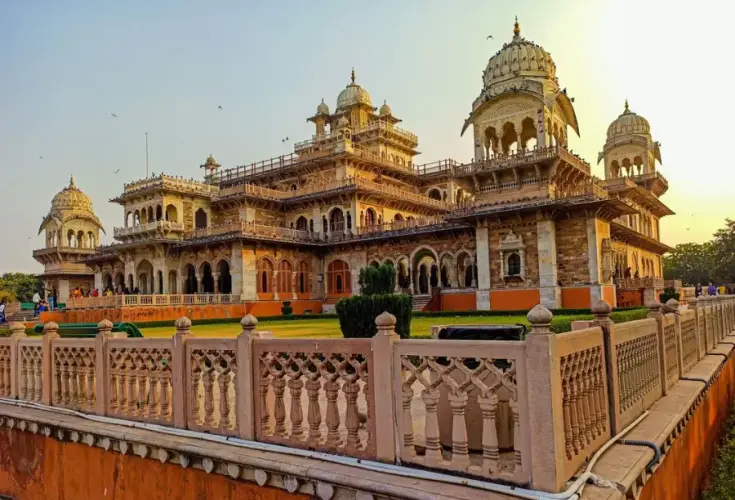
Keep the later afternoon flexible for City Palace and Jantar Mantar, depending on your photographic priorities and current access conditions. Jantar Mantar is particularly rewarding for photographers interested in geometry, shadow, scale and abstract form. Avoid trying to complete every monument simply because it appears on a standard Jaipur itinerary. Return to the hotel after the session and keep the evening free.
Overnight: Jaipur
Begin away from the major monuments with a visit to an appropriately arranged craft workshop or artisan environment. Jaipur’s block printing, painting, jewelry and other specialist trades can provide excellent subjects when visits are organized respectfully. Focus on tools, materials, working hands, surfaces and the sequence of making rather than asking people to perform repeatedly for the camera. Always seek permission before taking close portraits.
Continue into a selected market or commercial neighborhood where the photographic emphasis shifts toward everyday urban life. Look for relationships between people and place: shopkeepers within narrow storefronts, repeated objects, signs, architectural frames and moments of interaction. The guide’s role is particularly useful here, both for navigating the area and for helping communicate when you would like to photograph someone more deliberately. A respectful conversation often produces a stronger image than a hurried candid photograph.
Leave the afternoon partly unscheduled. You may return independently with the guide to a location that interested you yesterday, spend additional time on craft photography or simply review images at the hotel. A second attempt at a familiar location can be more productive than another sightseeing stop. Enjoy the final Jaipur evening at your own pace before traveling west tomorrow.
Overnight: Jaipur
Leave Jaipur after breakfast and travel privately to Jodhpur. The road journey provides several hours away from active photography and gives time to review the very different visual environments covered so far. Arrive at your selected hotel, check in and rest during the middle of the day. Avoid scheduling a major fort visit immediately after arrival. Jodhpur deserves its own morning light tomorrow.
Later, walk through selected sections of the old city with your local guide. Narrow streets, traditional houses, painted walls, doorways, small businesses and the immense presence of Mehrangarh above the city provide a layered setting. The familiar description of Jodhpur as the “Blue City” should not dictate every photograph. Shades, textures and architectural conditions vary considerably between neighborhoods.
Continue toward an appropriate elevated or open viewpoint as daylight softens, subject to local access and weather. Instead of searching for one predetermined postcard image, observe how Mehrangarh, rooftops and the surrounding urban fabric relate at different distances. Return to the hotel after the session. Keep dinner and the remainder of the evening free.
Overnight: Jodhpur
Begin at Mehrangarh Fort, allowing substantial time for both broad architectural views and smaller details. The fort’s elevated position provides opportunities to photograph Jodhpur as a complete urban landscape, while its gateways, courtyards, stone surfaces and interior spaces create more controlled compositions. Work with changes between shadow and bright exterior light rather than rushing through the complex. Photography rules inside individual areas should always be followed.
As you move through the fort, consider how scale changes from defensive architecture to more intimate palace spaces. Windows and screened openings can frame the city below, while carved stone and painted interiors reward tighter observation. Your guide can provide historical context without turning the photographic session into a conventional monument tour. Allow periods when you can work quietly without continuous commentary.
Return to the old city later in the afternoon for another walking session. Familiarity from yesterday should make it easier to concentrate on particular streets, architectural details or human interactions rather than constantly searching for something new. Ask permission for close portraits and avoid blocking narrow working spaces. Finish the day at an appropriate location for late-afternoon photography before returning to the hotel.
Overnight: Jodhpur
Leave Jodhpur after breakfast and travel privately toward Udaipur. The landscape gradually changes as the route moves toward the Aravalli region. If a relevant architectural or rural stop has been specifically confirmed in the final itinerary, it may be incorporated without turning the transfer into a sequence of staged photography opportunities. Otherwise, prioritize a comfortable journey and arrive in Udaipur with enough energy for the evening.
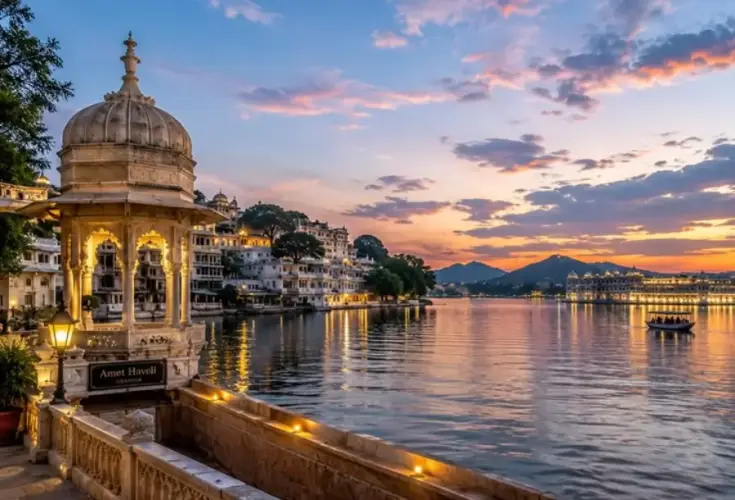
After check-in and a rest period, meet your guide for a first photographic walk around an appropriate section of the old city and Lake Pichola. Udaipur presents a softer visual rhythm than Jodhpur. Ghats, water, palace facades, boats, hills and closely built neighborhoods interact across changing distances. Spend time understanding those relationships before selecting a viewpoint.
Later, take a boat ride on Lake Pichola, subject to weather, water levels and operating conditions. From the water, work with broader compositions involving the City Palace, lakefront buildings and surrounding landscape. Moving boats require a different approach to framing than static architectural photography, so keep equipment manageable. Return to the hotel after the ride and enjoy the final evening of the journey at leisure.
Overnight: Udaipur
Begin early enough to photograph Udaipur before the busiest part of the day, concentrating on the lakefront and selected old-city streets. Reflections, changing light on buildings, boats and morning activity can provide a quieter final session than the dense environments encountered in Delhi or Varanasi. Revisit a viewpoint from yesterday if conditions suggest it is worthwhile. The objective is not to add one last famous location but to finish with time to observe.
Continue to City Palace when it opens, provided your departure schedule allows. Courtyards, gateways, windows, terraces and views across Lake Pichola offer opportunities to combine architectural detail with the surrounding landscape. The palace grew through successive additions, so its irregular sequence creates very different frames from the formal symmetry photographed at the Taj Mahal. Observe current photography restrictions in all interior sections.
Return to the hotel, check out and transfer privately to Udaipur Airport for your onward flight. Across fourteen days, the photographic language has moved from Delhi’s architectural contrasts to Varanasi’s riverfront, Agra’s controlled symmetry, Jaipur’s geometry, Jodhpur’s fortified urban landscape and Udaipur’s relationship with water. India Through the Lens ends without prescribing what the final collection should look like; the interpretation remains the photographer’s own.
Meals: Breakfast
Tour Ends: Udaipur
What the price includes
What it does not
Starting from
On request
per person · twin share
Get In Touch
No planning fee, no obligation. A curator replies within two hours - or call +91 97990 02277.
 14 Nights / 15 Days
Route Delhi - Lucknow - Khajuraho - Orchha - Bhopal - Maheshwar - Mumbai
 12 Nights / 13 Days
Route Delhi - Amritsar - Varanasi - Khajuraho - Orchha - Delhi
 12 Nights / 13 Days
Route Delhi - Lucknow - Jaipur - Mumbai - Kochi
 11 Nights / 12 Days
Route Delhi - Agra - Jaipur - Ahmedabad - Udaipur
 11 Nights / 12 Days
Route Delhi - Jaipur - Jodhpur - Bhuj - Ahmedabad
Let Us Plan It
Send dates and interests. A written proposal follows within 48 hours.
Start the brief →Ready When You Are
Speak to a curator directly — +91 97990 02277.
WhatsApp A CuratorIndia & Beyond
Chauffeur-driven travel nationwide, by the day or the fortnight.
See the fleet →