
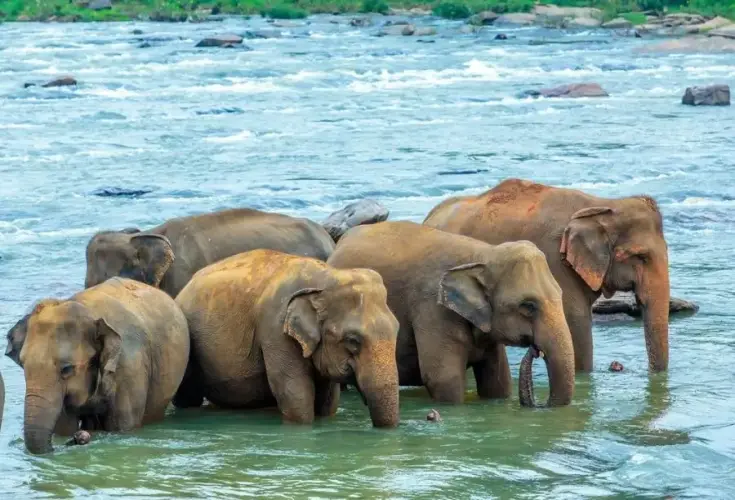
Some South India journeys are strongest when they move from structure to softness. Monumental temple architecture, historic coastal towns, plantation country, backwaters and the Arabian Sea all belong to the same region, yet they create completely different rhythms of travel. Southern India: Temples, Backwaters & Coast is designed around that progression, beginning with architecture and history before gradually opening into landscape, water and time at the coast.
Arrive at Chennai International Airport and complete the usual arrival formalities before meeting the local representative. Assistance will be provided with your private transfer to the hotel. No sightseeing is scheduled today because the journey ahead is long enough to justify a calm start. Check in, settle into your room and allow time to recover from the flight. The first day is intentionally uncomplicated.
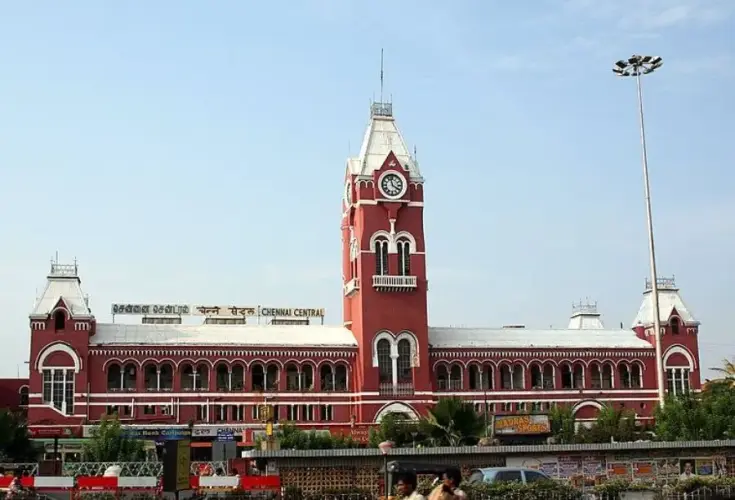
Chennai provides an important opening because it introduces Tamil Nadu through a living metropolitan center rather than through ancient architecture alone. Temple neighborhoods, civic buildings, cultural institutions and the long Bay of Bengal coastline all contribute to the city’s identity. This broader context makes the historical sites visited later easier to understand. The journey south will gradually move from urban culture into stone architecture, temple cities and then Kerala’s landscapes.
Spend the remainder of the day according to your arrival time and energy. An early arrival may allow a quiet walk or an independently chosen meal, while a late arrival is better followed by rest. There is no need to force activity into the schedule. Tomorrow begins with a fuller introduction to Chennai.
Overnight: Chennai
After breakfast, meet your private guide and begin in Mylapore, one of Chennai’s best places to understand how religious life and urban activity intersect. Visit the area around Kapaleeshwarar Temple and observe the relationship between the temple, surrounding shops, residential streets and local commerce. Your guide will introduce the basic vocabulary of South Indian temple architecture in a practical way. This becomes useful later in Madurai, where the scale is much greater.
Continue with a carefully selected cultural or historical visit elsewhere in the city. Depending on your interests, this may include an appropriate museum, heritage building or institution related to art, textiles or music. Chennai rewards selectivity because its attractions are spread across a large urban area. A few well-chosen stops will provide a clearer sense of place than an overfilled sightseeing day.
Keep the later afternoon relatively open. You may return to the hotel, visit a gallery, focus on regional cuisine or simply rest before tomorrow’s road journey. The evening can be used for an independently chosen dinner that introduces Tamil flavors in a comfortable setting. The day is designed to provide context without exhausting you at the beginning of the trip.
Overnight: Chennai
Leave Chennai after breakfast and travel south toward Mahabalipuram, also known as Mamallapuram. The road journey is relatively short, allowing the day to remain centered on the archaeological landscape. On arrival, check into the hotel or proceed directly to sightseeing depending on timing. The setting immediately feels more open and coastal than Chennai.
Begin with the monumental relief known as Arjuna’s Penance or the Descent of the Ganges. The enormous carved rock face contains an extraordinary collection of human, divine and animal figures. Your guide will explain the principal interpretations of the scene and the role of natural rock in Pallava artistic expression. Nearby cave temples add useful context to the development of stone architecture in the region.
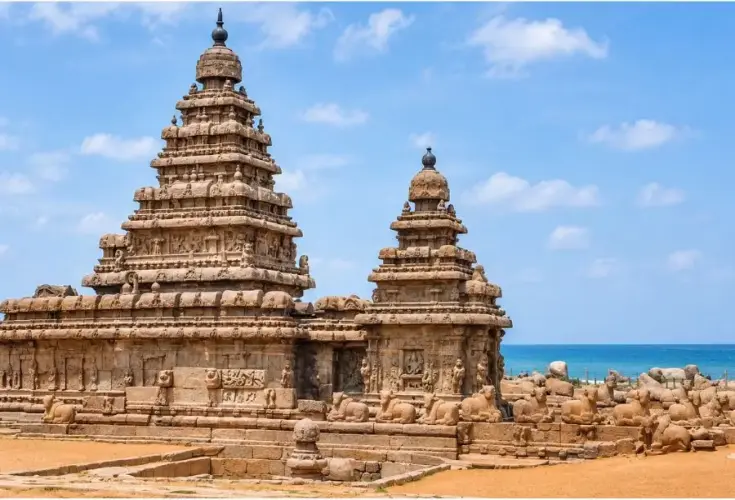
Continue to the Shore Temple, positioned close to the Bay of Bengal. Its weathered surfaces and compact form reveal a different architectural character from the later temple complexes seen farther south. Take time to observe the relationship between the building, enclosure and coastal setting rather than treating the visit as a quick photograph stop. Return to the hotel later in the day and keep the evening free.
Overnight: Mahabalipuram
Enjoy breakfast before continuing south toward Puducherry. The drive is comfortable and provides a gradual transition from archaeological monumentality to a more domestic and urban coastal environment. Smaller settlements and coastal landscapes replace the larger urban scale of Chennai. This gives the day a noticeably different rhythm.
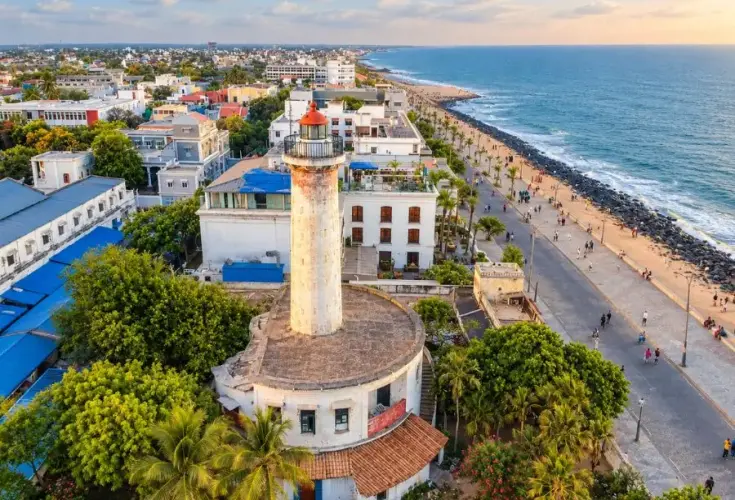
After checking into the hotel, begin a guided walk through selected parts of the historic center. Puducherry is known for its mix of Tamil residential architecture, former colonial buildings, courtyards, religious institutions and broad tree-lined streets. Your guide will explain how different quarters of the city evolved without reducing the destination to a single historical influence. The experience works best on foot and at an unhurried pace.
Continue toward the seafront before returning to the hotel. Depending on your interests, the afternoon can include architecture, local design, cafés or a carefully selected cultural institution. The town is especially suited to slower observation rather than formal sightseeing. Dinner remains at leisure, with the evening open for personal time.
Overnight: Puducherry
Begin the morning with a deeper look at the contrast between Puducherry’s better-known central streets and the Tamil residential quarters. House fronts, internal courtyards, shaded verandas and the relationship between private and public space provide insight into local domestic architecture. Your guide can point out how buildings respond to heat, light and family life. This makes the town more interesting than a simple collection of colonial-era façades.
Depending on your interests, continue with an appropriate cultural, craft or design-related visit. This may include textiles, handmade paper, visual art or another local practice, subject to current access and availability. The purpose is to add context rather than create a compulsory shopping experience. Any workshop or studio should be selected for its relevance to the region.
Keep the afternoon open. Spend time at the hotel, walk independently, sit at a café or return to the seafront. This slower day provides useful breathing room before the route turns inland toward Madurai. The itinerary deliberately allows certain destinations to be enjoyed without filling every hour.
Overnight: Puducherry
Leave Puducherry after breakfast and begin the longer journey south and inland toward Madurai. The route moves away from the coast into a landscape of agricultural areas, towns and temple communities. The day is primarily a travel day, but it also marks an important change in the cultural character of the itinerary. Comfort stops can be made whenever required.
Lunch can be taken independently at a suitable point during the journey. Depending on the final route, a short cultural stop may be included if it contributes meaningfully to the day and does not make the transfer unnecessarily long. The emphasis should remain on reaching Madurai comfortably. Too many en route additions would reduce the value of tomorrow’s temple visit.
Arrive in Madurai and check into your hotel. If time and energy permit, take a brief orientation drive around the historic center to understand how the city is organized around the Meenakshi temple complex. Otherwise, leave the evening entirely free. The major temple visit is reserved for tomorrow, when it can receive proper attention.
Overnight: Madurai
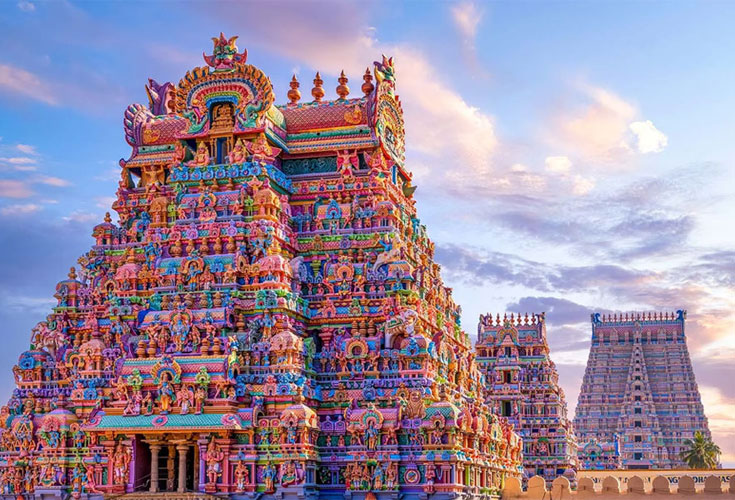
Begin the morning with a privately guided visit to the Meenakshi Amman Temple, one of South India’s great living temple complexes. Monumental gateway towers, interior courtyards, shrines and ceremonial spaces create an environment that is both architectural and intensely active. Your guide will explain the organization of the temple and the significance of its principal deities. Current dress, photography and access requirements will be respected throughout.
Move through the sections available to visitors at a measured pace. Painted ceilings, sculpted columns, processional routes and the movement of worshippers all contribute to the character of the complex. Unlike an archaeological monument, the temple functions continuously as a religious institution. Understanding that living dimension is essential to appreciating Madurai.
Continue afterward through selected streets and market areas around the temple. Flowers, textiles, food and religious commerce form part of the historic city’s daily rhythm. Depending on interest, the afternoon can include a palace-related site or another cultural visit. Return to the hotel later in the day and keep the evening flexible.
Overnight: Madurai
Begin the morning without an early departure. Use the first part of the day to look more closely at an aspect of Madurai that interests you, whether textiles, local food, neighborhood life or architecture beyond the main temple precinct. A specialist guide can shape the morning around your preferences. This allows the city to be experienced beyond its best-known monument.
A carefully chosen market or craft-focused visit can provide useful context, particularly if it highlights regional production rather than general shopping. Travelers interested in photography may prefer to spend more time in the historic streets. Others may choose a lighter program and return to the hotel before lunch. The itinerary leaves room for different travel styles.
Keep the afternoon mostly free. Rest, enjoy the hotel or prepare for tomorrow’s journey into the Western Ghats. This open period is important because the next stage changes the physical character of the trip completely. Madurai ends the principal Tamil Nadu section before the route moves into Kerala’s hill country.
Overnight: Madurai
After breakfast, leave Madurai with your private chauffeur and begin the journey west toward Thekkady. The road gradually rises from Tamil Nadu’s plains toward the Western Ghats, and the surroundings change noticeably as you gain elevation. Drier landscapes give way to thicker vegetation, hill roads and cultivated slopes. The transfer marks more than a state crossing; it introduces a completely different physical setting after the temple-focused days in Tamil Nadu. Stops can be made along the way whenever a break is useful.
Closer to Thekkady, the countryside becomes increasingly associated with spice cultivation, particularly pepper and cardamom. These crops have played an important role in Kerala’s commercial history and continue to shape parts of the regional landscape. If arrival timing is suitable, visit a carefully selected spice garden with a knowledgeable local host. The visit can introduce growing methods, seasonal cycles and the plants themselves without being structured around compulsory purchases. If the road journey runs later than expected, the experience can instead be scheduled tomorrow.
Arrive at your hotel and settle into the quieter hill environment. Choose a property that allows the surrounding vegetation and landscape to form part of the stay rather than using Thekkady simply as an overnight base. Spend the remainder of the afternoon walking within the property grounds where appropriate, resting or enjoying the cooler air. No additional sightseeing is necessary after the drive. Dinner is at leisure according to your confirmed hotel arrangement.
Overnight: Thekkady
Begin with an appropriately scheduled nature activity connected with the Periyar landscape, subject to park regulations, weather and availability at the time of travel. Depending on current arrangements, this could take the form of a naturalist-led walk, an approved boating activity or another authorized nature experience. Rather than approaching the morning solely as a search for large animals, spend time understanding the forest, vegetation and wider ecosystem. Birdlife and smaller details can be equally rewarding when observed with an experienced naturalist. Wildlife sightings cannot be guaranteed.
After returning from the morning activity, enjoy time at the hotel before continuing with a spice-focused experience if it was not completed yesterday. Seeing pepper vines, cardamom and other locally cultivated plants in their growing environment provides useful context for ingredients encountered throughout Kerala. A knowledgeable guide can also explain how geography, rainfall and altitude influence cultivation. This creates a direct connection between landscape, agriculture, regional cooking and the trading history encountered later in Kochi. Keep the visit informative rather than commercial.
Leave a generous portion of the afternoon free. You may remain at the hotel, arrange a spa treatment independently or spend time outdoors depending on weather. This quieter period is intentional because the journey is about to descend from the hills toward Kerala’s backwaters. Two nights in Thekkady allow the Western Ghats to register as a destination in their own right instead of merely a road between Madurai and Kumarakom. Enjoy dinner at your own pace.
Overnight: Thekkady
After breakfast, check out and begin the drive toward Kumarakom, descending gradually from the higher terrain of Thekkady. Plantation country gives way to warmer lowlands, denser tropical vegetation and an increasing presence of water. The scenery changes repeatedly during the journey, making the transfer an important part of the route rather than lost time between hotels. Your chauffeur will allow suitable comfort stops without turning the day into a series of roadside attractions. Lunch can be taken independently according to timing.
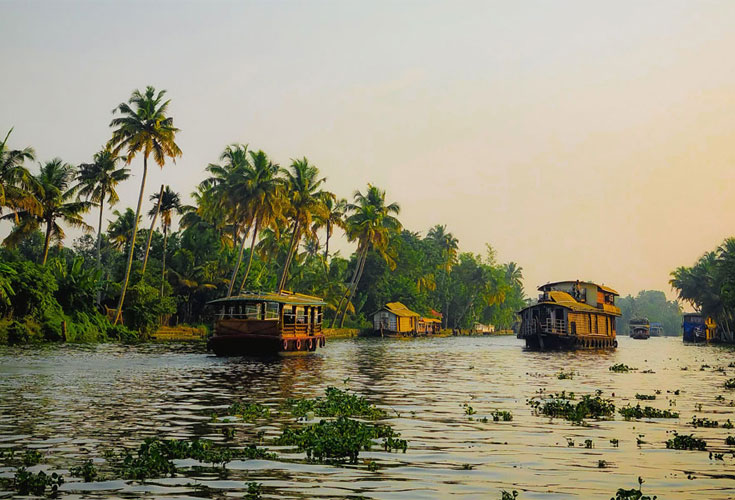
The landscape becomes particularly distinctive as you approach Vembanad Lake. Canals, coconut palms, low-lying agricultural land and waterside settlements begin to define the surroundings. Kerala’s backwaters are often described primarily in terms of boat journeys, but their significance is much broader. They form an inhabited environment where water has long influenced transportation, agriculture, fishing and settlement patterns. Seeing the region first from land provides useful context before tomorrow’s closer encounter with the waterways.
Check into a carefully selected waterfront property in Kumarakom and keep the remainder of the afternoon unscheduled. Spend time beside the lake, walk through the hotel grounds or simply watch boats and changing light from the property. A short hotel-operated activity may be considered if appropriate, but there is no need to begin cruising immediately. The purpose of staying here is partly to enjoy the setting without constantly being in transit. Dinner remains at leisure according to the booked meal plan.
Overnight: Kumarakom
Begin the morning at an easy pace before setting out for a more intimate look at the Kerala backwaters. Depending on the confirmed arrangements and local conditions, travel by canoe or another suitable smaller craft through selected waterways around Kumarakom. Narrower channels provide a different perspective from the larger lake, bringing you closer to waterside vegetation, homes, local jetties and cultivated areas. A local guide can explain how communities have adapted to a landscape where water is part of everyday movement. The experience should remain observational and respectful.
As you move through the waterways, notice the practical relationship between land and water rather than looking only for picturesque scenes. Fishing activity, small boats, agricultural work and homes positioned close to the canals reveal how the backwater environment functions. Photography should be handled sensitively, particularly around private residences and people at work. The morning is deliberately small in scale and does not depend on staged village encounters. Its value comes from seeing details that are easily missed on a larger cruise.
Return to the waterfront hotel around midday and preserve the afternoon for yourself. Enjoy lunch, use the pool, arrange an independently booked wellness treatment or find a quiet place overlooking the lake. Travelers who prefer additional birding or boating can discuss suitable options locally, but nothing further is compulsory. After the architectural intensity of Tamil Nadu and the forested hills around Thekkady, Kumarakom provides a deliberate reduction in pace. Enjoy another quiet evening beside Vembanad Lake.
Overnight: Kumarakom
Leave Kumarakom after breakfast and travel privately toward Kochi. The relatively manageable drive shifts the journey from inland waterways toward a city whose history is closely connected with the Arabian Sea and international commerce. Check into your hotel on arrival and allow time for lunch or a short break before meeting your private guide. A property in or conveniently connected with the historic districts can reduce unnecessary driving. The afternoon then begins on foot wherever practical.
Explore selected areas of Fort Kochi and Mattancherry, looking at the city through its maritime history rather than as a checklist of colonial landmarks. Merchants and communities with connections across the Indian Ocean contributed to Kochi long before later European involvement added another architectural layer. Historic residences, commercial buildings, places of worship and old trading streets reveal this complicated development. Your guide can place individual buildings within that wider story while adapting the visit to current opening arrangements. Walking between sites also makes the scale of the old neighborhoods easier to understand.
Spend the later afternoon around the waterfront and historic streets before returning to your hotel. If you are interested in Kerala’s performing arts, an appropriate cultural presentation can be arranged separately for the evening, subject to schedule and availability. Alternatively, use the evening to focus on Kochi’s food, with seafood and regional Kerala cooking providing a natural continuation of the day’s maritime theme. There is no compulsory evening program. The city remains your base for a second night, so tomorrow can be considerably more flexible.
Overnight: Kochi
With the principal historical context established yesterday, today can be shaped around the side of Kochi that interests you most. Architecture-focused travelers may continue through lesser-visited streets and buildings, while those interested in contemporary culture can spend time with galleries, design spaces or an appropriate art institution. Food enthusiasts can use part of the morning to understand local ingredients and culinary influences. Your guide can tailor the program rather than repeating a standard circuit. This gives the second Kochi day a distinctly different purpose from the first.
Where suitable, include a market, specialist shop or studio connected with a genuine regional tradition, but avoid filling the morning with retail stops. Kochi’s importance comes from the interaction of many communities and periods, and its contemporary identity deserves attention alongside its historic buildings. Time spent sitting in a café, walking a familiar street again or discussing the city with a knowledgeable guide can sometimes reveal more than adding another formal attraction. The program should therefore remain selective. Return to the hotel around midday or continue independently.
Keep the later afternoon largely free before leaving for the coast tomorrow. You may enjoy the hotel, browse independently, arrange a spa appointment or spend more time in Fort Kochi without a fixed route. This unscheduled period also provides useful flexibility if a heritage site was closed yesterday or weather affected the program. Enjoy your final evening in the city at a restaurant of your choice or at the hotel. Tomorrow the itinerary enters its quietest phase.
Overnight: Kochi
Enjoy breakfast before leaving Kochi and traveling south toward Marari. The drive is comparatively short, allowing the final coastal stay to begin without consuming most of the day in transit. After nearly two weeks of temples, cities, hills and backwaters, the purpose now changes deliberately. Marari is not included because another sightseeing list is required; it is included because a long private journey benefits from time when very little is required of you. Arrive at your coastal property and check in according to hotel timing.
Spend the afternoon entirely at your own pace. Walk beside the Arabian Sea where weather and local conditions are suitable, swim at the hotel, read in the gardens or arrange a spa treatment independently. Travelers interested in local life may take a gentle walk in the surrounding area if an appropriate route is available, but this remains optional. There is no scheduled monument, museum or long vehicle excursion. The absence of a formal program is part of the design.
As the day cools, return to the beach or simply remain at the property for the evening. Dinner can focus on coastal Kerala cooking if available, particularly seafood and locally sourced ingredients suited to your preferences. After the densely built historic centers of Madurai and Kochi, the open coastal environment creates a very different final impression of South India. Keep the evening quiet and allow the journey to end gradually rather than abruptly. Tomorrow’s departure schedule will be arranged around your onward flight.
Overnight: Marari
Begin the final morning without a sightseeing appointment. Enjoy breakfast and use the remaining time at the property according to your departure schedule, whether that means a beach walk, a relaxed morning by the pool or simply a later start. Check-out and airport transfer timing will be coordinated with the confirmed flight and realistic road conditions. A private vehicle will take you toward Cochin International Airport or another agreed departure point. Adequate connection time should always take priority over adding a final activity.
Across sixteen days, the itinerary has moved from Tamil Nadu’s architectural traditions toward increasingly open landscapes. Chennai provided the contemporary urban introduction, Mahabalipuram brought Pallava stonework into focus, Puducherry added a distinctive coastal townscape and Madurai placed you inside one of southern India’s great living temple cities. Crossing the Western Ghats changed the emphasis toward forest and spice cultivation before Kumarakom introduced a region organized around water. Kochi then connected Kerala to centuries of maritime exchange, while Marari completed the route beside the Arabian Sea.
At the appropriate time, continue to the airport for your onward flight. Travelers extending their time in India can connect with another destination according to their broader plans, while those returning home conclude their private arrangements here. The 16-day Southern India: Temples, Backwaters & Coast tour is designed to finish with space rather than another demanding day of sightseeing. Private departure assistance will be provided according to the services confirmed in the final itinerary.
Meals: Breakfast
Tour Ends: Kochi
What the price includes
What it does not
Starting from
On request
per person · twin share
Get In Touch
No planning fee, no obligation. A curator replies within two hours - or call +91 97990 02277.
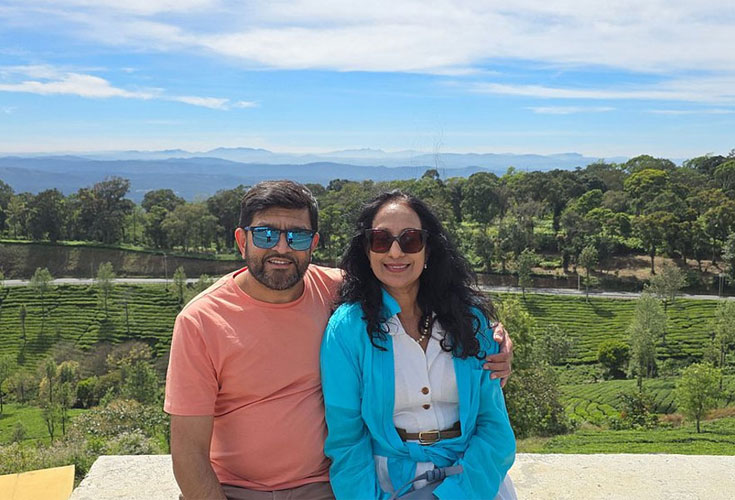 17 Nights / 18 Days
Route Chennai - Mahabalipuram - Puducherry - Thanjavur - Madurai - Thekkady - Kumarakom - Kochi - Munnar
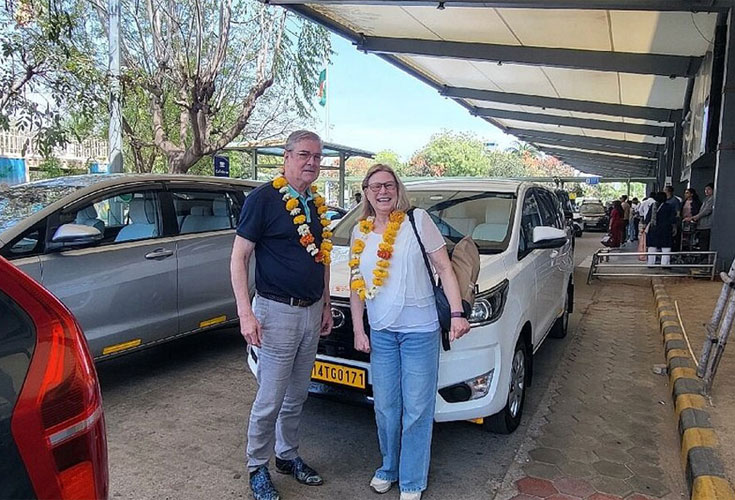 9 Nights / 10 Days
Route Bengaluru - Mysuru - Chikmagalur - Hampi - Bengaluru
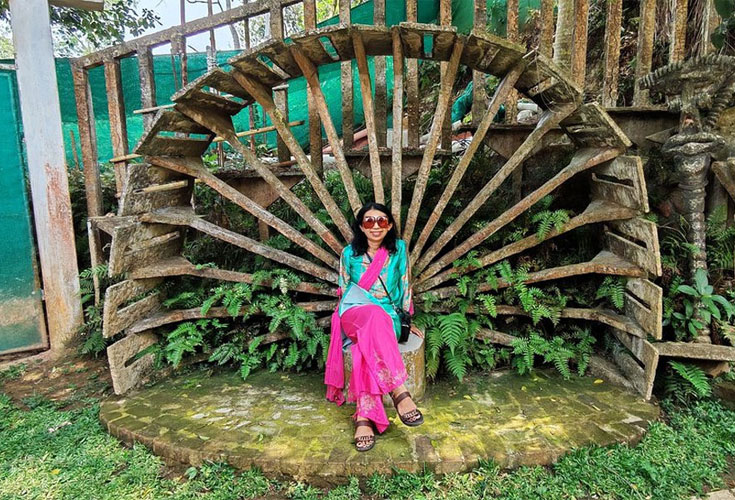 13 Nights / 14 Days
Route Chennai - Mahabalipuram - Puducherry - Thanjavur - Madurai - Thekkady - Kumarakom - Kochi
 11 Nights / 12 Days
Route Chennai - Mahabalipuram - Puducherry - Thanjavur - Madurai
 09 Nights / 10 Days
Route Kochi - Munnar - Kumarakom - Alleppey - Marari
Let Us Plan It
Send dates and interests. A written proposal follows within 48 hours.
Start the brief →Ready When You Are
Speak to a curator directly — +91 97990 02277.
WhatsApp A CuratorIndia & Beyond
Chauffeur-driven travel nationwide, by the day or the fortnight.
See the fleet →