
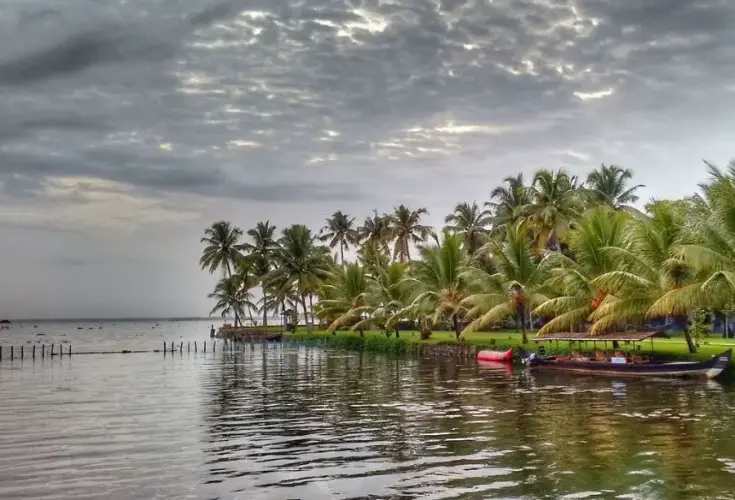
South India changes character gradually rather than abruptly. Temple towns give way to coastal settlements, fertile plains rise toward the Western Ghats, and the journey eventually descends into the waterways and maritime neighborhoods of Kerala. That progression is the central idea behind The Best of Kerala & Tamil Nadu, a private route that connects two very different southern states without rushing through either one.
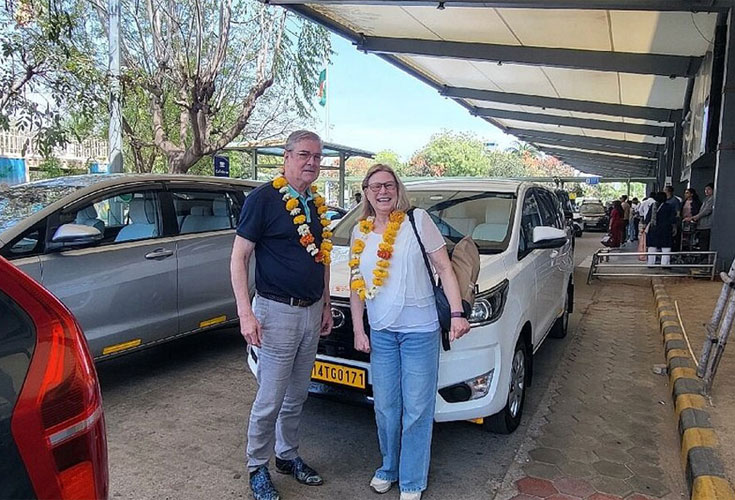
Arrive at Chennai International Airport and complete immigration, customs and baggage formalities before meeting the local representative. Assistance will be provided with your private transfer to the hotel. No formal sightseeing is scheduled on arrival day because flight timings vary and the journey ahead is best started after proper rest. Check in, settle into your room and take time to adjust to the climate and time zone. The day is intentionally unstructured.
Chennai provides a useful starting point because it introduces Tamil Nadu through a contemporary regional capital rather than beginning immediately with ancient monuments. The city combines religious neighborhoods, cultural institutions, colonial-era architecture and a long relationship with the Bay of Bengal. These elements offer important context before the itinerary moves south toward Mahabalipuram and the major temple centers beyond. The contrasts that define the trip begin here.
Spend the rest of the day according to your arrival time. An early arrival may allow a gentle walk or an independently arranged meal focused on Tamil cuisine, while a late arrival is better followed by dinner and rest. There is no need to add sightseeing simply to fill the day. Tomorrow begins the cultural introduction to Chennai in a more considered way.
Overnight: Chennai
After breakfast, meet your private guide and begin in Mylapore, one of Chennai’s historically significant neighborhoods. Visit the area around Kapaleeshwarar Temple, where religious architecture remains closely integrated with markets, residential streets and daily worship. Your guide will explain the basic structure of a South Indian temple complex so that later visits in Thanjavur and Madurai have stronger context. The focus is on understanding how the temple functions within the city rather than treating it as a stand-alone attraction.
Continue through selected areas of Chennai that reveal another layer of the city’s history. Depending on interests and current opening arrangements, this may include an appropriate museum, colonial-era civic architecture or a cultural institution connected with South Indian art. The city’s importance lies partly in these overlapping histories, from temple neighborhoods to later administrative and commercial districts. Your guide can adjust the emphasis toward architecture, textiles, music or visual culture.
Keep the later afternoon light. Return to the hotel or use the time for a carefully selected additional activity such as a gallery visit, a specialist food experience or another cultural stop. Chennai is also an excellent place to begin understanding the regional cuisine before the route moves farther south. Dinner remains at leisure, allowing the evening to unfold at your preferred pace.
Overnight: Chennai
Leave Chennai after breakfast and travel south toward Mahabalipuram, also known as Mamallapuram. The drive is relatively short, which allows the day to remain focused on the archaeological landscape rather than transportation. On arrival, either check into the hotel first or begin sightseeing immediately according to timing. The town provides a valuable introduction to early South Indian stone architecture.
Begin with the monumental relief commonly known as Arjuna’s Penance or the Descent of the Ganges. Its vast carved surface brings together divine, human and animal figures in a composition that rewards careful observation. Your guide will explain the different interpretations of the scene and the artistic sophistication of the Pallava period. Nearby rock-cut caves provide additional context for the experimentation in stone that shaped later structural temple architecture.
Continue to the Shore Temple, whose position close to the Bay of Bengal gives it one of the most distinctive settings in South India. The weathered surfaces and compact composition reveal a different architectural language from the huge temple complexes seen later in the journey. Take time to understand the relationship between sculpture, enclosure and coastal setting. Return to the hotel after sightseeing and keep the evening free.
Overnight: Mahabalipuram
Enjoy breakfast before leaving Mahabalipuram and continuing south toward Puducherry. The road journey is manageable and allows a relaxed arrival. As the route continues along the coast, the urban intensity of Chennai is replaced by smaller settlements and a more measured rhythm. This makes the day feel like a genuine transition rather than simply another transfer.
Check into your hotel and begin a guided walk through selected streets of the historic quarter. Puducherry’s built environment reflects both Tamil and European influences, with tree-lined streets, courtyard houses, religious buildings and former colonial residences creating a distinctive urban character. Your guide will explain how different parts of the town developed and how the street plan shaped residential and commercial life. The experience is best approached slowly on foot.
Continue toward the seafront before returning to the hotel. Depending on your interests, time can be spent with architecture, local design, cafés or a selected cultural institution. The town works particularly well as a lighter stop between archaeological Mahabalipuram and the temple cities farther inland. Dinner is at leisure, with the option to choose Tamil, coastal or Franco-Tamil influences according to preference.
Overnight: Puducherry
Leave Kumarakom after breakfast and travel privately toward Kochi. The relatively short road journey brings the itinerary back toward Kerala’s coast and one of its most historically important port cities. On arrival, check into your hotel and take some time to settle before beginning the final cultural chapter of the trip. Kochi works particularly well as an ending because it reconnects architecture, trade and coastal history in a very different setting from Chennai.
Later, begin a guided walk through Fort Kochi and selected parts of Mattancherry. Old residential streets, commercial buildings, places of worship and waterfront areas reflect centuries of contact between Indian communities and traders from across the Arabian Sea and beyond. Your guide will explain how local rulers, merchants and later European powers shaped different parts of the city. The result is a layered urban landscape rather than a single historical style.
Continue through selected heritage areas at an easy pace before returning to the hotel. Depending on timing and interest, an evening cultural performance or regional dinner can be arranged separately. The final night is intentionally urban and lively after several slower days in the hills and backwaters. It provides a strong closing contrast before departure tomorrow.
Overnight: Kochi
After breakfast, leave the coast and begin the journey inland toward Thanjavur. The road moves through increasingly fertile landscapes associated with the Kaveri region, historically one of the great centers of settlement and temple patronage in South India. The transition from coastal town to agricultural interior is an important part of the day. Comfort stops can be made as needed without overloading the route with unnecessary attractions.
Depending on the final schedule, a carefully selected temple or cultural stop can be included en route if it adds genuine architectural context. The emphasis should remain on arriving in Thanjavur with enough time and energy to appreciate the city properly. A long list of temples would reduce rather than deepen the experience. Lunch can be taken independently at a suitable point during the journey.
Check into your hotel on arrival and keep the evening relatively quiet. If timing permits, take a short orientation drive through the city with your guide. The major Brihadisvara Temple visit is reserved for tomorrow morning so it can be seen properly rather than squeezed into the end of a road day. Dinner is at leisure.
Overnight: Thanjavur
Begin the morning at Brihadisvara Temple, one of the defining achievements of Chola architecture. The complex is impressive not simply because of its scale, but because of the precision of its proportions, monumental tower and carefully ordered enclosures. Your guide will explain how temple building was connected with royal authority, religious patronage and artistic production. The site is best understood as both architecture and an active sacred space.
Move through the temple complex at a measured pace, observing sculptural details, inscriptions, secondary shrines and the spatial relationship between the different structures. The temple remains a living place of worship, so current ritual activity and visitor access should be respected at all times. This is especially important because the experience is not purely archaeological. The coexistence of heritage and contemporary religious practice gives the site much of its significance.
Later, continue with an appropriate museum, palace-related site or art-focused visit in Thanjavur according to current opening arrangements. The city is also associated with distinctive painting traditions and bronze work, which can be introduced through a specialist or workshop where suitable. Return to the hotel during the afternoon and leave time for rest. The day is intentionally centered on one major temple rather than an exhausting sequence of monuments.
Overnight: Thanjavur
After breakfast, check out and begin the private journey toward Madurai. The road leads south through a different part of Tamil Nadu, gradually leaving the Kaveri region behind. Agricultural landscapes, small towns and roadside shrines provide a sense of continuity between the major cities. The journey is comfortable when paced with appropriate stops.
Arrive in Madurai and check into your hotel before lunch or a short rest. The city is very different from Thanjavur because the temple complex sits within a dense and intensely active urban environment. Streets, shops, flower sellers and temple-related commerce all converge around the historic center. This relationship between sacred architecture and everyday city life is one of Madurai’s defining characteristics.
Later, take an introductory walk or drive around the historic district without attempting the full temple visit. The purpose is simply to understand the city’s layout and atmosphere before tomorrow’s detailed exploration. Return to the hotel before evening or continue with a suitable short cultural visit if energy allows. Dinner remains at leisure.
Overnight: Madurai
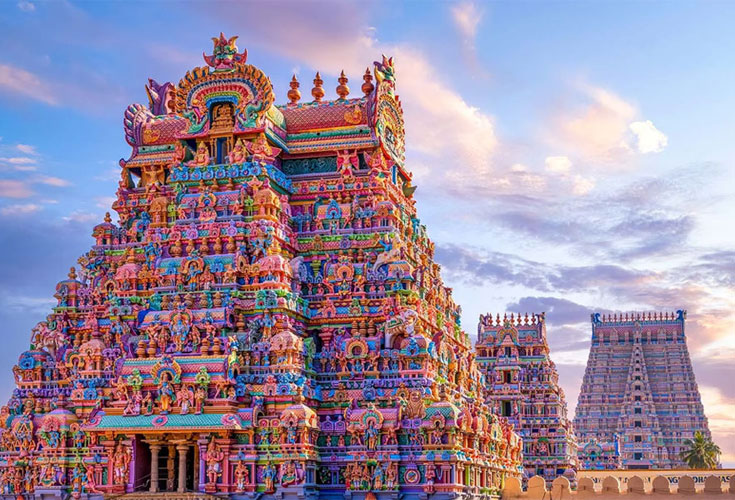
After breakfast, begin a privately guided visit to the Meenakshi Amman Temple, the architectural and spiritual center of Madurai. The complex is defined by monumental gateway towers, enclosed courtyards, shrines and ceremonial spaces developed over centuries. Your guide will explain the basic organization of the temple and the relationship between architecture and ritual movement. Areas restricted to worshippers will be respected in accordance with current rules.
Move through the sections accessible to visitors and pay attention to painted ceilings, sculpted columns, processional spaces and the extraordinary visual density of the architecture. Unlike a museum or abandoned monument, the temple remains deeply active throughout the day. This living function is central to understanding Madurai and should shape the pace of the visit. Dress, photography and access requirements must follow the rules in place at the time.
Continue afterward through selected streets and market areas around the temple. Depending on your interests, the afternoon may include a palace-related site, textile visit or another cultural stop that broadens the day beyond temple architecture. Return to the hotel later in the afternoon for rest. If an appropriate evening temple experience is available and of interest, it can be considered in the confirmed itinerary.
Overnight: Madurai
Leave Madurai after breakfast and begin the private drive toward Thekkady, gradually moving away from Tamil Nadu’s temple plains toward the higher terrain of the Western Ghats. The road becomes more scenic as cultivated land, forested slopes and smaller settlements replace the denser urban landscape. This change in geography is one of the strongest transitions in the itinerary. Comfort stops can be made whenever needed so the journey remains relaxed.
As you approach Thekkady, spice cultivation becomes increasingly visible in the surrounding countryside. Pepper, cardamom and other crops have long been associated with this part of South India, and the landscape reflects a close relationship between forest, agriculture and trade. Depending on arrival time and the final program, a guided visit to an appropriate spice garden can be arranged. The objective is to understand cultivation and regional produce rather than turn the visit into a retail stop.
Check into your hillside or nature-oriented hotel and keep the rest of the day unhurried. Enjoy the cooler air, walk within the property grounds where appropriate or simply rest after the road journey. The shift from Madurai’s urban religious intensity to the greener surroundings of Thekkady should feel deliberate rather than rushed. Dinner is at leisure according to the confirmed hotel plan.
Overnight: Thekkady
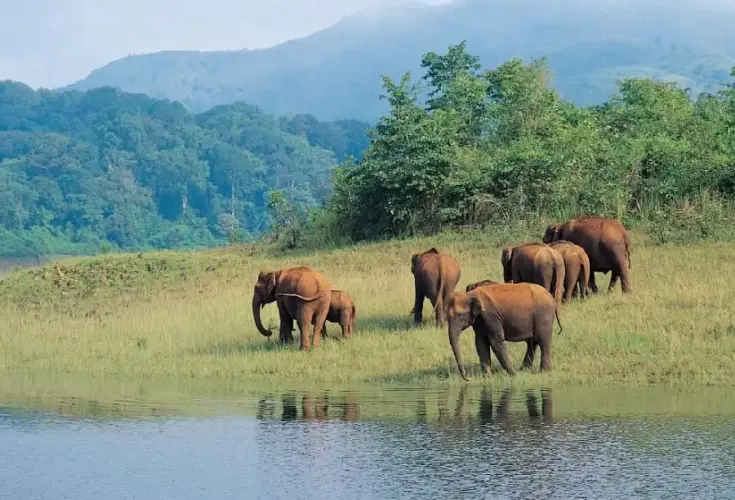
Begin the day with an activity suited to the forested environment around Periyar, based on current local regulations, weather and availability. This may include a guided nature walk, an approved boat experience or another park-related activity that provides context for the region’s ecology. Wildlife sightings can never be guaranteed, and the value of the experience should come from understanding the landscape itself. A knowledgeable naturalist can help interpret vegetation, birdlife, tracks and the broader forest environment.
After the morning activity, return to the hotel for breakfast or lunch depending on timing. Later, an appropriate spice-focused visit can provide a different perspective on the region. The hills around Thekkady are closely associated with cardamom, pepper and other crops, and seeing how these are cultivated helps connect the landscape with Kerala’s long trading history. Keep the experience informative and selective rather than filling the afternoon with multiple plantations.
Leave the later part of the day open. Enjoy the hotel, arrange an independently booked wellness treatment or spend time outdoors if weather permits. The purpose of staying two nights is to avoid reducing Thekkady to a quick transfer stop between Madurai and the backwaters. A slower day allows the surrounding hills and plantation country to become a meaningful part of the journey.
Overnight: Thekkady
After breakfast, check out and begin the descent toward Kumarakom. The road gradually leaves the higher elevations of Thekkady and moves into Kerala’s warmer, greener lowlands. As the landscape changes, plantation slopes give way to denser tropical vegetation, agricultural areas and increasingly frequent waterways. The drive itself helps explain how compact but varied Kerala can be.
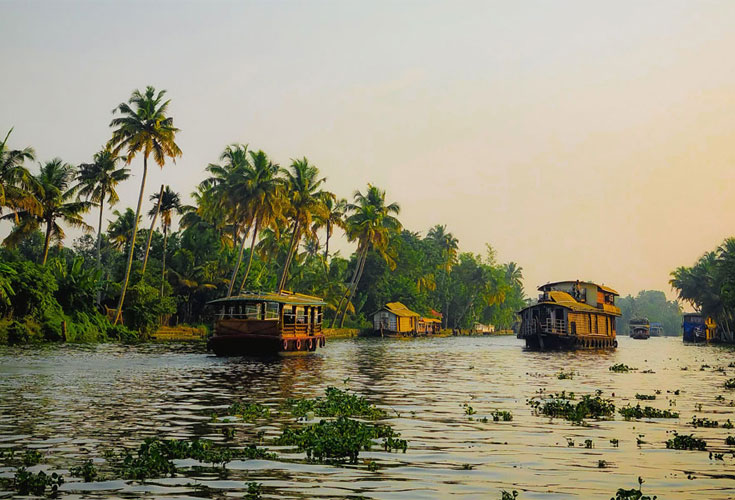
Approaching Kumarakom, the influence of Vembanad Lake becomes increasingly apparent. Water, low-lying land, canals and coconut-lined surroundings create a completely different visual rhythm from the hills. The backwaters should be understood as an inhabited landscape rather than a single attraction. Fishing, farming, local transport and residential life all continue around the waterways.
Arrive at your waterfront hotel and settle in for a two-night stay. Keep the later afternoon free so you can enjoy the property and lake setting without immediately adding another scheduled activity. If the hotel offers a suitable short cruise or nature experience, it can be considered subject to the final program. Otherwise, the day is best left quiet before tomorrow’s fuller introduction to the backwaters.
Overnight: Kumarakom
Enjoy breakfast overlooking the lake before beginning a relaxed morning around Kumarakom. Depending on your interests, the day may include a guided canoe journey, a village-oriented backwater experience or time focused on birdlife and wetland ecology. Smaller waterways can reveal details that are difficult to appreciate from larger boats, including homes, local jetties, narrow canals and waterside cultivation. The activity should be selected according to season and local conditions.
A knowledgeable local guide can provide useful context on how communities have adapted to a landscape where water is central to transport and daily life. Photography should remain respectful, especially near homes and working areas. The experience works best when it feels observational rather than staged. This is one of the places on the itinerary where slowing down adds more value than trying to cover a long list of attractions.
Return to the hotel around midday and keep the rest of the afternoon at leisure. Spend time by the water, use the pool, enjoy the gardens or arrange a spa treatment independently. The slower schedule gives you space to absorb the contrast between Tamil Nadu’s temple cities and Kerala’s aquatic landscapes. Dinner is at leisure according to the confirmed meal arrangement.
Overnight: Kumarakom
Enjoy breakfast and use the morning according to your flight schedule. If time permits, visit selected heritage sites not covered the previous day, such as an appropriate church, palace-related museum or historic neighborhood. The exact program should remain flexible because departure timing is more important than forcing in one final attraction. A short cultural stop can be valuable, but only if it fits naturally.
The route has connected two very different parts of South India through a continuous overland journey. Tamil Nadu contributed monumental temple architecture, dense historic cities and long traditions of religious and artistic patronage. The Western Ghats then changed the physical character of the trip before Kerala introduced spice-growing country, lake landscapes and a maritime city shaped by international trade. The strength of the itinerary lies in those regional contrasts.
At the appropriate time, transfer privately to Cochin International Airport for your onward flight. Travelers continuing elsewhere in India can connect from Kochi according to their wider itinerary. The 14-day Best of Kerala & Tamil Nadu private tour concludes here after a journey built around architecture, landscape, regional culture and a deliberate east-to-west progression across South India.
Meals: Breakfast
Tour Ends: Kochi
What the price includes
What it does not
Starting from
On request
per person · twin share
Get In Touch
No planning fee, no obligation. A curator replies within two hours - or call +91 97990 02277.
 16 Nights / 17 Days
Route Chennai - Mahabalipuram - Puducherry - Madurai - Thekkady - Kumarakom - Kochi - Marari
 17 Nights / 18 Days
Route Chennai - Mahabalipuram - Puducherry - Thanjavur - Madurai - Thekkady - Kumarakom - Kochi - Munnar
 9 Nights / 10 Days
Route Bengaluru - Mysuru - Chikmagalur - Hampi - Bengaluru
 11 Nights / 12 Days
Route Chennai - Mahabalipuram - Puducherry - Thanjavur - Madurai
 09 Nights / 10 Days
Route Kochi - Munnar - Kumarakom - Alleppey - Marari
Let Us Plan It
Send dates and interests. A written proposal follows within 48 hours.
Start the brief →Ready When You Are
Speak to a curator directly — +91 97990 02277.
WhatsApp A CuratorIndia & Beyond
Chauffeur-driven travel nationwide, by the day or the fortnight.
See the fleet →