
Best Luxury Rajasthan Tour Itineraries for 7, 10 & 14 Days
Not the usual “October to March” answer. What each month actually looks like in Rajasthan, Kerala, the Himalayan foothills and the tiger parks - including the two months we quietly steer people away from.
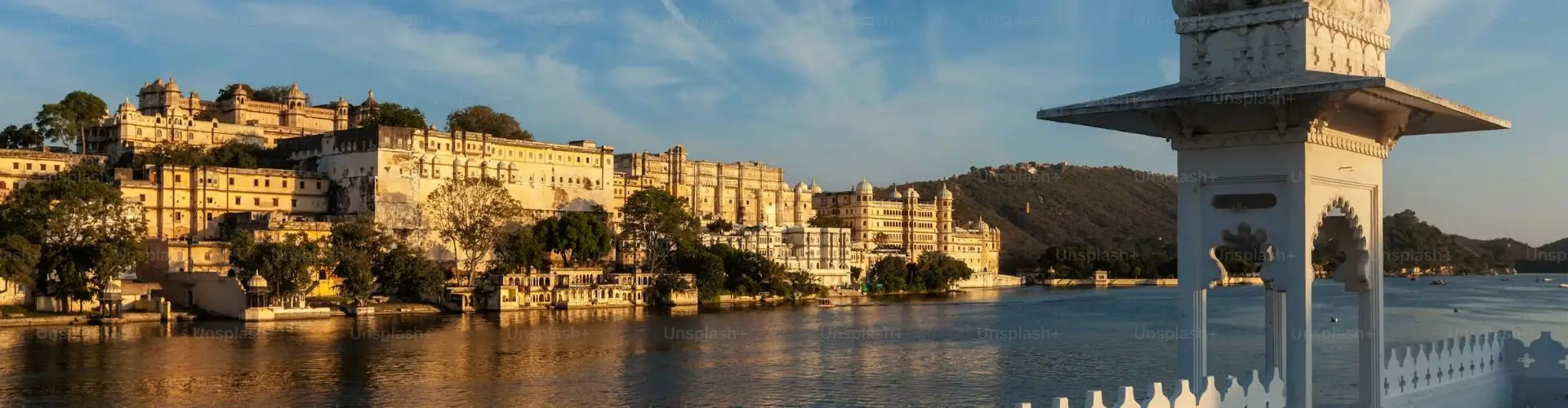
Rajasthan is one of the few regions in India where the accommodation can carry almost as much weight as the destination itself. Jaipur, Jodhpur and Udaipur contain remarkable forts and palaces, but they also offer historic residences, palace hotels and sophisticated resorts that deserve time rather than an arrival after dark followed by an early checkout.
This makes the length of a luxury Rajasthan tour particularly important. Seven days can work exceptionally well when restricted to three cities. Ten days gives Jaipur, Jodhpur and Udaipur more breathing room and allows an additional stop without turning the route into a race. Fourteen days can accommodate a deeper circuit involving Delhi, Agra, Rajasthan and either Ranthambore or Jaisalmer while retaining the comfort expected from a high-end private holiday.
Distances also matter. Jaipur, Jodhpur, Udaipur and Jaisalmer may all appear to belong to one Rajasthan circuit, but moving between them requires substantial road time. A private Rajasthan tour with chauffeur makes these journeys considerably easier, yet an excellent vehicle cannot shorten geography. A good itinerary therefore balances road sectors with two- and three-night stays rather than treating every famous city as a compulsory inclusion.
Budget is equally dependent on the route. For premium private travel, approximately USD 600–1,200+ per person per day is a useful higher-side framework for two guests sharing, excluding international flights. Travellers selecting leading palace hotels, exceptional suites, premium vehicles and high-end wildlife accommodation should expect the daily figure to move beyond this range.
The following routes are designed around actual travel rhythm: where to stay, how much time each city deserves, what is worth seeing and where additional expenditure genuinely improves the trip.
Seven Days in Rajasthan: Jaipur, Jodhpur and Udaipur Without Rushing the Route
A seven-day private Rajasthan itinerary should resist the temptation to include five or six destinations. Jaipur, Jodhpur and Udaipur make a far stronger short route because each city has a distinctive identity and the sequence works geographically.
For seven nights rather than seven calendar days, a comfortable allocation is Jaipur for three nights, Jodhpur for two nights and Udaipur for two nights. If only six hotel nights are available, Jaipur can be reduced to two, but shortening every destination to a single night would significantly weaken the trip.
Jaipur is the logical starting point because it is well connected and contains enough substance for a full private sightseeing day plus additional time for specialist interests. Amber Palace should be given a proper morning rather than treated as a photograph stop. Rajasthan Tourism currently lists Amber Palace visiting hours as approximately 8:00 AM to 5:30 PM and a foreign visitor admission price of INR 500; operating details should still be reconfirmed for the actual date of visit.
A private Jaipur day can continue to the City Palace rather than trying to combine every fort, museum and market in one continuous session. The City Palace Museum currently operates from 9:30 AM to 6:30 PM, with the last standard museum tickets sold by 6:00 PM. Its official visitor information lists a more extensive Royal Tour at INR 4,000 for an international adult, including selected areas of Chandra Mahal, a personal guide and refreshments.
That type of paid access is a good example of where a high-end Rajasthan holiday can differ from a basic sightseeing package. The traveller does not need to purchase every premium ticket available, but having a private guide who can distinguish worthwhile additions from expensive distractions is valuable.
The third Jaipur night also protects the itinerary from becoming overly mechanical. Guests can dedicate time to jewellery, textiles, contemporary design, regional food or simply their hotel. Jaipur has enough high-quality accommodation that selecting a strong property and never having time to enjoy it defeats part of the purpose.
From Jaipur, continue by private chauffeur to Jodhpur. Road conditions and journey times vary, so the day should not be overloaded with major sightseeing immediately after arrival.
Jodhpur's principal historical visit is Mehrangarh. The official Mehrangarh Museum Trust currently lists opening hours of 9:00 AM to 5:00 PM, with an international visitor ticket of INR 800. The museum's collections include arms, textiles, paintings, palanquins and period rooms, making a knowledgeable visit considerably more rewarding than simply viewing the fort from outside.
Nearby Jaswant Thada can be incorporated without consuming another full day. The Mehrangarh Museum Trust currently lists it as open from 9:00 AM to 5:00 PM, with an international visitor ticket of INR 100.
Two nights in Jodhpur are enough for most seven-day routes. Travellers particularly interested in hotels, architecture or slower travel could justify three, but doing so would require taking a night from Jaipur or Udaipur.
Udaipur should sit at the end rather than the beginning of this route. After several sightseeing days and substantial road travel, its lakefront setting suits a slower finish. The City Palace Museum is an important visit, but the itinerary should not allow sightseeing to consume the entire stay. The museum's own visitor information currently states opening hours of 9:00 AM to 9:00 PM.
An exceptional Udaipur hotel can justify an afternoon with no formal programme whatsoever. That is not wasted holiday time. On a premium trip, enjoying the property, having an unhurried lunch and watching the changing light over the lake may provide greater value than adding another minor attraction.
For seven nights, a realistic higher-side budget of around USD 4,500–8,500+ per person can accommodate a sophisticated private trip using excellent hotels, private transport and individual guiding. Selecting prestigious suites and Rajasthan's most expensive palace accommodation can raise the total considerably.
Recommended route: Jaipur — 3 nights | Jodhpur — 2 nights | Udaipur — 2 nights.
Ten Days in Rajasthan: Jaipur, Jodhpur, Udaipur and a Fourth Dimension to the Trip
Ten days provides enough room to move beyond the three-city core, but the fourth destination should be chosen for a reason. Adding another palace city merely to increase the destination count produces less contrast than adding wildlife, a rural stay or a location with a genuinely different character.
For many international travellers, a strong 10-day luxury Rajasthan itinerary is Jaipur for three nights, Jodhpur for two nights, a distinctive countryside or heritage stop for two nights and Udaipur for three nights.
Another excellent option is to bring Ranthambore into the route when wildlife is a genuine priority. In that case, the sequence could run Ranthambore for two nights, Jaipur for three, Jodhpur for two and Udaipur for three. Travellers arriving internationally through Delhi would need additional nights or transport considerations outside those ten Rajasthan nights.
The wildlife option changes the character of the holiday substantially. Rajasthan is often marketed almost entirely through forts, palaces and desert imagery, yet a reserve stay introduces early mornings, open landscapes and lodge life between urban destinations. It prevents ten days from becoming a succession of royal residences.
Ranthambore should not be included solely because travellers expect a tiger photograph. Wildlife sightings are inherently uncertain, and no responsible luxury Rajasthan wildlife tour should guarantee a particular animal. Two nights generally permit a limited number of safari opportunities; three nights are stronger for travellers whose principal interest is wildlife.
Accommodation standards also become important here. A premium wildlife lodge can cost several hundred dollars per night, while top properties and stronger accommodation categories can reach USD 1,000+ per room per night, depending on dates and inclusions. Safari arrangements, private transfers and lodge meal plans need to be checked carefully when comparing quotations because an apparently cheaper room rate may not represent the full cost of the stay.
Travellers who have little interest in wildlife could use the additional nights very differently. A rural heritage property between major cities can reduce the feeling of moving from one urban monument to another. The best choice depends on the exact route and the quality of accommodation available rather than inserting a village stay simply because it sounds authentic.
Jaipur remains worth three nights. Amber Palace and the historic city deserve a dedicated sightseeing day, but the additional time permits a less conventional second day. Jewellery, textiles, block printing, private dining or contemporary art can be considered according to the traveller's interests. Not every premium experience needs to involve privileged access; sometimes the luxury is having enough time and a knowledgeable local specialist to avoid mediocre stops.
Jodhpur works well for two nights. Mehrangarh is the priority, and travellers staying at a particularly fine property may reasonably choose to keep the remainder of the day light. The official museum ticket of INR 800 for international visitors is a minor component of the overall holiday cost; the larger investment is the guide, vehicle, accommodation and time allocated to experiencing the city properly.
Udaipur deserves three nights on a ten-day trip. This is where travellers often benefit from spending more on accommodation. A lake-facing room, suite or distinguished palace property can materially change the stay because the setting is visible throughout the day rather than only during sightseeing.
For premium accommodation, a sensible higher-side allowance across Rajasthan might begin around USD 400–800+ per room per night, while leading palace hotels and desirable suites can move beyond USD 1,000–2,000+ per night. The highest room categories can cost substantially more. Exact rates fluctuate sharply by property, date and availability, so these figures are budget guidance rather than quoted tariffs.
Private chauffeured transport should also be costed at an appropriate standard. For a premium Rajasthan road trip, approximately USD 120–300+ per vehicle per day is a useful higher-side allowance depending on vehicle class, route and inclusions. Travellers requesting premium European marques or unusually large vehicles should allow more.
Private guiding, monument admissions and dining sit on top of accommodation and transport. A sensible premium allowance for individual guiding can be around USD 75–150+ per day, depending on the destination, guide and specialist requirements. Fine dining at leading hotels can easily run USD 75–200+ per person for an evening, particularly when beverages or private arrangements are involved.
A well-executed ten-night trip can therefore reasonably fall around USD 7,000–12,000+ per person for two travellers sharing, excluding international flights. A palace-led itinerary with suites and premium wildlife accommodation can rise towards USD 12,000–18,000+ per person.
The additional three days compared with a seven-night route should buy depth and variety—not three more hotel check-ins.
Fourteen Days in Rajasthan: A Deeper Route Through Jaipur, Jodhpur, Jaisalmer and Udaipur
Fourteen days gives Rajasthan enough space to reveal how different its major regions actually are. It also makes Jaisalmer much more realistic because the western desert city requires a meaningful commitment of travel time.
A strong 14-day luxury Rajasthan tour could allocate three nights to Jaipur, two to Jodhpur, three to Jaisalmer, one or two nights to a carefully selected intermediate stay and three nights to Udaipur. Travellers wanting wildlife can replace the intermediate component with Ranthambore, although the final routing must be assessed carefully to avoid inefficient backtracking.
Jaisalmer is the destination that most often exposes weaknesses in hurried Rajasthan itineraries. It sits much farther west than Jaipur, Jodhpur and Udaipur. Adding it to a seven-day trip usually means sacrificing too much time to transport. With fourteen days, the journey becomes far more reasonable.
The city itself deserves attention beyond an evening desert excursion. Jaisalmer Fort, historic merchant residences and the old streets provide a different architectural character from Jaipur or Udaipur. A private guide is particularly useful for distinguishing historical context from the commercial activity that naturally exists in a heavily visited heritage area.
A desert stay can be included, but the accommodation needs careful selection. The phrase “luxury desert camp” is used very broadly. Travellers should examine tent construction, private bathroom standards, heating or cooling arrangements, distance from busier dune areas, dining quality and the actual level of privacy before assuming every premium-looking camp offers the same standard.
For a high-end desert component, budgeting around USD 500–1,200+ per room or tent per night is reasonable on the higher side for premium options, while particularly elaborate private setups can cost more. The value depends heavily on location and service rather than decorative furnishings alone.
Jodhpur becomes a logical staging point for the western section. Two nights remain sufficient for many travellers, although three can work when an exceptional hotel is central to the trip. Mehrangarh's current 9:00 AM–5:00 PM schedule makes a morning visit straightforward, while Rao Jodha Desert Rock Park beside the fort operates seasonally, with the Mehrangarh Museum Trust listing hours of 7:00 AM–6:30 PM from April to September and 8:00 AM–5:30 PM from October to March.
Those details matter because Rajasthan's climate affects the quality of a sightseeing day. An itinerary should not mechanically place outdoor walking at the least comfortable part of the day simply because a template says “city tour.”
Jaipur again deserves three nights, particularly when it is the first substantial Rajasthan stop. The City Palace can offer more than its standard museum route. The official palace website currently lists the Chandra Mahal Royal Tour for international adults at INR 4,000, compared with lower-priced standard museum admission. A traveller interested in royal architecture may value the additional access, while someone more interested in textiles or food might prefer to allocate that time and money elsewhere.
That is precisely how a bespoke Rajasthan tour should work. Premium travel is not a checklist of the most expensive available options.
Udaipur is particularly effective as the final three-night stay. The City Palace Museum, lakefront areas and private guiding can occupy part of the visit, but at least half a day should remain free when guests have selected an outstanding hotel. The City Palace Museum currently publishes extended visiting hours of 9:00 AM to 9:00 PM, providing more scheduling flexibility than many major attractions.
For a fourteen-night journey at a genuinely high standard, approximately USD 10,000–18,000+ per person is a sensible higher-side framework for two guests sharing. A trip dominated by landmark palace hotels, premium suites, high-end desert accommodation and top vehicles could comfortably reach USD 18,000–25,000+ per person.
International flights would remain additional. Domestic flights, if used, should be clearly identified as included or excluded in the individual quotation.
Fourteen days also permits one of the most valuable features of expensive travel: unscheduled time. An afternoon beside a hotel pool, a leisurely lunch after Mehrangarh or an evening with no organised entertainment can be worth retaining. Rajasthan does not become more impressive simply because every available hour has been sold as an activity.
What Makes a Rajasthan Itinerary Worth a Premium Budget
The strongest luxury tours of Rajasthan are not distinguished by adding the word “private” to every line of an itinerary. The difference should be visible in how the journey functions.
Hotel selection is the first major factor. Rajasthan offers everything from modern five-star city hotels to historic residences and internationally recognised palace properties. The most expensive hotel is not automatically the right one for every stop. Location, room category, atmosphere, service and the amount of time actually spent at the property all matter.
Spending USD 1,500+ per night on a room makes little sense if the itinerary arrives at 8:00 PM and departs at 7:30 AM. In that situation, either the schedule or the accommodation choice should be reconsidered.
Private transport is the second factor. Rajasthan is particularly suited to a chauffeur-driven private tour because several major destinations connect naturally by road. Having a vehicle assigned to the travelling party removes the fixed departures associated with coach travel and allows sensible comfort stops during longer sectors.
It does not, however, eliminate road distances. Jaipur to Jodhpur, Jodhpur to Udaipur and the longer journey towards Jaisalmer all consume meaningful portions of a day. A premium itinerary acknowledges this rather than pretending transfers are invisible.
Private guides are equally important. At Amber Palace, Mehrangarh or the City Palace complexes, context turns impressive architecture into a more coherent account of the region's political, artistic and social history. A good guide should also know when to stop talking. Affluent travellers frequently value the freedom to look, photograph and ask questions rather than receiving uninterrupted commentary.
Sightseeing costs themselves are comparatively small within a high-end holiday. For example, Mehrangarh currently charges INR 800 for an international visitor, while Jaswant Thada charges INR 100. The significant costs arise from superior hotels, transport, guides, meals, premium activities and the logistics surrounding the visit.
The final factor is pace.
A private Rajasthan holiday should not feel like an endurance test. Three nights in Jaipur and Udaipur are often more valuable than two nights in each plus two additional cities. Two nights in a wildlife lodge are useful only if safari timing works. Jaisalmer deserves inclusion only when the available duration supports the distance.
For travellers with seven nights, Jaipur–Jodhpur–Udaipur is the cleanest premium route. With ten nights, wildlife or a carefully selected additional stay can add contrast. With fourteen nights, Jaisalmer becomes far easier to justify and the entire circuit can carry a slower rhythm.
Couples can allocate more of the budget to room categories and dining. Families may benefit more from larger vehicles, appropriate connecting accommodation and lighter sightseeing days. Mature travellers may prefer three-night bases and fewer long road sectors. Photography-focused guests may want early starts and substantial time at selected sites rather than a longer list of monuments.
This is where a tailor-made Rajasthan tour earns its value. The objective is not to fit the traveller into Rajasthan's most commonly sold circuit. It is to decide which parts of Rajasthan deserve the traveller's limited time and then give those places enough space to matter.
Ask The Author
Not sure your dates are the right ones?
Send them over and we will tell you honestly what those weeks look like in the places you want to see.